

I love making vegetable tempura because it turns simple veggies into a crunchy, tasty treat that feels special. It’s a fun way to enjoy healthy ingredients with a light, crispy coating that’s hard to resist. I can’t wait for you to try it and see how easy it is to make at home!
Most of the ingredients for this vegetable tempura are common kitchen staples like flour and eggs. When you go to the supermarket, the only things you might want to look for carefully are fresh vegetables like broccoli, zucchini, and bell peppers. Choose firm, colorful veggies to get the best flavor and texture in your tempura.
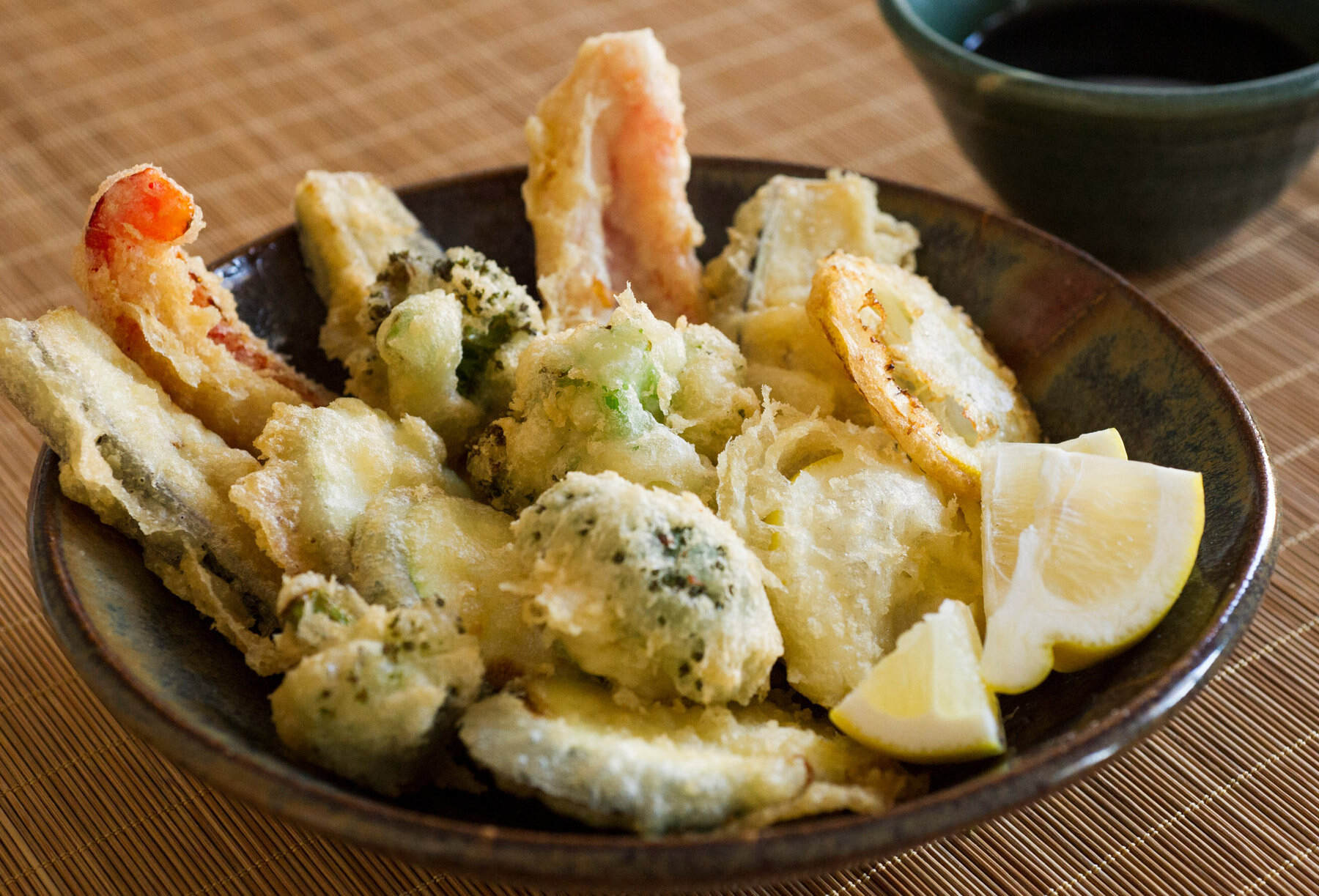
Vegetable Tempura Recipe Ingredients
All-purpose flour: This is the base for the batter, giving it structure and a light texture.
Ice-cold water: Using cold water helps make the batter crispy when fried.
Egg: Adds richness and helps bind the batter together.
Carrot: Thin strips add a sweet crunch to the tempura.
Zucchini: Mild and tender, it fries up nicely with a soft inside.
Broccoli florets: These add a nice bite and a bit of earthiness.
Mushrooms: Their soft texture contrasts well with the crispy batter.
Bell pepper: Thin strips bring color and a sweet, fresh flavor.
Vegetable oil: Used for frying, it needs to be hot enough to make the tempura crispy without soaking up too much oil.
Technique Tip for Perfect Tempura
One of the trickiest parts of making vegetable tempura is mixing the batter just right. You want to combine the flour, ice-cold water, and beaten egg without overdoing it. Here’s how you can do it step by step:
- Start by putting the flour in a bowl.
- Slowly add the ice-cold water while whisking gently.
- Add the beaten egg and stir just until everything looks mixed but still a little lumpy. Don’t worry if you see some small lumps—that’s perfect!
Why does this matter? If you mix too much, the batter becomes thick and heavy, which makes the tempura less crispy and a bit doughy. The lumps help keep the batter light and airy, so when you fry the vegetables, they get that beautiful, crunchy coating that’s so fun to eat.
When I first tried this, I made the mistake of stirring the batter like I was making pancake batter—smooth and lump-free. The result was a heavy crust that didn’t feel right at all. After that, I learned to stop mixing as soon as the ingredients come together. Also, using ice-cold water is a little trick that helps keep the batter cool, which makes the tempura extra crispy when fried.
So next time you’re making this, remember: mix gently, keep it cold, and don’t worry about lumps. Your vegetables will thank you with a perfect crunch every time!
Suggested Side Dishes
Alternative Ingredients
all-purpose flour - Substitute with rice flour: Rice flour is commonly used in tempura for a lighter, crispier texture.
ice-cold water - Substitute with sparkling water: Sparkling water adds extra lightness and crispiness to the batter due to its carbonation.
beaten egg - Substitute with aquafaba: Aquafaba, the liquid from canned chickpeas, can mimic the binding properties of eggs, making it suitable for a vegan option.
carrot - Substitute with sweet potato: Sweet potato offers a similar texture and a slightly sweet flavor that complements the tempura batter.
zucchini - Substitute with eggplant: Eggplant has a similar moisture content and texture, making it a good alternative for frying.
broccoli florets - Substitute with cauliflower florets: Cauliflower has a similar structure and can be used to achieve a similar texture when fried.
sliced mushrooms - Substitute with asparagus: Asparagus provides a different texture and flavor but works well with the tempura batter.
bell pepper - Substitute with green beans: Green beans offer a similar crunch and can be sliced into strips for frying.
vegetable oil - Substitute with canola oil: Canola oil has a high smoke point and neutral flavor, making it suitable for deep frying.
Alternative Recipes Similar to Tempura
How to Store or Freeze Tempura
Allow the freshly cooked vegetable tempura to cool completely at room temperature. This prevents condensation, which can make the tempura soggy.
Once cooled, arrange the tempura in a single layer on a baking sheet lined with parchment paper. This helps maintain their crispiness and prevents them from sticking together.
For short-term storage, transfer the tempura to an airtight container, layering with parchment paper between each layer. Store in the refrigerator for up to 2 days. Reheat in an oven at 350°F (175°C) for about 10 minutes to regain crispiness.
For longer storage, place the baking sheet with the tempura in the freezer for about 1 hour. This flash-freezing method ensures they remain separate and easy to handle.
Once frozen, transfer the tempura to a freezer-safe bag or container, removing as much air as possible to prevent freezer burn. Label with the date and store for up to 1 month.
When ready to enjoy, reheat the frozen tempura directly from the freezer. Preheat your oven to 400°F (200°C) and bake for 15-20 minutes until hot and crispy.
Serve the reheated vegetable tempura with your favorite dipping sauce, such as soy sauce or tempura sauce, to enhance the flavors.
How to Reheat Leftovers
Preheat your oven to 375°F (190°C). Arrange the leftover vegetable tempura on a baking sheet lined with parchment paper. Bake for about 10 minutes, flipping halfway through, until they regain their crispy texture.
Use an air fryer for a quick and efficient method. Set the air fryer to 350°F (175°C) and place the tempura in a single layer. Heat for 3-5 minutes, shaking the basket occasionally to ensure even reheating.
For a stovetop approach, heat a non-stick skillet over medium heat. Add a small amount of vegetable oil and place the tempura in the pan. Cook for 2-3 minutes on each side until they are warmed through and crispy.
If you're in a hurry, the microwave can be used, though it may not retain the crispiness. Place the tempura on a microwave-safe plate lined with a paper towel. Heat on medium power for 30-second intervals until warm, but be cautious as this method might make them soggy.
To revive the tempura's crispiness, you can also use a toaster oven. Set it to 350°F (175°C) and place the tempura on the rack. Toast for about 5 minutes, checking frequently to avoid burning.
Essential Tools for Making Tempura
Deep fryer: A kitchen appliance used for frying food by submerging it in hot oil, ensuring even cooking and crispiness.
Large pot: An alternative to a deep fryer, used for heating oil and frying when a deep fryer is not available.
Mixing bowl: A bowl used to combine ingredients, such as flour, water, and egg, to create the tempura batter.
Whisk: A utensil used to blend ingredients smoothly and incorporate air into the mixture.
Tongs: A tool used to safely remove the fried vegetables from the hot oil and transfer them to paper towels.
Paper towels: Used to drain excess oil from the fried vegetables, ensuring they remain crispy.
Knife: A tool used for slicing vegetables into thin strips or florets for even cooking.
Cutting board: A surface on which vegetables are sliced and prepared before frying.
How to Save Time on Preparation
Prepare ingredients in advance: Chop all vegetables and store them in the fridge to save time on cooking day.
Use a thermometer: Ensure the oil is at the right temperature quickly by using a kitchen thermometer.
Batch fry: Fry similar-sized vegetables together to ensure even cooking and save time.
Preheat oil: Start heating the oil while preparing the batter to streamline the process.
Minimal batter mixing: Mix the batter just until combined to avoid overworking and save time.
Vegetable Tempura Recipe
Ingredients
Tempura Batter
- 1 cup All-purpose flour
- 1 cup Ice-cold water
- 1 large Egg beaten
Vegetables
- 1 medium Carrot sliced into thin strips
- 1 medium Zucchini sliced into thin strips
- 1 cup Broccoli florets
- 1 cup Mushrooms sliced
- 1 cup Bell pepper sliced into thin strips
- as needed Vegetable oil for frying
Instructions
- 1. Heat the vegetable oil in a deep fryer or large pot to 350°F (175°C).
- 2. In a mixing bowl, whisk together the flour, ice-cold water, and beaten egg until just combined. Do not overmix.
- 3. Dip the prepared vegetables into the batter, ensuring they are evenly coated.
- 4. Carefully place the battered vegetables into the hot oil. Fry in batches to avoid overcrowding.
- 5. Fry until the vegetables are golden and crispy, about 2-3 minutes per batch.
- 6. Remove the vegetables with tongs and place them on paper towels to drain excess oil.
- 7. Serve immediately with your favorite dipping sauce.
Nutritional Value
Keywords
Suggested Main Courses and Desserts
More Amazing Recipes to Try 🙂
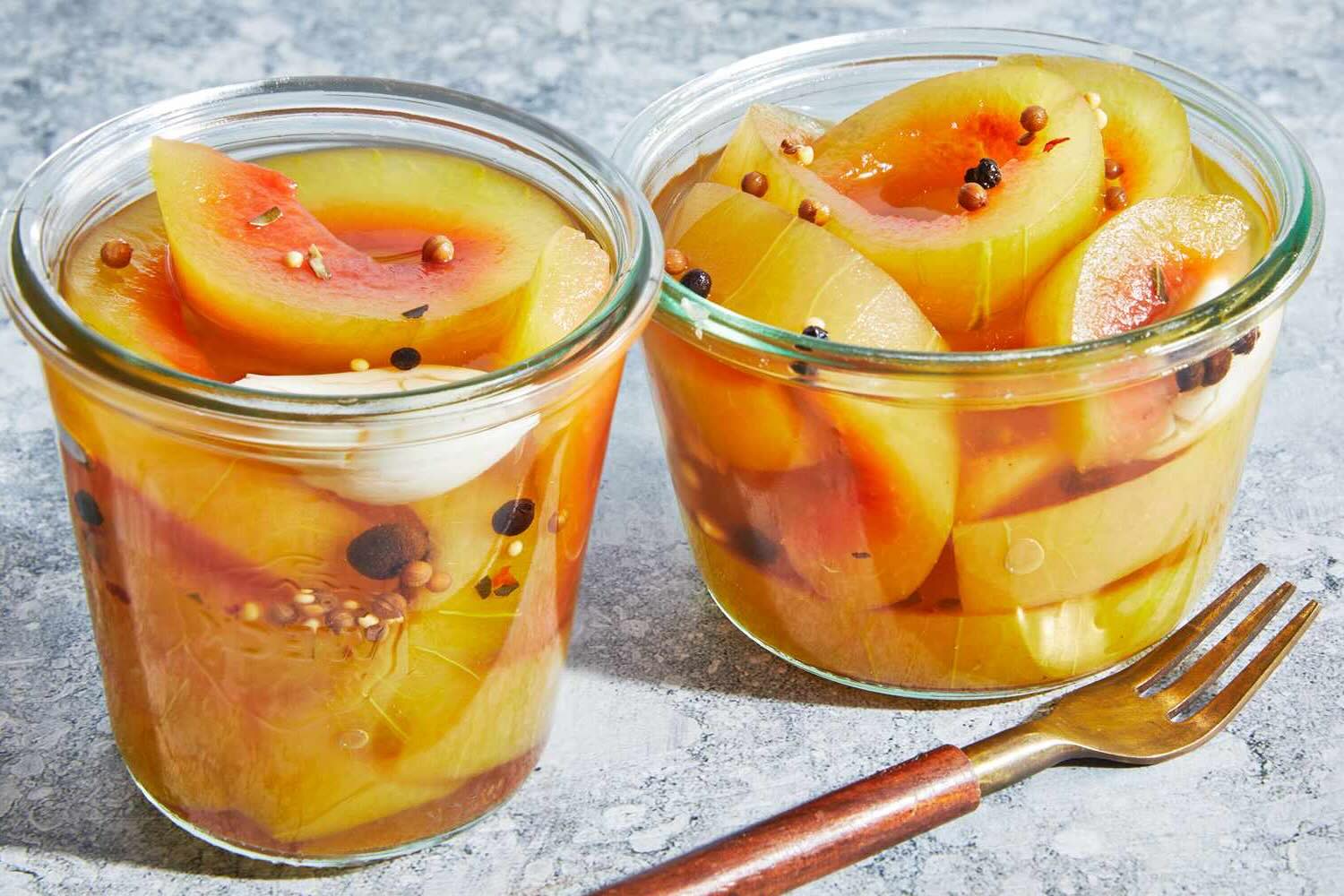
- Pickled Watermelon Rinds Recipe30 Minutes
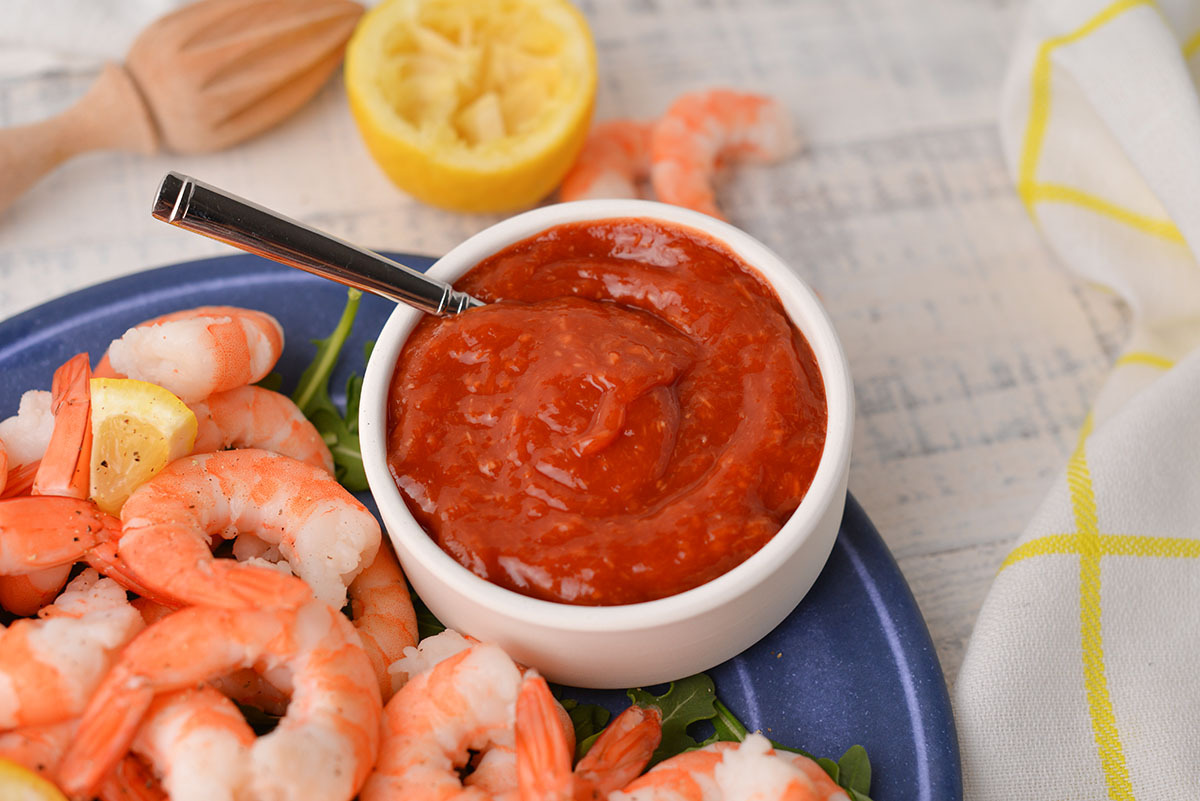
- Cocktail Sauce Recipe5 Minutes
- Mexican Sopes Recipe40 Minutes
- Traditional Mexican Street Tacos Recipe30 Minutes
- Eggless French Toast Recipe20 Minutes
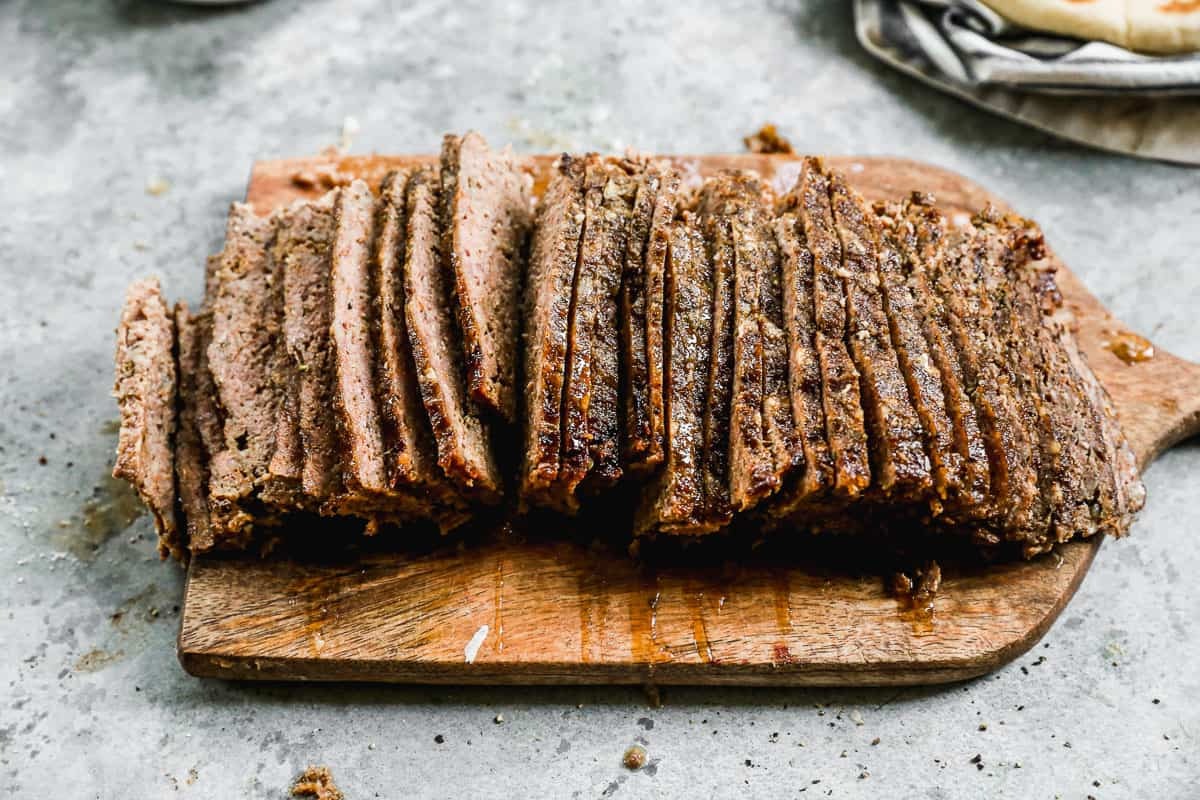
- Traditional Gyro Meat Recipe1 Hours 20 Minutes
- Sea Scallops and Angel Hair Pasta Recipe30 Minutes
- Swedish Glogg Recipe40 Minutes






Leave a Reply