
This succulent pork roast recipe is perfect for a family dinner or a special occasion. The combination of olive oil, garlic, and rosemary creates a flavorful crust, while the slow roasting ensures the meat is tender and juicy.
Most of the ingredients for this recipe are common pantry staples. However, you may need to pick up fresh rosemary if you don't have it on hand. Fresh garlic cloves are also essential for the best flavor, so avoid using pre-minced or powdered garlic.
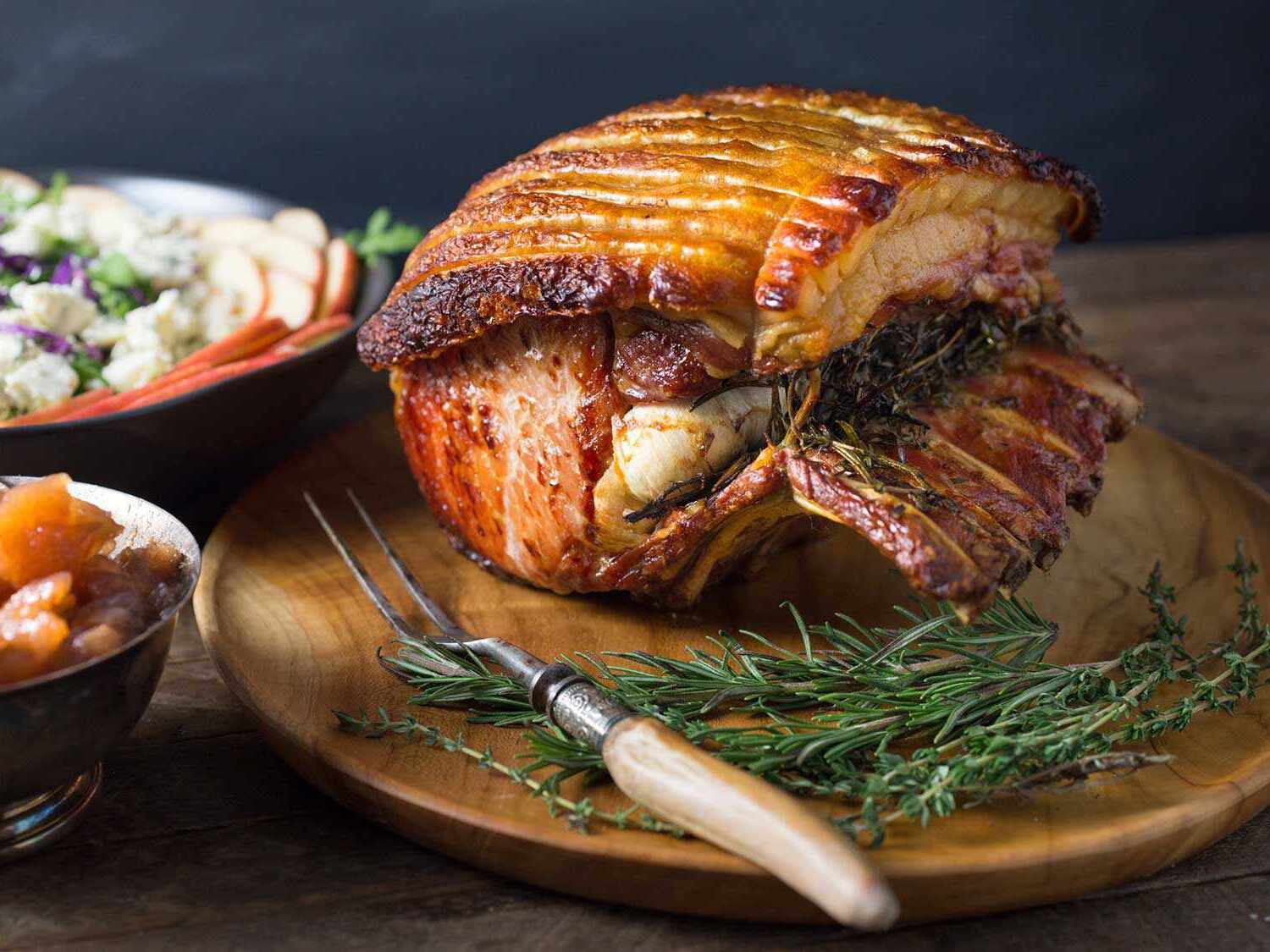
Ingredients For Pork Roast Recipe
Pork shoulder: A cut of meat that is perfect for slow roasting, becoming tender and flavorful.
Olive oil: Adds moisture and helps to create a crispy crust on the roast.
Salt: Enhances the natural flavors of the pork.
Black pepper: Adds a hint of spice and depth to the seasoning.
Garlic: Fresh minced garlic provides a robust and aromatic flavor.
Rosemary: Freshly chopped rosemary adds a fragrant, earthy note to the roast.
Technique Tip for Cooking Pork Roast
When preparing a pork shoulder for roasting, ensure you score the fat cap in a crosshatch pattern before applying the olive oil and seasonings. This allows the salt and garlic to penetrate deeper into the meat, enhancing the flavor and helping to create a deliciously crispy exterior.
Suggested Side Dishes
Alternative Ingredients
pork shoulder - Substitute with beef chuck roast: Beef chuck roast has a similar texture and fat content, making it a good alternative for slow roasting.
pork shoulder - Substitute with lamb shoulder: Lamb shoulder offers a rich flavor and similar cooking properties, suitable for a hearty roast.
olive oil - Substitute with canola oil: Canola oil has a neutral flavor and high smoke point, making it a versatile substitute for olive oil.
olive oil - Substitute with grapeseed oil: Grapeseed oil is light and has a high smoke point, ideal for roasting.
salt - Substitute with soy sauce: Soy sauce adds a salty and umami flavor, enhancing the overall taste of the dish.
salt - Substitute with sea salt: Sea salt provides a more complex flavor profile compared to regular table salt.
black pepper - Substitute with white pepper: White pepper offers a milder, slightly different heat, suitable for those who prefer a less pungent flavor.
black pepper - Substitute with cayenne pepper: Cayenne pepper adds a spicy kick, perfect for those who enjoy a bit of heat in their roast.
minced garlic - Substitute with garlic powder: Garlic powder provides a similar flavor and is convenient for quick preparation.
minced garlic - Substitute with shallots: Shallots offer a milder, sweeter taste, adding a subtle garlic-like flavor to the dish.
chopped rosemary - Substitute with thyme: Thyme has a similar earthy flavor and can be used in the same quantity as rosemary.
chopped rosemary - Substitute with sage: Sage provides a robust, slightly peppery flavor, complementing the richness of the roast.
Alternative Recipes Similar to Pork Roast
How to Store or Freeze Your Pork Roast
- Allow the pork roast to cool completely before storing. This helps prevent condensation, which can lead to sogginess and spoilage.
- Wrap the pork roast tightly in aluminum foil or plastic wrap to maintain its moisture and flavor. Alternatively, place it in an airtight container.
- Store the wrapped or containerized pork roast in the refrigerator if you plan to consume it within 3-4 days.
- For longer storage, place the wrapped pork roast in a freezer-safe bag or container. Label it with the date to keep track of its freshness.
- When freezing, try to remove as much air as possible from the bag or container to prevent freezer burn.
- To reheat, thaw the pork roast in the refrigerator overnight if frozen. Reheat in the oven at 325°F (165°C) until warmed through, or use a microwave for quicker results.
- For added flavor, consider reheating the pork roast with a splash of broth or gravy to keep it moist.
- Avoid reheating the pork roast multiple times, as this can dry it out and diminish its quality. Reheat only the portion you plan to eat.
How to Reheat Leftovers
Oven Method: Preheat your oven to 325°F (165°C). Place the pork roast in an oven-safe dish and add a splash of chicken broth or apple juice to keep it moist. Cover the dish with aluminum foil and heat for about 20-25 minutes, or until the internal temperature reaches 165°F (74°C).
Stovetop Method: Slice the pork roast into thin pieces. Heat a skillet over medium heat and add a bit of olive oil. Place the slices in the skillet and heat for 2-3 minutes on each side, or until warmed through. You can add a splash of broth or water to keep the meat moist.
Microwave Method: Place the pork roast slices on a microwave-safe plate. Cover with a damp paper towel to retain moisture. Microwave on medium power for 1-2 minutes, checking and turning the slices halfway through. Continue heating in 30-second intervals until the desired temperature is reached.
Sous Vide Method: Seal the pork roast in a vacuum-sealed bag. Heat a pot of water to 140°F (60°C) using a sous vide machine. Submerge the bag in the water bath and let it heat for about 45 minutes to an hour. This method ensures the meat remains juicy and tender.
Slow Cooker Method: Place the pork roast in a slow cooker and add a bit of broth or barbecue sauce. Set the slow cooker to low and heat for 1-2 hours, or until the meat is thoroughly warmed. This method is great for infusing additional flavors into the meat.
Essential Tools for Cooking Pork Roast
Oven: Used to preheat and roast the pork shoulder at a consistent temperature of 350°F (175°C).
Roasting pan: Holds the pork shoulder while it roasts in the oven, allowing for even cooking and browning.
Meat thermometer: Essential for checking the internal temperature of the pork to ensure it reaches 145°F (63°C).
Cutting board: Provides a stable surface for rubbing the pork shoulder with olive oil, salt, pepper, garlic, and rosemary.
Knife: Used for mincing the garlic and chopping the rosemary.
Basting brush: Helps to evenly apply the olive oil and seasoning mixture onto the pork shoulder.
Tongs: Useful for handling the pork shoulder when placing it in the roasting pan and removing it from the oven.
Aluminum foil: Can be used to tent the pork shoulder if it starts to brown too quickly in the oven.
Serving platter: For presenting the sliced pork roast after it has rested.
Carving knife: Used for slicing the pork roast into serving portions after it has rested.
How to Save Time on Making Pork Roast
Marinate in advance: Prepare the pork shoulder with olive oil, salt, pepper, minced garlic, and chopped rosemary the night before to save time on the day of cooking.
Use a meat thermometer: This ensures the pork reaches the perfect internal temperature of 145°F (63°C) without having to constantly check it.
Preheat the oven: Make sure your oven is fully preheated to 350°F (175°C) before placing the pork inside to ensure even cooking.
Rest the meat: Allow the pork to rest for 10 minutes after roasting to make slicing easier and to keep the juices inside.
Pork Roast Recipe
Ingredients
Main Ingredients
- 1 kg Pork Shoulder
- 2 tablespoon Olive Oil
- 1 teaspoon Salt
- 1 teaspoon Black Pepper
- 2 cloves Garlic minced
- 1 teaspoon Rosemary chopped
Instructions
- Preheat your oven to 350°F (175°C).
- Rub the pork shoulder with olive oil, salt, pepper, minced garlic, and chopped rosemary.
- Place the pork in a roasting pan and roast in the preheated oven for about 2 hours, or until the internal temperature reaches 145°F (63°C).
- Let the pork rest for 10 minutes before slicing and serving.
Nutritional Value
Keywords
Suggested Appetizers and Desserts
More Amazing Recipes to Try 🙂
- Eggnog Recipe25 Minutes
- Pan Fried Shrimp Recipe20 Minutes
- Shrimp Pasta Salad Recipe25 Minutes
- Maryland Crab Cakes Recipe25 Minutes
- Buffalo Chicken Wing Sauce Recipe15 Minutes
- Pineapple Martini Recipe5 Minutes
- Cucumber Pasta Salad Recipe25 Minutes
- Sausage Egg Muffins Recipe30 Minutes







Leave a Reply