
I love this gochujang sauce because it adds a perfect mix of spicy and sweet flavors to so many dishes. It’s simple to make and always makes meals feel special. I can’t wait for you to try it and see how it brightens up your cooking!
Some ingredients like gochujang might be new if you haven’t cooked Korean food before. You can usually find it in the international or Asian section of most supermarkets. Sesame oil and rice vinegar are also great pantry staples to have on hand, but if you don’t have them yet, they’re worth picking up because they add a lot of flavor.
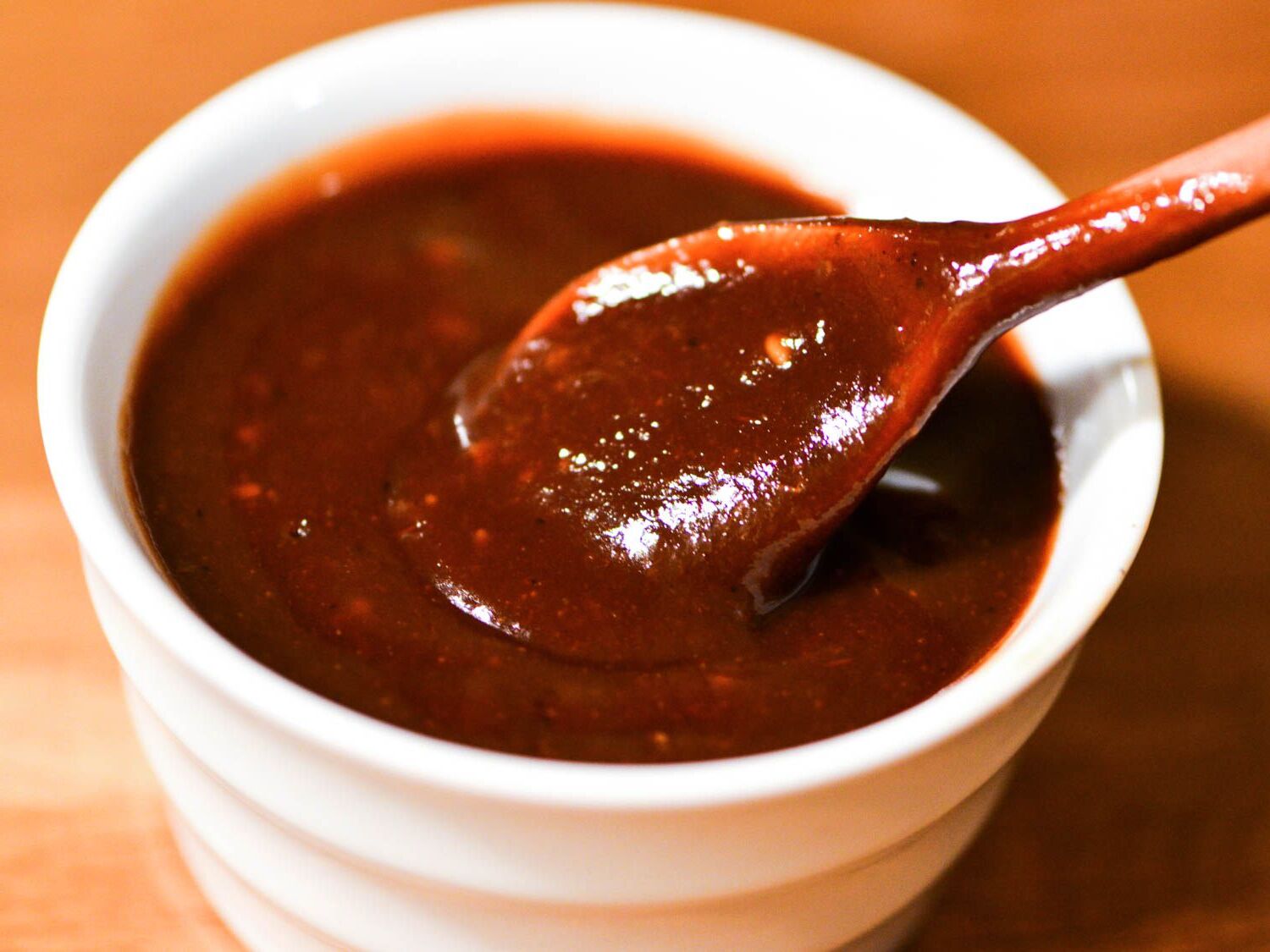
Ingredients For Gochujang Sauce Recipe
Gochujang: A Korean red chili paste that is spicy, slightly sweet, and savory, giving the sauce its unique flavor.
Soy sauce: A salty, umami-rich sauce made from fermented soybeans that adds depth.
Sesame oil: A fragrant oil made from toasted sesame seeds that adds a nutty aroma.
Rice vinegar: A mild vinegar made from fermented rice that brings a gentle tang.
Honey: A natural sweetener that balances the heat and acidity.
Garlic: Fresh garlic cloves minced to add a sharp, savory punch.
Ginger: Fresh ginger minced to add warmth and a little zing.
Technique Tip for This Recipe
When you’re mixing the gochujang sauce ingredients, whisking until smooth is a simple step that makes a big difference. Here’s how to do it without making a mess or leaving lumps behind:
- Start by putting all the ingredients in a bowl—gochujang, soy sauce, sesame oil, rice vinegar, honey, and the minced garlic and ginger.
- Hold your whisk firmly and move it in small circles or a figure-eight pattern. This helps mix everything evenly.
- Keep the whisk low in the bowl at first to avoid splashing. As the mixture starts to come together, you can lift the whisk a little to get more air in and make it smooth.
- If the sauce feels too thick, add a tiny splash of water or more rice vinegar and whisk again.
Whisking well makes the sauce taste better because it blends all the flavors perfectly. When the honey and gochujang mix smoothly with the soy sauce and oils, every bite has the right balance of sweet, spicy, and tangy. Plus, a smooth sauce spreads easily on your favorite dishes or mixes well into recipes.
I remember the first time I made this sauce, I didn’t whisk long enough, and the honey stayed in little sticky clumps. It wasn’t terrible, but it didn’t taste as good. Now, I always take a minute to whisk carefully, and it’s worth it. Also, if you’re in a hurry, you can use a fork instead of a whisk—it won’t be as smooth, but it still works in a pinch!
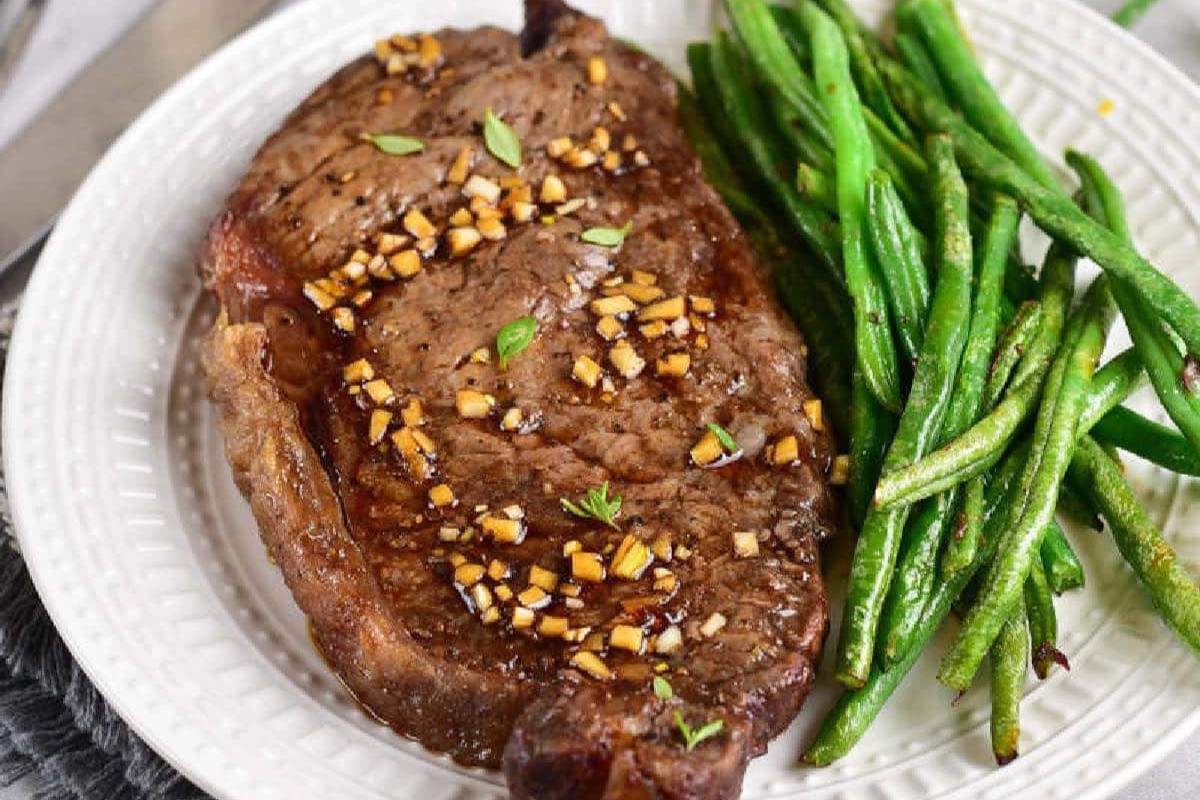
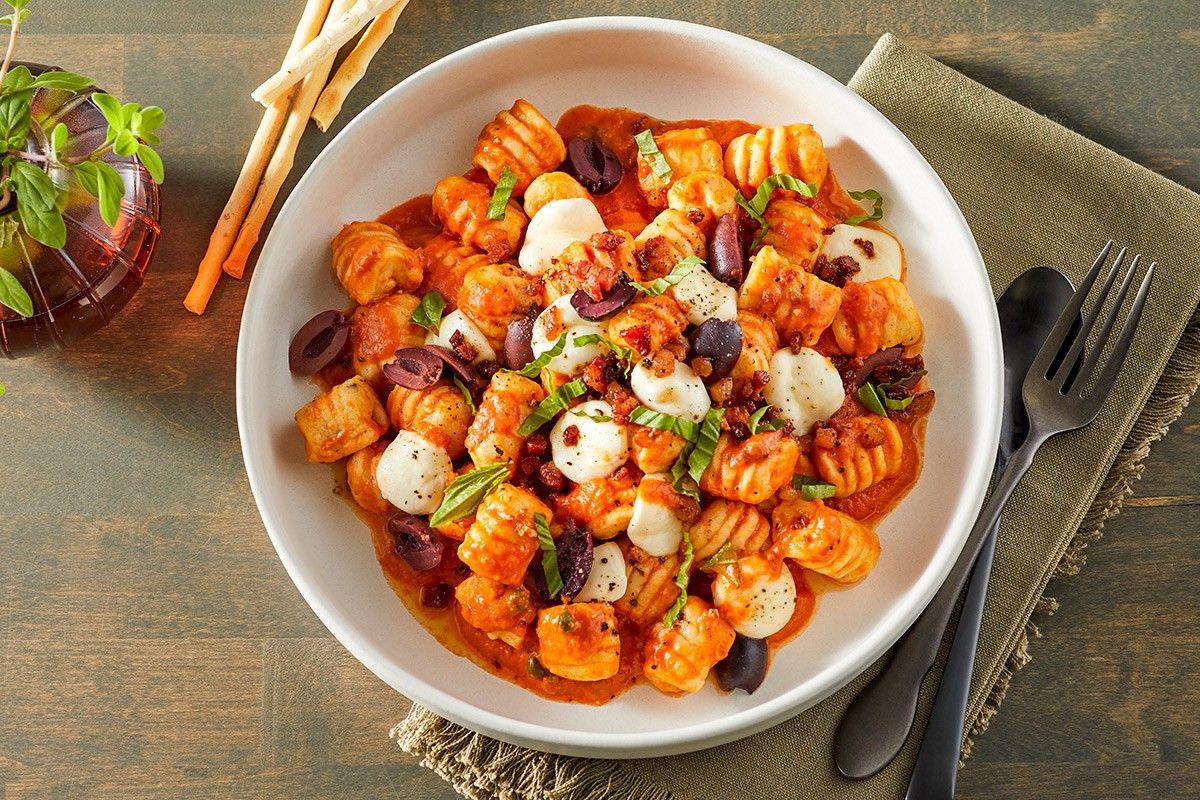
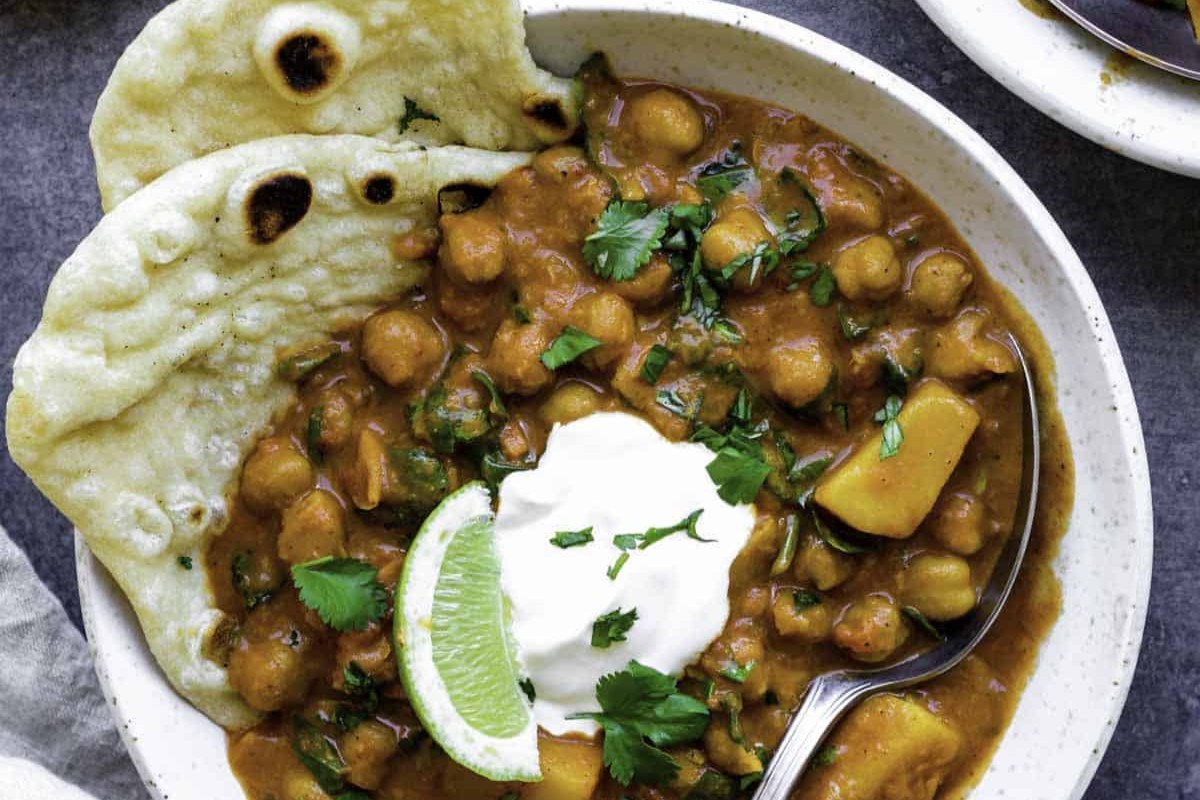
Suggested Side Dishes
Alternative Ingredients
gochujang - Substitute with sriracha mixed with miso paste: This combination mimics the spicy and umami flavors of gochujang.
soy sauce - Substitute with tamari: Tamari is a gluten-free alternative that provides a similar salty and savory flavor.
sesame oil - Substitute with olive oil with a few drops of toasted sesame seeds: Olive oil provides the necessary fat, while toasted sesame seeds add a hint of the nutty flavor.
rice vinegar - Substitute with apple cider vinegar: Apple cider vinegar has a similar acidity and can be used in the same quantity.
honey - Substitute with maple syrup: Maple syrup provides a similar sweetness and consistency.
garlic - Substitute with garlic powder: Use ¼ teaspoon of garlic powder for each clove of garlic to maintain the garlic flavor.
ginger - Substitute with ground ginger: Use ¼ teaspoon of ground ginger for each teaspoon of fresh ginger to keep the ginger essence.
Alternative Recipes Similar to This Sauce
How To Store / Freeze This Sauce
To store your freshly made gochujang sauce, transfer it into an airtight container. This will help maintain its vibrant flavors and prevent any unwanted odors from seeping in.
Place the container in the refrigerator. The sauce will stay fresh for up to two weeks, making it a convenient addition to your meals whenever you need a burst of umami.
If you plan to keep the sauce for a longer period, consider freezing it. Pour the sauce into ice cube trays for easy portioning. Once frozen, transfer the cubes to a resealable plastic bag or another airtight container.
When you're ready to use the frozen gochujang sauce, simply take out the desired number of cubes and let them thaw in the refrigerator or at room temperature. This method ensures you always have a quick and flavorful option on hand.
For an added layer of protection, you can wrap the container or bag in aluminum foil before freezing. This helps prevent freezer burn and keeps the sauce tasting fresh.
Remember to label your containers with the date of preparation. This will help you keep track of how long the sauce has been stored and ensure you use it while it's at its best.
If you notice any changes in color, texture, or smell, it's best to discard the sauce. Freshness is key to enjoying the full depth of flavors in your gochujang sauce.
For a creative twist, consider mixing the sauce with other ingredients like yogurt or mayonnaise before freezing. This can create a ready-to-use marinade or dip, adding versatility to your culinary repertoire.
How To Reheat Leftovers
Stovetop Method: Pour the gochujang sauce into a small saucepan. Heat over low to medium heat, stirring occasionally to ensure even warming. This method helps maintain the sauce's consistency and flavor. If it thickens too much, add a splash of water or soy sauce to thin it out.
Microwave Method: Transfer the sauce to a microwave-safe bowl. Cover it with a microwave-safe lid or a damp paper towel to prevent splatters. Heat in 15-second intervals, stirring in between, until the sauce reaches your desired temperature. Be cautious not to overheat, as this can alter the flavor.
Double Boiler Method: Place the sauce in a heatproof bowl. Set the bowl over a pot of simmering water, ensuring the bottom of the bowl does not touch the water. Stir occasionally until the sauce is warmed through. This gentle heating method helps preserve the sauce's delicate flavors.
Oven Method: Preheat your oven to 200°F (93°C). Transfer the gochujang sauce to an oven-safe dish and cover with aluminum foil to prevent drying out. Heat for about 10-15 minutes, stirring halfway through, until the sauce is warm.
Immersion Circulator Method: If you have a sous-vide setup, place the sauce in a vacuum-sealed bag or a zip-lock bag with the air removed. Submerge in a water bath set to 140°F (60°C) for about 20 minutes. This method ensures even heating without altering the sauce's texture.
Essential Tools for Making This Sauce
Mixing bowl: A large bowl used to combine all the ingredients together.
Whisk: A utensil used to blend the ingredients until the sauce is smooth.
Measuring cups: Tools used to measure out the gochujang, soy sauce, and other liquid ingredients accurately.
Measuring spoons: Tools used to measure out smaller quantities of ingredients like sesame oil, rice vinegar, and honey.
Garlic press: A tool to mince the garlic cloves efficiently.
Microplane or grater: A tool used to finely mince the ginger.
Storage container: A container to store the sauce in the fridge if not used immediately.
How to Save Time on This Recipe
Pre-mince ingredients: Mince garlic and ginger in bulk and store them in the fridge to save time on future recipes.
Use a food processor: Quickly blend all ingredients in a food processor for a smoother sauce.
Batch preparation: Make a larger batch of gochujang sauce and store it in the fridge for up to a week.
Pre-measure ingredients: Measure out all ingredients before starting to streamline the process.
Use a whisk: A whisk can blend the sauce faster and more evenly than a spoon.
Gochujang Sauce Recipe
Ingredients
Main Ingredients
- ¼ cup Gochujang
- 2 tablespoons Soy sauce
- 1 tablespoon Sesame oil
- 1 tablespoon Rice vinegar
- 1 tablespoon Honey
- 2 cloves Garlic, minced
- 1 teaspoon Ginger, minced
Instructions
- In a mixing bowl, combine all ingredients.
- Whisk until smooth.
- Use immediately or store in the fridge.
Nutritional Value
Keywords
More Amazing Recipes to Try 🙂
- Singapore Sling Cocktail Recipe5 Minutes
- Spicy Seafood Sauce Recipe30 Minutes
- Veggie Spring Rolls with Mango Dipping Sauce Recipe30 Minutes
- Pickled Watermelon Rinds Recipe30 Minutes
- Cocktail Sauce Recipe5 Minutes
- Mexican Sopes Recipe40 Minutes
- Traditional Mexican Street Tacos Recipe30 Minutes
- Eggless French Toast Recipe20 Minutes



Leave a Reply