

This refreshing Greek tzatziki is a versatile dip that pairs perfectly with a variety of dishes. Made with creamy greek yogurt, fresh cucumber, and aromatic dill, it's a staple in Mediterranean cuisine. Whether you're serving it with grilled meats, pita bread, or as a salad dressing, this easy-to-make dip will elevate your meal.
While most of the ingredients for this tzatziki recipe are common, you might need to pay special attention to greek yogurt and fresh dill. Greek yogurt is thicker and creamier than regular yogurt, and fresh dill adds a unique flavor that dried dill can't replicate. Make sure to pick these up at your local supermarket.

Ingredients For Greek Tzatziki Recipe
Greek yogurt: A thick, creamy yogurt that forms the base of the dip.
Cucumber: Adds a refreshing crunch and moisture to the dip.
Garlic: Provides a pungent, aromatic flavor.
Olive oil: Adds richness and a smooth texture.
Lemon juice: Provides a tangy brightness that balances the flavors.
Dill: Adds a fresh, herbaceous note.
Salt: Enhances all the other flavors.
Technique Tip for This Recipe
To achieve a smoother texture in your tzatziki, make sure to thoroughly strain the cucumber. Excess water can make the dip too runny. You can use a cheesecloth or a fine-mesh sieve to press out as much liquid as possible. This step ensures that the yogurt remains thick and creamy, giving your tzatziki the perfect consistency.
Suggested Side Dishes
Alternative Ingredients
greek yogurt - Substitute with plain yogurt: Plain yogurt can be used as it has a similar texture and tanginess, though it may be slightly less thick.
greek yogurt - Substitute with sour cream: Sour cream provides a similar creamy texture and tangy flavor, though it is richer and less thick.
greek yogurt - Substitute with coconut yogurt: For a dairy-free option, coconut yogurt offers a similar consistency and a mild flavor that complements the other ingredients.
cucumber - Substitute with zucchini: Zucchini has a similar texture and mild flavor, making it a good alternative when grated and strained.
cucumber - Substitute with radish: Grated radish provides a crunchy texture and a slightly peppery flavor, adding a different but pleasant twist.
garlic - Substitute with garlic powder: Garlic powder can be used in a pinch, though it lacks the fresh, pungent flavor of minced garlic. Use about ¼ teaspoon per clove.
garlic - Substitute with shallots: Minced shallots offer a milder, sweeter flavor that can complement the dish well.
olive oil - Substitute with avocado oil: Avocado oil has a similar healthy fat profile and a mild flavor that works well in this recipe.
olive oil - Substitute with grapeseed oil: Grapeseed oil is a neutral-tasting oil that can be used as a substitute without altering the flavor profile significantly.
lemon juice - Substitute with lime juice: Lime juice provides a similar acidity and citrus flavor, though it is slightly more tart.
lemon juice - Substitute with white vinegar: White vinegar offers the necessary acidity, though it lacks the citrus notes. Use sparingly to avoid overpowering the dish.
dill - Substitute with mint: Fresh mint provides a different but refreshing flavor that pairs well with the other ingredients.
dill - Substitute with parsley: Chopped parsley offers a fresh, slightly peppery flavor that can complement the dish nicely.
salt - Substitute with soy sauce: Soy sauce can add a salty and umami flavor, though it will also darken the color of the tzatziki slightly.
salt - Substitute with sea salt: Sea salt can be used as a direct substitute, offering a similar level of saltiness with a slightly different mineral profile.
Alternative Recipes Similar to This Dish
How to Store or Freeze This Recipe
- To keep your Greek Tzatziki fresh and flavorful, store it in an airtight container. This prevents it from absorbing any unwanted odors from the fridge.
- Place the container in the coldest part of your refrigerator, typically the back, to maintain its freshness. The tzatziki will stay good for up to 3-4 days.
- If you notice any separation, simply give it a good stir before serving. This will help reincorporate the cucumber and yogurt.
- For longer storage, you can freeze tzatziki. However, be aware that the texture might change slightly due to the high water content in the cucumber.
- To freeze, transfer the tzatziki into a freezer-safe container, leaving some space at the top to allow for expansion. Seal tightly.
- Label the container with the date so you can keep track of its freshness. Tzatziki can be frozen for up to 1-2 months.
- When ready to use, thaw the tzatziki in the refrigerator overnight. Once thawed, stir well to restore its creamy consistency.
- If the texture seems too watery after thawing, you can strain it through a fine mesh sieve or cheesecloth to remove excess liquid.
- For the best taste and texture, consider making a fresh batch of tzatziki if you plan to serve it to guests or for a special occasion.
How to Reheat Leftovers
- Place the tzatziki in a microwave-safe dish and cover it with a microwave-safe lid or plastic wrap. Heat on medium power for 10-15 seconds, then stir and check the temperature. Repeat if necessary, but be cautious not to overheat as it can alter the texture of the yogurt.
- Alternatively, transfer the tzatziki to a small saucepan and warm it gently over low heat. Stir continuously to ensure even heating and prevent the yogurt from curdling.
- For a more traditional approach, place the tzatziki in a heatproof bowl and set it over a pot of simmering water, creating a double boiler. Stir occasionally until it reaches the desired temperature.
- If you prefer to keep the tzatziki cold but want to refresh its flavors, simply add a bit more lemon juice or olive oil and give it a good stir before serving.
Best Tools for This Recipe
Grater: Use this to grate the cucumber finely, ensuring it blends smoothly into the yogurt.
Strainer: Essential for straining the excess water from the grated cucumber to prevent the tzatziki from becoming too watery.
Mixing bowl: A medium-sized bowl to combine all the ingredients together.
Garlic press: Handy for mincing the garlic cloves quickly and efficiently.
Measuring spoons: Use these to measure out the olive oil, lemon juice, and salt accurately.
Chopping board: A sturdy surface for chopping the dill and preparing the garlic.
Chef's knife: Ideal for chopping the dill and mincing the garlic if you don't have a garlic press.
Spatula: Useful for mixing all the ingredients together thoroughly.
Refrigerator: Necessary for chilling the tzatziki for at least 30 minutes before serving to enhance the flavors.
How to Save Time on This Recipe
Prepare ingredients in advance: Grate and strain the cucumber ahead of time to save a few minutes.
Use pre-minced garlic: Opt for store-bought minced garlic to cut down on prep time.
Mix in one bowl: Combine all ingredients in a single bowl to minimize cleanup.
Chill quickly: Place the tzatziki in the freezer for 10 minutes instead of the fridge for 30 minutes to speed up chilling.
Greek Tzatziki Recipe
Ingredients
Main Ingredients
- 1 cup Greek yogurt
- 1 medium Cucumber grated and strained
- 2 cloves Garlic minced
- 1 tablespoon Olive oil
- 1 tablespoon Lemon juice
- 1 tablespoon Dill chopped
- 1 teaspoon Salt to taste
Instructions
- 1. Grate the cucumber and strain the excess water.
- 2. In a mixing bowl, combine the Greek yogurt, grated cucumber, minced garlic, olive oil, lemon juice, chopped dill, and salt.
- 3. Mix well until all ingredients are well incorporated.
- 4. Chill in the refrigerator for at least 30 minutes before serving.
Nutritional Value
Keywords
Suggested Main Courses and Desserts
More Amazing Recipes to Try 🙂
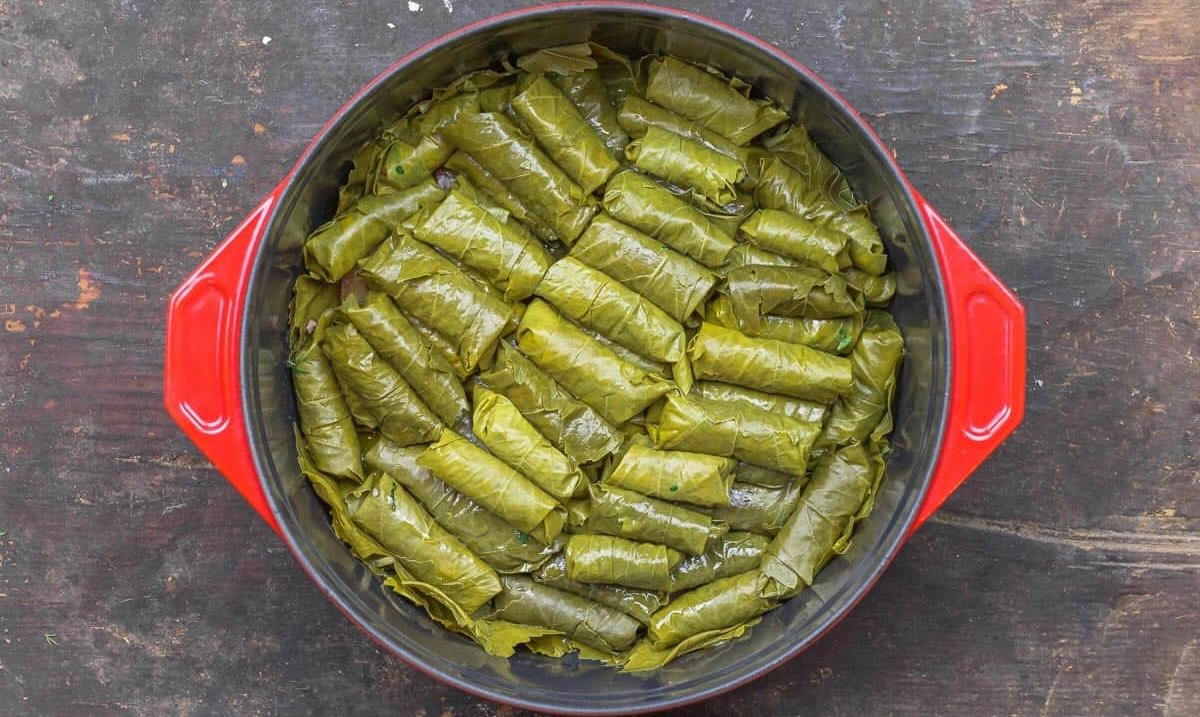
- Dolmas Stuffed Grape Leaves Recipe1 Hours 30 Minutes
- Chicken Milanese Recipe30 Minutes
- Refreshing Cucumber Lemonade Recipe10 Minutes
- POG Juice Recipe5 Minutes
- Singapore Sling Cocktail Recipe5 Minutes
- Spicy Seafood Sauce Recipe30 Minutes
- Veggie Spring Rolls with Mango Dipping Sauce Recipe30 Minutes
- Pickled Watermelon Rinds Recipe30 Minutes











Leave a Reply