

I love how fresh and bright this cucumber mango miso noodle bowl feels, especially on a warm day. It’s a fun mix of flavors that always makes me smile when I eat it. I can’t wait for you to try it and enjoy the cool crunch of cucumber with the sweet mango and savory miso dressing.
Some ingredients like miso paste and rice vinegar might be new if you haven’t cooked with them before. You can usually find miso paste in the refrigerated section of the supermarket near tofu or Asian sauces. Rice vinegar is often near other vinegars or Asian condiments. Both add a unique flavor that really makes this dish special.
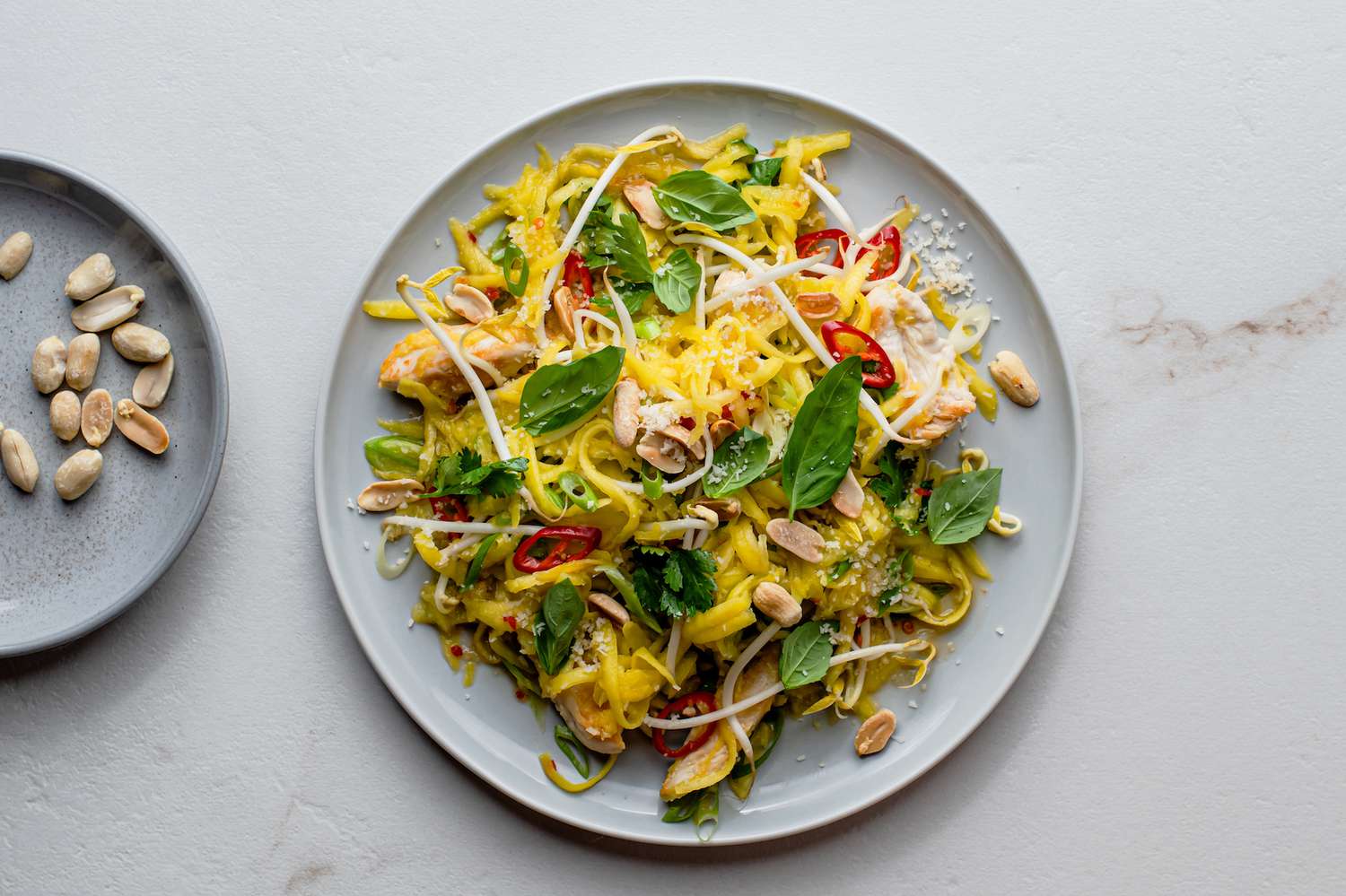
Ingredients For Cucumber Mango Miso Noodle Bowl Recipe
Rice noodles: These soft, thin noodles are made from rice flour and cook quickly, making them perfect for cold or warm dishes.
Cucumber: Adds a refreshing crunch and light flavor that balances the sweetness of the mango.
Mango: Sweet and juicy, mango brings a tropical twist that pairs wonderfully with the miso dressing.
Miso paste: A fermented soybean paste that adds a deep, savory umami flavor to the dressing.
Soy sauce: A salty sauce made from fermented soybeans, it enhances the overall taste of the dish.
Rice vinegar: A mild vinegar made from fermented rice, it adds a gentle tanginess to the dressing.
Sesame oil: A fragrant oil that gives a nutty aroma and flavor.
Sesame seeds: Small seeds that add a subtle crunch and extra nuttiness as a garnish.
Green onions: Also called scallions, these add a fresh, mild onion flavor and a pop of color.
Technique Tip for This Recipe
One of the most helpful tricks in this Cucumber Mango Miso Noodle Bowl Recipe is how to cook the rice noodles without them sticking together. When you cook noodles, they can get all clumped up and sticky if you’re not careful, which makes it hard to mix them with the other ingredients later. Here’s a simple way to keep them nice and separate:
- Use a big pot with plenty of water so the noodles have room to move around.
- When the water is boiling, add the rice noodles gently.
- Stir the noodles right after adding them to the water. This stops them from sticking to each other or the pot.
- Keep an eye on the cooking time and follow the package instructions exactly. Overcooking makes noodles mushy and sticky.
- Once they’re done, drain them in a colander and rinse quickly with cold water. This cools them down and washes off extra starch that makes them sticky.
Doing these steps makes the noodles soft but still separate, which helps the miso paste dressing coat every strand evenly. When the noodles aren’t stuck together, every bite tastes fresh and light, and the cucumber and mango mix in better too.
I remember the first time I made this dish, I didn’t rinse the noodles after draining, and they turned into one big sticky clump. It was a mess to toss with the dressing! Now, rinsing is my little secret to keep the noodles perfect. Also, if you want to save time, you can soak the noodles in hot water instead of boiling them, but just watch them closely so they don’t get too soft.
This simple step makes a big difference and helps your noodle bowl taste just right every time.
Suggested Side Dishes
Alternative Ingredients
rice noodles - Substitute with zucchini noodles: Zucchini noodles provide a low-carb alternative and add a fresh, crunchy texture.
rice noodles - Substitute with soba noodles: Soba noodles offer a nutty flavor and are made from buckwheat, adding a different nutritional profile.
cucumber - Substitute with zucchini: Zucchini has a similar texture and mild flavor, making it a good replacement for cucumber.
cucumber - Substitute with jicama: Jicama adds a crisp texture and a slightly sweet flavor, similar to cucumber.
mango - Substitute with pineapple: Pineapple provides a similar sweetness and tropical flavor, though it is slightly more acidic.
mango - Substitute with peach: Peaches offer a sweet and juicy alternative, with a similar texture to mango.
miso paste - Substitute with soy sauce: Soy sauce can provide a similar umami flavor, though it lacks the depth of miso.
miso paste - Substitute with tahini: Tahini offers a rich, nutty flavor that can mimic the depth of miso in a different way.
soy sauce - Substitute with tamari: Tamari is a gluten-free alternative to soy sauce with a similar flavor profile.
soy sauce - Substitute with coconut aminos: Coconut aminos provide a slightly sweeter and less salty alternative to soy sauce.
rice vinegar - Substitute with apple cider vinegar: Apple cider vinegar offers a similar acidity and tang, with a slightly fruitier flavor.
rice vinegar - Substitute with white wine vinegar: White wine vinegar provides a comparable acidity and mild flavor.
sesame oil - Substitute with olive oil: Olive oil can be used for its healthy fats, though it lacks the distinct sesame flavor.
sesame oil - Substitute with peanut oil: Peanut oil offers a nutty flavor that can complement the dish, though it is different from sesame.
sesame seeds - Substitute with chia seeds: Chia seeds provide a similar crunch and nutritional benefits.
sesame seeds - Substitute with flax seeds: Flax seeds offer a similar texture and are rich in omega-3 fatty acids.
green onions - Substitute with chives: Chives provide a mild onion flavor and similar green color.
green onions - Substitute with shallots: Shallots offer a slightly sweeter and more delicate onion flavor.
Other Alternative Recipes Similar to This Dish
How to Store / Freeze This Recipe
- Allow the rice noodles to cool completely before storing. This prevents condensation, which can make the noodles soggy.
- Transfer the cucumber mango miso noodle bowl to an airtight container. Ensure the container is large enough to avoid squishing the diced mango and sliced cucumber.
- Store the container in the refrigerator. The dish will stay fresh for up to 3 days.
- If you plan to freeze the noodle bowl, it's best to keep the cucumber and mango separate. Freezing can alter their texture, making them less crisp.
- For freezing, place the noodles and dressing in one container and the cucumber and mango in another. Use freezer-safe containers or heavy-duty freezer bags.
- Label the containers with the date to keep track of freshness.
- When ready to eat, thaw the containers in the refrigerator overnight. Combine the ingredients just before serving to maintain the best texture and flavor.
- Reheat the noodles slightly if desired, but keep the cucumber and mango cold for a refreshing contrast.
- Garnish with sesame seeds and sliced green onions just before serving to keep them fresh and crunchy.
How to Reheat Leftovers
For a quick and easy method, use the microwave. Place the noodle bowl in a microwave-safe dish, cover with a damp paper towel to retain moisture, and heat on medium power for 1-2 minutes. Stir halfway through to ensure even heating.
If you prefer a stovetop method, heat a non-stick skillet over medium heat. Add a splash of water or vegetable broth to the skillet, then add the noodle bowl. Stir frequently and heat for about 3-5 minutes until warmed through.
For a more gourmet touch, use a steamer. Place the noodle bowl in a heatproof dish and set it in a steamer basket over boiling water. Cover and steam for about 5-7 minutes. This method helps maintain the texture of the noodles and vegetables.
If you have an air fryer, preheat it to 350°F (175°C). Place the noodle bowl in an air fryer-safe dish and heat for 3-4 minutes. This method can add a slight crispness to the noodles.
For a cold option, simply enjoy the noodle bowl straight from the fridge. The flavors meld beautifully when chilled, making it a refreshing and convenient meal.
Best Tools for This Recipe
Pot: Used to cook the rice noodles according to package instructions.
Strainer: Necessary for draining the cooked rice noodles.
Mixing bowl: Used to combine the miso paste, soy sauce, rice vinegar, and sesame oil, as well as to toss the noodles, cucumber, and mango with the dressing.
Knife: Essential for slicing the cucumber and green onions, and for dicing the mango.
Cutting board: Provides a safe surface for slicing and dicing the cucumber, mango, and green onions.
Measuring spoons: Used to measure out the miso paste, soy sauce, rice vinegar, and sesame oil accurately.
Tongs: Helpful for tossing the noodles with the dressing and other ingredients.
Serving bowl: Used to serve the finished noodle bowl, garnished with sesame seeds and green onions.
Spoon: Useful for mixing the dressing ingredients together in the mixing bowl.
How to Save Time on This Recipe
Prep ingredients ahead: Slice the cucumber and dice the mango in advance to save time during assembly.
Use pre-cooked noodles: Opt for pre-cooked rice noodles available in stores to skip the boiling step.
Make the dressing in bulk: Prepare a larger batch of the miso paste, soy sauce, rice vinegar, and sesame oil dressing and store it in the fridge for future use.
Garnish smartly: Pre-slice green onions and keep sesame seeds handy for quick garnishing.
Cucumber Mango Miso Noodle Bowl Recipe
Ingredients
Main Ingredients
- 200 g rice noodles
- 1 cucumber sliced
- 1 mango diced
- 2 tablespoon miso paste
- 1 tablespoon soy sauce
- 1 tablespoon rice vinegar
- 1 teaspoon sesame oil
- 1 tablespoon sesame seeds for garnish
- 2 green onions sliced
Instructions
- 1. Cook the rice noodles according to package instructions. Drain and set aside.
- 2. In a mixing bowl, combine miso paste, soy sauce, rice vinegar, and sesame oil. Mix well.
- 3. Add the cooked noodles, cucumber, and mango to the bowl. Toss to coat with the dressing.
- 4. Garnish with sesame seeds and sliced green onions. Serve immediately.
Nutritional Value
Keywords
Suggested Appetizers and Desserts
More Amazing Recipes to Try 🙂
- Cranberry Pineapple Juice Recipe10 Minutes
- Carrot and Orange Juice Recipe10 Minutes
- Aebleskiver Recipe35 Minutes
- Vegan Coconut Curry with Pasta and Vegetables Recipe40 Minutes
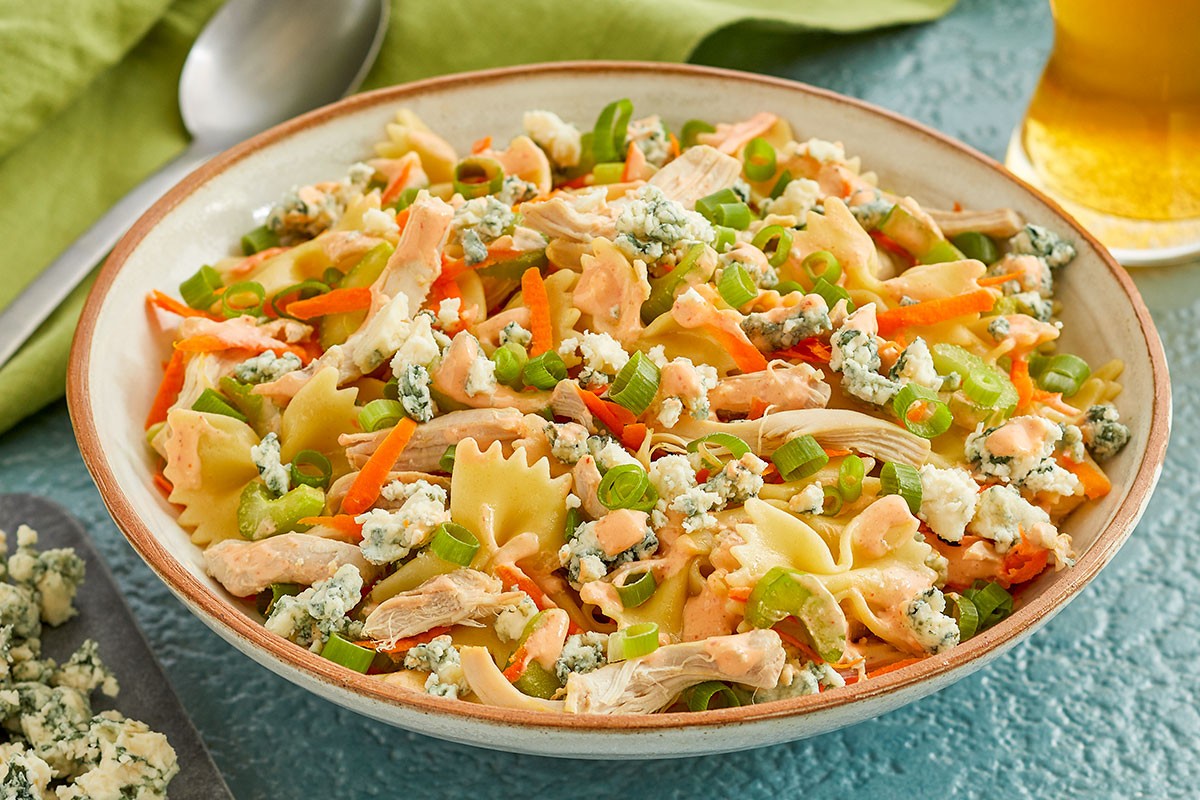
- Buffalo Chicken Pasta Salad Recipe35 Minutes
- Jibarito Recipe50 Minutes
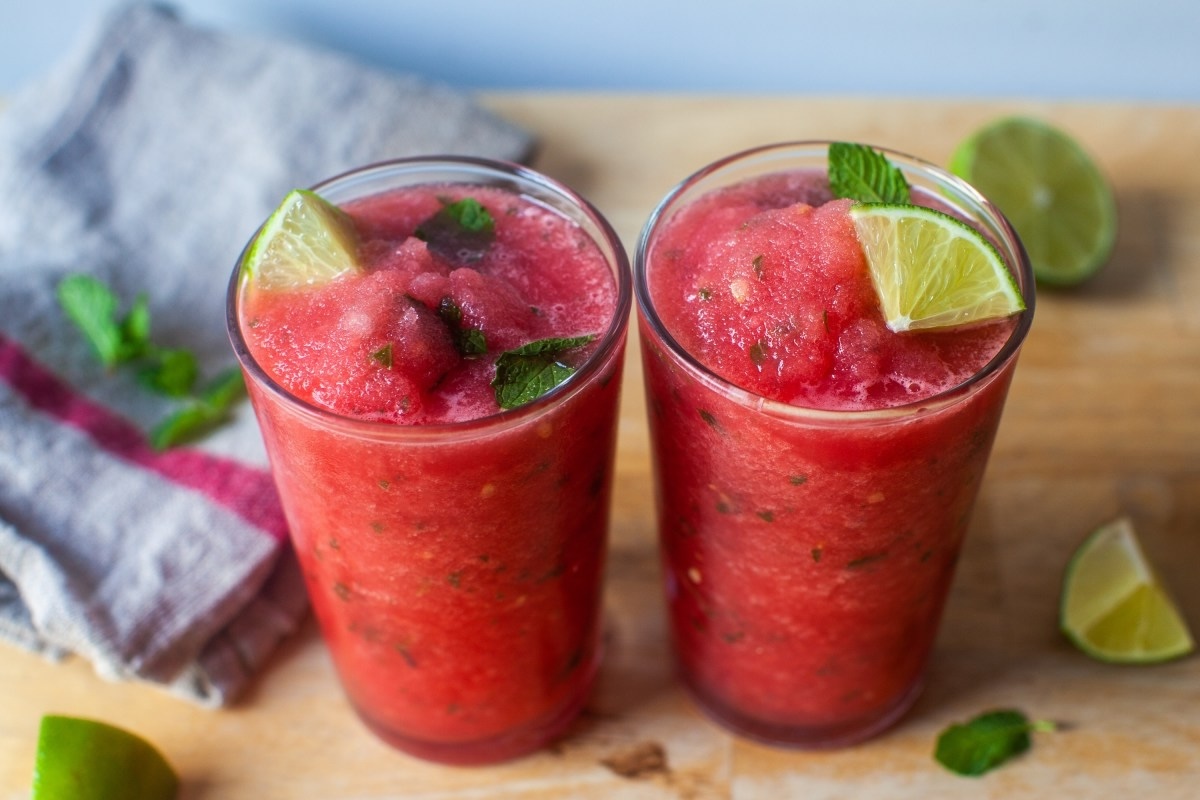
- Watermelon Cooler Slushy Recipe10 Minutes
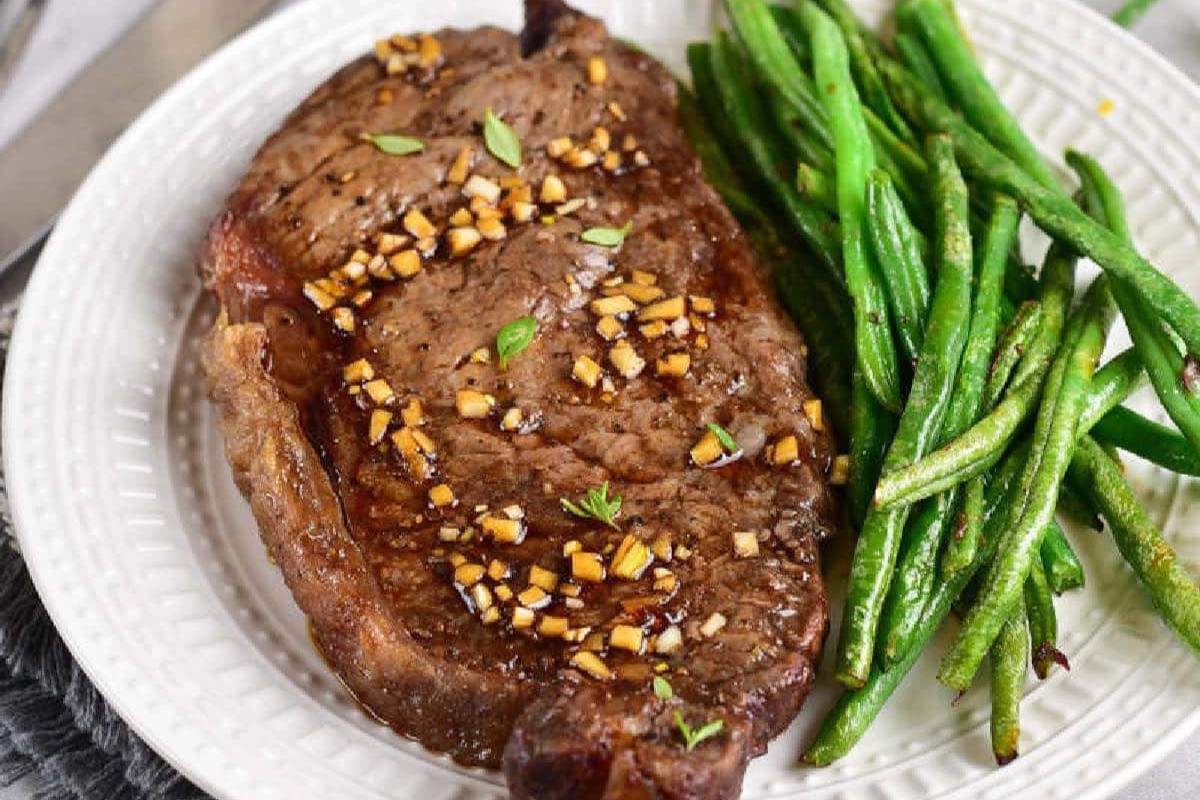
- Steak Marinade Recipe10 Minutes





Leave a Reply