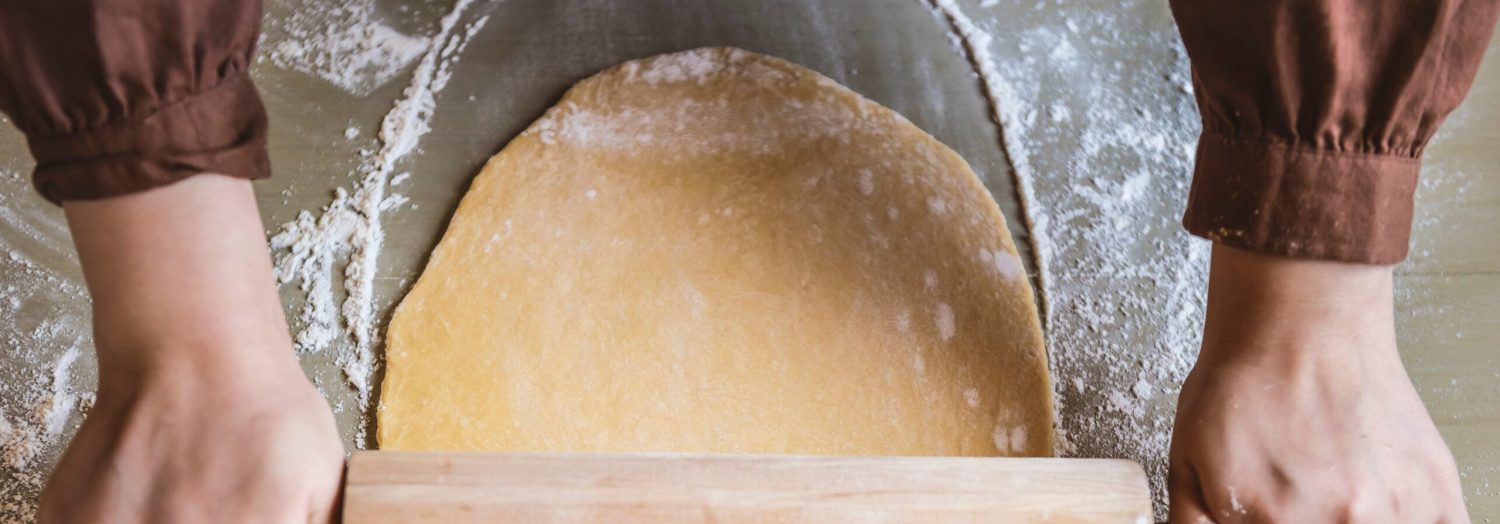

I’m really excited to share this phyllo dough recipe with you because making your own dough feels like a little kitchen adventure. It’s super satisfying to roll out those thin sheets and use them for all kinds of tasty treats. Keep reading, and you’ll see how simple it is to create something special from scratch!
Most of the ingredients in this recipe are probably already in your kitchen, like flour, salt, and olive oil. The one you might want to look for carefully is the vinegar, which helps make the dough tender and easy to work with. You can find it in the supermarket near the salad dressings or condiments section.

Phyllo Dough Recipe Ingredients
All-purpose flour: This is the main ingredient that gives the dough its structure and texture.
Salt: Adds flavor and balances the dough.
Water: Helps bring the dough together and makes it soft.
Olive oil: Adds moisture and a little richness to the dough.
Vinegar: Makes the dough easier to stretch and keeps it tender.
Technique Tip
One of the most important steps when making phyllo dough is kneading the dough until it’s smooth. Kneading might sound tricky, but it’s really about working the dough with your hands to make it stretchy and soft. Here’s how you can do it:
- Sprinkle some flour on a clean surface so the dough doesn’t stick.
- Place your dough ball on the floured surface.
- Use the heels of your hands to push the dough away from you, then fold it back over itself.
- Turn the dough a little and repeat pushing and folding.
- Keep going for about 10 minutes until the dough feels smooth and a bit springy.
Kneading helps the gluten in the flour develop, which makes the dough stretchy and easier to roll out into those super-thin sheets. If you don’t knead enough, the dough might tear when you try to roll it, and that can be frustrating.
When I first tried kneading, I didn’t use enough flour on my surface, and the dough stuck to my hands and the counter. It was a mess! Now, I always keep a little extra flour nearby to dust the surface and my hands. Also, if your dough feels too sticky, adding a tiny bit more flour while kneading helps a lot.
Once your dough is smooth and soft, rolling it out becomes much easier, and you’ll get those beautiful thin sheets that make phyllo so special. It’s a bit like magic when you see it stretch without tearing!
Suggested Side Dishes
Alternative Ingredients
all-purpose flour - Substitute with whole wheat flour: Whole wheat flour adds a slightly nutty flavor and more fiber, though it may make the dough a bit denser.
all-purpose flour - Substitute with gluten-free flour blend: For those with gluten intolerance, a gluten-free flour blend can be used, though the texture may vary slightly.
salt - Substitute with sea salt: Sea salt can be used for a slightly different mineral content and flavor profile.
room temperature water - Substitute with sparkling water: Sparkling water can add a bit of lightness to the dough, making it slightly more airy.
olive oil - Substitute with melted butter: Melted butter can provide a richer flavor and a more tender texture.
olive oil - Substitute with coconut oil: Coconut oil can add a subtle coconut flavor and works well in vegan recipes.
vinegar - Substitute with lemon juice: Lemon juice provides the necessary acidity and a fresh, citrusy flavor.
vinegar - Substitute with white wine vinegar: White wine vinegar offers a milder acidity and a slightly different flavor profile.
Other Alternative Recipes
How to Store or Freeze
- To store your freshly made phyllo dough, first ensure each sheet is separated by a layer of parchment paper. This prevents them from sticking together.
- Place the stacked sheets into a resealable plastic bag or wrap them tightly with plastic wrap. This will keep the dough from drying out.
- For short-term storage, keep the dough in the refrigerator. It will stay fresh for up to a week.
- If you plan to store the dough for a longer period, consider freezing it. Lay the parchment-separated sheets flat in a freezer-safe container or bag.
- When freezing, ensure you remove as much air as possible from the bag to prevent freezer burn.
- Label the container with the date to keep track of its freshness.
- To use frozen phyllo dough, transfer it to the refrigerator and let it thaw overnight. This gradual thawing helps maintain its delicate texture.
- Once thawed, let the dough come to room temperature before handling. This makes it more pliable and easier to work with.
- Always cover unused sheets with a damp kitchen towel while working to prevent them from drying out.
- If you notice any cracks or dryness, lightly brush the sheets with a bit of olive oil or melted butter to restore their flexibility.
How to Reheat Leftovers
Preheat your oven to 350°F (175°C). Place the leftover phyllo dough on a baking sheet. Cover it lightly with aluminum foil to prevent it from drying out. Bake for about 10-15 minutes until it is warmed through and slightly crispy.
If you have a microwave, place the phyllo dough on a microwave-safe plate. Cover it with a damp paper towel to keep it from drying out. Heat on medium power for 30-second intervals until it is warm. Be cautious as microwaving can make the dough soggy.
For a stovetop method, heat a non-stick skillet over medium heat. Place the phyllo dough in the skillet and cover it with a lid. Heat for about 2-3 minutes on each side until it is warmed through and slightly crispy.
If you have an air fryer, preheat it to 320°F (160°C). Place the phyllo dough in the air fryer basket in a single layer. Heat for about 3-5 minutes until it is warm and crispy.
For a toaster oven, preheat it to 350°F (175°C). Place the phyllo dough on a baking sheet and cover it lightly with aluminum foil. Heat for about 10 minutes until it is warmed through and slightly crispy.
Best Tools for This Recipe
Mixing bowl: A large bowl used to combine the flour and salt, and later to mix in the water, olive oil, and vinegar to form the dough.
Measuring cups: Used to accurately measure the flour and water.
Measuring spoons: Used to measure the salt, olive oil, and vinegar precisely.
Wooden spoon: Useful for mixing the ingredients together before kneading.
Floured surface: A clean, flat area dusted with flour to prevent the dough from sticking while kneading.
Rolling pin: Essential for rolling out each piece of dough into a thin sheet.
Plastic wrap: Can be used to cover the dough pieces if you need to store them in the fridge.
Sharp knife: Useful for dividing the dough into 10 equal pieces.
Kitchen scale: Optional, but helpful for ensuring each piece of dough is of equal weight.
Damp cloth: To cover the dough pieces and prevent them from drying out while you work.
How to Save Time on This Recipe
Prepare ingredients in advance: Measure and set out all ingredients before starting to save time during the cooking process.
Use a stand mixer: Instead of kneading by hand, use a stand mixer with a dough hook to mix and knead the dough more quickly.
Chill the dough: If you have time, let the dough rest in the fridge for 30 minutes before rolling; it will be easier to handle.
Roll multiple sheets at once: Stack and roll several pieces of dough together with parchment paper in between to save time.
Store properly: Keep extra phyllo sheets in the fridge or freezer to have them ready for future use.
Phyllo Dough Recipe
Ingredients
Main Ingredients
- 2 cups all-purpose flour
- 1 teaspoon salt
- ¾ cup water room temperature
- 2 tablespoon olive oil
- 1 teaspoon vinegar
Instructions
- In a mixing bowl, combine flour and salt.
- Add water, olive oil, and vinegar. Mix until a dough forms.
- Knead the dough on a floured surface for about 10 minutes until smooth.
- Divide the dough into 10 equal pieces. Roll each piece into a thin sheet.
- Use immediately or store in the fridge for up to a week.
Nutritional Value
Keywords
Suggested Main Courses and Desserts
More Amazing Recipes to Try 🙂
- Slow Cooker Chicken Recipe4 Hours 10 Minutes
- Banana Milkshake Recipe5 Minutes
- Baked Jalapeno Poppers Recipe35 Minutes
- Cranberry Pineapple Juice Recipe10 Minutes
- Carrot and Orange Juice Recipe10 Minutes
- Aebleskiver Recipe35 Minutes
- Vegan Coconut Curry with Pasta and Vegetables Recipe40 Minutes
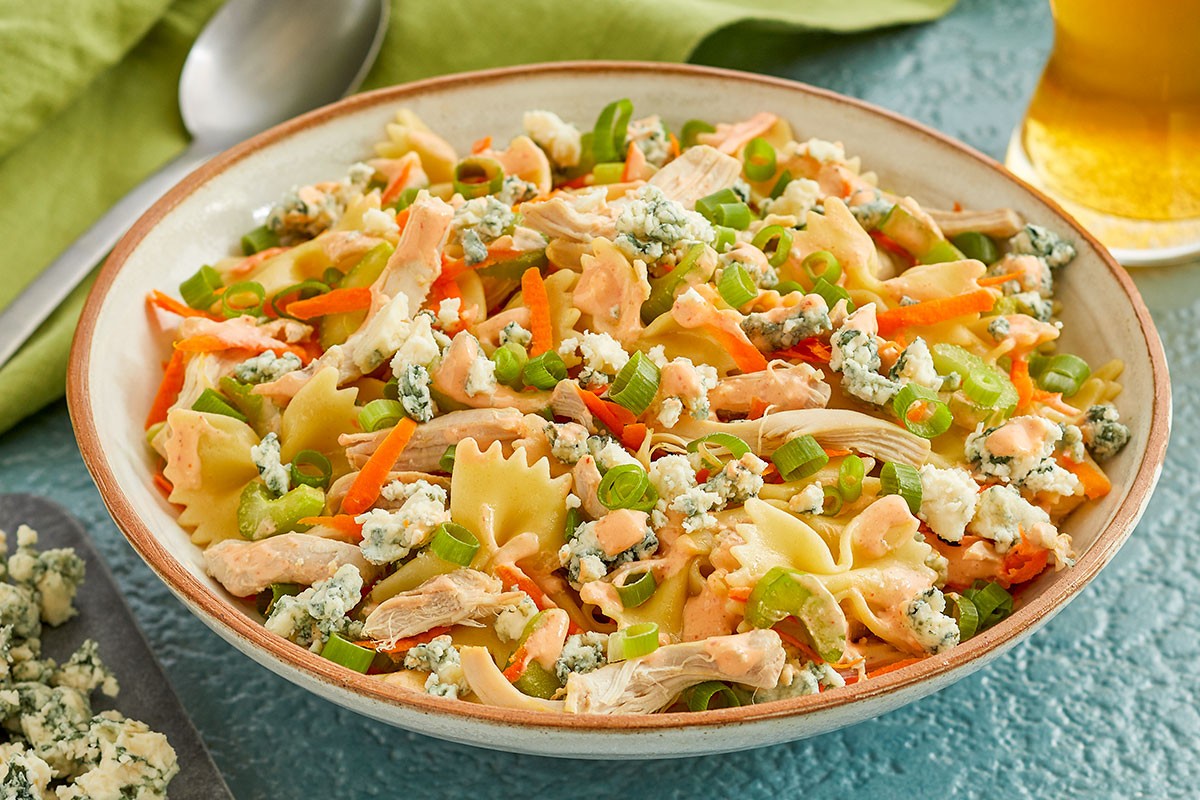
- Buffalo Chicken Pasta Salad Recipe35 Minutes




Leave a Reply