

I’m really excited to share this coconut curry chickpeas recipe with you because it’s one of my favorite cozy meals. It’s creamy, flavorful, and perfect for when you want something warm and comforting. I think you’ll love how simple it is to make and how tasty it turns out.
Most of the ingredients in this recipe are pretty common, but if you haven’t cooked with coconut milk or curry powder before, you might want to check the international or canned goods aisle at the supermarket. Coconut milk adds a rich creaminess, and curry powder brings a warm, spicy flavor that makes this dish special. Fresh ginger might also be new for some, but it’s worth picking up for that fresh zing.

Ingredients for Coconut Curry Chickpeas Recipe
Olive oil: A healthy oil used for cooking and adding flavor.
Onion: Adds sweetness and depth when cooked.
Garlic: Gives a strong, savory flavor.
Ginger: Adds a fresh, slightly spicy taste.
Curry powder: A mix of spices that gives the dish its signature flavor.
Coconut milk: Provides creaminess and a subtle sweetness.
Chickpeas: A protein-packed legume that makes the dish hearty.
Diced tomatoes: Adds acidity and brightness.
Salt: Enhances all the flavors.
Black pepper: Adds a mild heat and depth.
Spinach: Adds color, nutrients, and a fresh taste.
Technique Tip for This Recipe
One of the most important steps in this Coconut Curry Chickpeas Recipe is cooking the onion until it’s translucent. That means the onion looks soft and a little see-through, not brown or crispy. Here’s how you can do it easily:
- Heat your olive oil in a large pot over medium heat. Medium heat is just right—not too hot, so the onion doesn’t burn, and not too low, so it cooks well.
- Add the chopped onion to the pot and stir it around so it’s coated with the oil.
- Let it cook for about 5 minutes. You can stir it every minute or so to keep it from sticking or browning too fast.
- You’ll know it’s ready when the onion turns soft and a little see-through. It should smell sweet and mild, not sharp or raw.
Cooking the onion this way is a big deal because it builds the flavor base for the whole dish. When the onion is soft and translucent, it mixes better with the garlic, ginger, and curry powder, making the curry taste richer and smoother. If you skip this step or rush it, the onion might taste sharp or crunchy, and that can throw off the whole dish.
I remember the first time I made this recipe, I got impatient and turned the heat up too high. The onion started browning and smelled burnt, which wasn’t what I wanted. Now, I always keep the heat medium and watch the pot closely. It’s a small step, but it makes a big difference. Plus, if you’re in a hurry, chopping the onion into smaller pieces helps it cook faster without burning. Just don’t skip the slow cooking part—it’s worth the wait!
Suggested Side Dishes
Alternative Ingredients
olive oil - Substitute with coconut oil: Coconut oil complements the coconut milk and enhances the tropical flavor profile of the dish.
onion - Substitute with shallots: Shallots have a milder and sweeter taste, which can add a subtle depth of flavor.
garlic - Substitute with garlic powder: Garlic powder can be used in a pinch, though it lacks the fresh, pungent aroma of minced garlic.
ginger - Substitute with ground ginger: Ground ginger can be used if fresh ginger is unavailable, though it has a slightly different, more concentrated flavor.
curry powder - Substitute with garam masala: Garam masala offers a different spice blend that can add complexity and warmth to the dish.
coconut milk - Substitute with almond milk: Almond milk can be used for a lighter, less creamy texture, though it won't provide the same richness.
chickpeas - Substitute with cannellini beans: Cannellini beans have a similar texture and can absorb the flavors of the curry well.
diced tomatoes - Substitute with tomato sauce: Tomato sauce can provide a similar tomato flavor and consistency, though it may be slightly more liquid.
salt - Substitute with soy sauce: Soy sauce can add a salty and umami flavor, enhancing the overall taste of the dish.
black pepper - Substitute with white pepper: White pepper has a milder flavor and can be used to maintain the spice level without altering the color of the dish.
spinach - Substitute with kale: Kale can provide a similar leafy green texture and nutritional benefits, though it has a slightly more robust flavor.
Alternative Recipes Similar to This Dish
How To Store / Freeze This Dish
- Allow the coconut curry chickpeas to cool to room temperature before storing. This helps prevent condensation and keeps the dish fresh.
- Transfer the cooled curry into airtight containers. For easy portion control, consider using individual serving-sized containers.
- Store the containers in the refrigerator if you plan to consume the curry within 3-4 days. The flavors will meld and intensify, making it even more delicious.
- For longer storage, place the airtight containers in the freezer. The coconut milk and chickpeas freeze well, maintaining their texture and flavor.
- Label the containers with the date to keep track of freshness. Frozen curry can be stored for up to 2-3 months.
- When ready to eat, thaw the frozen curry in the refrigerator overnight. This gradual thawing helps retain the dish's quality.
- Reheat the curry on the stovetop over medium heat, stirring occasionally until heated through. Add a splash of coconut milk or water if the curry appears too thick.
- Alternatively, you can reheat individual portions in the microwave. Use a microwave-safe dish, cover it loosely, and heat in 1-minute intervals, stirring in between, until hot.
- If the spinach appears wilted or discolored after freezing, you can add fresh spinach during reheating for a vibrant touch.
- Serve the reheated curry with freshly cooked rice or naan to enjoy a comforting and flavorful meal.
How To Reheat Leftovers
Stovetop Method: Place the leftover coconut curry chickpeas in a saucepan. Add a splash of water or coconut milk to maintain the creamy consistency. Heat over medium-low, stirring occasionally until warmed through. This method helps retain the dish's original texture and flavor.
Microwave Method: Transfer the coconut curry chickpeas to a microwave-safe dish. Cover with a microwave-safe lid or plastic wrap, leaving a small vent. Heat on high for 2-3 minutes, stirring halfway through. If needed, add a bit of water or coconut milk to keep it from drying out.
Oven Method: Preheat your oven to 350°F (175°C). Place the coconut curry chickpeas in an oven-safe dish and cover with aluminum foil. Bake for about 15-20 minutes or until heated through. This method is great for reheating larger portions evenly.
Slow Cooker Method: If you have a bit more time, transfer the coconut curry chickpeas to a slow cooker. Set it on low for 1-2 hours, stirring occasionally. This method is perfect for keeping the dish warm for a longer period without overcooking.
Double Boiler Method: For a gentle reheating option, use a double boiler. Place the coconut curry chickpeas in the top part of the double boiler and simmer water in the bottom part. Stir occasionally until heated through. This method prevents the dish from sticking or burning.
Essential Tools for This Recipe
Large pot: Used for cooking the curry and ensuring even heat distribution.
Wooden spoon: Ideal for stirring the ingredients without scratching the pot.
Chef's knife: Essential for chopping the onion, garlic, ginger, and spinach.
Cutting board: Provides a safe surface for chopping all the vegetables and herbs.
Can opener: Necessary for opening the cans of coconut milk and chickpeas.
Measuring spoons: Used to measure out the olive oil, curry powder, salt, and black pepper accurately.
Measuring cup: Useful for measuring the diced tomatoes and spinach.
Garlic press: Optional tool for mincing garlic more efficiently.
Serving spoon: Used for serving the finished curry onto plates or bowls.
Rice cooker: Optional but helpful for cooking rice to serve with the curry.
Ladle: Useful for serving the curry, especially if it has a lot of liquid.
How to Save Time on This Recipe
Prep ingredients ahead: Chop the onion, garlic, and ginger in advance to save time during cooking.
Use canned goods: Opt for canned coconut milk, chickpeas, and diced tomatoes to cut down on prep time.
Batch cook: Make a larger batch and store portions in the fridge or freezer for quick meals later.
Pre-washed spinach: Buy pre-washed and chopped spinach to eliminate the need for washing and chopping.
One-pot cooking: Use a single large pot to minimize cleanup time.
Coconut Curry Chickpeas
Ingredients
Main Ingredients
- 1 tablespoon Olive Oil
- 1 Onion, chopped
- 2 cloves Garlic, minced
- 1 tablespoon Ginger, minced
- 1 tablespoon Curry Powder
- 1 can Coconut Milk
- 1 can Chickpeas, drained and rinsed
- 1 cup Diced Tomatoes
- 1 teaspoon Salt
- 1 teaspoon Black Pepper
- 1 cup Spinach, chopped
Instructions
- Heat the olive oil in a large pot over medium heat.
- Add the chopped onion and cook until translucent, about 5 minutes.
- Add the minced garlic and ginger, cook for another 2 minutes.
- Stir in the curry powder and cook for 1 minute.
- Add the coconut milk, chickpeas, diced tomatoes, salt, and black pepper. Bring to a simmer.
- Simmer for 10-15 minutes, stirring occasionally.
- Stir in the chopped spinach and cook until wilted, about 2 minutes.
- Serve hot with rice or naan.
Nutritional Value
Keywords
Suggested Appetizers and Desserts for This Dish
More Amazing Recipes to Try 🙂
- Air Fryer Whole Chicken Recipe1 Hours 10 Minutes
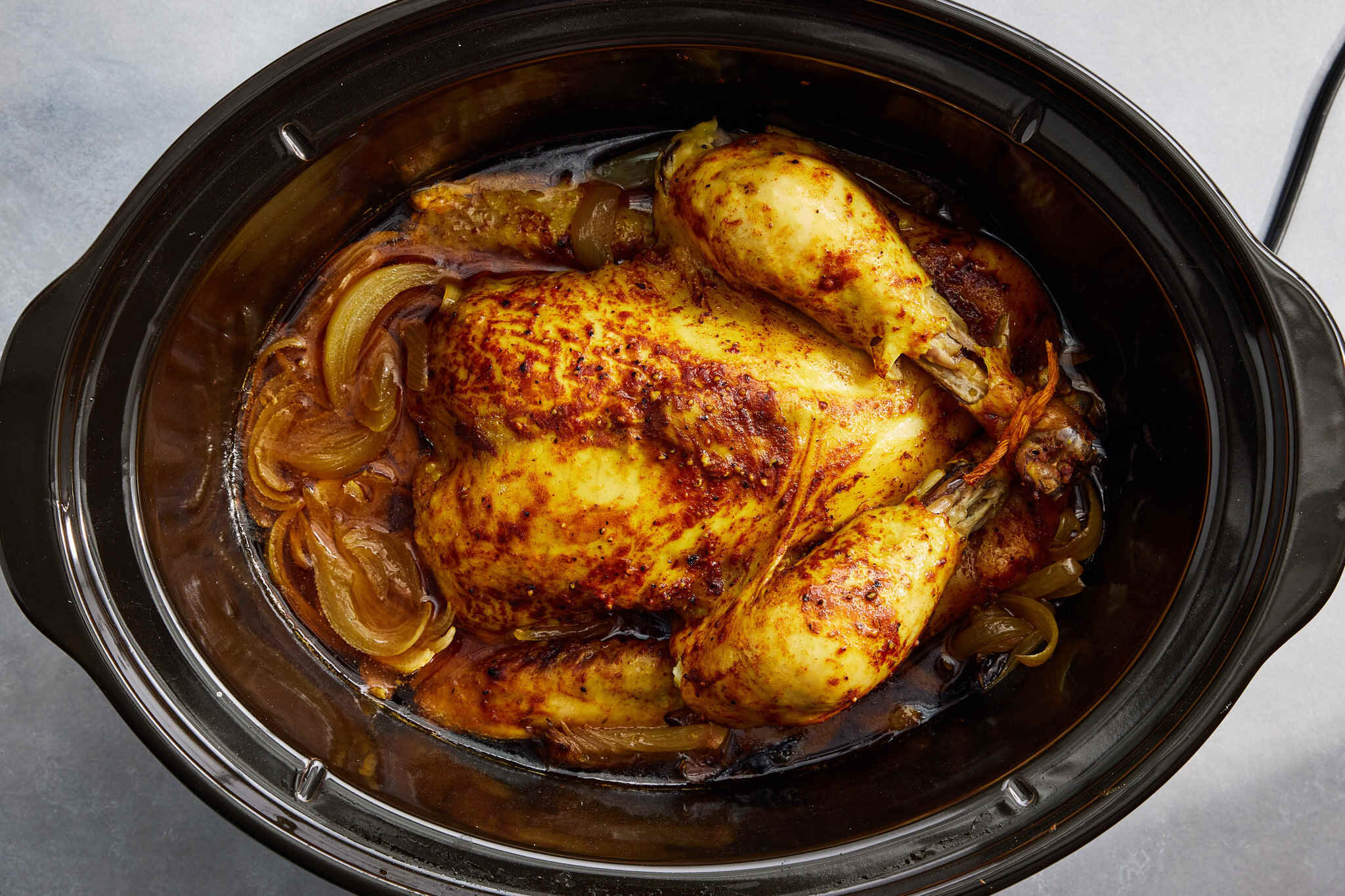
- Slow Cooker Chicken Recipe4 Hours 10 Minutes
- Banana Milkshake Recipe5 Minutes
- Baked Jalapeno Poppers Recipe35 Minutes
- Cranberry Pineapple Juice Recipe10 Minutes
- Carrot and Orange Juice Recipe10 Minutes
- Aebleskiver Recipe35 Minutes
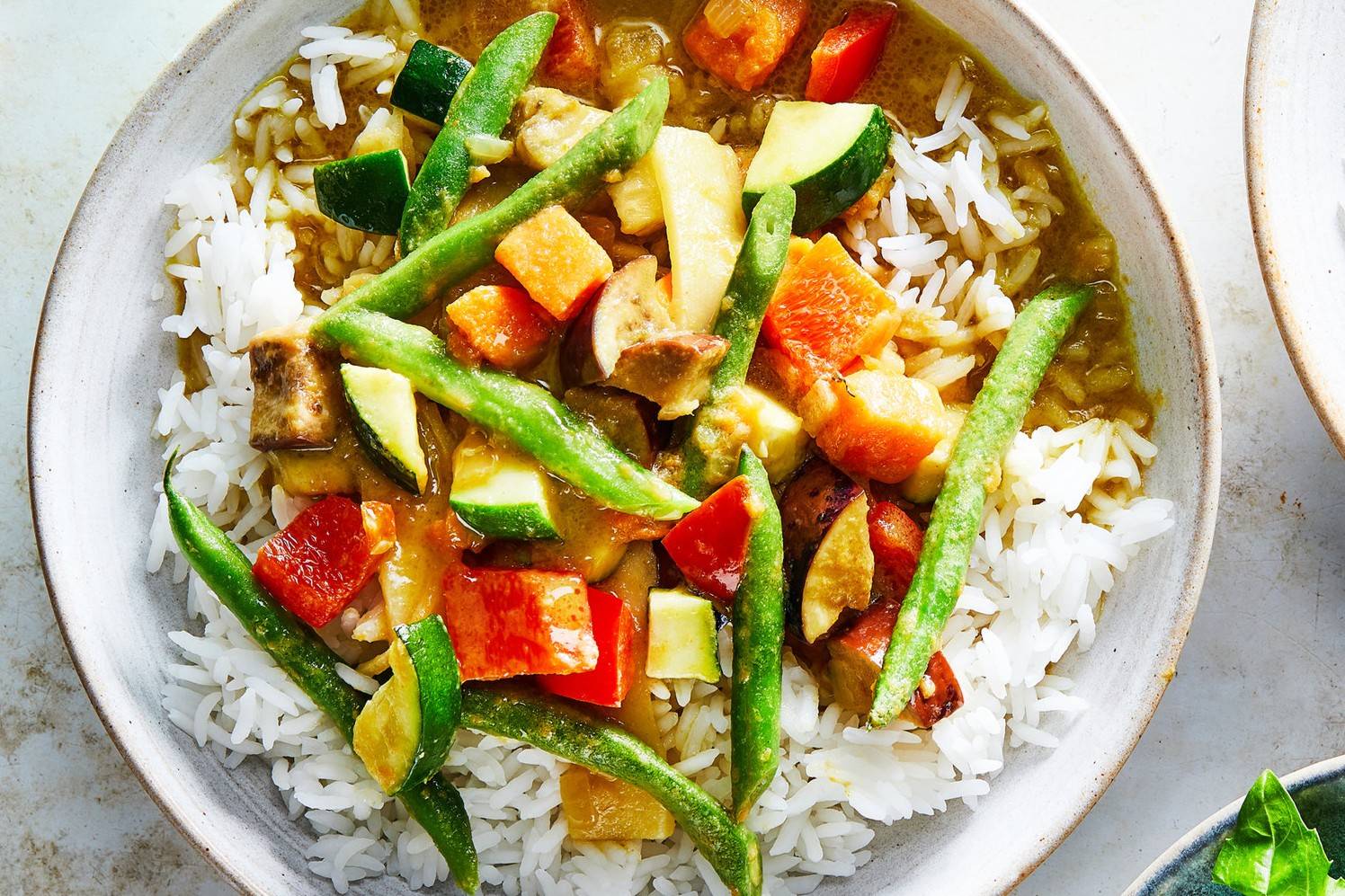
- Vegan Coconut Curry with Pasta and Vegetables Recipe40 Minutes









Leave a Reply