
I’m really excited to share this mascarpone cheese recipe with you because it’s surprisingly simple and tastes so fresh. Making your own mascarpone at home feels special, and it’s perfect for adding a creamy touch to desserts or even savory dishes. Keep reading, and you’ll see how easy it is to create this delicious ingredient from just two things!
If you don’t usually keep heavy cream or fresh lemon juice in your kitchen, these are the only two ingredients you’ll need to pick up. When you go to the supermarket, look for high-quality heavy cream with a high fat content because that makes the mascarpone rich and smooth. Freshly squeezed lemon juice works best here, so grab a lemon or two instead of bottled juice for the best flavor.
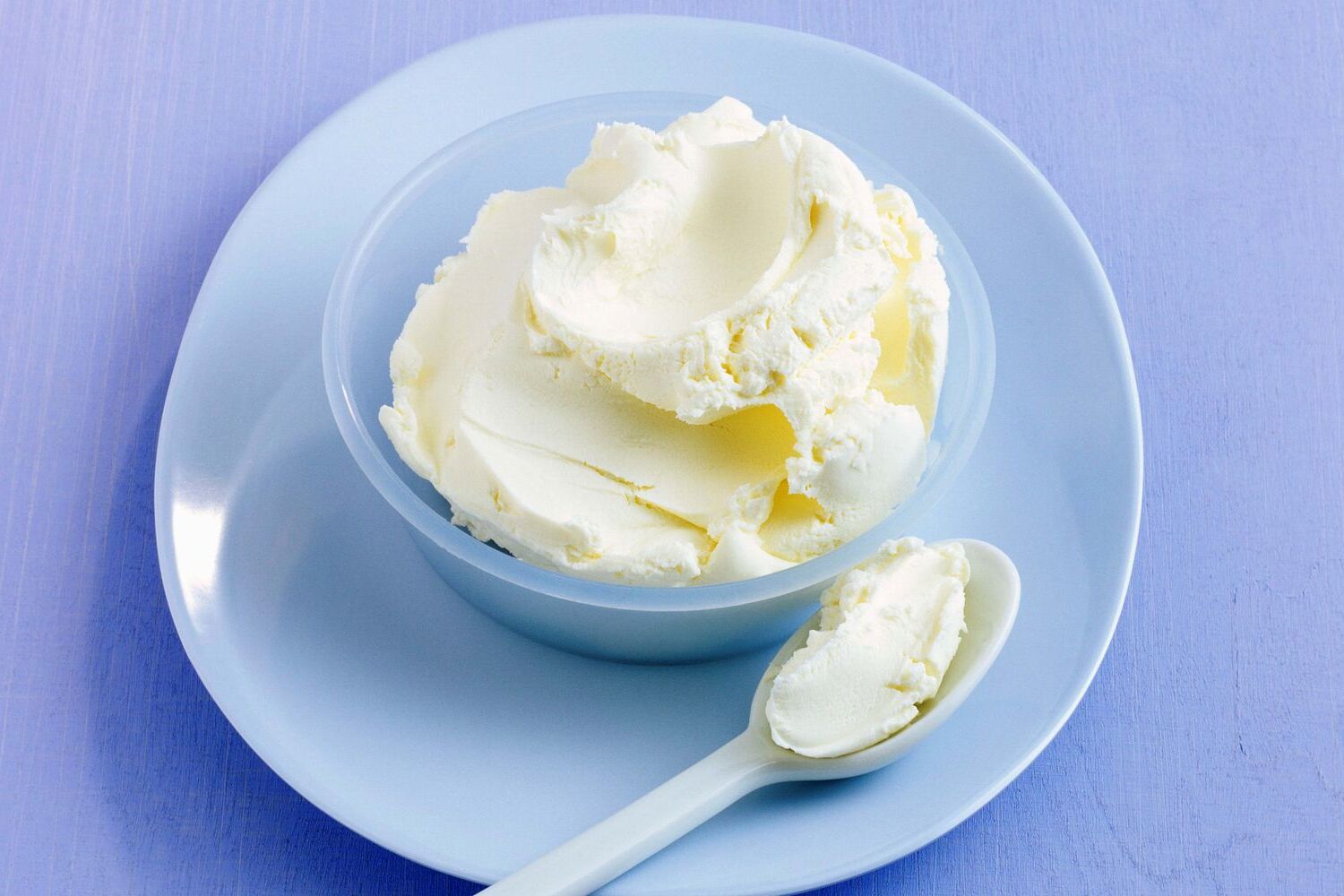
Ingredients For Mascarpone Cheese Recipe
HEAVY CREAM: This is the main ingredient that turns into mascarpone. Choose a high-quality cream with a high fat content for the best texture and flavor.
LEMON JUICE: Freshly squeezed lemon juice helps the cream thicken and develop that classic mascarpone tang. It’s better to use fresh lemons rather than bottled juice.
Technique Tip for Making Mascarpone Cheese
One of the most important steps in making mascarpone cheese is heating the heavy cream just right. You want to warm it slowly in a double boiler until it reaches about 190°F (88°C). Here’s how you can do that without burning or curdling the cream:
- Set up your double boiler by filling the bottom pot with a couple of inches of water. Make sure the water doesn’t touch the top pot or bowl where the cream will go.
- Put the heavy cream in the top pot and place it over medium heat.
- Stir the cream gently but constantly. This helps the heat spread evenly and stops the cream from sticking to the pot or forming lumps.
- Use a kitchen thermometer to check the temperature. When it hits 190°F (88°C), you’re right on track.
Heating the cream slowly and stirring all the time makes the texture smooth and creamy, which is exactly what you want for mascarpone. If the cream gets too hot too fast, it can separate or burn, and that ruins the whole batch. Taking your time here means your cheese will be silky and perfect.
I remember the first time I tried this, I got impatient and turned the heat up too high. The cream started to bubble and looked grainy, which was disappointing. After that, I learned to trust the slow and steady way. Now, I even like to stir with a wooden spoon because it feels gentler on the cream. It’s a small thing, but it helps me stay patient and focused on getting the temperature just right.
So, next time you make mascarpone cheese, keep your eye on the thermometer and stir like you mean it. It’s the secret to creamy, dreamy cheese that’s worth the wait!
Suggested Side Dishes
Alternative Ingredients
high-quality cream heavy cream - Substitute with full-fat coconut milk: Full-fat coconut milk provides a similar creamy texture and richness, making it a good non-dairy alternative.
high-quality cream heavy cream - Substitute with cream cheese: Cream cheese can mimic the thickness and creamy consistency of heavy cream, though it may alter the flavor slightly.
freshly squeezed lemon juice - Substitute with white vinegar: White vinegar can provide the necessary acidity to thicken the cream, similar to lemon juice.
freshly squeezed lemon juice - Substitute with citric acid solution: A diluted citric acid solution can also create the acidic environment needed to thicken the cream, similar to lemon juice.
Alternative Recipes Similar to Mascarpone Cheese
How to Store or Freeze This Recipe
- Store the freshly made mascarpone cheese in an airtight container to maintain its creamy texture and prevent it from absorbing other odors in the fridge.
- Keep the container in the coldest part of your refrigerator, ideally at a temperature between 34°F and 38°F (1°C to 3°C), to ensure it stays fresh for up to a week.
- If you notice any separation of liquid, simply stir the mascarpone gently to reincorporate it before using.
- For longer storage, you can freeze mascarpone cheese, but be aware that freezing may slightly alter its texture, making it less smooth and creamy.
- To freeze, transfer the mascarpone into a freezer-safe container, leaving some space at the top for expansion.
- Label the container with the date and freeze for up to 2 months.
- When ready to use, thaw the mascarpone in the refrigerator overnight. Avoid thawing at room temperature to prevent bacterial growth.
- After thawing, if the texture appears grainy, you can whip it gently to restore some of its original creaminess.
- Use thawed mascarpone cheese in cooked dishes like soups or desserts where texture changes are less noticeable.
- Always check for any off smells or discoloration before using stored or thawed mascarpone to ensure it is still good to eat.
How to Reheat Leftovers
- Gently heat the mascarpone cheese in a double boiler over low heat. Stir occasionally to ensure even warming without curdling.
- For a quicker method, place the mascarpone cheese in a microwave-safe bowl. Microwave on low power in 15-second intervals, stirring between each interval until warmed through.
- If using the mascarpone cheese in a dessert or sauce, incorporate it directly into the dish while cooking. This allows it to blend smoothly without needing separate reheating.
- To maintain its creamy texture, avoid overheating. Aim for a gentle warmth rather than a high temperature.
- If the mascarpone cheese has thickened too much in the fridge, add a splash of heavy cream while reheating to restore its smooth consistency.
Best Tools for Making Mascarpone Cheese
Double boiler: A double boiler is essential for gently heating the cream without scorching it, ensuring even heat distribution.
Thermometer: A thermometer is crucial to monitor the cream's temperature and ensure it reaches the precise 190°F (88°C) needed for the recipe.
Wooden spoon: A wooden spoon is ideal for stirring the cream gently to prevent it from sticking to the bottom of the double boiler.
Cheesecloth: Cheesecloth is used to line the strainer and helps in draining the whey from the mascarpone, resulting in a smooth texture.
Strainer: A strainer is used to separate the curds from the whey, allowing the mascarpone to drain properly.
Mixing bowl: A mixing bowl is placed under the strainer to catch the whey as it drains from the mascarpone.
Container: A container is needed to store the mascarpone in the refrigerator, allowing it to set and develop its creamy texture.
How to Save Time on This Recipe
Use a thermometer: Using a thermometer ensures you reach the correct temperature quickly without constant checking.
Pre-measure ingredients: Have your heavy cream and lemon juice ready to go before you start.
Double boiler setup: Set up your double boiler in advance to save time during the heating process.
Cheesecloth prep: Line your strainer with cheesecloth before you begin, so it's ready when you need it.
Cool quickly: Place the mixture in a shallow dish to cool faster before straining.
Mascarpone Cheese Recipe
Ingredients
Main Ingredients
- 2 cups Heavy cream Use high-quality cream
- 1 tablespoon Lemon juice Freshly squeezed
Instructions
- 1. Heat the heavy cream in a double boiler over medium heat.
- 2. Stir constantly until the cream reaches 190°F (88°C).
- 3. Add the lemon juice and continue to heat for another 5 minutes, stirring gently.
- 4. Remove from heat and let cool for 20 minutes.
- 5. Pour the mixture into a cheesecloth-lined strainer and let it drain for 1-2 hours.
- 6. Transfer the mascarpone to a container and refrigerate for at least 12 hours before using.
Nutritional Value
Keywords
Suggested Main Courses and Desserts
More Amazing Recipes to Try 🙂
- Buffalo Chicken Wing Sauce Recipe15 Minutes
- Pineapple Martini Recipe5 Minutes
- Cucumber Pasta Salad Recipe25 Minutes
- Sausage Egg Muffins Recipe30 Minutes
- Authentic Mexican Hot Sauce Recipe30 Minutes
- Tortas Recipe25 Minutes
- Jack Daniels Sauce Recipe40 Minutes
- Pan-Fried Asparagus Recipe15 Minutes





Leave a Reply