
I love how this miso salmon bowl brings together simple flavors that feel special without a lot of fuss. It’s one of those meals that’s comforting and fresh at the same time, perfect for any day when you want something tasty and colorful. I can’t wait for you to try it and see how easy it is to make a healthy dinner that looks as good as it tastes.
Some ingredients like miso paste and edamame might not be in your kitchen right now. Miso paste is a fermented soybean paste that adds a rich, savory flavor, and you can usually find it in the refrigerated section of Asian markets or larger supermarkets. Edamame are young soybeans, often sold frozen, and they add a nice pop of protein and texture to the bowl. If you don’t have these, check the frozen foods or international aisle when you shop.
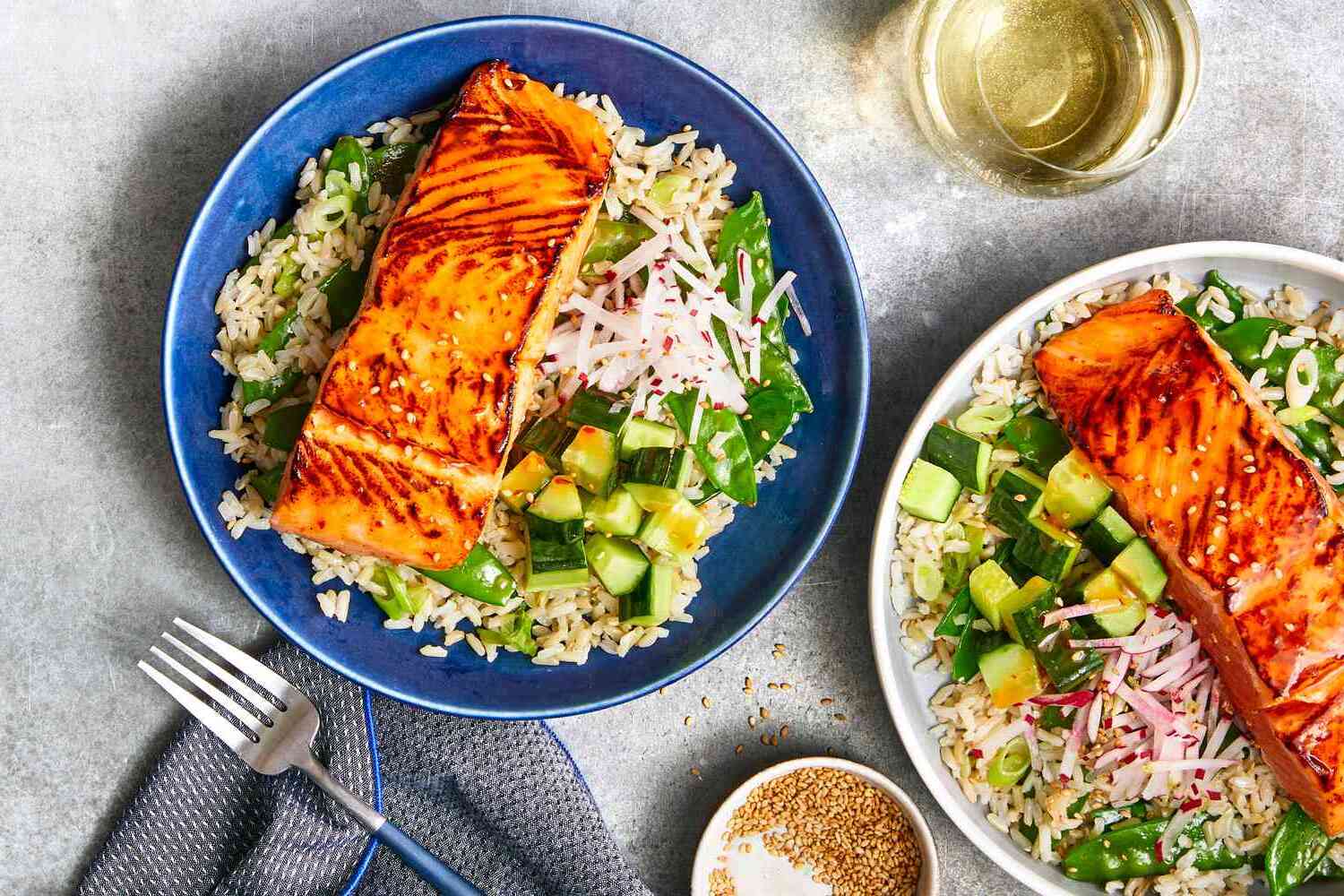
Ingredients For Miso Salmon Bowls Recipe
Salmon fillets: The main protein, tender and mild-flavored fish that cooks quickly and pairs well with the miso glaze.
Miso paste: A fermented soybean paste that gives the dish its signature savory and slightly sweet flavor.
Soy sauce: Adds saltiness and depth to the marinade.
Rice vinegar: Provides a mild tang that balances the sweetness and saltiness.
Honey: Sweetens the marinade naturally and helps the salmon caramelize.
Garlic: Fresh minced garlic adds a punch of flavor.
Ginger: Grated ginger brings a warm, spicy note.
Cooked rice: The base of the bowl, soft and filling.
Cucumber: Adds crunch and freshness.
Carrots: Shredded carrots give a sweet, crisp texture.
Edamame: Shelled young soybeans that add protein and a pop of color.
Green onions: Sliced for a mild onion flavor and garnish.
Sesame seeds: Toasted seeds add a nutty crunch to finish the bowl.
Technique Tip for This Recipe
One of the most important steps in this Miso Salmon Bowls Recipe is mixing the miso paste with the other ingredients to make a smooth sauce. Here’s a simple way to do it without any lumps or mess:
- Start by putting the miso paste in a bowl. It’s thick, so give it a little stir with a spoon or whisk to loosen it up.
- Add the soy sauce, rice vinegar, and honey next. These liquids help thin out the miso and make it easier to mix.
- Use a whisk or fork to gently mix everything together. Move your whisk in small circles, scraping the sides of the bowl so nothing sticks.
- When the sauce looks smooth and shiny, stir in the minced garlic and grated ginger. These add fresh flavor and a little zing.
Doing this step carefully makes the sauce taste better because the flavors blend evenly. If you don’t mix well, you might get clumps of miso paste that don’t spread nicely on the salmon fillets. Plus, a smooth sauce is easier to brush on, so every bite is full of that yummy miso flavor.
I remember the first time I made this, I just dumped everything in and stirred quickly. The sauce was lumpy, and it didn’t stick well to the salmon. After that, I learned to take a little extra time mixing, and it made a big difference. Also, if you don’t have a whisk, a fork works just fine—it’s all about getting the ingredients to come together smoothly. This little trick helps the whole dish come together perfectly!
Suggested Side Dishes
Alternative Ingredients
salmon - Substitute with trout: Trout has a similar texture and flavor profile to salmon, making it a good alternative.
miso paste - Substitute with soybean paste: Soybean paste can mimic the umami flavor of miso, though it may be slightly less sweet.
soy sauce - Substitute with tamari: Tamari is a gluten-free alternative that offers a similar salty and umami flavor.
rice vinegar - Substitute with apple cider vinegar: Apple cider vinegar has a similar acidity and can provide a comparable tanginess.
honey - Substitute with maple syrup: Maple syrup offers a similar sweetness and can be used in the same quantity.
garlic - Substitute with shallots: Shallots provide a milder but still aromatic flavor that can complement the dish.
ginger - Substitute with galangal: Galangal has a similar spicy and aromatic profile, though it is slightly more citrusy.
rice - Substitute with quinoa: Quinoa is a high-protein alternative that offers a similar texture when cooked.
cucumber - Substitute with zucchini: Zucchini has a similar crunch and mild flavor, making it a good substitute.
carrots - Substitute with bell peppers: Bell peppers provide a different but complementary crunch and sweetness.
edamame - Substitute with green peas: Green peas offer a similar texture and a slightly sweet flavor.
green onions - Substitute with chives: Chives provide a similar mild onion flavor and can be used in the same quantity.
sesame seeds - Substitute with chia seeds: Chia seeds offer a similar crunch and nutritional benefits.
Other Alternative Recipes
How To Store / Freeze This Dish
Allow the salmon fillets to cool completely before storing. This prevents condensation, which can make the fish soggy.
Store the cooked rice separately from the other ingredients to maintain its texture. Use airtight containers to keep it fresh.
Place the baked salmon in a shallow, airtight container. If stacking fillets, separate them with parchment paper to avoid sticking.
For the vegetables like sliced cucumber, shredded carrots, and cooked edamame, store them in separate containers to maintain their crunch and freshness.
Keep the miso mixture in a small, airtight container if you have any leftover. It can be used as a dressing or marinade for other dishes.
When ready to assemble the bowls, reheat the cooked rice and baked salmon in the microwave or oven. Add the fresh vegetables and garnish with sliced green onions and sesame seeds just before serving.
To freeze, wrap each salmon fillet individually in plastic wrap, then place them in a freezer-safe bag. This prevents freezer burn and keeps the fish fresh.
Freeze the cooked rice in portion-sized containers or freezer bags. Flatten the bags for easier storage and quicker thawing.
Avoid freezing the vegetables as they may lose their texture and become mushy upon thawing.
Label all containers with the date to keep track of freshness.
When ready to use, thaw the salmon fillets and cooked rice in the refrigerator overnight. Reheat and assemble as usual, adding fresh vegetables and garnishes.
How To Reheat Leftovers
For the best results, reheat the salmon separately from the rice and vegetables to maintain texture and flavor.
Oven Method:
- Preheat your oven to 275°F (135°C).
- Place the salmon on a baking sheet lined with foil.
- Cover the salmon with another piece of foil to prevent it from drying out.
- Heat for about 15 minutes or until the salmon is warmed through.
- Meanwhile, reheat the rice and vegetables in the microwave or on the stovetop.
Microwave Method:
- Place the salmon on a microwave-safe plate.
- Cover with a damp paper towel to keep it moist.
- Microwave on medium power for 1-2 minutes, checking halfway through to avoid overcooking.
- Reheat the rice and vegetables separately in the microwave, using a microwave-safe bowl and covering with a damp paper towel.
Stovetop Method:
- Heat a non-stick skillet over medium-low heat.
- Add a small amount of olive oil or butter to the skillet.
- Place the salmon in the skillet and cover with a lid.
- Heat for about 5-7 minutes, flipping halfway through, until the salmon is warmed through.
- Reheat the rice and vegetables in a separate skillet or saucepan over low heat, stirring occasionally.
Steam Method:
- Fill a pot with a small amount of water and bring to a simmer.
- Place the salmon in a steamer basket over the simmering water.
- Cover and steam for about 5-7 minutes, until the salmon is heated through.
- Reheat the rice and vegetables by placing them in a heatproof bowl and steaming them for a few minutes.
Best Tools for This Recipe
Oven: Used to bake the salmon fillets at 400°F (200°C) until they are cooked through.
Mixing bowl: Used to whisk together the miso paste, soy sauce, rice vinegar, honey, garlic, and ginger.
Whisk: Used to mix the miso paste, soy sauce, rice vinegar, honey, garlic, and ginger thoroughly.
Baking sheet: Used to place the salmon fillets on for baking.
Brush: Used to apply the miso mixture onto the salmon fillets.
Knife: Used to mince the garlic and slice the cucumber.
Cutting board: Used as a surface for slicing the cucumber and mincing the garlic.
Grater: Used to grate the ginger.
Measuring spoons: Used to measure out the miso paste, soy sauce, rice vinegar, honey, and other ingredients.
Rice cooker: Used to cook the rice.
Serving bowls: Used to divide the cooked rice and assemble the final dish with salmon, vegetables, and toppings.
Spatula: Used to handle the salmon fillets and serve them onto the bowls.
How to Save Time on This Recipe
Prepare ingredients in advance: Chop cucumber, shred carrots, and cook edamame ahead of time to streamline assembly.
Marinate the salmon: Let the salmon sit in the miso mixture for 15-30 minutes before baking to enhance flavor and save time during cooking.
Use pre-cooked rice: Opt for pre-cooked rice or microwaveable rice packets to cut down on cooking time.
Batch cooking: Make extra salmon and vegetables to use in other meals throughout the week.
Organize your workspace: Arrange all ingredients and tools before starting to keep the process smooth and efficient.
Miso Salmon Bowls Recipe
Ingredients
Main Ingredients
- 4 fillets Salmon skinless
- 3 tablespoon Miso paste
- 2 tablespoon Soy sauce
- 1 tablespoon Rice vinegar
- 1 tablespoon Honey
- 2 cloves Garlic minced
- 1 teaspoon Ginger grated
- 2 cups Cooked rice
- 1 cup Cucumber sliced
- 1 cup Carrots shredded
- 1 cup Edamame cooked
- 2 tablespoon Green onions sliced
- 1 tablespoon Sesame seeds
Instructions
- Preheat oven to 400°F (200°C).
- In a mixing bowl, whisk together miso paste, soy sauce, rice vinegar, honey, garlic, and ginger.
- Place salmon fillets on a baking sheet and brush with the miso mixture.
- Bake for 15-20 minutes, until salmon is cooked through.
- Divide cooked rice among bowls. Top with baked salmon, cucumber, carrots, edamame, green onions, and sesame seeds.
Nutritional Value
Keywords
Suggested Appetizers and Desserts
More Amazing Recipes to Try 🙂
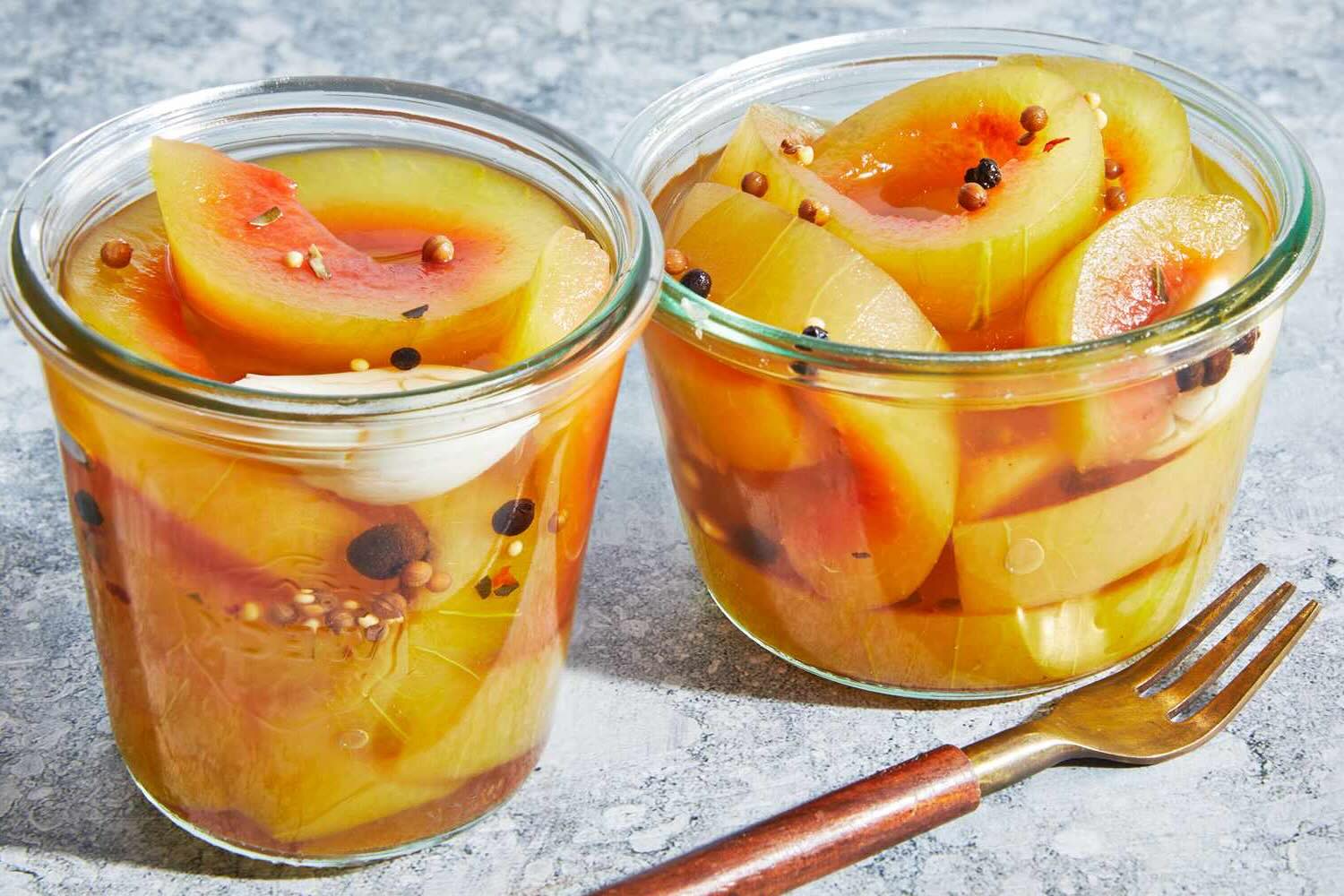
- Pickled Watermelon Rinds Recipe30 Minutes
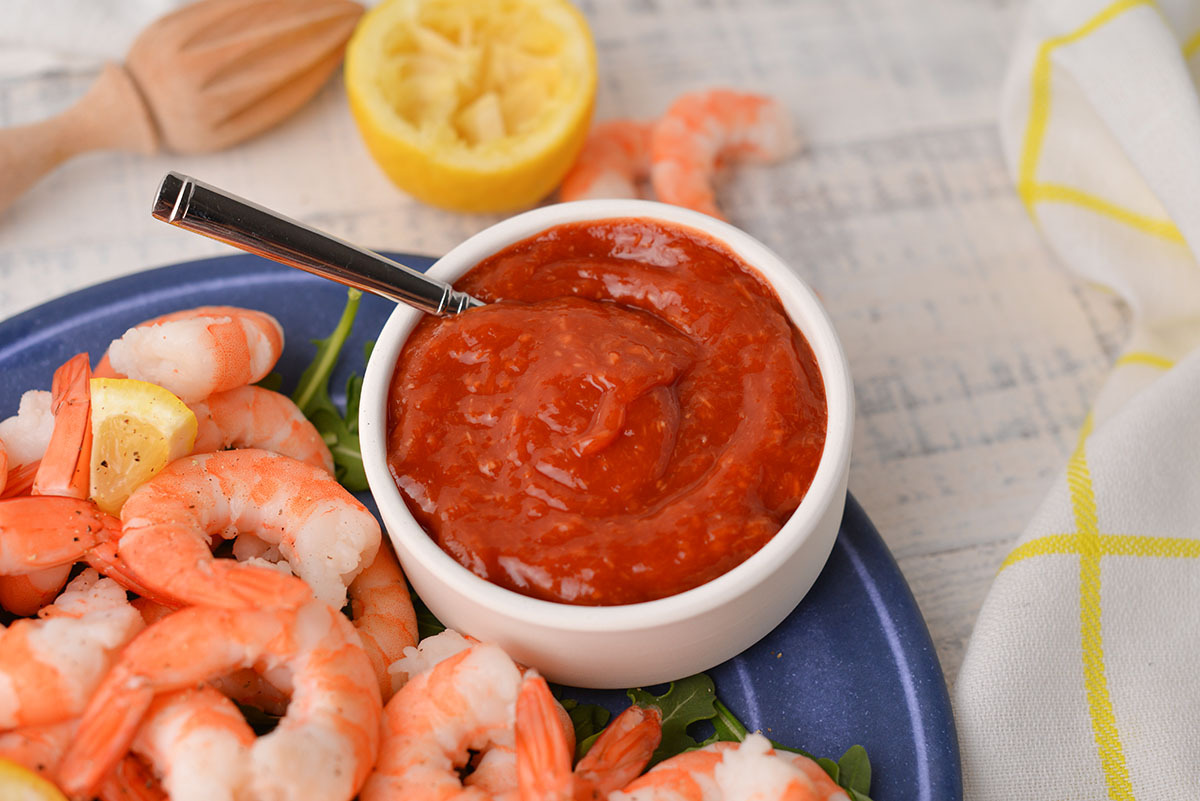
- Cocktail Sauce Recipe5 Minutes
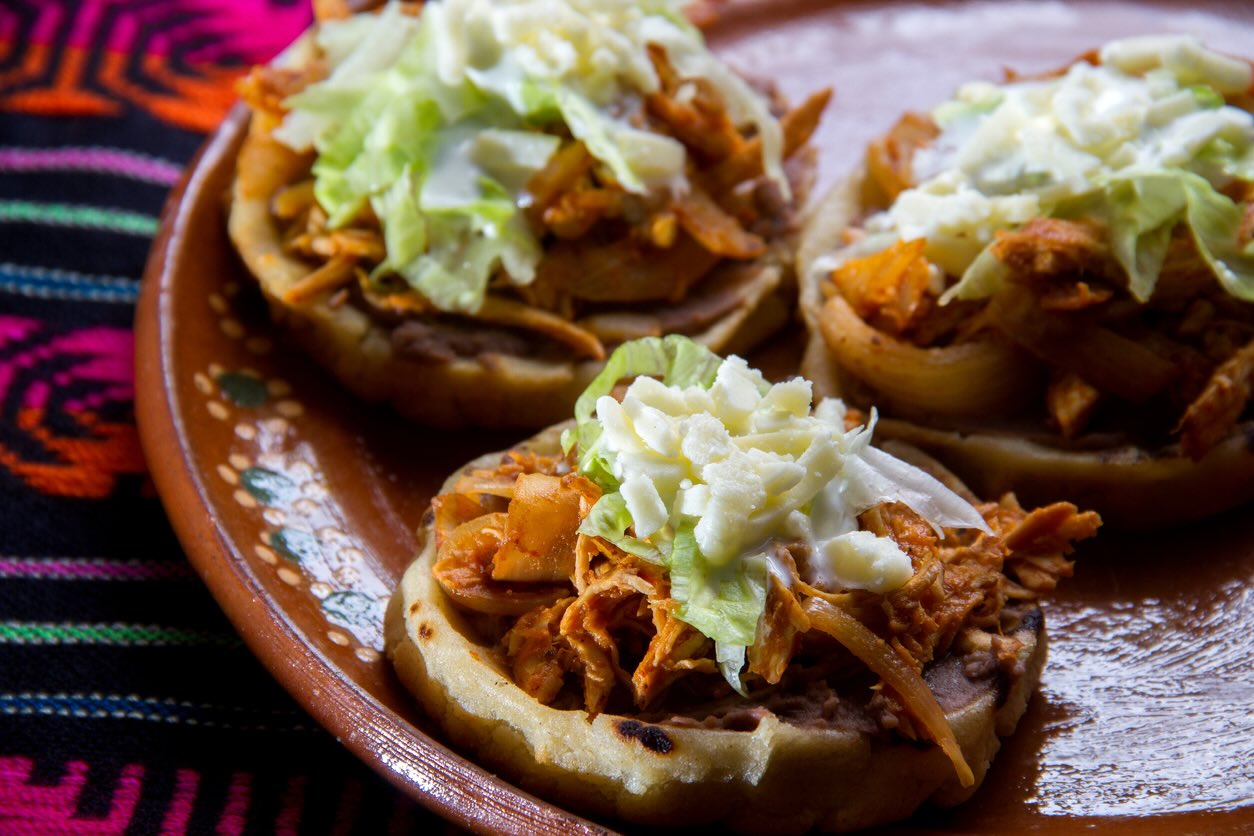
- Mexican Sopes Recipe40 Minutes
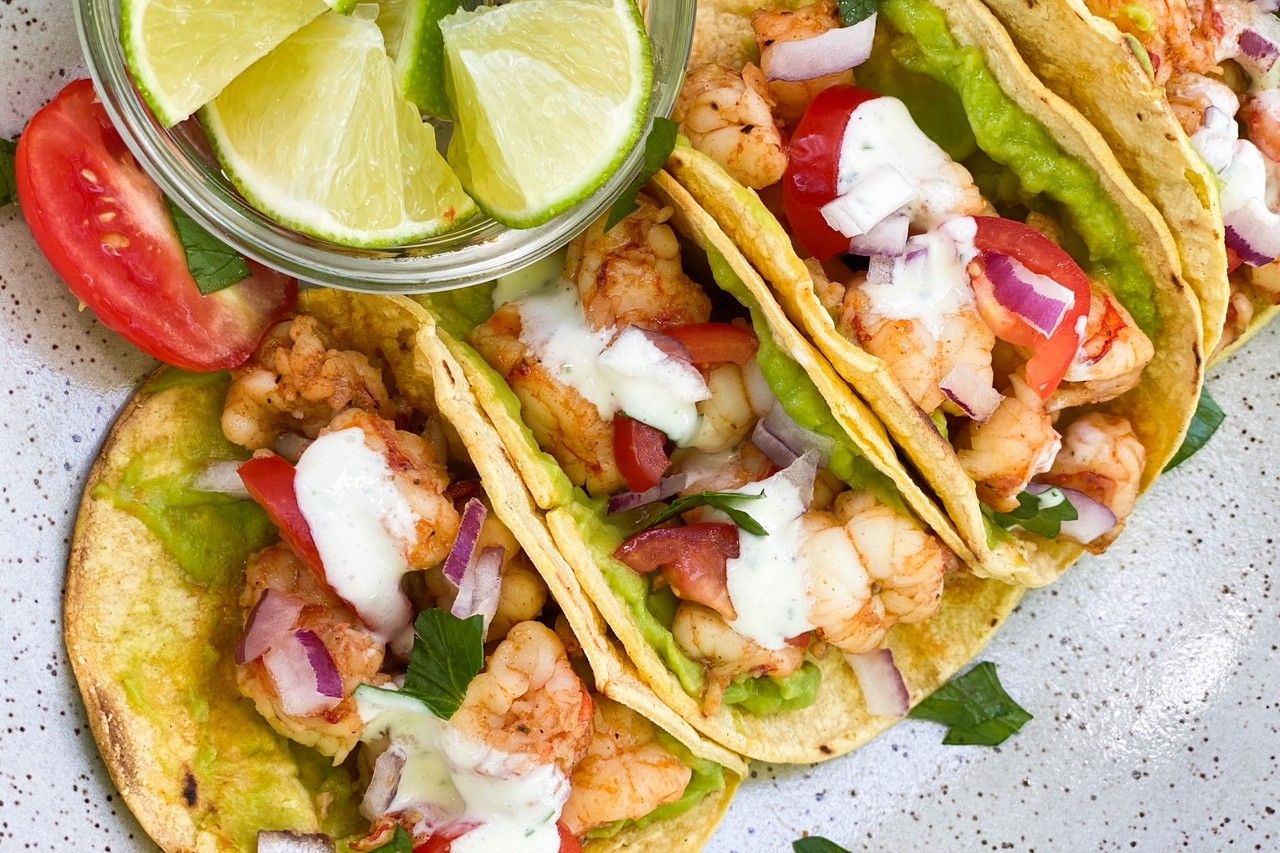
- Traditional Mexican Street Tacos Recipe30 Minutes
- Eggless French Toast Recipe20 Minutes
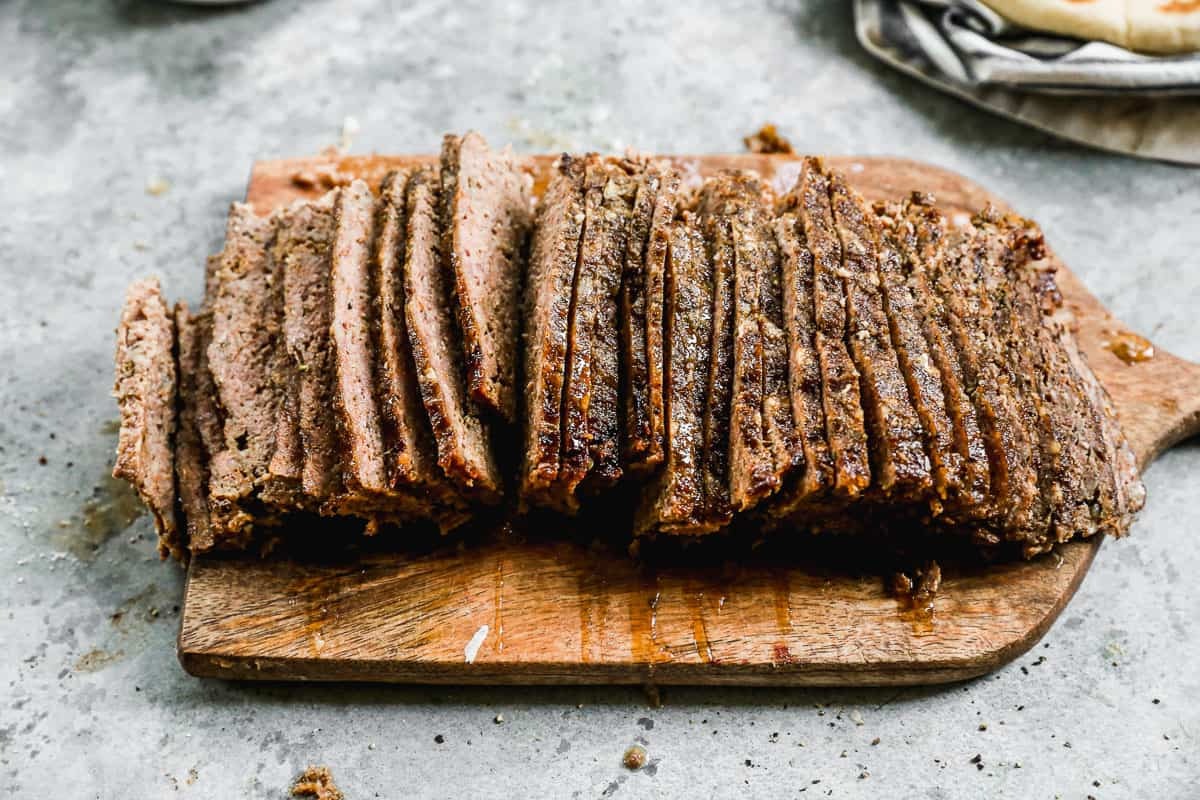
- Traditional Gyro Meat Recipe1 Hours 20 Minutes
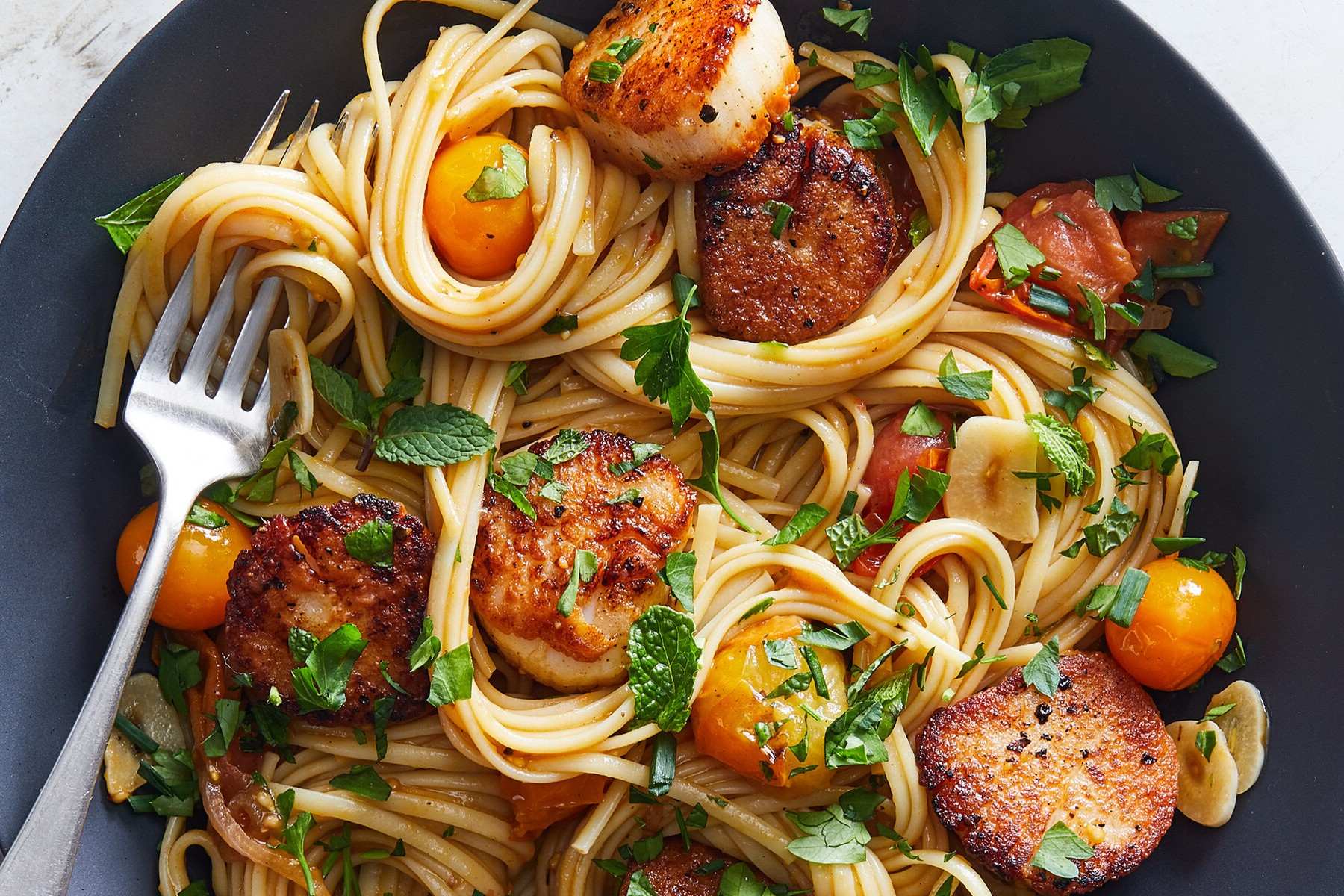
- Sea Scallops and Angel Hair Pasta Recipe30 Minutes
- Swedish Glogg Recipe40 Minutes

Leave a Reply