
I love making this apple chutney because it’s a simple way to turn fresh apples into something sweet, tangy, and full of warm spices. It’s perfect for adding a little extra flavor to sandwiches or even just enjoying with some cheese. I hope you have fun making it as much as I do!
Some ingredients in this recipe might be new if you haven’t cooked with them before. For example, apple cider vinegar adds a nice tangy taste and can usually be found in the vinegar or salad dressing aisle at the supermarket. Fresh ginger gives a little zing, so if you don’t have it, look for it near the fresh produce. The rest, like apples, onions, raisins, and spices, are pretty common and easy to find.
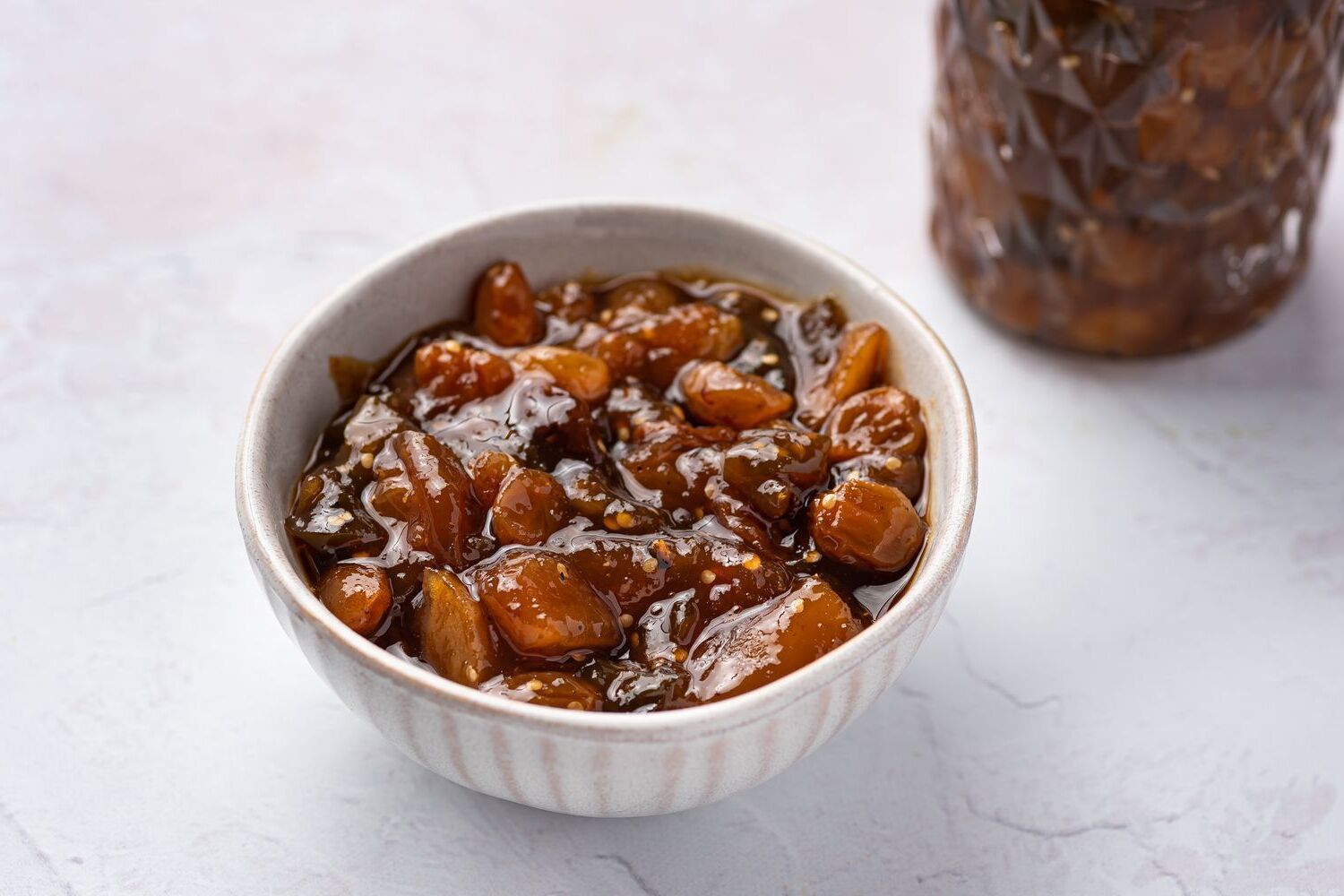
Apple Chutney Recipe Ingredients
Apples: These are the main ingredient and provide sweetness and texture.
Onion: Adds a mild sharpness that balances the sweetness.
Raisins: Give a chewy texture and natural sweetness.
Brown sugar: Sweetens the chutney and helps it caramelize.
Apple cider vinegar: Adds a tangy flavor that brightens the chutney.
Fresh ginger: Gives a warm, spicy kick.
Ground cinnamon: Adds warmth and a hint of sweetness.
Ground cloves: Provides a deep, aromatic spice.
Salt: Enhances all the flavors and balances sweetness.
Technique Tip for This Recipe
One of the most helpful steps in making this Apple Chutney is learning how to chop an onion evenly. It might seem tricky at first, but once you get the hang of it, it makes cooking smoother and the flavors blend better. Here’s a simple way to do it:
- Cut the onion in half from top to bottom, through the root.
- Peel off the outer skin and any tough layers.
- Place one half flat side down on the cutting board.
- Make several horizontal cuts into the onion, but don’t cut all the way through the root end.
- Then, make vertical cuts from top to bottom, again stopping before the root.
- Finally, slice across those cuts to get small, even pieces.
Doing it this way helps the onion stay together while you chop, so you don’t end up with a messy pile of uneven bits. When the pieces are about the same size, they cook evenly, which means your chutney will have a nice texture and balanced flavor.
I remember the first time I tried chopping an onion without this method—I ended up with some big chunks and some tiny bits, and the bigger pieces took longer to soften. It made the chutney a little uneven in taste. Now, I always use this trick, and it saves time and keeps things tasting just right. Plus, it’s kind of fun once you get used to it!
Suggested Side Dishes
Alternative Ingredients
apples - Substitute with pears: Pears have a similar texture and sweetness, making them a good alternative in chutney.
onion - Substitute with shallots: Shallots provide a milder and slightly sweeter flavor compared to onions.
raisins - Substitute with dried cranberries: Dried cranberries offer a tartness that complements the sweetness of the chutney.
brown sugar - Substitute with honey: Honey provides a natural sweetness and a slightly different flavor profile.
apple cider vinegar - Substitute with white wine vinegar: White wine vinegar has a similar acidity and can be used as a direct replacement.
grated fresh ginger - Substitute with ground ginger: Ground ginger can be used in a smaller quantity to provide a similar flavor.
ground cinnamon - Substitute with ground nutmeg: Ground nutmeg offers a warm, spicy flavor that can complement the other ingredients.
ground cloves - Substitute with allspice: Allspice has a similar flavor profile and can be used as a substitute for ground cloves.
salt - Substitute with soy sauce: Soy sauce adds saltiness along with a depth of umami flavor.
Other Alternative Recipes
How To Store / Freeze This Recipe
- Allow the apple chutney to cool completely before storing. This ensures that condensation doesn't form inside the storage container, which could affect the chutney's texture and flavor.
- Transfer the cooled chutney into sterilized glass jars or airtight containers. Sterilizing the jars helps to prevent any bacterial growth and extends the shelf life of your chutney.
- For short-term storage, place the jars in the refrigerator. The chutney will keep well for up to 2-3 weeks, allowing the flavors to meld and intensify over time.
- If you wish to store the chutney for a longer period, consider freezing it. Portion the chutney into freezer-safe containers or heavy-duty freezer bags, leaving some space at the top to allow for expansion as it freezes.
- Label each container with the date and contents. This is especially helpful if you have multiple batches or other preserves in your freezer.
- When ready to use, thaw the chutney in the refrigerator overnight. Avoid thawing at room temperature to prevent any potential bacterial growth.
- Once thawed, give the chutney a good stir to reincorporate any separated liquids and restore its consistency.
- For an added touch of freshness, consider adding a splash of apple cider vinegar or a pinch of ground cinnamon after thawing to revive the flavors.
- Enjoy your apple chutney with a variety of dishes, from roasted meats to cheese platters, or even as a delightful spread on sandwiches and crackers.
How To Reheat Leftovers
Gently reheat the apple chutney in a saucepan over low heat. Stir occasionally to ensure even warming and prevent sticking. This method retains the rich flavors and texture.
Use a microwave-safe dish to reheat the chutney in the microwave. Cover the dish with a microwave-safe lid or plastic wrap, leaving a small vent. Heat on medium power in 30-second intervals, stirring in between, until warmed through.
For a quick and efficient method, place the apple chutney in a heatproof bowl and set it over a pot of simmering water (double boiler method). Stir occasionally until it reaches the desired temperature. This gentle heating method helps maintain the chutney's consistency.
If you prefer a slightly caramelized flavor, spread the chutney on a baking sheet and warm it in a preheated oven at 300°F (150°C) for about 10-15 minutes. Stir halfway through to ensure even heating.
For a more rustic approach, reheat the apple chutney in a cast-iron skillet over low heat. Stir frequently to avoid burning and to evenly distribute the heat. This method can add a subtle depth of flavor due to the skillet's seasoning.
Best Tools for This Recipe
Large saucepan: A spacious pot to combine and cook all the ingredients together, allowing for even heat distribution.
Wooden spoon: Ideal for stirring the chutney mixture as it simmers, ensuring it doesn't stick to the bottom of the pan.
Peeler: Used to remove the skin from the apples efficiently.
Cutting board: Provides a stable surface for chopping the apples and onions.
Chef's knife: A sharp knife for chopping the apples and onions into small, uniform pieces.
Measuring cups: Essential for accurately measuring the apples, raisins, brown sugar, and apple cider vinegar.
Measuring spoons: Necessary for measuring the grated fresh ginger, ground cinnamon, ground cloves, and salt.
Grater: Used to grate the fresh ginger finely.
Jars: Containers for storing the cooled chutney, ensuring it stays fresh in the refrigerator.
Ladle: Useful for transferring the chutney from the saucepan to the jars without making a mess.
How to Save Time on This Recipe
Prepare ingredients in advance: Peel, core, and chop the apples and onions ahead of time to streamline the cooking process.
Use a food processor: Quickly chop the onions and grate the ginger using a food processor to save time.
Measure spices beforehand: Pre-measure the cinnamon, cloves, and salt so you can add them quickly when needed.
Simmer with a lid: Partially cover the saucepan while simmering to reduce splatter and maintain a consistent temperature.
Batch cooking: Double the recipe and freeze extra chutney for future use, saving time on future meal prep.
Apple Chutney Recipe
Ingredients
Main Ingredients
- 4 cups Apples (peeled, cored, and chopped)
- 1 cup Onion (chopped)
- 1 cup Raisins
- 1 cup Brown Sugar
- 1 cup Apple Cider Vinegar
- 1 tablespoon Grated Fresh Ginger
- 1 teaspoon Ground Cinnamon
- 1 teaspoon Ground Cloves
- 1 teaspoon Salt
Instructions
- 1. Combine all ingredients in a large saucepan.
- 2. Bring to a boil, then reduce heat and simmer uncovered for 45 minutes, stirring occasionally.
- 3. Let cool, then transfer to jars and refrigerate.
Nutritional Value
Keywords
More Amazing Recipes to Try 🙂
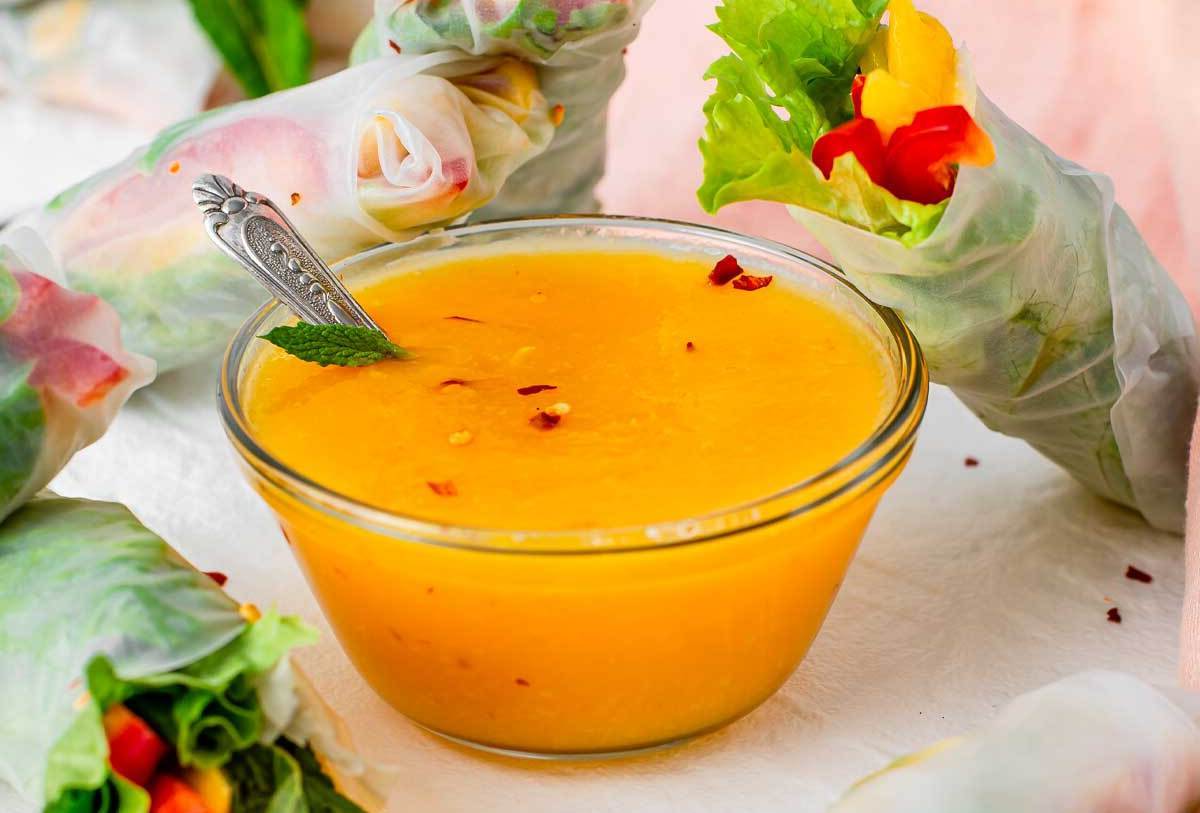
- Veggie Spring Rolls with Mango Dipping Sauce Recipe30 Minutes
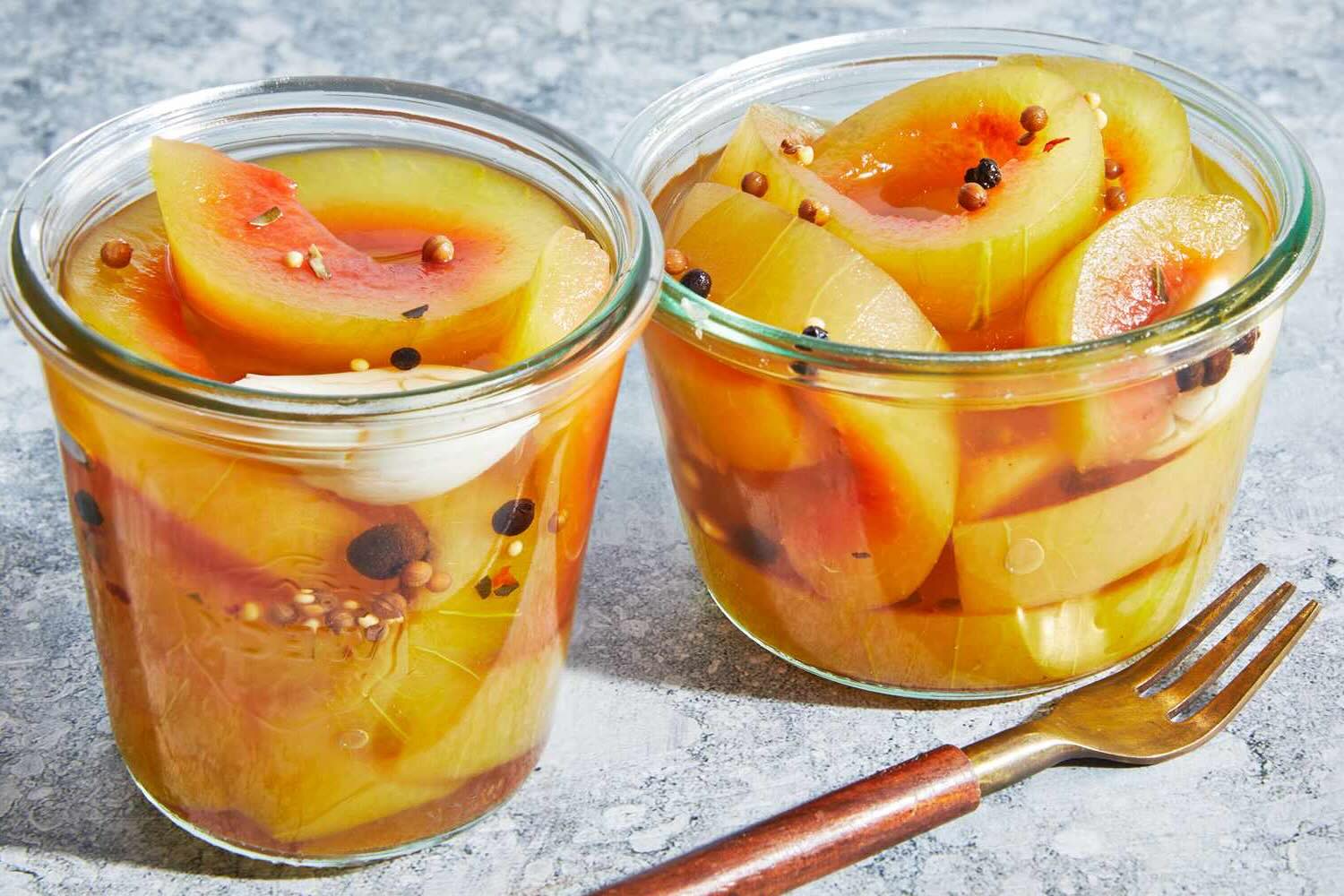
- Pickled Watermelon Rinds Recipe30 Minutes
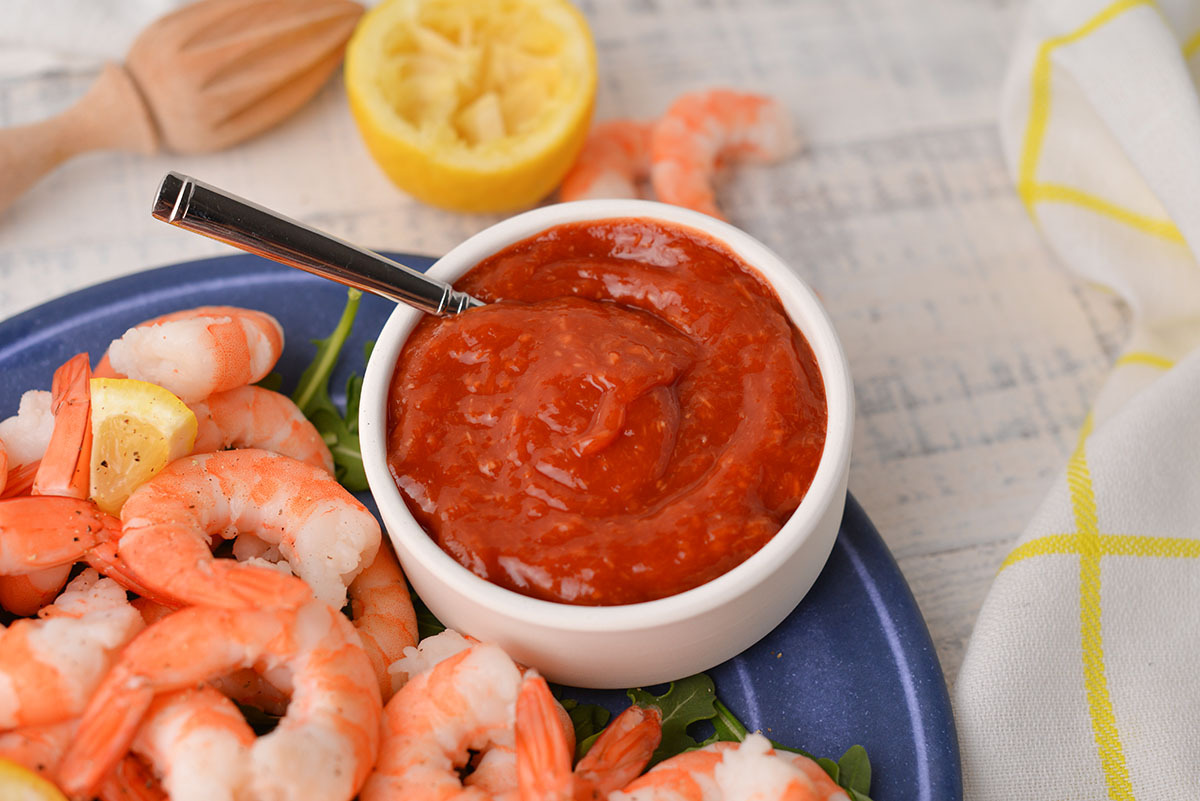
- Cocktail Sauce Recipe5 Minutes
- Mexican Sopes Recipe40 Minutes
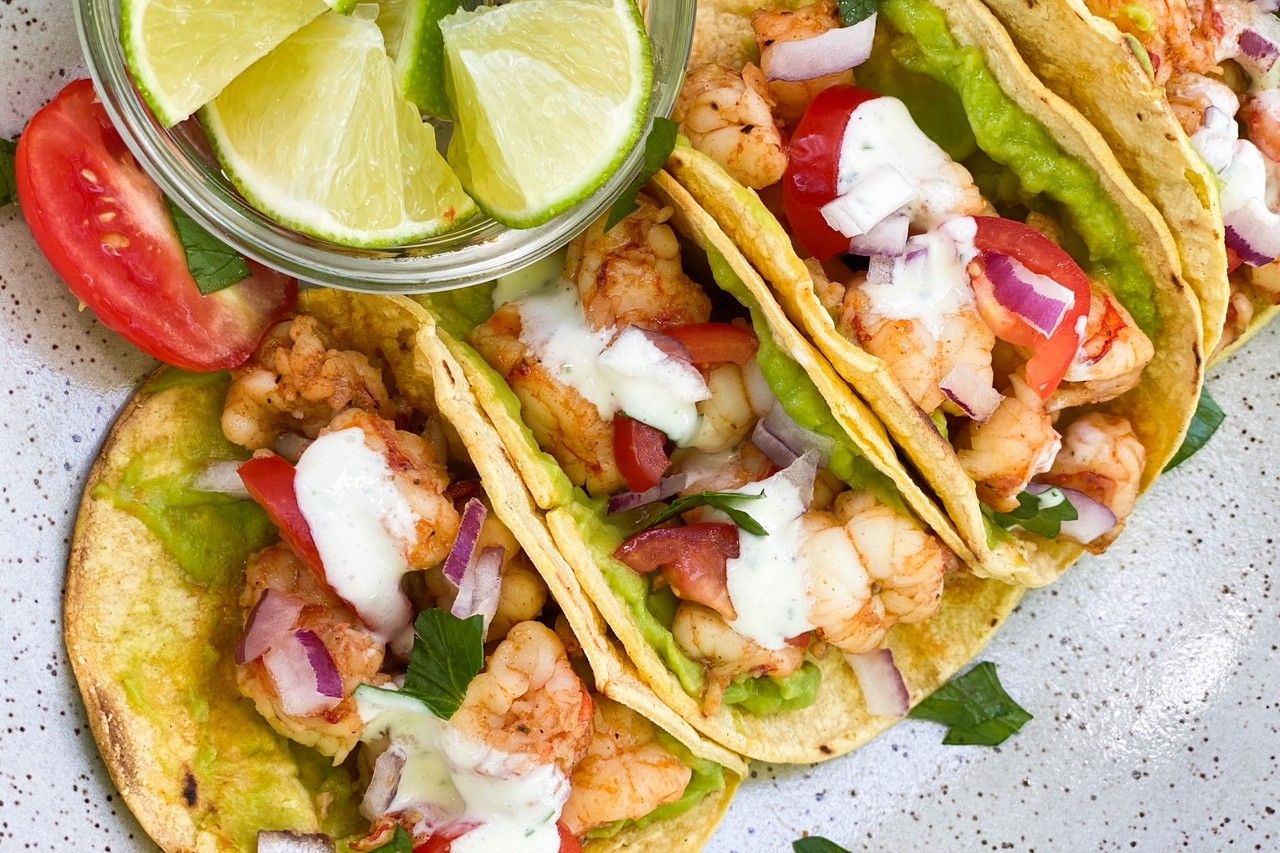
- Traditional Mexican Street Tacos Recipe30 Minutes
- Eggless French Toast Recipe20 Minutes
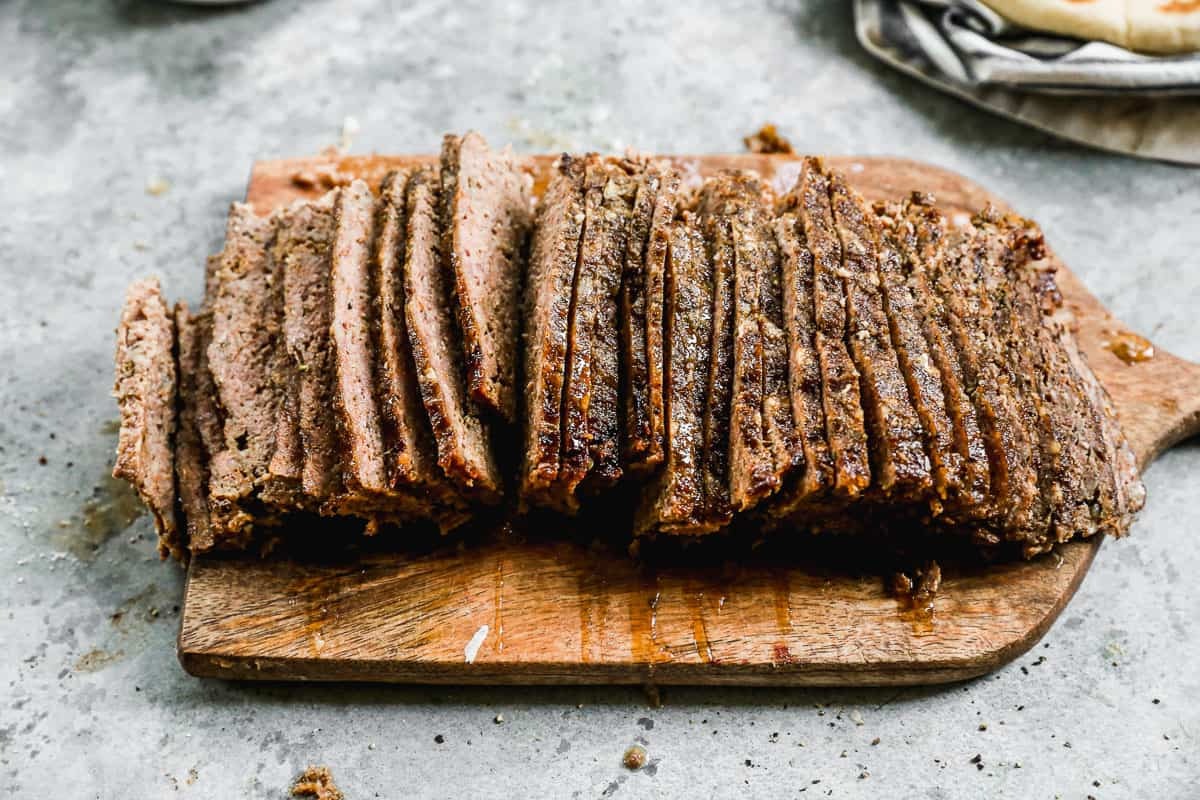
- Traditional Gyro Meat Recipe1 Hours 20 Minutes
- Sea Scallops and Angel Hair Pasta Recipe30 Minutes





Leave a Reply