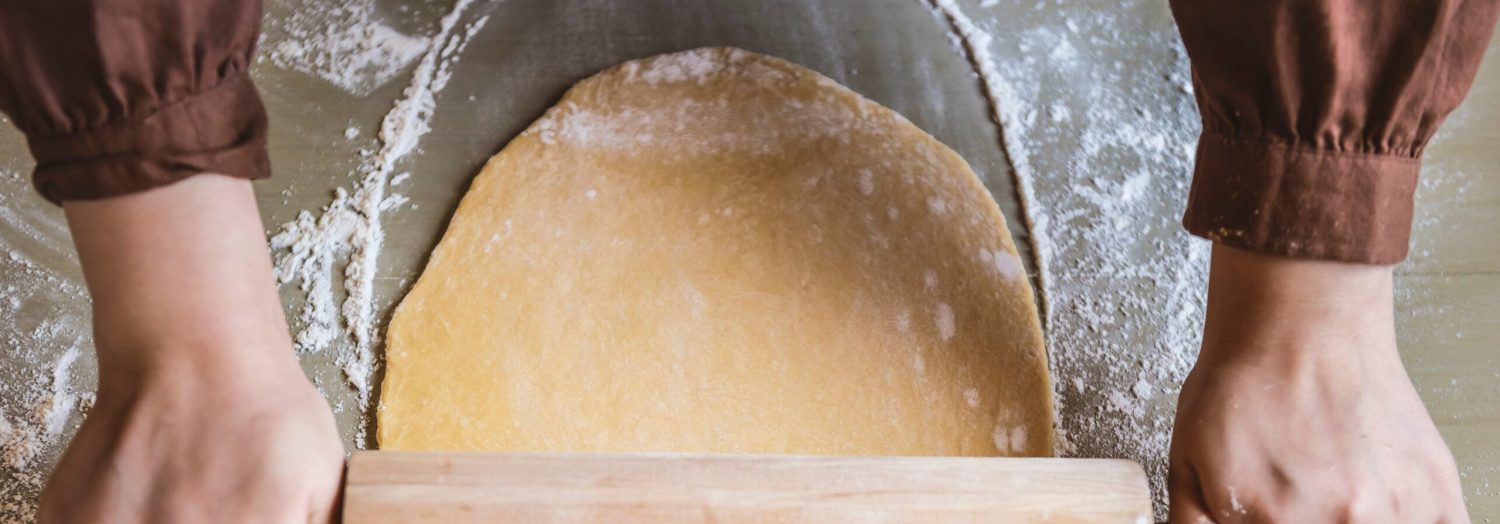

I’m really excited to share this lemon basil chicken pasta recipe with you because it’s one of those meals that feels fresh and comforting at the same time. The bright lemon and fragrant basil make it perfect for any day you want something tasty but not too heavy. I hope you enjoy making it as much as I do!
Most of the ingredients in this recipe are pretty common, but if you’re heading to the supermarket, keep an eye out for fresh basil and heavy cream. Fresh basil adds a wonderful flavor that dried herbs just can’t match, and heavy cream is what makes the sauce rich and smooth. If you don’t usually have these at home, they’re definitely worth picking up for this dish.
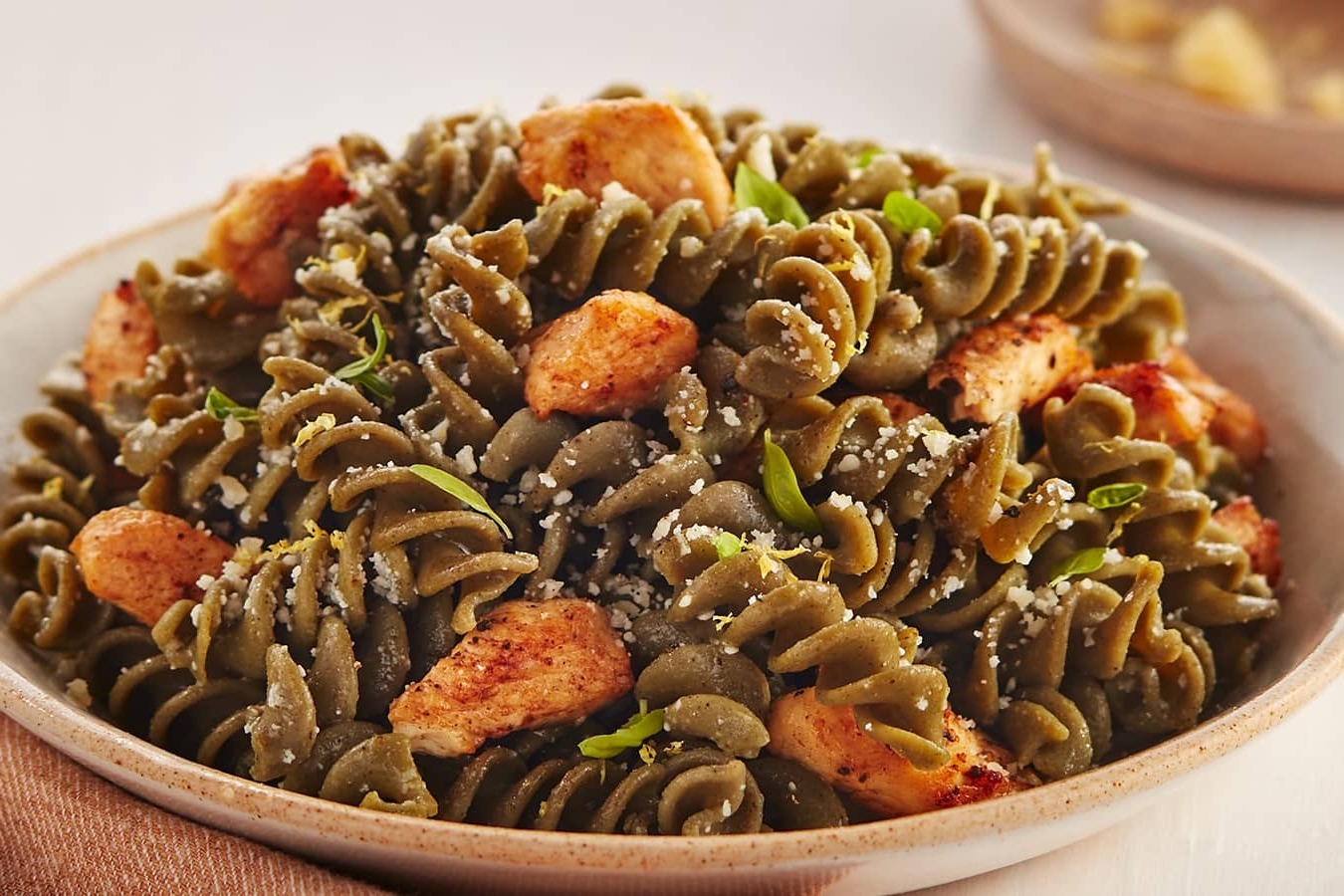
Ingredients For Lemon Basil Chicken Pasta Recipe
Pasta: This is the base of the dish and can be any type you like, such as spaghetti, penne, or fettuccine.
Olive oil: Used for cooking the chicken and adding a bit of healthy fat and flavor.
Chicken breast: Cut into bite-sized pieces, it’s the main protein that makes the dish filling.
Garlic: Minced garlic adds a delicious aroma and depth of flavor.
Lemon: Both the zest and juice are used to give the dish a fresh, tangy kick.
Heavy cream: Creates a creamy sauce that coats the pasta and chicken beautifully.
Parmesan cheese: Grated parmesan adds a salty, nutty flavor that blends perfectly with the cream.
Fresh basil: Chopped basil brings a bright, herbal note that makes the dish special.
Salt and pepper: Used to season the dish to your taste.
Technique Tip for This Recipe
One of the most helpful moves in this Lemon Basil Chicken Pasta Recipe is how to cook the pasta just right and keep it from sticking together. Here’s a simple way to do it:
- Bring a big pot of water to a rolling boil. Using plenty of water gives the pasta room to move around, which helps prevent it from sticking.
- Add a good pinch of salt to the boiling water. This adds flavor to the pasta while it cooks.
- Add the pasta all at once and stir gently right away. Stirring is key because it stops the noodles from clumping together.
- Keep stirring every minute or so while the pasta cooks. This keeps the noodles separate and cooks them evenly.
- When the pasta is done (taste a piece to check if it’s tender but still a little firm), drain it in a colander but don’t rinse it. Rinsing washes away the starch that helps the sauce stick to the noodles.
Doing these steps makes cooking smoother because your pasta won’t turn into a sticky mess, and it will soak up all the yummy lemon and cream flavors better. Plus, it looks nicer on the plate when the noodles are separate and shiny.
When I first made this dish, I didn’t stir the pasta enough, and it clumped up like one big noodle ball. It wasn’t fun to eat! Now, I always remember to stir right after adding the pasta and keep stirring a little while it cooks. It’s a small step that makes a big difference. Also, I like to save a little bit of the pasta water before draining because sometimes adding a splash of that starchy water to the sauce helps it stick even better and feel silky. Give it a try next time!
Suggested Side Dishes
Alternative Ingredients
any type pasta - Substitute with zucchini noodles: For a low-carb option, zucchini noodles provide a similar texture and can absorb the flavors well.
olive oil - Substitute with avocado oil: Avocado oil has a high smoke point and a mild flavor, making it a good alternative for cooking.
chicken breast - Substitute with turkey breast: Turkey breast is lean and has a similar texture, making it a suitable replacement.
minced garlic - Substitute with garlic powder: If fresh garlic is unavailable, garlic powder can provide a similar flavor, though it is less pungent.
lemon - Substitute with lime: Lime can provide a similar acidic and citrusy flavor, though it will slightly alter the taste profile.
heavy cream - Substitute with coconut milk: For a dairy-free option, coconut milk provides a creamy texture and a subtle sweetness.
grated parmesan cheese - Substitute with nutritional yeast: Nutritional yeast offers a cheesy flavor and is a good vegan alternative.
fresh basil - Substitute with fresh spinach: Fresh spinach can add a similar fresh, green element to the dish, though it will not have the same aromatic quality.
salt - Substitute with soy sauce: Soy sauce can add a salty and umami flavor, though it will also add a different depth of flavor.
pepper - Substitute with cayenne pepper: Cayenne pepper can add a similar spiciness, though it will be more intense, so use sparingly.
Alternative Recipes Similar to This Dish
How to Store or Freeze This Dish
- Allow the lemon basil chicken pasta to cool completely before storing. This helps prevent condensation, which can make the pasta soggy.
- Transfer the pasta to an airtight container. For best results, use a container that fits the amount of pasta closely to minimize air exposure.
- Store the container in the refrigerator. The pasta will stay fresh for up to 3-4 days.
- If you plan to freeze the pasta, divide it into individual portions. This makes it easier to reheat only what you need.
- Place each portion in a freezer-safe container or a resealable plastic bag. Squeeze out as much air as possible before sealing.
- Label the containers or bags with the date. This helps you keep track of how long the pasta has been stored.
- When ready to reheat, thaw the pasta in the refrigerator overnight if frozen.
- Reheat the pasta in a skillet over medium heat. Add a splash of heavy cream or olive oil to help revive the sauce.
- Stir occasionally until the pasta is heated through. Avoid overheating to prevent the chicken from becoming dry.
- Garnish with fresh basil and a sprinkle of parmesan cheese before serving to restore some of the original flavors.
How to Reheat Leftovers
Stovetop Method:
- Place a skillet over medium heat and add a splash of olive oil or a small amount of heavy cream to prevent sticking.
- Add the leftover Lemon Basil Chicken Pasta to the skillet.
- Stir occasionally, allowing the pasta to heat evenly. This should take about 5-7 minutes.
- If the pasta seems dry, add a bit more heavy cream or a splash of chicken broth to revive the sauce.
Microwave Method:
- Place the leftover Lemon Basil Chicken Pasta in a microwave-safe dish.
- Add a tablespoon of water or heavy cream to keep the pasta moist.
- Cover the dish with a microwave-safe lid or plastic wrap, leaving a small vent for steam to escape.
- Microwave on medium power for 1-2 minutes, then stir the pasta.
- Continue microwaving in 30-second intervals, stirring in between, until the pasta is heated through.
Oven Method:
- Preheat your oven to 350°F (175°C).
- Place the leftover Lemon Basil Chicken Pasta in an oven-safe dish.
- Add a splash of heavy cream or chicken broth to keep the pasta from drying out.
- Cover the dish with aluminum foil to retain moisture.
- Bake for 15-20 minutes, or until the pasta is heated through.
- Remove the foil for the last 5 minutes of baking if you prefer a slightly crispy top.
Double Boiler Method:
- Fill a pot with a couple of inches of water and bring it to a simmer.
- Place a heatproof bowl over the pot, ensuring it doesn't touch the water.
- Add the leftover Lemon Basil Chicken Pasta to the bowl.
- Stir occasionally, allowing the steam to gently reheat the pasta. This method helps maintain the creamy texture without drying it out.
Essential Tools for This Recipe
Large pot: used for boiling the pasta according to package instructions.
Colander: necessary for draining the cooked pasta.
Large skillet: essential for cooking the chicken and preparing the sauce.
Wooden spoon: ideal for stirring the chicken, garlic, and sauce ingredients.
Garlic press: handy for mincing the garlic cloves quickly and efficiently.
Zester: used to zest the lemon, adding a burst of citrus flavor.
Juicer: helpful for extracting the juice from the lemon.
Measuring cups: required for measuring the heavy cream and grated parmesan cheese.
Chef's knife: necessary for cutting the chicken into bite-sized pieces and chopping the fresh basil.
Cutting board: provides a safe surface for cutting the chicken and basil.
Tongs: useful for tossing the pasta in the skillet to coat it with the sauce.
Grater: used for grating the parmesan cheese if it is not pre-grated.
Serving spoon: ideal for serving the finished pasta dish.
Time-Saving Tips for This Recipe
Pre-cook the chicken: Cook the chicken breast in advance and store it in the fridge. This way, you can quickly add it to the skillet when needed.
Use pre-minced garlic: Save time by using pre-minced garlic from a jar instead of mincing fresh cloves.
Lemon juice shortcut: Use bottled lemon juice if you're in a hurry, though fresh is always best.
Pre-grated parmesan: Buy pre-grated parmesan cheese to skip the grating step.
Chop basil ahead: Chop the fresh basil in advance and store it in an airtight container in the fridge.
Lemon Basil Chicken Pasta Recipe
Ingredients
Main Ingredients
- 12 oz Pasta any type
- 2 tablespoon Olive oil
- 1 lb Chicken breast cut into bite-sized pieces
- 3 cloves Garlic minced
- 1 Lemon zested and juiced
- 1 cup Heavy cream
- ½ cup Grated Parmesan cheese
- 1 cup Fresh basil chopped
- to taste Salt and pepper
Instructions
- 1. Cook pasta according to package instructions. Drain and set aside.
- 2. In a large skillet, heat olive oil over medium heat. Add chicken and cook until browned and cooked through.
- 3. Add minced garlic to the skillet and cook for 1 minute until fragrant.
- 4. Stir in lemon zest, lemon juice, and heavy cream. Bring to a simmer.
- 5. Add cooked pasta to the skillet and toss to coat in the sauce.
- 6. Stir in grated Parmesan cheese and chopped basil. Season with salt and pepper to taste.
- 7. Serve immediately, garnished with extra basil and Parmesan if desired.
Nutritional Value
Keywords
Suggested Appetizers and Desserts
More Amazing Recipes to Try 🙂
- Pickled Watermelon Rinds Recipe30 Minutes
- Cocktail Sauce Recipe5 Minutes
- Mexican Sopes Recipe40 Minutes
- Traditional Mexican Street Tacos Recipe30 Minutes
- Eggless French Toast Recipe20 Minutes
- Traditional Gyro Meat Recipe1 Hours 20 Minutes
- Sea Scallops and Angel Hair Pasta Recipe30 Minutes
- Swedish Glogg Recipe40 Minutes



Leave a Reply