
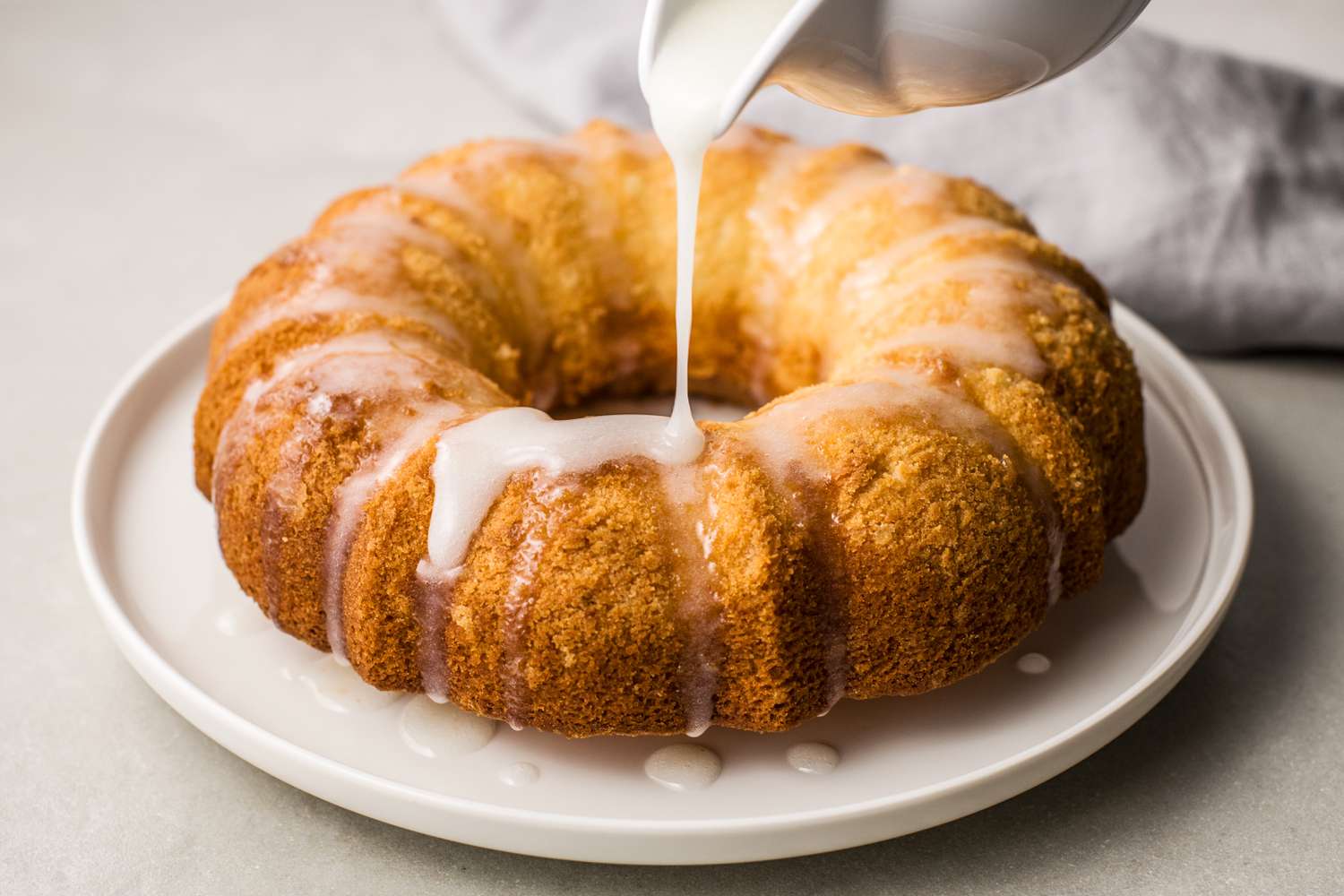
I love how simple and fresh this lemon glaze is—it adds a bright, zesty touch to so many treats. It’s one of those recipes that feels fancy but takes just minutes to make. I can’t wait for you to try it and see how it can brighten up your favorite desserts.
Most of the ingredients in this recipe are probably already in your kitchen, like powdered sugar. The only thing you might need to pick up is a fresh lemon if you don’t have one. When you’re at the supermarket, look for lemons that feel firm and heavy for their size, since those usually have the most juice and flavor.
Ingredients For Easy Lemon Glaze
Powdered sugar: This is finely ground sugar that dissolves quickly, giving the glaze its smooth texture.
Lemon juice: Freshly squeezed lemon juice adds a bright, tangy flavor that makes the glaze pop.
Lemon zest: The outer peel of the lemon, grated finely, adds extra lemon flavor without the sourness.
Technique Tip for Perfect Lemon Glaze
Whisking the powdered sugar, lemon juice, and lemon zest together until smooth is the key step in making this lemon glaze just right. Here’s a simple way to whisk without making a mess or leaving lumps behind:
- Use a medium-sized bowl so the ingredients have room to move around.
- Hold the whisk firmly and move it in small circles or a gentle back-and-forth motion.
- Keep the whisk mostly inside the bowl to avoid splashing.
- Start slowly to combine the ingredients, then speed up a bit to get everything smooth.
- If the glaze feels too thick, add a little more lemon juice one teaspoon at a time and whisk again until it’s just right.
Whisking this way helps the powdered sugar dissolve completely into the lemon juice, making the glaze silky and smooth instead of lumpy or grainy. It also keeps your kitchen cleaner because you won’t have sticky splashes everywhere.
When I first made this lemon glaze, I didn’t whisk carefully and ended up with lumps of sugar that didn’t melt. It wasn’t very tasty or pretty! Now, I always take a little extra time to whisk gently but thoroughly. Plus, I like to add the lemon juice slowly so I can control the thickness better. That way, the glaze is perfect for drizzling over cakes or cookies without running off too fast or being too stiff.
Whisking might seem simple, but doing it right really makes a difference in how smooth and delicious your lemon glaze turns out!
Suggested Side Dishes
Alternative Ingredients
powdered sugar - Substitute with granulated sugar blended into a fine powder: If you don't have powdered sugar, you can blend granulated sugar in a blender or food processor until it reaches a fine, powdery consistency.
powdered sugar - Substitute with coconut sugar blended into a fine powder: For a healthier alternative, blend coconut sugar into a fine powder. It will add a slight caramel flavor.
freshly squeezed lemon juice - Substitute with bottled lemon juice: Bottled lemon juice can be used in place of freshly squeezed lemon juice, though it may lack the same fresh flavor.
freshly squeezed lemon juice - Substitute with lime juice: Lime juice can be used as a substitute, providing a similar acidic and citrusy flavor.
lemon zest - Substitute with lime zest: Lime zest can be used as a substitute, offering a similar citrusy aroma and flavor.
lemon zest - Substitute with orange zest: Orange zest will provide a different but still pleasant citrus flavor, slightly sweeter than lemon zest.
Other Alternative Recipes Similar to Lemon Glaze
How to Store / Freeze Lemon Glaze
Allow the lemon glaze to cool completely before storing. This ensures that the glaze maintains its smooth texture and doesn't become too runny.
Transfer the lemon glaze into an airtight container. A small mason jar or a plastic container with a tight-fitting lid works perfectly.
Store the container in the refrigerator. The lemon glaze will keep well for up to one week, retaining its vibrant flavor and consistency.
Before using the refrigerated lemon glaze, give it a good stir. If it has thickened too much, you can add a few drops of lemon juice and mix until you reach the desired consistency.
For longer storage, consider freezing the lemon glaze. Pour it into a freezer-safe container, leaving some space at the top to allow for expansion.
Label the container with the date and contents. This helps you keep track of how long the lemon glaze has been stored.
When ready to use, thaw the lemon glaze in the refrigerator overnight. Once thawed, stir well to restore its smooth texture.
If the glaze appears too thick after thawing, adjust the consistency with a bit of lemon juice or even a touch of water, whisking until smooth.
Avoid microwaving the lemon glaze to thaw, as this can alter its texture and flavor. Always opt for a gentle thaw in the refrigerator.
Use the thawed lemon glaze within a week for the best flavor and quality.
How to Reheat Leftovers
Place the lemon glaze in a microwave-safe bowl. Heat it in the microwave on low power for 10-15 seconds. Stir well and check the consistency. Repeat if necessary, but be cautious not to overheat as it can alter the texture.
Alternatively, create a double boiler by placing a heatproof bowl over a pot of simmering water. Add the lemon glaze to the bowl and stir continuously until it reaches the desired consistency. This gentle heating method helps maintain the smoothness of the glaze.
If you prefer not to use heat, simply let the lemon glaze sit at room temperature for about 15-20 minutes. Stir it occasionally to help it soften and reach a spreadable consistency.
For a quick fix, add a few drops of freshly squeezed lemon juice to the lemon glaze and stir well. This can help loosen it up without the need for reheating.
Best Tools for Making Lemon Glaze
Mixing bowl: A large bowl to combine and whisk the ingredients together.
Whisk: A utensil to blend the powdered sugar, lemon juice, and lemon zest until smooth.
Measuring cup: Used to measure the powdered sugar accurately.
Measuring spoons: Used to measure the lemon juice and lemon zest precisely.
Citrus zester: A tool to finely grate the lemon zest.
Citrus juicer: A device to extract fresh lemon juice efficiently.
How to Save Time on Making Lemon Glaze
Prepare ingredients in advance: Measure and sift the powdered sugar ahead of time to save minutes when making the lemon glaze.
Use a microplane: A microplane zester makes quick work of zesting the lemon, saving you from tedious grating.
Mix in a large bowl: Using a larger bowl helps prevent powdered sugar from spilling, making cleanup faster.
Adjust consistency quickly: Keep extra lemon juice on hand to easily adjust the glaze's thickness without interrupting your workflow.
Easy Lemon Glaze
Ingredients
Main Ingredients
- 1 cup powdered sugar
- 2 tablespoons lemon juice freshly squeezed
- 1 teaspoon lemon zest
Instructions
- In a bowl, whisk together powdered sugar, lemon juice, and lemon zest until smooth.
- Adjust consistency with more lemon juice if needed.
Nutritional Value
Keywords
Suggested Appetizers and Main Courses for Lemon Glaze
More Amazing Recipes to Try 🙂
- Spicy Seafood Sauce Recipe30 Minutes
- Veggie Spring Rolls with Mango Dipping Sauce Recipe30 Minutes
- Pickled Watermelon Rinds Recipe30 Minutes
- Cocktail Sauce Recipe5 Minutes
- Mexican Sopes Recipe40 Minutes
- Traditional Mexican Street Tacos Recipe30 Minutes
- Eggless French Toast Recipe20 Minutes
- Traditional Gyro Meat Recipe1 Hours 20 Minutes





Leave a Reply