
I love making this alfredo sauce because it’s creamy and comforting, perfect for a cozy dinner. It’s one of those recipes that feels fancy but is actually super simple to make. I can’t wait for you to try it and see how easy it is to turn plain pasta into something special.
Most of the ingredients in this recipe are pretty common, but if you don’t usually keep heavy cream or parmesan cheese at home, you might want to pick those up at the supermarket. Heavy cream is thicker than regular milk and helps make the sauce rich and smooth. Parmesan cheese adds a sharp, salty flavor that really brings the sauce to life. Butter and garlic are usually easy to find in any kitchen.
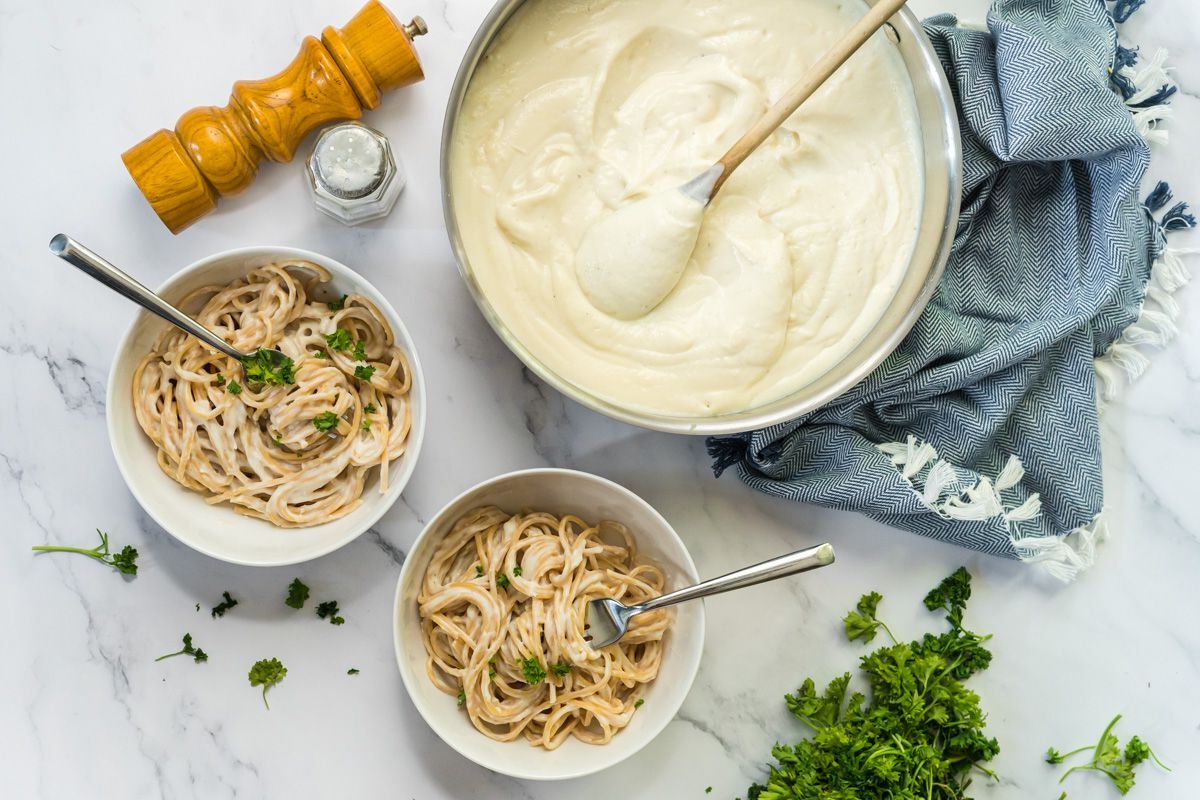
Ingredients For Alfredo Sauce Recipe
Heavy cream: This is a thick dairy product that makes the sauce rich and creamy.
Unsalted butter: Butter adds a smooth, buttery flavor without extra salt, so you can control the seasoning.
Parmesan cheese: A hard, salty cheese that melts into the sauce and gives it a delicious taste.
Garlic: Fresh garlic adds a nice, fragrant flavor that makes the sauce more interesting.
Salt and pepper: These seasonings help balance the flavors and bring everything together.
Technique Tip for This Recipe
One of the most important steps in making this Alfredo sauce is melting the butter just right before adding the garlic. Here’s how you can do it smoothly:
- Use a medium saucepan and put it on medium heat. This helps the butter melt evenly without burning.
- Keep an eye on it and stir gently as it melts. You want it to turn completely liquid but not brown or bubble too much.
- Once the butter is melted, add the minced garlic right away. Cooking the garlic in melted butter lets its flavor spread through the sauce without getting bitter.
Doing this makes the garlic taste soft and fragrant, which is what gives the Alfredo sauce its rich, creamy flavor. If you cook the garlic too long or at too high heat, it can turn sharp or burnt, which changes the whole taste.
When I first tried this, I accidentally let the butter get too hot and the garlic burned a little. The sauce ended up tasting a bit bitter, so I learned to watch the heat carefully. Now, I like to melt the butter slowly and add the garlic as soon as it’s melted. It’s a small step that makes a big difference and helps the sauce come out smooth and tasty every time.
Suggested Side Dishes
Alternative Ingredients
heavy cream - Substitute with half-and-half: Half-and-half is lighter than heavy cream but still provides a creamy texture.
heavy cream - Substitute with coconut milk: Coconut milk offers a dairy-free alternative with a rich, creamy consistency.
unsalted butter - Substitute with olive oil: Olive oil can provide a similar fat content and a different but pleasant flavor.
unsalted butter - Substitute with ghee: Ghee has a higher smoke point and a nutty flavor, making it a good alternative.
parmesan cheese - Substitute with pecorino romano: Pecorino romano has a similar texture and a slightly saltier taste.
parmesan cheese - Substitute with nutritional yeast: Nutritional yeast is a vegan option that provides a cheesy flavor.
garlic - Substitute with shallots: Shallots offer a milder, sweeter flavor that can complement the sauce.
garlic - Substitute with garlic powder: Garlic powder can be used in a pinch to provide a similar flavor.
salt - Substitute with soy sauce: Soy sauce adds umami and saltiness, enhancing the overall flavor.
pepper - Substitute with white pepper: White pepper provides a similar heat without altering the color of the sauce.
Alternative Recipes You Might Like
How to Store or Freeze
- Allow the alfredo sauce to cool completely before storing. This helps prevent condensation, which can make the sauce watery.
- Transfer the cooled sauce to an airtight container. Glass containers work best as they don't absorb odors and flavors.
- Label the container with the date to keep track of its freshness.
- Store the sauce in the refrigerator for up to 4-5 days. For longer storage, freezing is recommended.
- To freeze, pour the sauce into a freezer-safe container or a heavy-duty freezer bag. Leave some space at the top as the sauce will expand when frozen.
- Lay the freezer bag flat in the freezer for easier storage and quicker thawing.
- When ready to use, thaw the sauce in the refrigerator overnight. Avoid thawing at room temperature to prevent bacterial growth.
- Reheat the sauce gently over low heat, stirring frequently to maintain its creamy texture. If the sauce separates, whisk in a bit of heavy cream or milk to bring it back together.
- Avoid reheating the sauce in the microwave as it can cause uneven heating and a grainy texture. Instead, use a saucepan for best results.
- If the sauce thickens too much after reheating, add a splash of chicken broth or pasta water to reach the desired consistency.
How to Reheat Leftovers
Gently reheat the alfredo sauce on the stovetop over low heat. Stir frequently to prevent the sauce from separating or burning. If the sauce is too thick, add a splash of heavy cream or milk to reach the desired consistency.
Use a double boiler to reheat the sauce. Place the alfredo sauce in a heatproof bowl set over a pot of simmering water. Stir occasionally until the sauce is warmed through and smooth.
Microwave the alfredo sauce in short intervals. Place the sauce in a microwave-safe bowl, cover it with a microwave-safe lid or plastic wrap, and heat on medium power for 30-second intervals. Stir between each interval until the sauce is evenly heated.
Add a touch of butter or olive oil while reheating to enhance the creaminess and flavor of the alfredo sauce. This can help to revive the sauce and make it taste freshly made.
If reheating with pasta, combine the alfredo sauce and pasta in a skillet over medium-low heat. Add a splash of chicken broth or pasta water to help loosen the sauce and prevent it from becoming too thick. Stir gently until heated through.
Essential Tools for This Recipe
Medium saucepan: Used to melt the butter and cook the garlic, as well as to combine all the ingredients for the Alfredo sauce.
Wooden spoon: Ideal for stirring the sauce to ensure even cooking and to prevent sticking.
Garlic press: Handy for mincing the garlic cloves quickly and efficiently.
Measuring cups: Essential for accurately measuring the heavy cream and grated parmesan cheese.
Cheese grater: Used to grate the parmesan cheese if you are starting with a block of cheese.
Whisk: Helps in blending the heavy cream and parmesan cheese smoothly into the sauce.
Ladle: Useful for serving the Alfredo sauce over pasta.
Cutting board: Provides a surface to mince the garlic cloves.
Chef's knife: Used for mincing the garlic cloves finely.
Time-Saving Tips for This Recipe
Pre-measure ingredients: Measure out heavy cream, butter, and parmesan cheese before starting to save time during cooking.
Use pre-minced garlic: Opt for pre-minced garlic to cut down on prep time.
Simmer while stirring: Continuously stir the sauce to ensure it thickens evenly and quickly.
Grate cheese in advance: Grate the parmesan cheese ahead of time and store it in the fridge.
Cook pasta simultaneously: Boil your pasta while preparing the Alfredo sauce to have everything ready at the same time.
Alfredo Sauce Recipe
Ingredients
Main Ingredients
- 1 cup heavy cream
- ½ cup unsalted butter
- 1 cup grated Parmesan cheese
- 2 cloves garlic, minced
- Salt and pepper to taste
Instructions
- In a medium saucepan, melt the butter over medium heat.
- Add the minced garlic and cook until fragrant, about 1 minute.
- Pour in the heavy cream and bring to a simmer.
- Reduce the heat to low and stir in the Parmesan cheese until melted and smooth.
- Season with salt and pepper to taste.
- Serve immediately over pasta.
Nutritional Value
Keywords
Suggested Appetizers and Desserts
More Amazing Recipes to Try 🙂
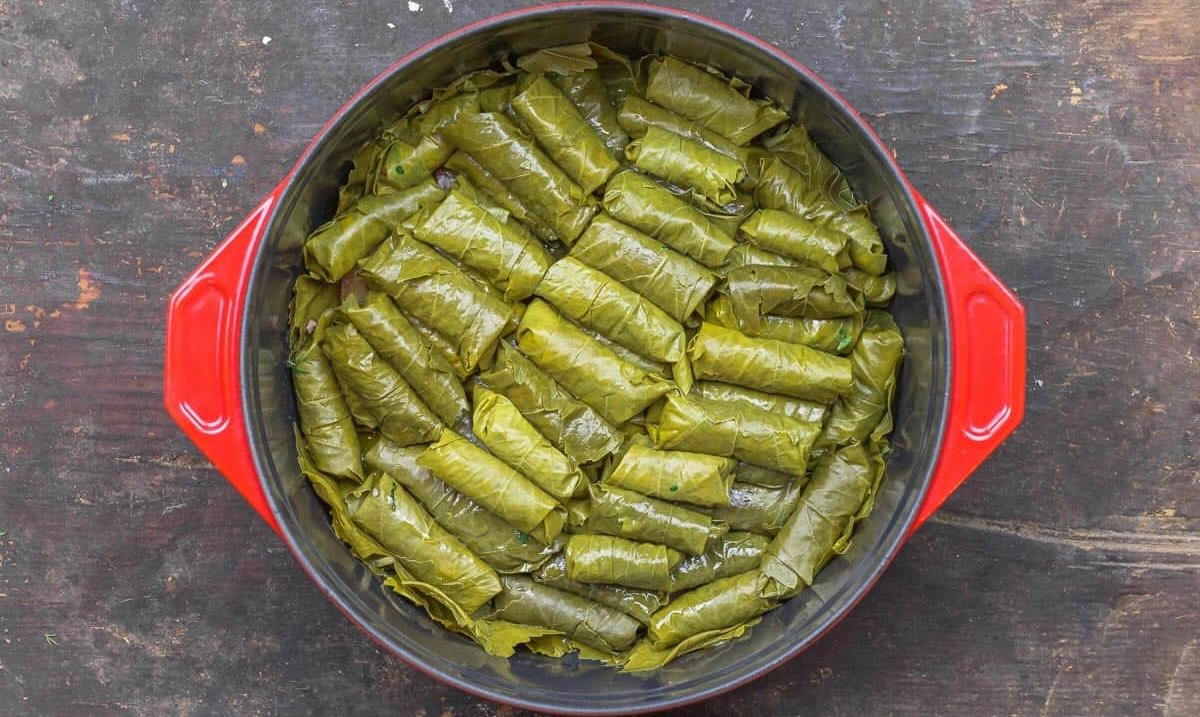
- Dolmas Stuffed Grape Leaves Recipe1 Hours 30 Minutes
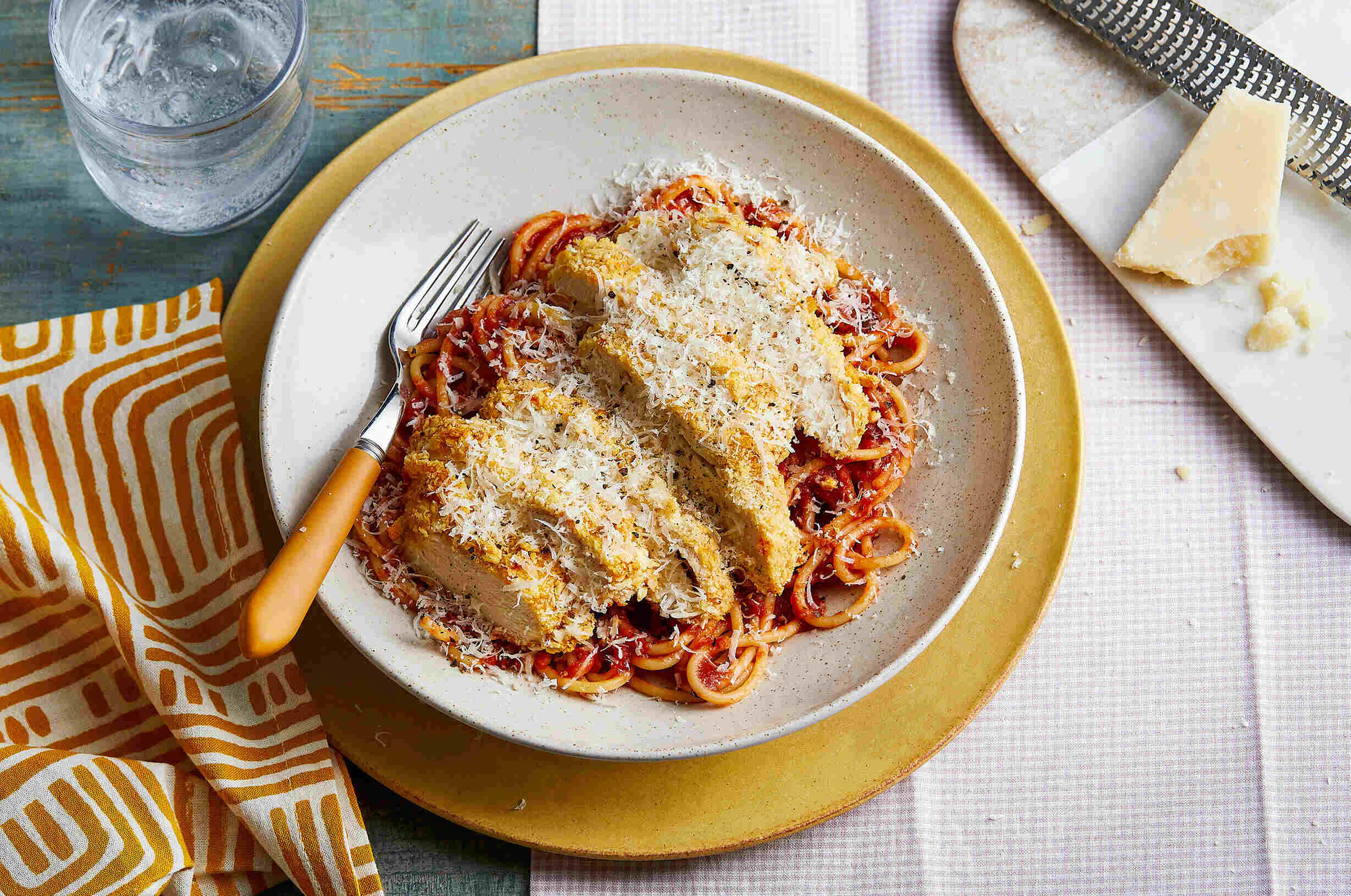
- Chicken Milanese Recipe30 Minutes
- Refreshing Cucumber Lemonade Recipe10 Minutes
- POG Juice Recipe5 Minutes
- Singapore Sling Cocktail Recipe5 Minutes
- Spicy Seafood Sauce Recipe30 Minutes
- Veggie Spring Rolls with Mango Dipping Sauce Recipe30 Minutes
- Pickled Watermelon Rinds Recipe30 Minutes







Leave a Reply