
I love making pavlova because it feels like a little celebration every time. The crispy outside and soft inside make it a special treat that’s fun to share with friends and family. I can’t wait for you to try this recipe and enjoy the sweet, fruity topping as much as I do.
Some ingredients in this recipe might be new if you haven’t baked meringue before. Caster sugar is finer than regular sugar and helps the meringue become smooth and glossy. Cornstarch is a common thickener you can find in most supermarkets, usually near baking supplies. White vinegar is used here to help stabilize the egg whites while baking, so don’t skip it!

Ingredients For Pavlova Recipe
Egg whites: These are the main base of the meringue and need to be at room temperature for the best results.
Caster sugar: A fine sugar that dissolves easily, making the meringue smooth and shiny.
White vinegar: Helps keep the egg whites stable and adds a little tang.
Vanilla extract: Adds a sweet, warm flavor to the meringue.
Cornstarch: Thickens the meringue and gives it a soft, marshmallow-like center.
Heavy cream: Whipped and used as a topping to add creaminess.
Fresh fruits: Adds natural sweetness and color to the pavlova topping.
Technique Tip for Perfect Pavlova
One of the trickiest parts of making a pavlova is beating the egg whites just right. You want to get them to soft peaks first, then add the sugar slowly until you have stiff, glossy peaks. Here’s how to do it step by step:
- Make sure your egg whites are at room temperature before you start. Cold whites don’t whip up as well.
- Use a clean, dry bowl and beaters—any grease or water can stop the whites from whipping properly.
- Start beating the whites on medium speed until they look foamy and soft peaks form. Soft peaks mean when you lift the beaters, the peaks flop over a little.
- Add the caster sugar one tablespoon at a time. Don’t dump it all in at once! Beat well after each addition until the mixture looks shiny and stiff peaks form. Stiff peaks stand straight up when you lift the beaters.
- Once you have stiff peaks, gently fold in the white vinegar, vanilla extract, and cornstarch without knocking out the air.
Doing this slowly and carefully makes the meringue strong and stable, so it bakes into that perfect crisp outside and soft inside texture that makes pavlova so special. If you add the sugar too fast or beat too hard after adding it, the mixture can get grainy or collapse.
I remember the first time I tried this, I got impatient and dumped all the sugar in at once. The meringue looked dull and watery, and my pavlova didn’t hold its shape. Now, I always take my time and enjoy watching the sugar dissolve slowly—it’s kind of magical! Plus, using an electric mixer makes this way easier than trying to do it by hand.
Suggested Side Dishes
Alternative Ingredients
egg whites - Substitute with aquafaba: Aquafaba, the liquid from a can of chickpeas, mimics the properties of egg whites and can be whipped to stiff peaks, making it a suitable vegan alternative.
caster sugar - Substitute with granulated sugar: Granulated sugar can be processed in a blender or food processor to achieve a finer texture similar to caster sugar.
white vinegar - Substitute with lemon juice: Lemon juice provides the necessary acidity to stabilize the egg whites and enhance the meringue's texture.
vanilla extract - Substitute with almond extract: Almond extract offers a different but pleasant flavor profile that can complement the sweetness of the meringue.
cornstarch - Substitute with potato starch: Potato starch has similar thickening properties and can help stabilize the meringue.
heavy cream - Substitute with coconut cream: Coconut cream can be whipped to a similar consistency as heavy cream and provides a dairy-free alternative with a subtle coconut flavor.
fresh fruits - Substitute with fruit preserves: Fruit preserves can be used as a topping, offering a concentrated fruit flavor and a different texture.
Alternative Recipes Similar to Pavlova
How to Store or Freeze Pavlova
Allow the pavlova to cool completely before storing. This ensures that the meringue maintains its crisp exterior and soft, marshmallow-like interior.
Store the pavlova base in an airtight container at room temperature. Avoid refrigerating the meringue base as it can cause it to become soggy.
If you need to store the pavlova for more than a day, place it in a cool, dry place away from direct sunlight and humidity.
For freezing, wrap the completely cooled pavlova base tightly in plastic wrap, ensuring there are no gaps where air can enter. Then, place it in a large freezer-safe bag or container.
When ready to use, thaw the pavlova base at room temperature for a few hours. Do not unwrap it until it has completely thawed to prevent condensation from making the meringue soggy.
Store the whipped cream and fresh fruits separately in the refrigerator. Only assemble the pavlova with toppings just before serving to maintain its texture and freshness.
If you have leftover assembled pavlova, store it in the refrigerator in an airtight container. Note that the meringue may soften slightly due to the moisture from the whipped cream and fruits.
Consume leftover pavlova within 1-2 days for the best taste and texture.
How to Reheat Leftovers
Preheat your oven to 250°F (120°C). Place the pavlova on a baking sheet lined with parchment paper. Warm it for about 15-20 minutes. This method helps to restore some of the crispiness without overcooking the meringue.
If you prefer a quicker method, use a microwave on low power. Place the pavlova on a microwave-safe plate and heat it in 10-second intervals. Be cautious, as microwaving can make the meringue chewy rather than crispy.
For a more even reheating, use a toaster oven. Set it to a low temperature, around 250°F (120°C), and heat the pavlova for 10-15 minutes. This method is particularly useful if you have a smaller portion to reheat.
If you have an air fryer, set it to 250°F (120°C) and place the pavlova inside for about 10 minutes. This method can help maintain the crispiness of the meringue while reheating it evenly.
Avoid reheating the whipped cream and fresh fruits topping. Instead, remove them before reheating and add fresh toppings after the pavlova is warmed up. This ensures that the cream and fruits remain fresh and vibrant.
Essential Tools for Making Pavlova
Electric mixer: An electric mixer is essential for beating the egg whites to the perfect consistency, ensuring they reach soft peaks and then stiff peaks as you gradually add the sugar.
Large bowl: A large bowl is necessary to hold the egg whites and allow enough space for them to expand as you beat them.
Measuring cups: Measuring cups are used to accurately measure the caster sugar and heavy cream.
Measuring spoons: Measuring spoons are used to measure the vinegar, vanilla extract, and cornstarch precisely.
Parchment paper: Parchment paper is used to line the baking sheet, preventing the meringue from sticking and making cleanup easier.
Baking sheet: A baking sheet is needed to hold the meringue as it bakes in the oven.
Spatula: A spatula is useful for gently folding in the vinegar, vanilla extract, and cornstarch into the beaten egg whites.
Oven: The oven is used to bake the meringue at the specified temperature and then to let it cool completely.
Whisk: A whisk can be used to whip the heavy cream to a fluffy consistency for topping the pavlova.
Knife: A knife is needed to slice the fresh fruits for the topping.
Cutting board: A cutting board provides a safe surface for slicing the fresh fruits.
Serving plate: A serving plate is used to present the pavlova once it is topped with whipped cream and fresh fruits.
How to Save Time on Making Pavlova
Prepare ingredients in advance: Measure out sugar, cornstarch, and other ingredients before starting to save time during the process.
Use a stand mixer: A stand mixer can beat egg whites more efficiently, freeing up your hands for other tasks.
Preheat the oven early: Ensure your oven is at the right temperature by preheating it while you prepare the meringue.
Chill the cream: Keep heavy cream in the fridge until you’re ready to whip it, so it whips faster and holds its shape better.
Prep fruits ahead: Wash and slice fresh fruits while the meringue is baking to save time later.
Pavlova Recipe
Ingredients
Main Ingredients
- 4 egg whites at room temperature
- 1 cup caster sugar
- 1 teaspoon white vinegar
- 1 teaspoon vanilla extract
- 2 teaspoon cornstarch
- 1 cup heavy cream for topping
- 1 cup fresh fruits for topping
Instructions
- Preheat your oven to 300°F (150°C). Line a baking sheet with parchment paper.
- In a large bowl, beat the egg whites with an electric mixer until soft peaks form.
- Gradually add the sugar, one tablespoon at a time, beating until the mixture is glossy and stiff peaks form.
- Gently fold in the vinegar, vanilla extract, and cornstarch.
- Spoon the meringue onto the prepared baking sheet and shape into a circle with a slight dip in the center.
- Bake for 90 minutes, then turn off the oven and let the meringue cool completely in the oven.
- Once cooled, top with whipped cream and fresh fruits. Serve immediately.
Nutritional Value
Keywords
Suggested Appetizers and Main Courses
More Amazing Recipes to Try 🙂
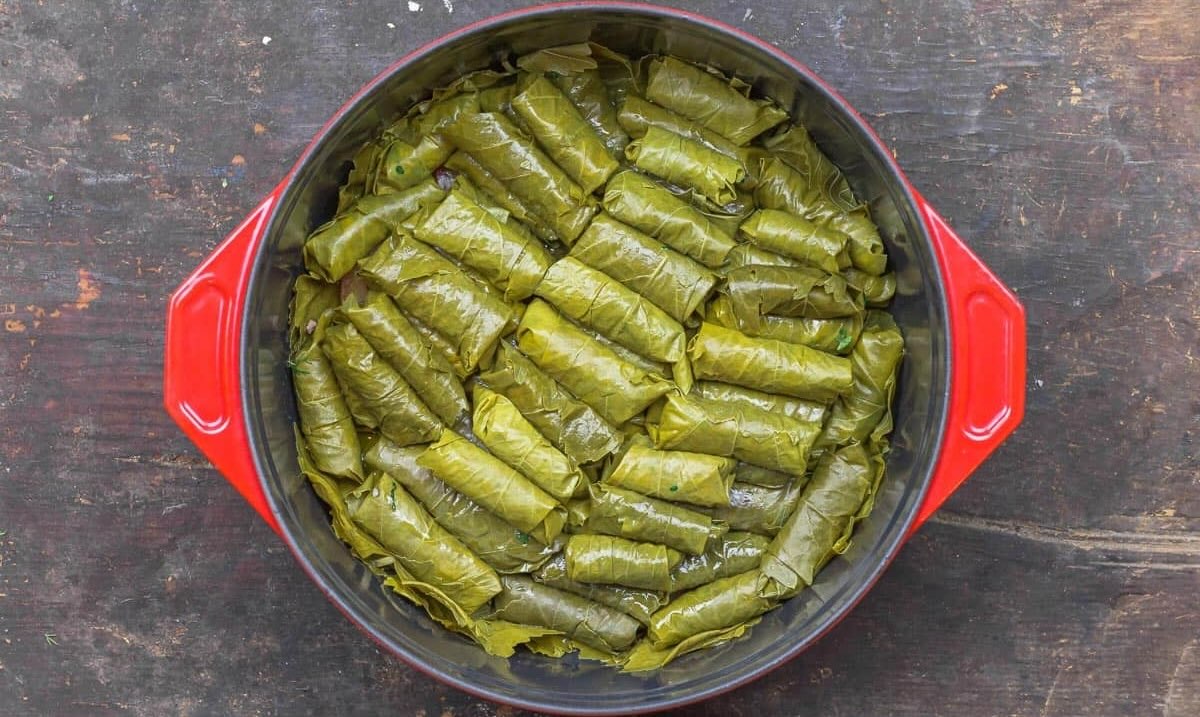
- Dolmas Stuffed Grape Leaves Recipe1 Hours 30 Minutes
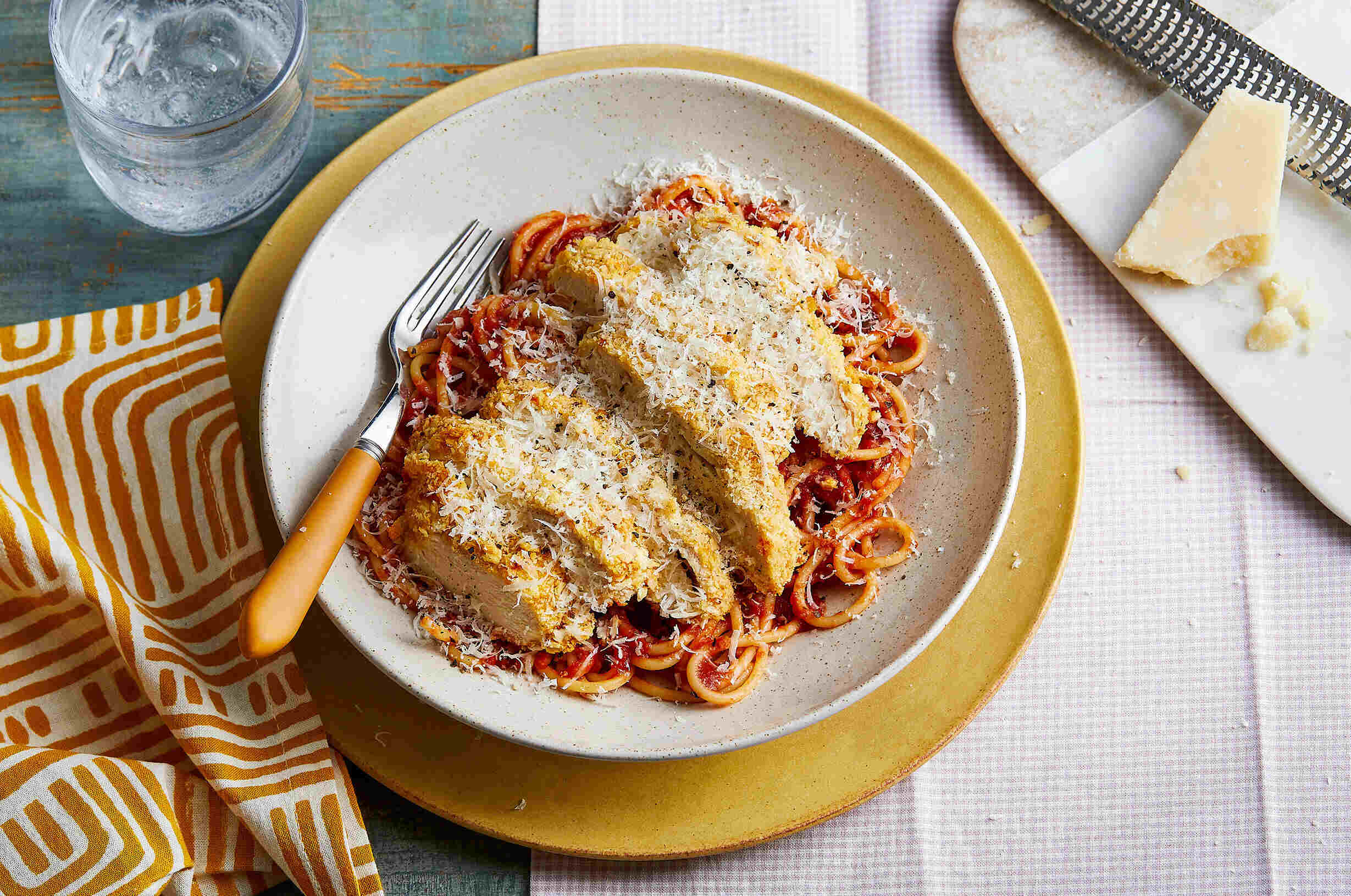
- Chicken Milanese Recipe30 Minutes
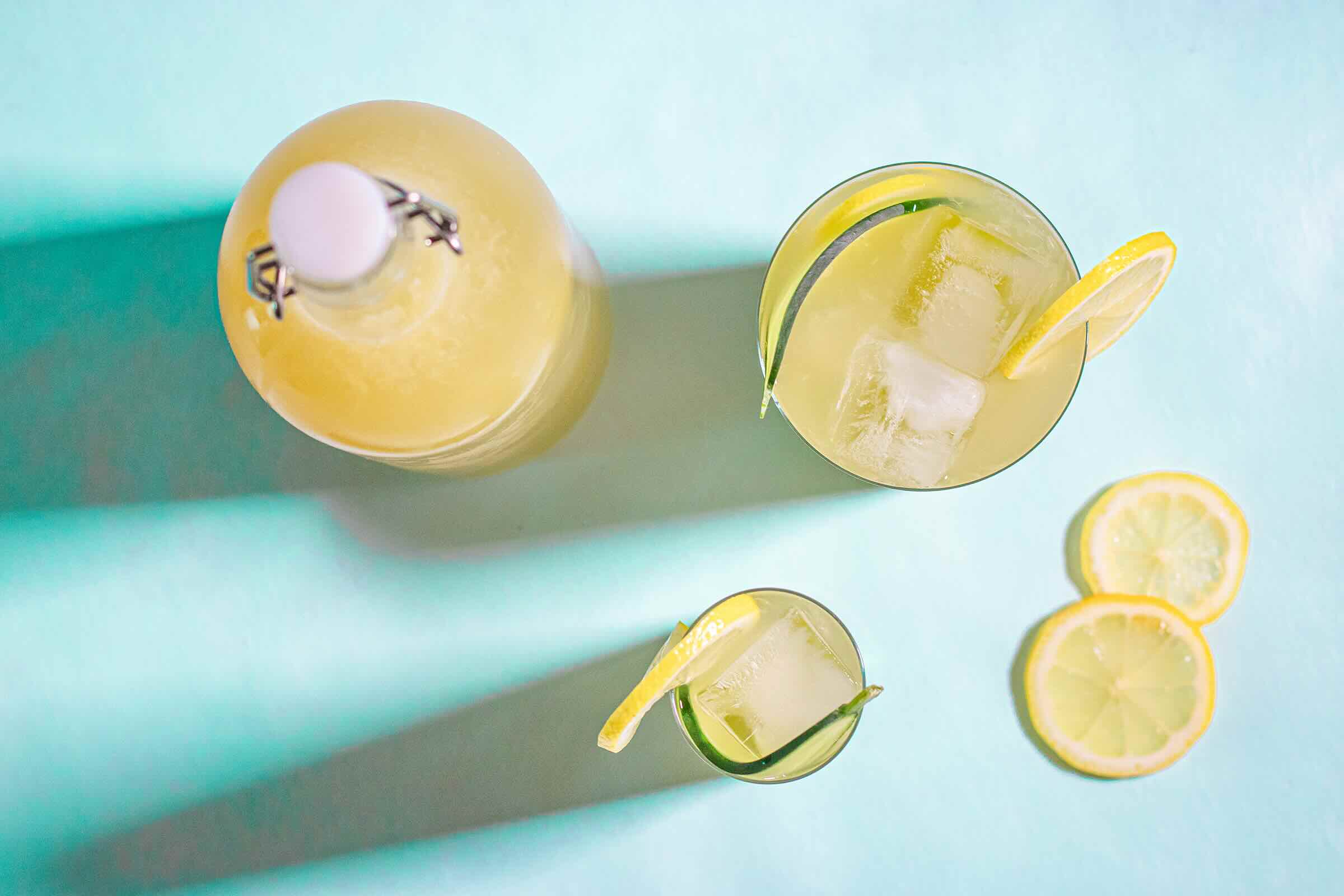
- Refreshing Cucumber Lemonade Recipe10 Minutes
- POG Juice Recipe5 Minutes
- Singapore Sling Cocktail Recipe5 Minutes
- Spicy Seafood Sauce Recipe30 Minutes
- Veggie Spring Rolls with Mango Dipping Sauce Recipe30 Minutes
- Pickled Watermelon Rinds Recipe30 Minutes
Leave a Reply