

I love this lemon ricotta cake because it’s light, fluffy, and full of fresh citrus flavor. It’s one of those recipes that feels special but is actually simple to make, perfect for sharing with friends or family. I can’t wait for you to try it and enjoy that bright lemony taste in every bite.
Most of the ingredients in this recipe are probably already in your kitchen, like flour, sugar, and eggs. The one you might need to pick up is ricotta cheese, which is a soft, creamy cheese often found in the dairy section of the supermarket. Also, fresh lemons are important here for the zest and juice, so look for lemons that feel heavy and firm for the best flavor.
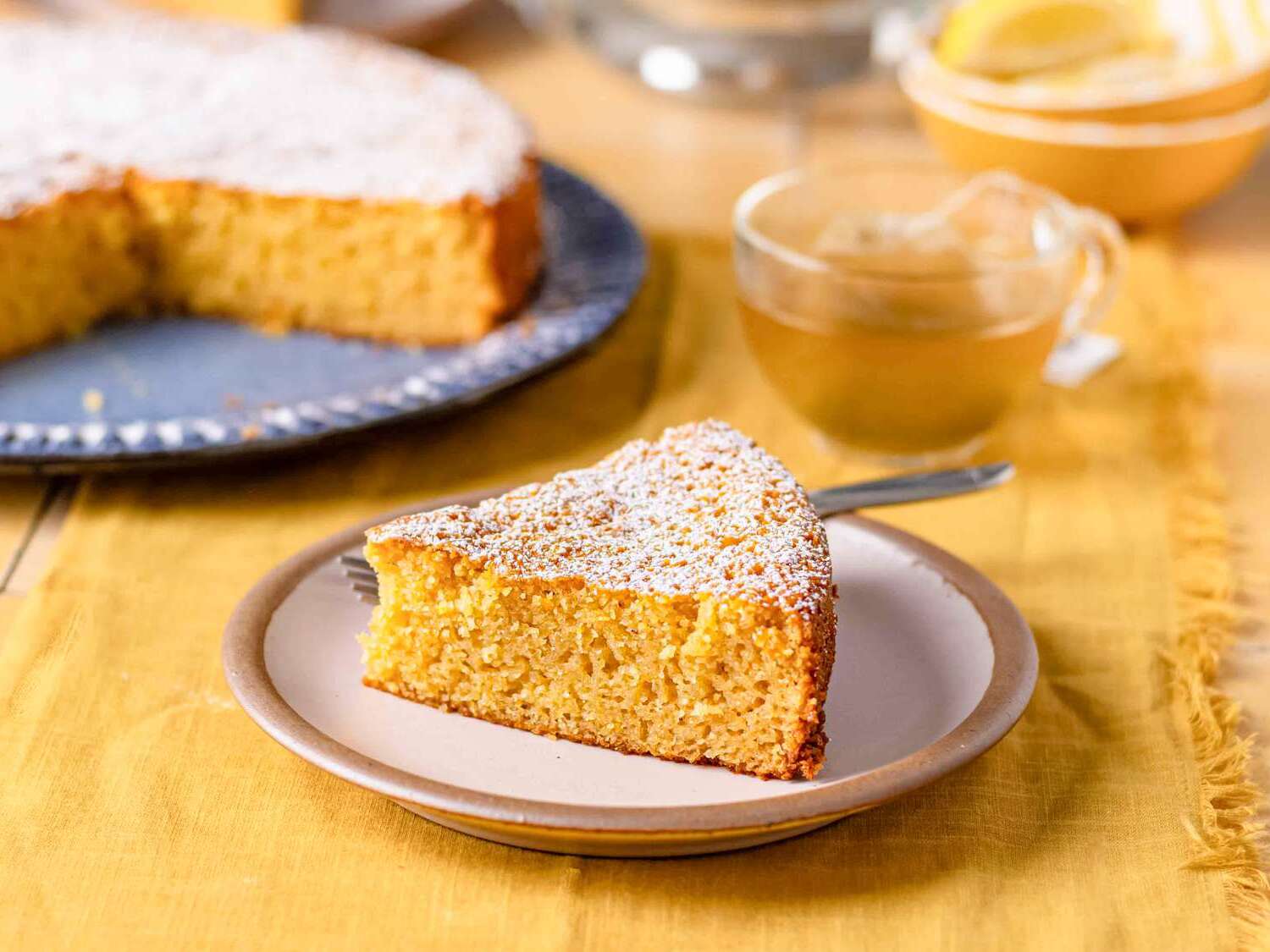
Ingredients For Lemon Ricotta Cake Recipe
All-purpose flour: The main dry ingredient that gives the cake structure and helps it rise.
Sugar: Adds sweetness and helps create a tender crumb.
Eggs: Provide moisture and help bind all the ingredients together.
Ricotta cheese: A creamy cheese that makes the cake moist and adds a subtle richness.
Unsalted butter: Adds flavor and moisture; melting it helps mix everything smoothly.
Lemon zest: The outer peel of the lemon that gives a fresh, bright citrus flavor.
Lemon juice: Adds tanginess and enhances the lemon flavor throughout the cake.
Baking powder: A leavening agent that helps the cake rise.
Baking soda: Works with the lemon juice to create a light, fluffy texture.
Salt: Balances the sweetness and enhances all the flavors.
Technique Tip for This Recipe
One of the trickiest parts of making this Lemon Ricotta Cake is mixing the dry ingredients into the wet ones without overdoing it. When the recipe says to add the dry ingredients “gradually” and mix “until just combined,” it means you want to be gentle and careful here. Here’s how you can do it step by step:
- Start by adding about a third of the dry mixture (the flour, baking powder, baking soda, and salt) to the wet bowl.
- Use a spatula or a big spoon to fold the dry ingredients into the wet ones. Folding means gently lifting the batter from the bottom and turning it over the top, instead of stirring hard.
- Keep folding until you don’t see any more dry streaks of flour, but don’t worry if the batter looks a little lumpy.
- Add the next third of the dry ingredients and fold again.
- Finish with the last bit, folding just until everything is mixed.
Why do this? If you stir too much or too hard, the cake can turn out tough or dense because the gluten in the flour gets overworked. You want your cake to be soft and tender, so mixing gently helps keep it light and fluffy.
When I first made this cake, I was so excited that I stirred the batter like crazy, thinking it would make it smoother. But the cake came out a little chewy, not the soft treat I wanted. After that, I learned to slow down and fold carefully, and it made a big difference. Now, I even think folding is kind of fun—it feels like a little secret step to a perfect cake!
Suggested Side Dishes
Alternative Ingredients
all-purpose flour - Substitute with whole wheat flour: Whole wheat flour adds a slightly nutty flavor and more fiber, though it may make the cake denser.
sugar - Substitute with honey: Honey adds a natural sweetness and moisture, but you may need to reduce other liquids in the recipe slightly.
eggs - Substitute with flax eggs: Mix 1 tablespoon ground flaxseed with 3 tablespoon water per egg. This is a good vegan alternative that provides binding.
ricotta cheese - Substitute with cottage cheese: Cottage cheese has a similar texture and moisture content, though it may be slightly less creamy.
unsalted butter - Substitute with coconut oil: Coconut oil provides a similar fat content and moisture, with a slight coconut flavor.
lemon zest - Substitute with orange zest: Orange zest offers a different citrus flavor that can still brighten the cake.
lemon juice - Substitute with lime juice: Lime juice provides a similar acidity and citrus flavor, though it will alter the taste slightly.
baking powder - Substitute with baking soda and cream of tartar: Use ¼ teaspoon baking soda and ½ teaspoon cream of tartar for each teaspoon of baking powder needed.
baking soda - Substitute with baking powder: Use 3 times the amount of baking powder as baking soda, though it may affect the taste slightly.
salt - Substitute with sea salt: Sea salt can be used in the same quantity and provides a slightly different mineral content.
Other Alternative Recipes Similar to This Cake
How To Store / Freeze This Cake
Allow the lemon ricotta cake to cool completely on a wire rack before storing. This prevents condensation from forming, which can make the cake soggy.
Wrap the cake tightly in plastic wrap to maintain its moisture and freshness. Ensure that no part of the cake is exposed to air.
Place the wrapped cake in an airtight container. This adds an extra layer of protection against air and helps keep the cake fresh for a longer period.
Store the cake at room temperature if you plan to consume it within 2-3 days. Keep it in a cool, dry place away from direct sunlight.
For longer storage, refrigerate the cake. The ricotta cheese in the cake makes it more perishable, so refrigeration is a good option if you need to keep it for up to a week.
To freeze the cake, first wrap it in plastic wrap as mentioned earlier. Then, wrap it again in aluminum foil to prevent freezer burn.
Label the wrapped cake with the date before placing it in the freezer. This helps you keep track of how long it has been stored.
When ready to enjoy, thaw the cake in the refrigerator overnight. This gradual thawing helps maintain the cake's texture and flavor.
For a quicker thaw, you can leave the cake at room temperature for a few hours. However, avoid microwaving as it can make the cake rubbery.
If you have leftover slices, you can wrap each slice individually in plastic wrap and store them in an airtight container or freezer bag. This makes it easy to grab a single serving without defrosting the entire cake.
How To Reheat Leftovers
Preheat your oven to 300°F (150°C). Wrap the lemon ricotta cake in aluminum foil to prevent it from drying out. Place it on a baking sheet and warm it in the oven for about 10-15 minutes, or until heated through. This method ensures the cake remains moist and retains its delightful texture.
For a quicker option, use the microwave. Place a slice of the cake on a microwave-safe plate. Cover it with a damp paper towel to keep it from drying out. Heat on medium power for about 20-30 seconds. Check the temperature and heat in additional 10-second intervals if necessary. Be cautious not to overheat, as this can make the cake rubbery.
If you have a toaster oven, preheat it to 300°F (150°C). Place the cake on a piece of parchment paper or a small baking sheet. Heat for about 5-10 minutes, checking frequently to ensure it doesn't overcook. This method is great for achieving a slightly crisp exterior while keeping the inside moist.
For a more indulgent twist, consider reheating the cake in a steamer. Place the cake on a heatproof plate and set it in the steamer basket. Steam for about 5 minutes, or until warmed through. This method helps maintain the cake's moisture and gives it a fresh-from-the-oven feel.
If you prefer a stovetop method, use a non-stick skillet. Place the cake slice in the skillet over low heat. Cover with a lid and heat for about 2-3 minutes on each side. This method can give the cake a slightly caramelized edge while keeping the interior soft and moist.
Best Tools for This Recipe
Oven: Used to bake the cake at the specified temperature of 350°F (175°C).
9-inch cake pan: The pan in which the cake batter is poured and baked.
Mixing bowl: Used to combine and mix the dry ingredients.
Mixing bowl: Used to beat the eggs and sugar, and to mix the wet ingredients.
Whisk: Used to whisk together the dry ingredients.
Electric mixer: Used to beat the eggs and sugar until light and fluffy.
Spatula: Used to fold the dry ingredients into the wet ingredients and to smooth the top of the batter in the cake pan.
Measuring cups: Used to measure the flour, sugar, ricotta cheese, and lemon juice.
Measuring spoons: Used to measure the baking powder, baking soda, salt, and lemon zest.
Zester: Used to zest the lemon.
Juicer: Used to extract the lemon juice.
Toothpick: Used to check if the cake is done by inserting it into the center of the cake.
Wire rack: Used to cool the cake completely after it has been baked.
Cooling rack: Used to let the cake cool in the pan for 10 minutes before transferring it to the wire rack.
Pastry brush: Used to grease the cake pan with butter or oil.
How to Save Time on This Recipe
Pre-measure ingredients: Measure out all ingredients like flour, sugar, and ricotta cheese before you start. This saves time during the mixing process.
Use a stand mixer: A stand mixer can beat the eggs and sugar to a fluffy consistency faster than by hand.
Melt butter in microwave: Melt the butter in the microwave instead of on the stove to save a few minutes.
Zest and juice lemons ahead: Zest and juice the lemons before starting the recipe to streamline the process.
Prepare the pan first: Grease and flour the cake pan before mixing the batter to avoid interruptions.
Lemon Ricotta Cake
Ingredients
Main Ingredients
- 1.5 cups all-purpose flour
- 1 cup sugar
- 3 large eggs
- 1 cup ricotta cheese
- ½ cup unsalted butter, melted
- 1 tablespoon lemon zest
- ¼ cup lemon juice
- 1 teaspoon baking powder
- ½ teaspoon baking soda
- ¼ teaspoon salt
Instructions
- Preheat your oven to 350°F (175°C). Grease and flour a 9-inch cake pan.
- In a mixing bowl, whisk together the flour, baking powder, baking soda, and salt.
- In another bowl, beat the eggs and sugar until light and fluffy. Add the ricotta, melted butter, lemon zest, and lemon juice. Mix until well combined.
- Gradually add the dry ingredients to the wet ingredients, mixing until just combined.
- Pour the batter into the prepared cake pan and smooth the top.
- Bake for 45 minutes, or until a toothpick inserted into the center comes out clean.
- Let the cake cool in the pan for 10 minutes, then transfer to a wire rack to cool completely.
Nutritional Value
Keywords
Suggested Appetizers and Main Courses for This Cake
More Amazing Recipes to Try 🙂
- POG Juice Recipe5 Minutes
- Singapore Sling Cocktail Recipe5 Minutes
- Spicy Seafood Sauce Recipe30 Minutes
- Veggie Spring Rolls with Mango Dipping Sauce Recipe30 Minutes
- Pickled Watermelon Rinds Recipe30 Minutes
- Cocktail Sauce Recipe5 Minutes
- Mexican Sopes Recipe40 Minutes
- Traditional Mexican Street Tacos Recipe30 Minutes






Leave a Reply