
Creating fresh cheese at home is a rewarding and straightforward process. With just a few simple ingredients, you can enjoy a creamy and delicious cheese that is perfect for spreading on bread, adding to salads, or incorporating into various dishes. This recipe is ideal for those who appreciate the art of homemade food and want to explore the basics of cheese-making.
The ingredients for this fresh cheese recipe are quite simple and likely to be found in most kitchens. However, if you don't have whole milk on hand, make sure to pick up a liter from the supermarket. Lemon juice is another key ingredient that helps curdle the milk, and salt is used to enhance the flavor of the cheese. These ingredients are essential for achieving the perfect texture and taste.
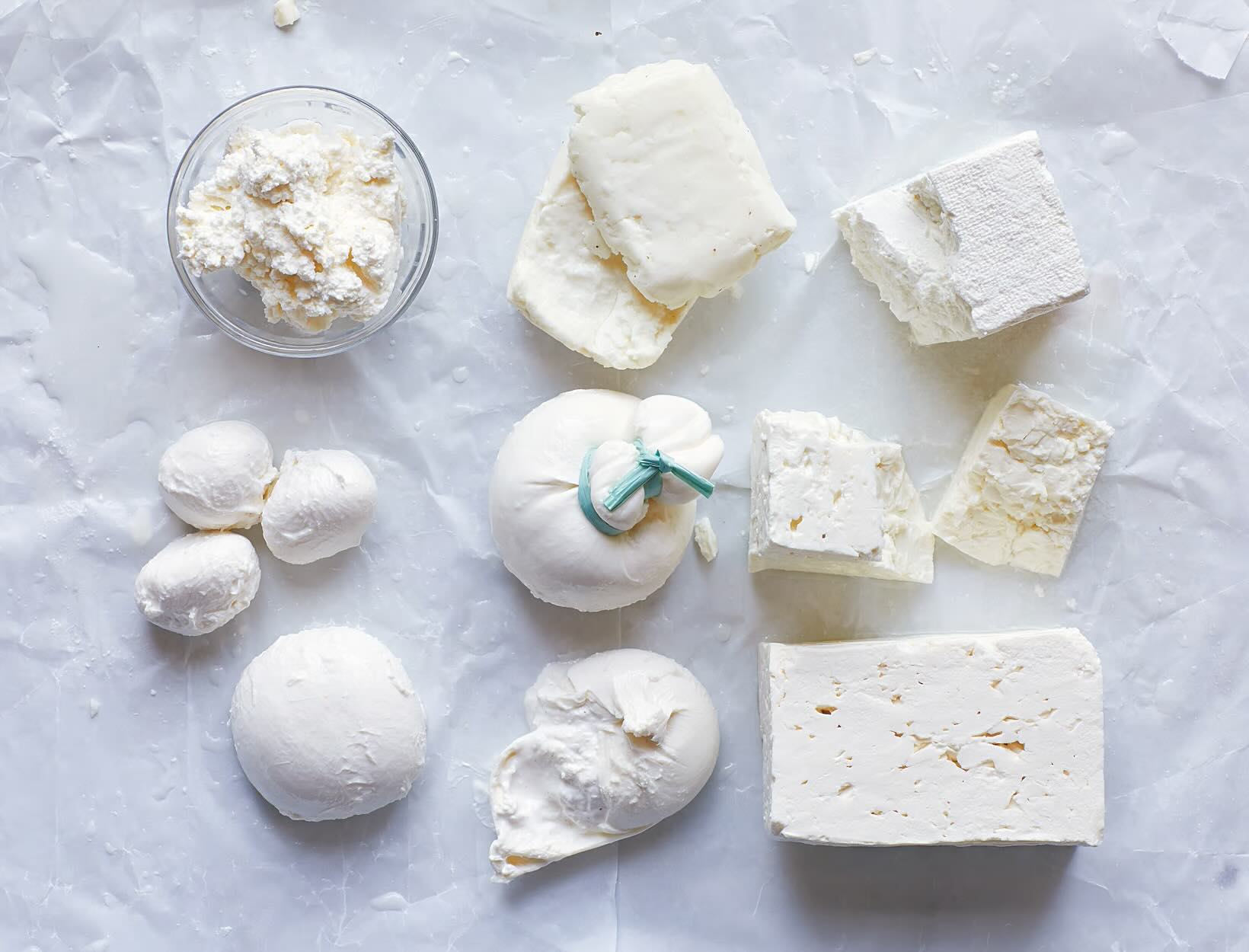
Ingredients For Fresh Cheese Recipe
Whole milk: The base of the cheese, providing richness and creaminess.
Lemon juice: Used to curdle the milk, separating it into curds and whey.
Salt: Enhances the flavor of the cheese, making it more palatable.
Technique Tip for Cheese Making
When heating the milk, make sure to stir occasionally to prevent it from scorching at the bottom of the pot. This ensures an even temperature throughout and helps achieve a smooth curdling process when you add the lemon juice.
Suggested Side Dishes
Alternative Ingredients
whole milk - Substitute with 2% milk: If you prefer a slightly lighter cheese, 2% milk can be used, though the texture may be a bit less creamy.
whole milk - Substitute with goat milk: Goat milk will give the cheese a tangier flavor and a slightly different texture.
lemon juice - Substitute with white vinegar: White vinegar will also curdle the milk effectively, though it may impart a slightly different taste.
lemon juice - Substitute with apple cider vinegar: Apple cider vinegar can be used for a milder, slightly fruity flavor.
salt - Substitute with sea salt: Sea salt can be used for a more nuanced flavor profile.
salt - Substitute with kosher salt: Kosher salt is less dense than table salt, so you might need to adjust the quantity to taste.
Other Alternative Recipes Similar to This
How to Store or Freeze Your Cheese
- To keep your fresh cheese at its best, store it in an airtight container. This will prevent it from absorbing any unwanted odors from other ingredients in your fridge.
- Place the container in the coldest part of your refrigerator, typically the back of the bottom shelf. This ensures the cheese stays at a consistent, cool temperature.
- If you plan to enjoy your fresh cheese within a week, you’re in luck! It will maintain its delightful texture and flavor for up to 7 days when stored properly.
- For longer storage, consider freezing your fresh cheese. Wrap it tightly in plastic wrap or aluminum foil to prevent freezer burn, then place it in a freezer-safe bag or container.
- Label the container with the date so you can keep track of its freshness. Frozen fresh cheese can be stored for up to 2 months.
- When you’re ready to use your frozen fresh cheese, transfer it to the refrigerator to thaw slowly. This gradual thawing process helps maintain its texture and flavor.
- Once thawed, give the cheese a gentle stir to reincorporate any separated whey. If it seems a bit dry, you can add a splash of milk or cream to restore its creamy consistency.
- Avoid refreezing fresh cheese after it has been thawed, as this can negatively impact its texture and flavor.
How to Reheat Leftovers
Stovetop Method: Place the fresh cheese in a non-stick pan over low heat. Add a splash of milk or cream to keep it moist. Stir gently until warmed through, being careful not to overheat as it may become rubbery.
Microwave Method: Put the fresh cheese in a microwave-safe dish. Cover with a damp paper towel to retain moisture. Heat on medium power in 15-second intervals, stirring in between, until the cheese is warm.
Oven Method: Preheat your oven to 300°F (150°C). Place the fresh cheese in an oven-safe dish and cover with aluminum foil to prevent drying out. Heat for about 10-15 minutes, checking occasionally to ensure it doesn't overcook.
Double Boiler Method: Fill a pot with water and bring it to a simmer. Place a heatproof bowl with the fresh cheese over the pot, ensuring the bowl doesn't touch the water. Stir gently until the cheese is warmed through.
Steaming Method: Place the fresh cheese in a heatproof dish and set it in a steamer basket over boiling water. Cover and steam for about 5-7 minutes, or until the cheese is heated through. This method helps retain moisture and texture.
Essential Tools for Cheese Making
Pot: Used to heat the milk over medium heat until it starts to simmer.
Stirring spoon: Used to gently stir the milk after adding the lemon juice to help it curdle.
Cheesecloth: Used to line the strainer and separate the curds from the whey.
Strainer: Used to hold the cheesecloth and allow the whey to drain out, leaving the curds behind.
Measuring spoons: Used to measure out the lemon juice and salt accurately.
Mixing bowl: Used to collect the whey that drains out from the curds.
Thermometer: Optional, but can be used to monitor the temperature of the milk to ensure it reaches a simmer.
Kitchen timer: Used to keep track of the 10-minute resting period and the 15-minute sitting period for the cheese.
How to Save Time on Cheese Making
Use a microwave: Heat the milk in the microwave to save time. Ensure it reaches a simmering point.
Pre-squeeze lemon juice: Have the lemon juice ready before starting to avoid delays.
Cheesecloth prep: Line the strainer with cheesecloth in advance to streamline the process.
Quick curdling: Stir the lemon juice immediately after adding to the milk to speed up curdling.
Efficient straining: Use a larger strainer to separate curds and whey faster.
Immediate salting: Add salt to the curds right after straining to save time.
Fresh Cheese Recipe
Ingredients
Main Ingredients
- 1 liter Milk whole milk
- 2 tablespoon Lemon juice
- 1 teaspoon Salt
Instructions
- 1. Heat the milk in a pot over medium heat until it starts to simmer.
- 2. Add lemon juice and stir gently. The milk will curdle.
- 3. Remove from heat and let it sit for 10 minutes.
- 4. Pour the mixture into a cheesecloth-lined strainer to separate the curds from the whey.
- 5. Gather the cheesecloth and gently squeeze out excess whey. Add salt to the curds and mix well.
- 6. Let the cheese sit for 15 minutes before serving.
Nutritional Value
Keywords
Suggested Main Courses and Desserts
More Amazing Recipes to Try 🙂
- Tuna Steaks with Garlic Herb Cream Sauce Recipe25 Minutes
- Scotch Bonnet Hot Sauce Recipe25 Minutes
- Air Fryer Whole Chicken Recipe1 Hours 10 Minutes
- Slow Cooker Chicken Recipe4 Hours 10 Minutes
- Banana Milkshake Recipe5 Minutes
- Baked Jalapeno Poppers Recipe35 Minutes
- Cranberry Pineapple Juice Recipe10 Minutes
- Carrot and Orange Juice Recipe10 Minutes











Leave a Reply