

I love how this butternut hummus brings together creamy, sweet, and tangy flavors all in one bowl. It’s a fun twist on regular hummus that feels special but is still simple to make. I can’t wait for you to try it and see how the pomegranate seeds add a little pop of color and crunch!
Some ingredients like tahini and pomegranate seeds might not be in every kitchen. Tahini is a sesame seed paste that adds a rich, nutty flavor, and you can usually find it in the international or health food aisle at the supermarket. Pomegranate seeds are sometimes sold fresh or frozen, so check the produce section or the freezer aisle if fresh ones aren’t available.
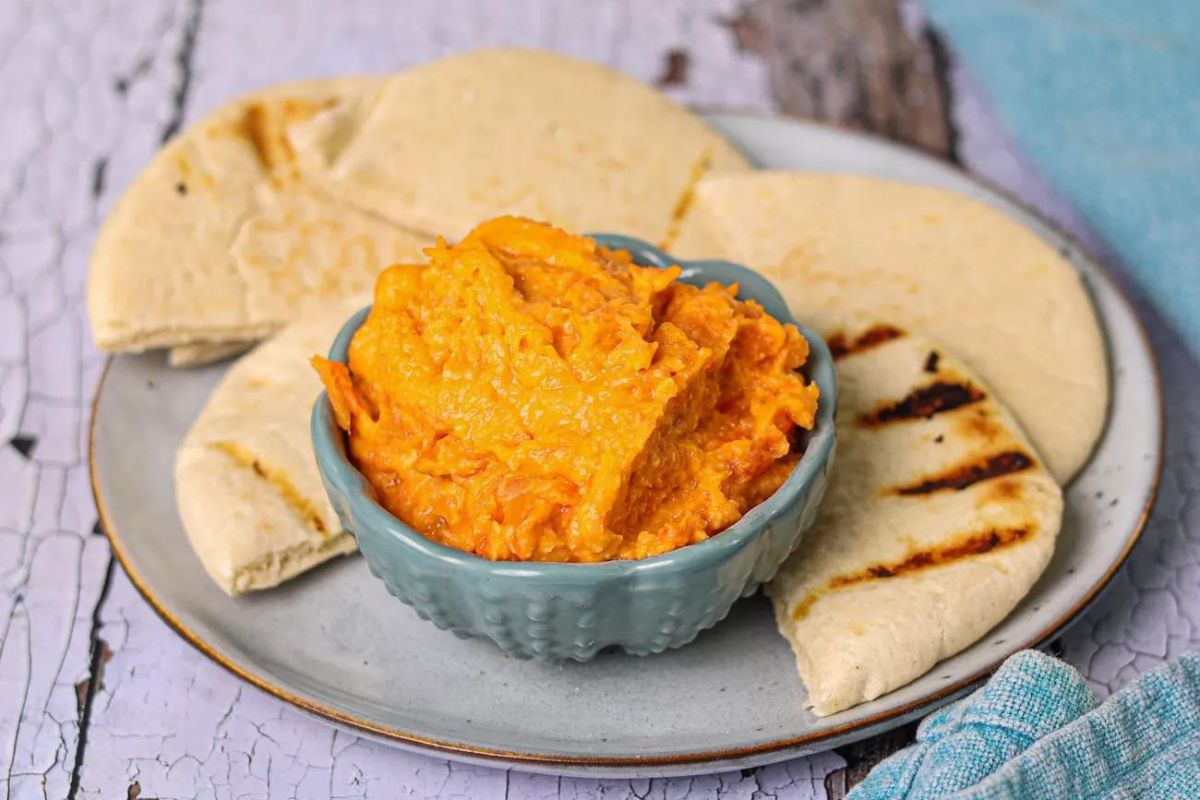
Ingredients For Butternut Hummus With Feta & Pomegranates
Butternut squash: A sweet, nutty-flavored vegetable that becomes soft and creamy when roasted.
Olive oil: Adds richness and helps roast the squash to a golden color.
Chickpeas: The base of hummus, providing creaminess and protein.
Tahini: A smooth paste made from sesame seeds that gives hummus its signature flavor.
Garlic: Adds a sharp, savory kick to balance the sweetness.
Lemon juice: Brings brightness and a little tang to the dish.
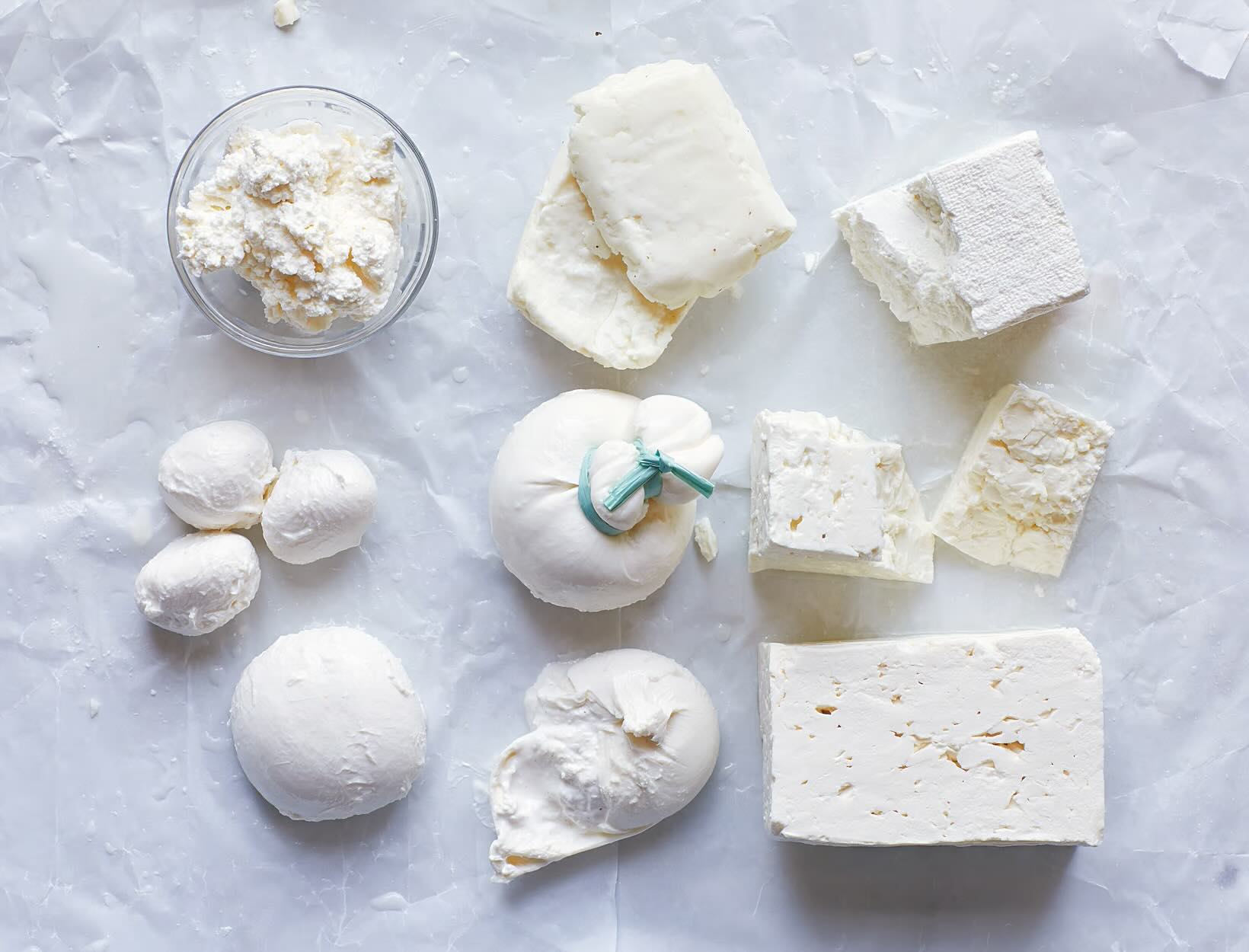
Feta cheese: Crumbled on top for a salty, creamy contrast.
Pomegranate seeds: Small, juicy seeds that add a fresh, sweet crunch and beautiful color.
Technique Tip for This Recipe
Roasting the butternut squash is a key step that really brings out its natural sweetness and makes your hummus creamy and flavorful. Here’s how to get it just right:
- First, peel and cube the butternut squash into even pieces. This helps them cook at the same speed.
- Toss the cubes with olive oil so they get a nice coating. This helps them roast evenly and develop a little caramelization.
- Spread the cubes out in a single layer on a baking sheet. If they’re too crowded, they’ll steam instead of roast, and you won’t get that yummy roasted flavor.
- Roast in a preheated oven at 400°F (200°C) for about 25-30 minutes. Check them around 20 minutes by poking with a fork—they should be tender and soft but not mushy.
Roasting the butternut squash this way makes your hummus taste richer and smoother because the heat breaks down the squash’s fibers and brings out its sweetness. If you skip roasting or don’t cook it long enough, the hummus might taste a bit raw or bland.
A little tip from me: the first time I made this, I didn’t spread the squash cubes out enough, and they steamed instead of roasted. The hummus ended up watery and not as tasty. Now I always make sure there’s space between the pieces on the pan. Also, if you want to save time, you can roast the butternut squash ahead of time and keep it in the fridge for a day or two before blending it with the other ingredients.
Roasting is simple but makes a big difference in flavor and texture, so it’s worth taking the time to do it right!
Suggested Side Dishes
Alternative Ingredients
butternut squash - Substitute with sweet potatoes: Sweet potatoes have a similar texture and sweetness, making them a great alternative to butternut squash.
olive oil - Substitute with avocado oil: Avocado oil has a similar fat content and a mild flavor, making it a suitable replacement for olive oil.
chickpeas - Substitute with white beans: White beans have a creamy texture and mild flavor that can mimic chickpeas in hummus.
tahini - Substitute with sunflower seed butter: Sunflower seed butter provides a similar creamy texture and nutty flavor to tahini.
garlic - Substitute with shallots: Shallots offer a milder, sweeter flavor compared to garlic, which can be a pleasant variation in hummus.
lemon juice - Substitute with lime juice: Lime juice has a similar acidity and citrus flavor, making it a good alternative to lemon juice.
feta cheese - Substitute with goat cheese: Goat cheese has a similar tangy flavor and crumbly texture, making it a suitable replacement for feta cheese.
pomegranate seeds - Substitute with dried cranberries: Dried cranberries provide a similar burst of sweetness and tartness, adding a comparable flavor profile to the dish.
Other Alternative Recipes
How To Store / Freeze This Dish
- Allow the butternut hummus to cool completely before storing. This prevents condensation, which can affect the texture and flavor.
- Transfer the hummus to an airtight container. Ensure the container is clean and dry to maintain the freshness of the hummus.
- Store the container in the refrigerator. The hummus will stay fresh for up to 5 days.
- If you plan to freeze the hummus, portion it into smaller containers. This makes it easier to thaw only what you need.
- Leave some space at the top of each container before freezing. The hummus will expand slightly as it freezes.
- Label each container with the date of preparation. This helps you keep track of how long the hummus has been stored.
- When ready to use, thaw the hummus in the refrigerator overnight. Avoid thawing at room temperature to prevent bacterial growth.
- Before serving, give the hummus a good stir. The texture may change slightly after freezing, but stirring will help restore its creamy consistency.
- Top with fresh feta cheese and pomegranate seeds just before serving. This ensures the toppings remain vibrant and flavorful.
How To Reheat Leftovers
Microwave Method: Place the butternut hummus in a microwave-safe bowl. Cover it with a damp paper towel to retain moisture. Heat on medium power for 1-2 minutes, stirring halfway through to ensure even heating. Top with fresh feta cheese and pomegranate seeds after reheating.
Stovetop Method: Transfer the hummus to a small saucepan. Warm it over low heat, stirring occasionally to prevent sticking and ensure even heating. Once warmed through, transfer to a serving dish and garnish with fresh feta and pomegranate.
Oven Method: Preheat your oven to 350°F (175°C). Spread the hummus in an oven-safe dish and cover with aluminum foil to prevent drying out. Heat for about 10-15 minutes or until warmed through. Remove from the oven and add fresh feta and pomegranate seeds before serving.
Double Boiler Method: Fill a pot with a few inches of water and bring to a simmer. Place a heatproof bowl with the hummus over the pot, ensuring the bottom of the bowl does not touch the water. Stir occasionally until the hummus is warmed through. Transfer to a serving bowl and top with fresh feta and pomegranate.
Room Temperature Method: If you prefer not to heat the hummus, you can let it sit at room temperature for about 30 minutes. This method works well if you’re in a hurry and still want to enjoy the flavors without the chill. Add fresh feta and pomegranate seeds just before serving.
Best Tools for This Recipe
Oven: Used to roast the butternut squash until it becomes tender and caramelized.
Baking sheet: Provides a flat surface for roasting the butternut squash evenly.
Parchment paper: Optional, but can be used to line the baking sheet for easier cleanup.
Knife: Essential for peeling and cubing the butternut squash.
Cutting board: Provides a stable surface for safely cutting the butternut squash.
Food processor: Blends the roasted squash, chickpeas, tahini, garlic, and lemon juice into a smooth hummus.
Measuring spoons: Ensures accurate measurement of olive oil and tahini.
Measuring cup: Useful for measuring the crumbled feta cheese and pomegranate seeds.
Garlic press: Optional, but can be used to mince the garlic more efficiently.
Serving bowl: Used to present the finished butternut hummus attractively.
Spatula: Helps in transferring the hummus from the food processor to the serving bowl and for mixing ingredients.
How To Save Time on This Recipe
Roast in advance: Roast the butternut squash ahead of time and store it in the fridge to save time on the day of preparation.
Use canned chickpeas: Opt for canned chickpeas instead of dried ones to skip the soaking and cooking process.
Pre-minced garlic: Use pre-minced garlic from a jar to avoid the hassle of peeling and mincing fresh garlic.
Lemon juice concentrate: Keep a bottle of lemon juice concentrate in your fridge to quickly add acidity without squeezing fresh lemons.
Ready-made tahini: Purchase ready-made tahini to eliminate the need for grinding sesame seeds.
Butternut Hummus With Feta & Pomegranates Recipe
Ingredients
Main Ingredients
- 1 medium butternut squash, peeled and cubed
- 2 tablespoon olive oil
- 1 can chickpeas, drained and rinsed
- 2 tablespoon tahini
- 1 clove garlic, minced
- 1 Juice of 1 lemon
- Salt to taste
- ¼ cup crumbled feta cheese
- ¼ cup pomegranate seeds
Instructions
- Preheat oven to 400°F (200°C).
- Toss butternut squash with olive oil and spread on a baking sheet. Roast for 25-30 minutes until tender.
- In a food processor, combine roasted squash, chickpeas, tahini, garlic, lemon juice, and salt. Blend until smooth.
- Transfer to a serving bowl and top with crumbled feta and pomegranate seeds.
Nutritional Value
Keywords
Suggested Main Courses and Desserts
More Amazing Recipes to Try 🙂
- Gnocchi Recipe40 Minutes
- Oven Pancakes Recipe30 Minutes
- Turkey Breakfast Sausage Recipe20 Minutes
- Madras Cocktail Recipe5 Minutes
- Blackened Chicken Recipe25 Minutes
- Beef Shish Kabobs Recipe30 Minutes
- Bologna Recipe25 Minutes
- Buffalo Chicken Wraps Recipe25 Minutes









Leave a Reply