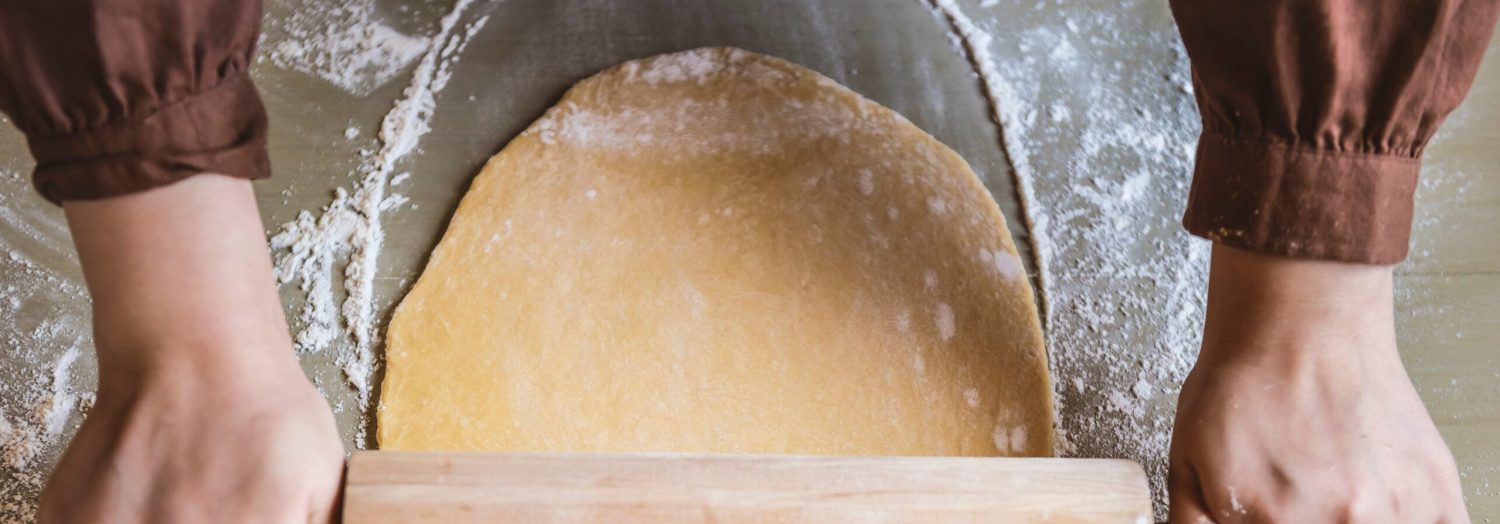

I love making spring rolls because they are crunchy, fresh, and full of flavor. They are perfect for sharing with friends or enjoying as a tasty snack. I can’t wait for you to try this recipe and see how fun it is to roll your own spring rolls at home.
Some ingredients like spring roll wrappers might not be in every kitchen, but you can usually find them in the frozen or Asian food section of most supermarkets. Bean sprouts and sesame oil are also special items to look for, but they add a lot of flavor and crunch to the rolls. If you don’t eat shrimp, you can swap it for cooked chicken or tofu.
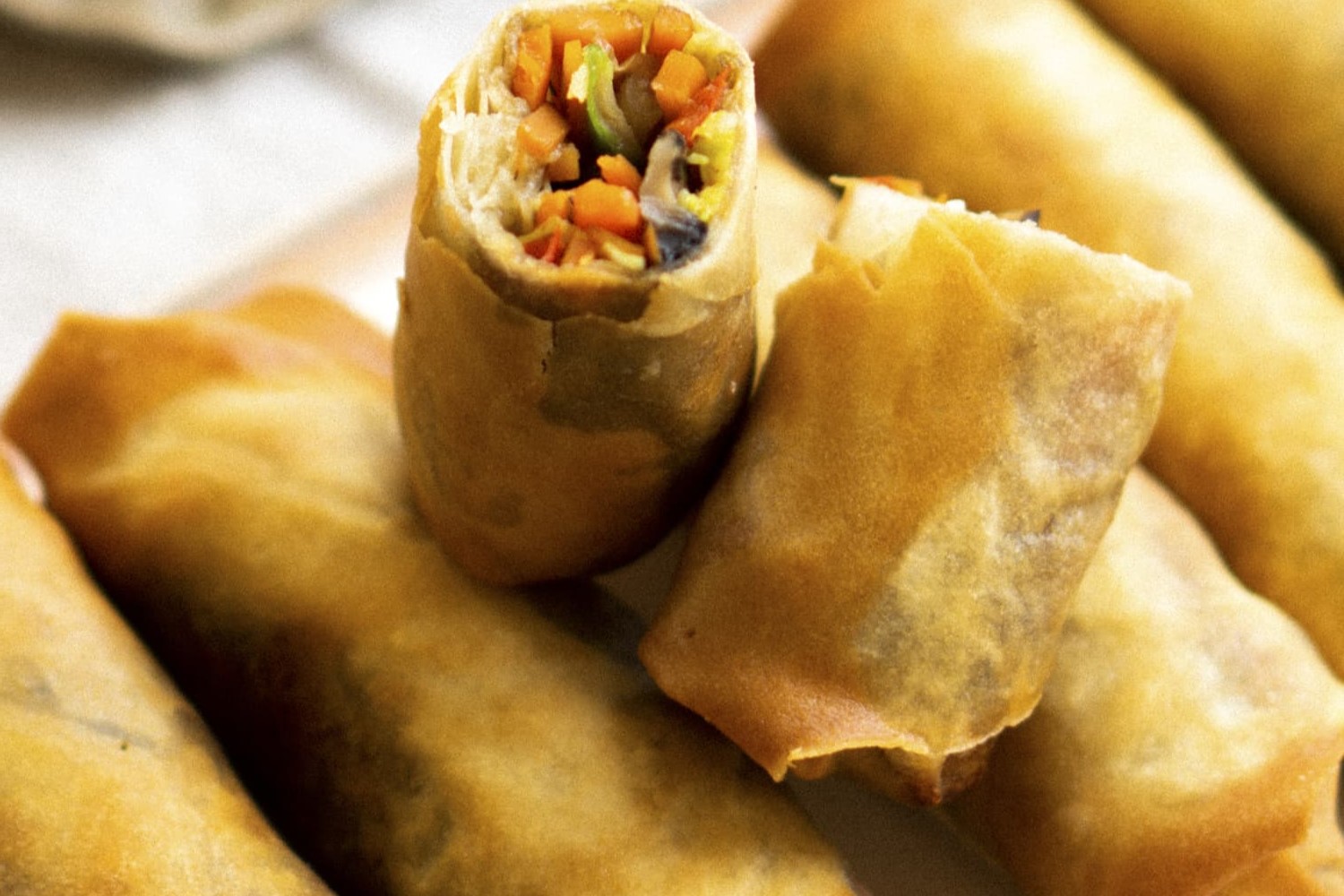
Spring Rolls Recipe Ingredients
Spring roll wrappers: thin sheets used to wrap the filling and create the crispy outside when fried.
Carrots: shredded to add sweetness and crunch.
Cabbage: shredded for a fresh, slightly crunchy texture.
Bean sprouts: add a light, crisp bite and freshness.
Shrimp: cooked and chopped, giving the rolls a savory seafood flavor.
Soy sauce: adds salty and umami taste to the filling.
Sesame oil: gives a nutty aroma and flavor.
Ginger: grated to add a little spicy warmth.
Garlic: minced for a strong, savory kick.
Vegetable oil: used for frying the spring rolls until golden and crispy.
Technique Tip for Spring Rolls
One of the trickiest parts of making spring rolls is rolling them up without the filling falling out or the wrapper tearing. Here’s a simple way to get it just right:
- Lay your spring roll wrapper flat on a clean surface, like a cutting board or plate.
- Put a small amount of the filling (about two tablespoons) near the bottom center of the wrapper. Don’t overfill it, or it will be hard to roll.
- Fold the bottom edge up over the filling.
- Fold the left and right sides in toward the center, covering the filling like little walls.
- Now, roll the wrapper up tightly from the bottom, keeping the sides folded in as you go.
- When you get to the top edge, dip your finger in a little water and run it along the edge to make it sticky. Press it down gently to seal the roll.
Doing it this way helps keep everything inside and stops the wrapper from opening while frying. If the roll isn’t tight enough, it might come apart in the hot oil, and that can be messy! Also, sealing the edge with water is like glue—it holds everything together without adding any extra flavor or changing the texture.
When I first tried rolling spring rolls, I stuffed way too much filling inside and didn’t fold the sides properly. The rolls burst open in the pan, and I had filling floating in the oil. Not fun! After practicing a bit, I found that using less filling and folding carefully made the whole process much easier and the rolls looked so much nicer. Plus, they stayed crispy and delicious when fried.
If you’re in a hurry, you can prepare all the filling first and then roll the spring rolls one by one. It helps keep things organized and makes rolling feel less overwhelming. Just remember to keep the wrappers covered with a damp towel so they don’t dry out and crack while you work.
Suggested Side Dishes
Alternative Ingredients
spring roll wrappers - Substitute with rice paper: Rice paper is a common alternative that provides a similar texture and is often used in Vietnamese spring rolls.
shredded carrots - Substitute with shredded zucchini: Zucchini has a similar texture and moisture content, making it a good substitute for carrots.
shredded cabbage - Substitute with shredded lettuce: Lettuce can provide a similar crunch and freshness, though it has a milder flavor.
bean sprouts - Substitute with shredded jicama: Jicama offers a similar crunch and mild flavor, making it a good alternative to bean sprouts.
cooked shrimp - Substitute with cooked chicken: Cooked chicken can provide a similar protein content and texture, making it a versatile substitute.
soy sauce - Substitute with tamari: Tamari is a gluten-free alternative to soy sauce with a similar umami flavor.
sesame oil - Substitute with olive oil: Olive oil can be used as a substitute, though it has a different flavor profile. Adding a bit of toasted sesame seeds can help mimic the sesame flavor.
grated ginger - Substitute with ground ginger: Ground ginger can be used in a pinch, though it is more concentrated, so use about half the amount.
garlic - Substitute with garlic powder: Garlic powder can be used as a substitute, though it is more concentrated, so use about half the amount.
vegetable oil - Substitute with canola oil: Canola oil has a similar smoke point and neutral flavor, making it a good alternative for frying.
Other Alternative Recipes Similar to Spring Rolls
How to Store or Freeze Spring Rolls
- Allow the spring rolls to cool completely before storing. This prevents condensation, which can make them soggy.
- Place the spring rolls in an airtight container, separating each layer with parchment paper to avoid sticking.
- Store the container in the refrigerator if you plan to consume the spring rolls within 2-3 days.
- For longer storage, arrange the cooled spring rolls on a baking sheet lined with parchment paper, ensuring they do not touch each other.
- Freeze the spring rolls on the baking sheet for about 1-2 hours, or until they are firm.
- Transfer the frozen spring rolls to a resealable freezer bag or airtight container, removing as much air as possible to prevent freezer burn.
- Label the container with the date to keep track of freshness.
- When ready to enjoy, reheat the spring rolls directly from the freezer. Preheat your oven to 375°F (190°C) and bake for 15-20 minutes, or until they are heated through and crispy.
- Alternatively, you can reheat the spring rolls in a frying pan with a bit of vegetable oil over medium heat, turning occasionally until they are warmed and crispy.
How to Reheat Leftovers
Preheat your oven to 350°F (175°C). Place the leftover spring rolls on a baking sheet lined with parchment paper. Bake for about 10-15 minutes, flipping halfway through, until they are heated through and crispy.
For a quick reheat, use an air fryer. Set the air fryer to 350°F (175°C) and place the spring rolls in a single layer. Heat for 5-7 minutes, shaking the basket halfway through to ensure even crispiness.
If you prefer using a microwave, place the spring rolls on a microwave-safe plate. Cover them with a damp paper towel to prevent them from drying out. Microwave on medium power for 1-2 minutes, then check if they are heated through. Note that this method might not keep them as crispy.
For stovetop reheating, heat a non-stick skillet over medium heat. Add a small amount of vegetable oil and place the spring rolls in the skillet. Cook for 2-3 minutes on each side until they are warmed through and regain some crispiness.
If you have a toaster oven, preheat it to 350°F (175°C). Place the spring rolls on the toaster oven tray and heat for 10-12 minutes, turning them halfway through to ensure they are evenly reheated and crispy.
Essential Tools for Making Spring Rolls
Mixing bowl: A large bowl used to combine and mix all the ingredients for the filling.
Grater: Used to shred the carrots and cabbage into fine pieces.
Knife: Essential for chopping the cooked shrimp into small pieces and mincing the garlic.
Cutting board: Provides a stable surface for chopping and mincing ingredients.
Measuring cups: Used to measure out the correct amounts of carrots, cabbage, bean sprouts, and shrimp.
Measuring spoons: Used to measure the soy sauce, sesame oil, and grated ginger accurately.
Frying pan: Used to heat the vegetable oil and fry the spring rolls until they are golden brown and crispy.
Tongs: Handy for turning the spring rolls in the frying pan to ensure even cooking on all sides.
Paper towels: Used to drain the excess oil from the fried spring rolls.
Small bowl: Used to hold a bit of water for sealing the edges of the spring roll wrappers.
Plate: Used to place the prepared spring rolls before frying and to serve them once they are cooked.
How to Save Time on Making Spring Rolls
Prepare the filling in advance: Chop and mix carrots, cabbage, bean sprouts, and shrimp the night before to save time.
Use pre-shredded vegetables: Buy pre-shredded carrots and cabbage to cut down on prep time.
Batch roll the spring rolls: Lay out multiple wrappers and fill them all at once before rolling.
Fry in batches: Fry several spring rolls at a time to speed up the cooking process.
Use a food processor: Quickly shred vegetables using a food processor.
Spring Rolls Recipe
Ingredients
Main Ingredients
- 12 pieces Spring roll wrappers
- 1 cup Shredded carrots
- 1 cup Shredded cabbage
- 1 cup Bean sprouts
- 1 cup Cooked shrimp, chopped
- 2 tablespoon Soy sauce
- 1 tablespoon Sesame oil
- 1 teaspoon Grated ginger
- 2 cloves Garlic, minced
- 1 cup Vegetable oil (for frying)
Instructions
- 1. In a mixing bowl, combine carrots, cabbage, bean sprouts, shrimp, soy sauce, sesame oil, ginger, and garlic.
- 2. Place a small amount of the filling in the center of each spring roll wrapper.
- 3. Fold the sides over the filling, then roll up tightly. Seal the edges with a bit of water.
- 4. Heat vegetable oil in a frying pan over medium heat.
- 5. Fry the spring rolls until golden brown and crispy, about 2-3 minutes per side.
- 6. Drain on paper towels and serve hot with your favorite dipping sauce.
Nutritional Value
Keywords
Suggested Main Courses and Desserts
More Amazing Recipes to Try 🙂
- Spicy Seafood Sauce Recipe30 Minutes
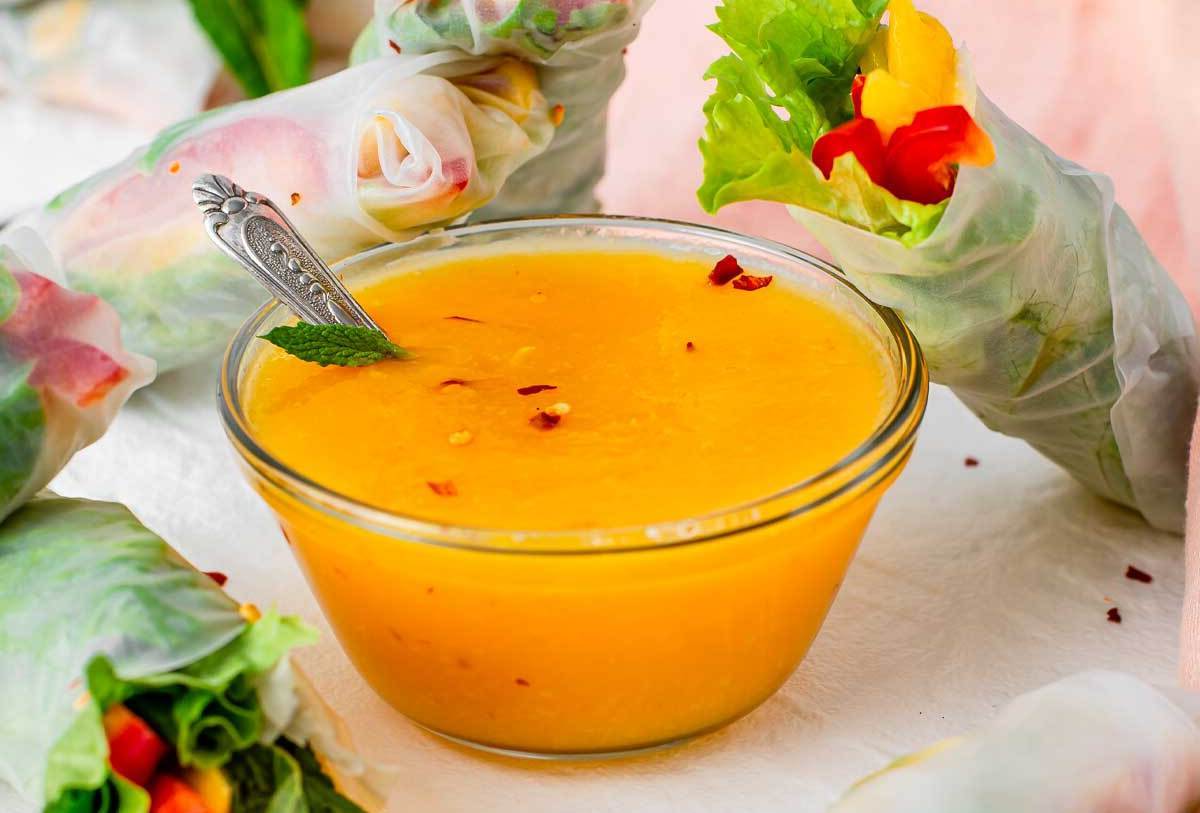
- Veggie Spring Rolls with Mango Dipping Sauce Recipe30 Minutes
- Pickled Watermelon Rinds Recipe30 Minutes
- Cocktail Sauce Recipe5 Minutes
- Mexican Sopes Recipe40 Minutes
- Traditional Mexican Street Tacos Recipe30 Minutes
- Eggless French Toast Recipe20 Minutes
- Traditional Gyro Meat Recipe1 Hours 20 Minutes
Leave a Reply