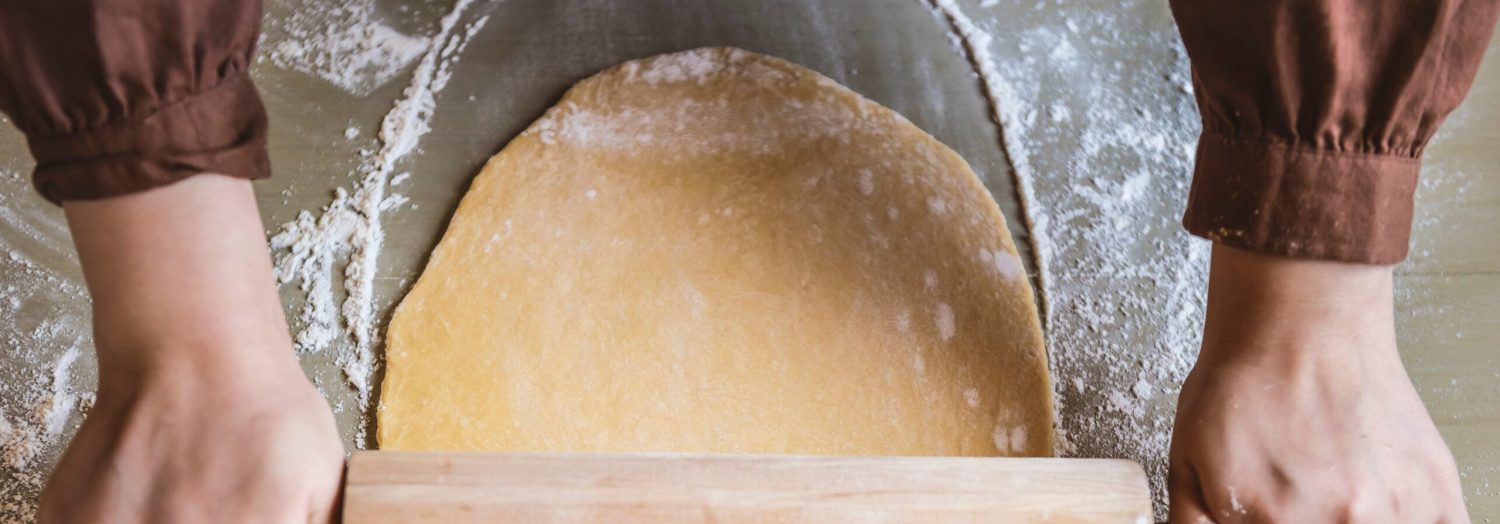

I love making this chickpea flour flatbread because it’s simple and tasty, perfect for a quick snack or a light meal. It’s one of those recipes that feels like a little kitchen win every time you make it. Scroll down to see how easy it is to whip up with just a few ingredients!
Chickpea flour might not be something you have in your pantry yet, but it’s usually easy to find in most supermarkets, often near the regular flours or in the health food section. It’s made from ground chickpeas and gives the flatbread a nice nutty flavor and a soft texture. Olive oil and salt are common, but if you don’t have olive oil, you can use another cooking oil you like.
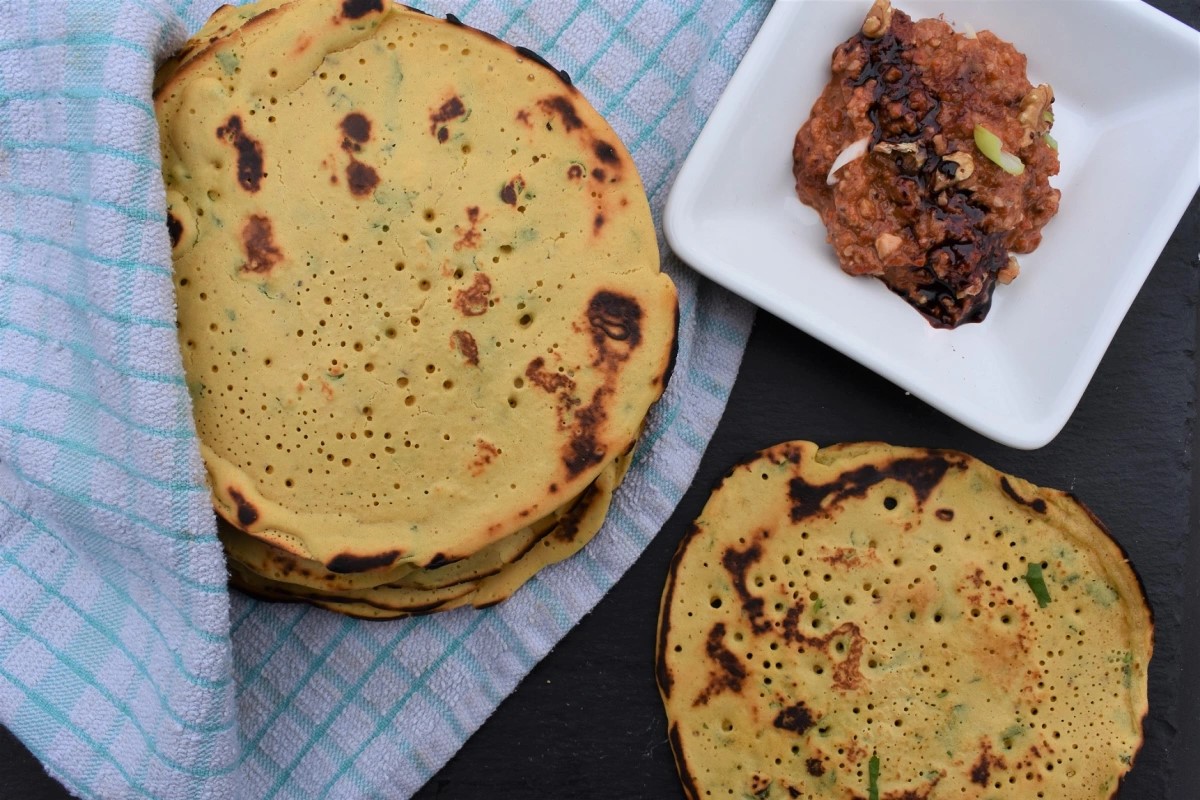
Ingredients For Chickpea Flour Flatbread Recipe
Chickpea flour: A flour made from ground chickpeas, it gives the flatbread its unique taste and texture.
Water: Used to mix with the flour to create the batter.
Olive oil: Adds flavor and helps the flatbread cook nicely without sticking.
Salt: Enhances the flavor of the flatbread.
Technique Tip for This Recipe
One of the most helpful moves in this Chickpea Flour Flatbread Recipe is learning how to pour and spread the batter evenly in the skillet. Getting this right means your flatbread cooks nicely and looks great! Here’s how you can do it step by step:
- Use a ladle or a big spoon to scoop up some batter from your bowl.
- Pour the batter into the center of your heated skillet.
- Quickly tilt and swirl the skillet in a circular motion so the batter spreads out evenly into a thin, round shape.
- If the batter doesn’t spread all the way to the edges, you can gently use the back of your ladle or a spatula to help spread it out a bit more.
Doing this makes sure your flatbread cooks evenly and gets that perfect golden brown color on both sides. If the batter is too thick in some spots, those parts might stay gooey or take longer to cook, and nobody wants that! Plus, a nice even shape makes your flatbread look super inviting when you serve it.
When I first tried this, I poured the batter and just left it alone, which made the flatbread thick in the middle and thin on the edges. It didn’t cook well, and I had to cook it longer, which made some parts a little dry. Now, I always swirl the pan right after pouring, and it’s way better. Also, if you’re in a hurry, you can skip the swirling and just spread the batter with the back of a spoon, but swirling feels a little more fun and smooth once you get the hang of it.
This simple step helps your flatbread turn out just right, making your cooking time easier and your snack tastier!
Suggested Side Dishes
Alternative Ingredients
chickpea flour - Substitute with almond flour: Almond flour provides a nutty flavor and similar texture, though it may require a binder like an egg to hold together.
chickpea flour - Substitute with oat flour: Oat flour has a mild flavor and can be used in a 1:1 ratio, though it may result in a slightly different texture.
water - Substitute with vegetable broth: Vegetable broth adds extra flavor to the flatbread, enhancing its taste.
water - Substitute with coconut milk: Coconut milk adds a creamy texture and a hint of sweetness, making the flatbread richer.
olive oil - Substitute with avocado oil: Avocado oil has a similar fat content and a neutral flavor, making it a good alternative.
olive oil - Substitute with melted coconut oil: Melted coconut oil provides a subtle coconut flavor and similar moisture content.
salt - Substitute with soy sauce: Soy sauce adds a savory umami flavor, though it will also add a bit of liquid to the recipe.
salt - Substitute with sea salt: Sea salt provides a similar salty taste but with a slightly different mineral content, which can enhance the flavor.
Other Alternative Recipes Similar to This Flatbread
How To Store or Freeze Your Flatbread
Allow the flatbreads to cool completely before storing. This prevents condensation, which can make them soggy.
Place a sheet of parchment paper between each flatbread to prevent them from sticking together.
Store the flatbreads in an airtight container or a resealable plastic bag. This helps maintain their freshness and prevents them from drying out.
Keep the container or bag in the refrigerator if you plan to consume the flatbreads within 3-4 days. This ensures they stay fresh and safe to eat.
For longer storage, place the flatbreads in the freezer. They can be stored for up to 2 months without losing their quality.
When ready to use, thaw the flatbreads in the refrigerator overnight or at room temperature for a few hours.
To reheat, warm the flatbreads in a non-stick skillet over medium heat for 1-2 minutes on each side. Alternatively, you can use a microwave, heating them for about 20-30 seconds.
For a crispier texture, reheat the flatbreads in a preheated oven at 350°F (175°C) for 5-7 minutes. This will give them a delightful crunch.
If you prefer a softer texture, wrap the flatbreads in a damp paper towel before microwaving. This will help retain moisture and keep them pliable.
Consider adding a sprinkle of herbs or a drizzle of olive oil before reheating to enhance the flavor and aroma of the flatbreads.
How To Reheat Leftovers
Stovetop Method:
- Preheat a non-stick skillet over medium heat.
- Lightly brush the skillet with olive oil.
- Place the chickpea flour flatbread in the skillet.
- Heat for 1-2 minutes on each side until warmed through and slightly crispy.
Oven Method:
- Preheat your oven to 350°F (175°C).
- Place the flatbread on a baking sheet.
- Cover with aluminum foil to prevent drying out.
- Bake for 5-7 minutes until heated through.
Microwave Method:
- Place the flatbread on a microwave-safe plate.
- Cover with a damp paper towel to retain moisture.
- Microwave on high for 20-30 seconds.
- Check and add additional 10-second intervals if needed.
Toaster Oven Method:
- Preheat the toaster oven to 350°F (175°C).
- Place the flatbread directly on the rack or on a tray.
- Heat for 3-5 minutes until warmed through and slightly crispy.
Steaming Method:
- Set up a steamer basket over boiling water.
- Place the flatbread in the basket.
- Cover and steam for 2-3 minutes until heated through and soft.
Essential Tools for Making Flatbread
Mixing bowl: A large bowl used to combine the chickpea flour, water, olive oil, and salt into a smooth batter.
Whisk: A utensil used to blend the ingredients together until smooth and lump-free.
Non-stick skillet: A pan with a non-stick surface to cook the flatbread without it sticking.
Ladle: A deep-bowled spoon used to pour the batter into the skillet.
Spatula: A flat tool used to flip the flatbread to cook both sides evenly.
How to Save Time on This Recipe
Prepare ingredients in advance: Measure out the chickpea flour, water, olive oil, and salt ahead of time to streamline the process.
Use a blender: Blend the batter ingredients for a smoother consistency and to save time on whisking.
Preheat the skillet: Start heating the non-stick skillet while the batter rests to save time.
Batch cooking: Cook multiple flatbreads simultaneously if you have a large enough skillet or griddle.
Store batter: Make extra batter and store it in the fridge for up to two days for quick future use.
Chickpea Flour Flatbread Recipe
Ingredients
Flatbread Ingredients
- 1 cup chickpea flour
- 1 cup water
- 1 tablespoon olive oil
- ½ teaspoon salt
Instructions
- 1. In a mixing bowl, whisk together chickpea flour, water, olive oil, and salt until smooth.
- 2. Let the batter rest for 10 minutes.
- 3. Heat a non-stick skillet over medium heat.
- 4. Pour a ladleful of batter into the skillet and spread it out evenly.
- 5. Cook for 2-3 minutes on each side until golden brown.
- 6. Repeat with the remaining batter.
Nutritional Value
Keywords
Suggested Appetizers and Desserts
More Amazing Recipes to Try 🙂
- Pickled Watermelon Rinds Recipe30 Minutes
- Cocktail Sauce Recipe5 Minutes
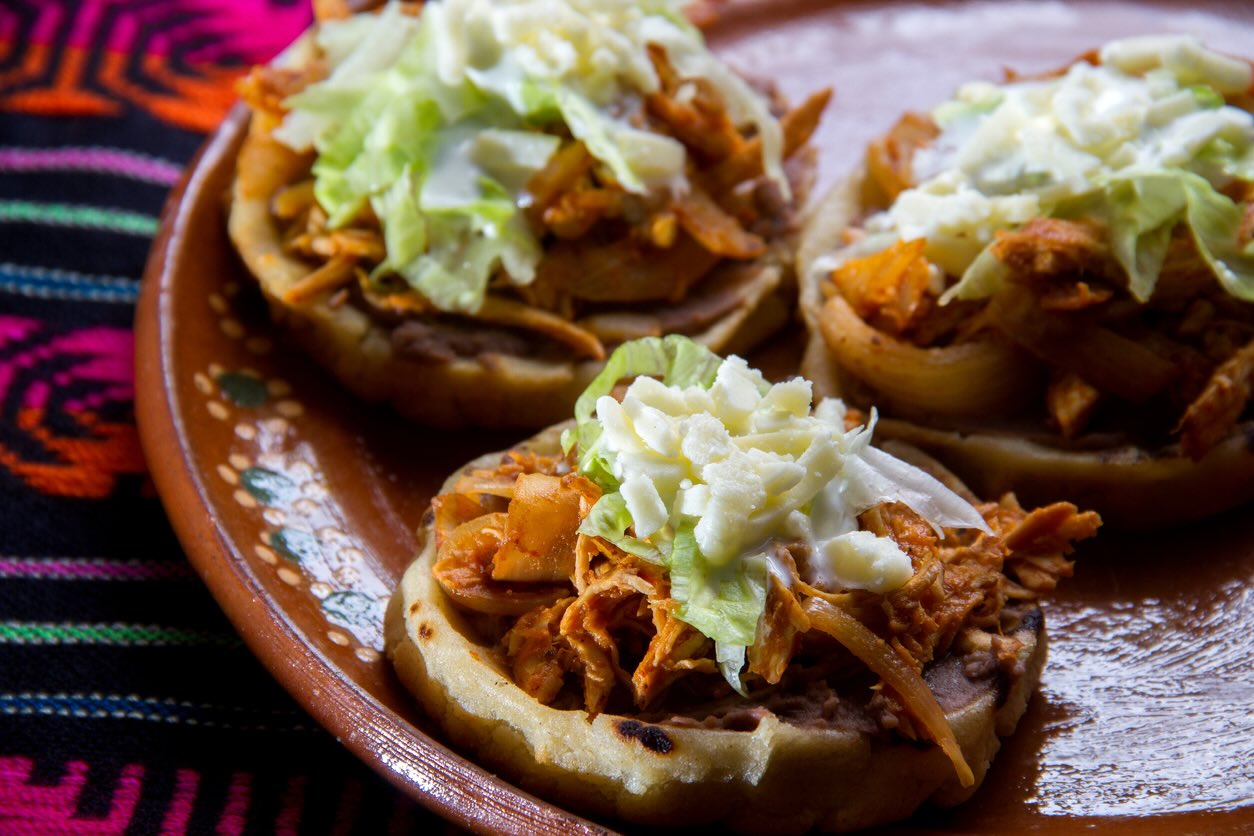
- Mexican Sopes Recipe40 Minutes
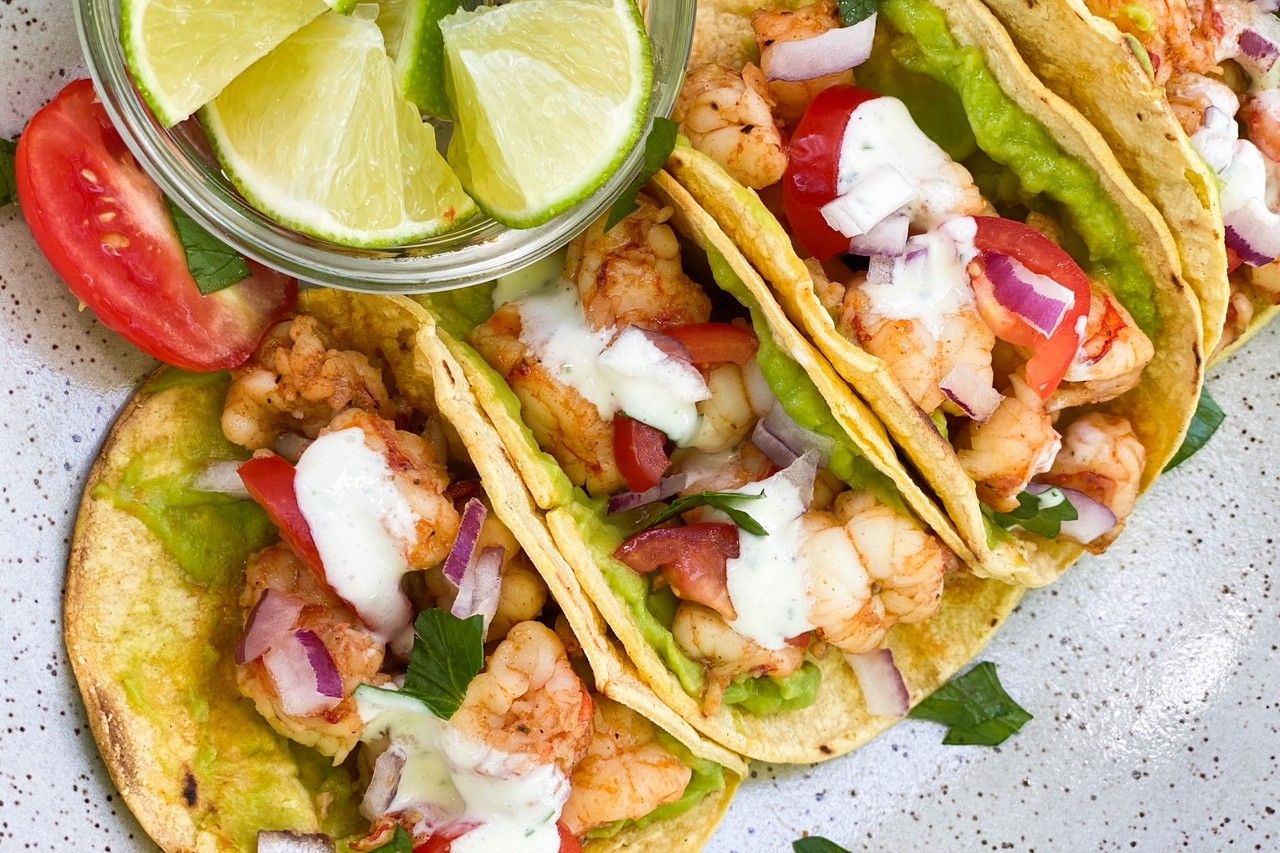
- Traditional Mexican Street Tacos Recipe30 Minutes
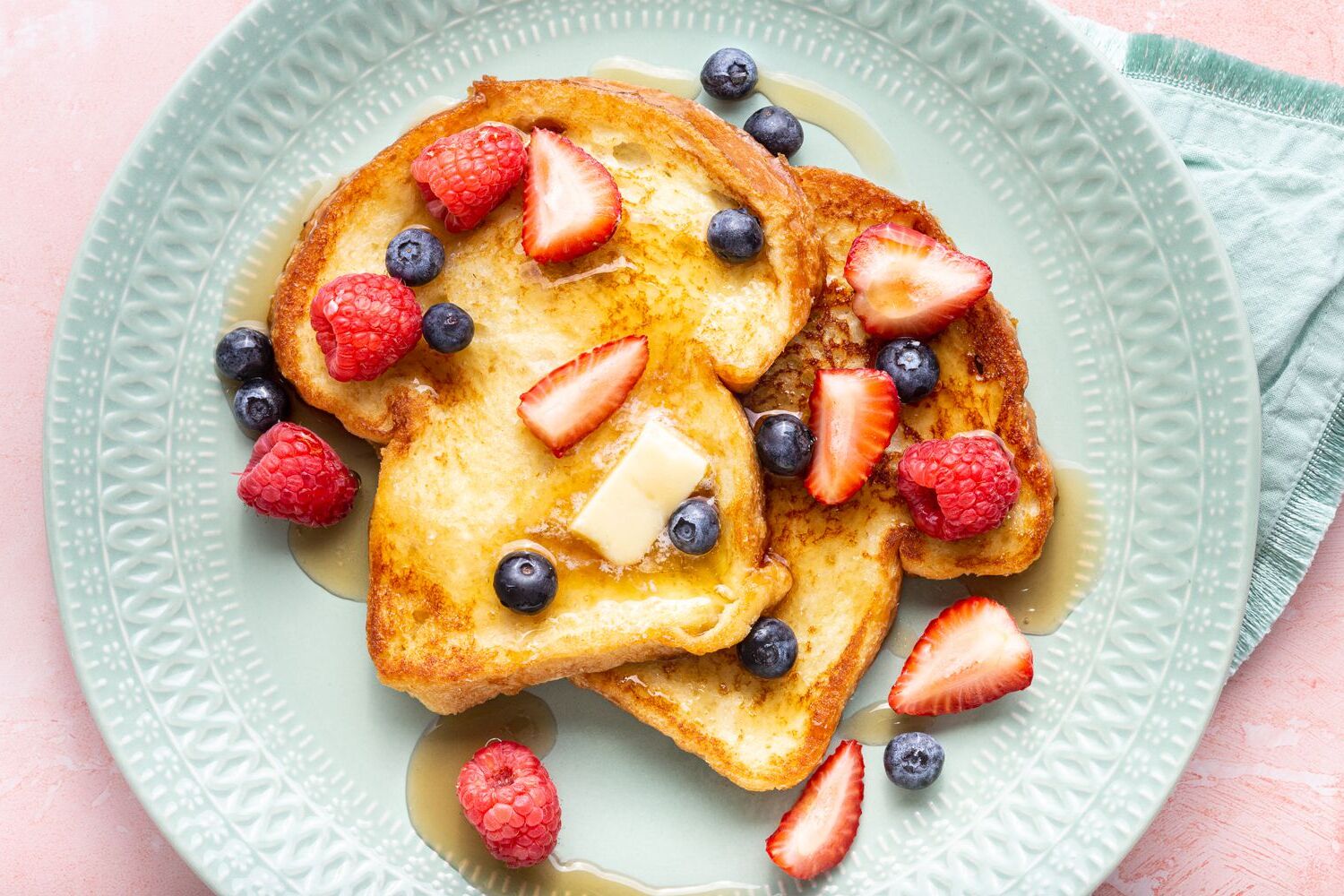
- Eggless French Toast Recipe20 Minutes
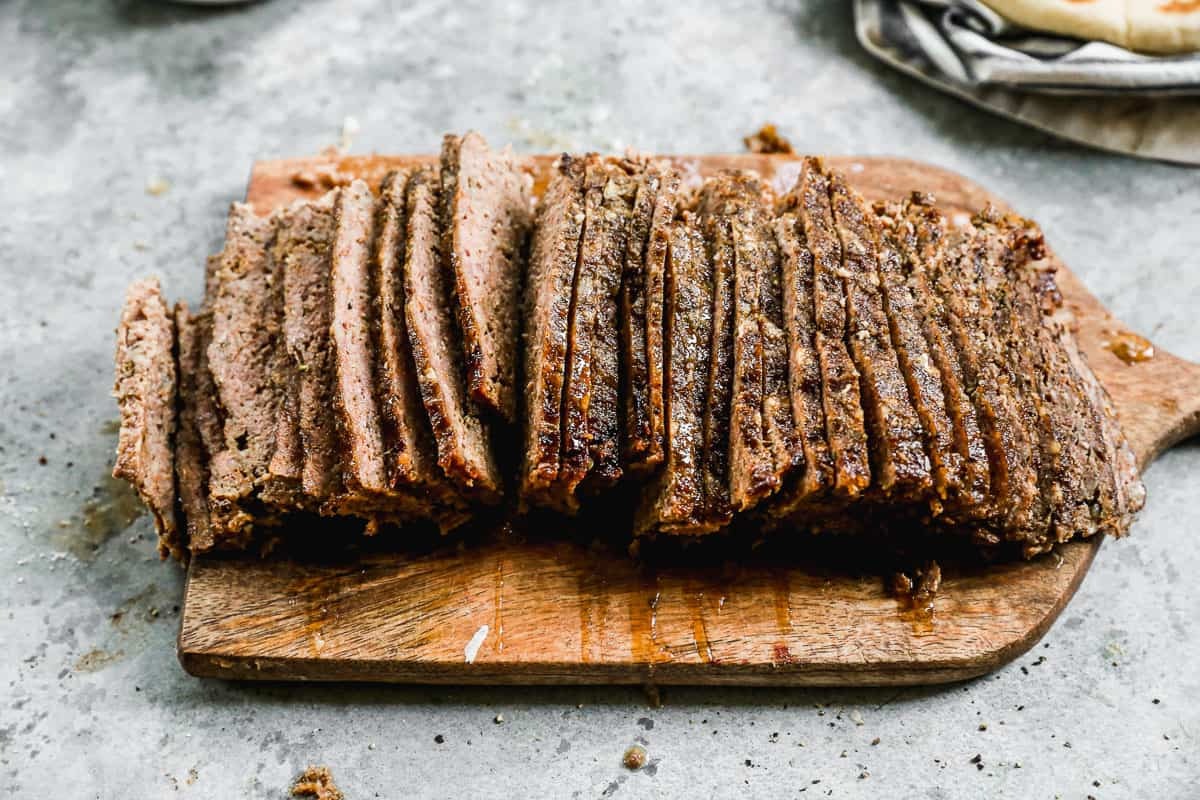
- Traditional Gyro Meat Recipe1 Hours 20 Minutes
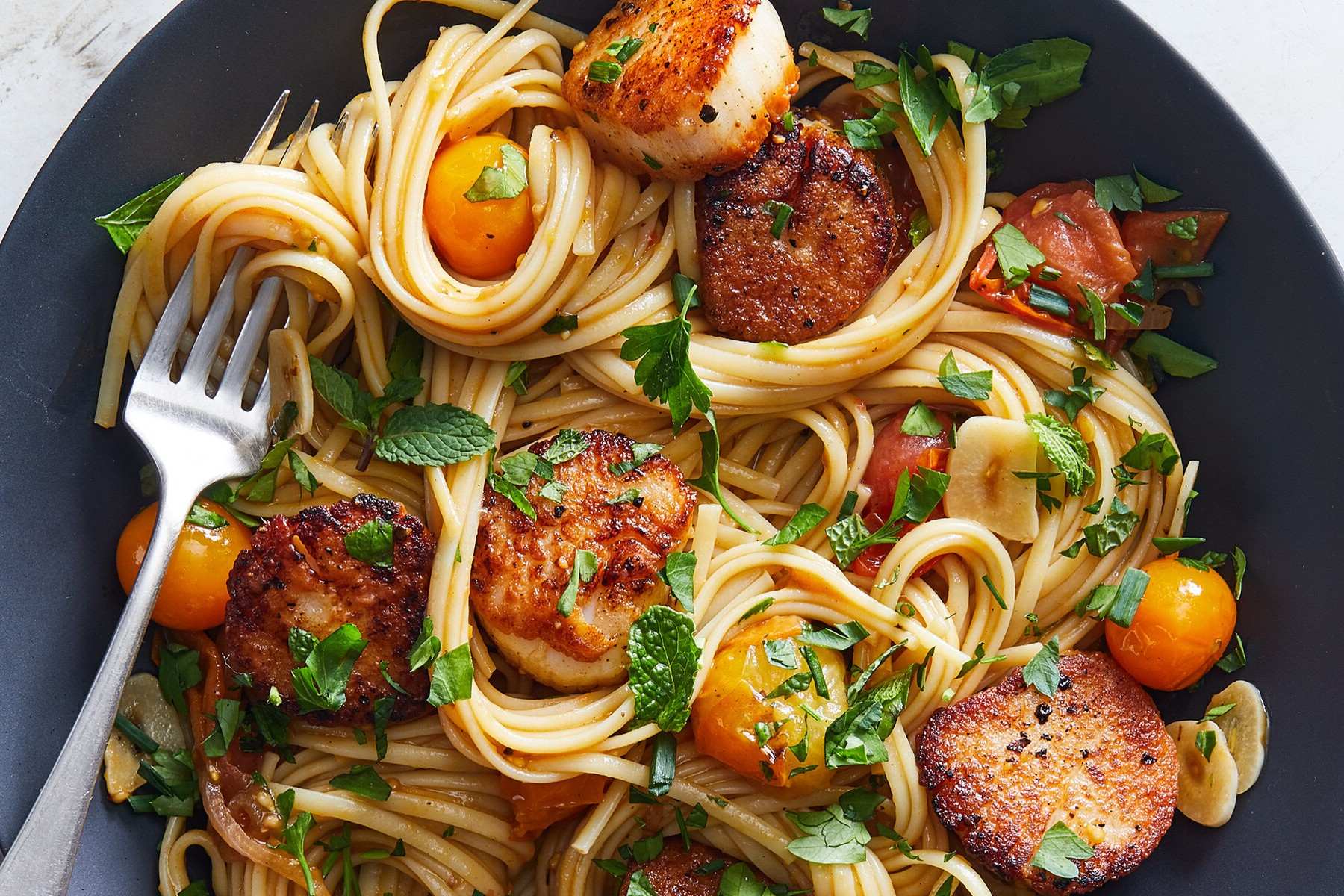
- Sea Scallops and Angel Hair Pasta Recipe30 Minutes
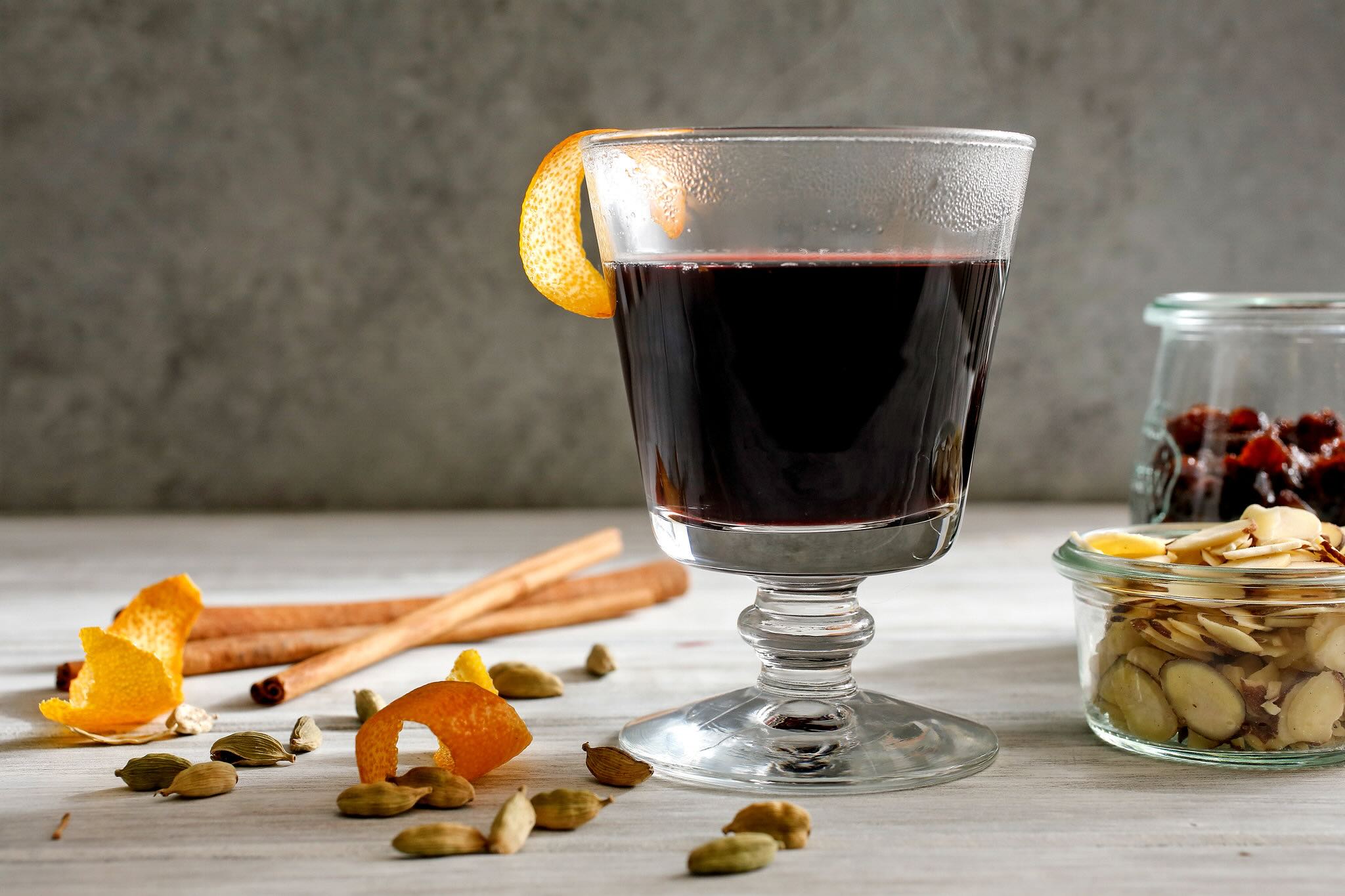
- Swedish Glogg Recipe40 Minutes
Leave a Reply