

I love how this golden turmeric miso noodle soup feels like a warm hug on a chilly day. It’s simple to make but packed with flavors that brighten up any meal. I can’t wait for you to try it and enjoy the cozy comfort it brings.
Some ingredients like miso paste and rice noodles might not be in your kitchen right now. When you go to the supermarket, look for miso paste in the refrigerated section near tofu or Asian sauces. Rice noodles are usually found in the international or Asian foods aisle. Fresh turmeric is great if you want, but ground turmeric works just fine and is easier to find.
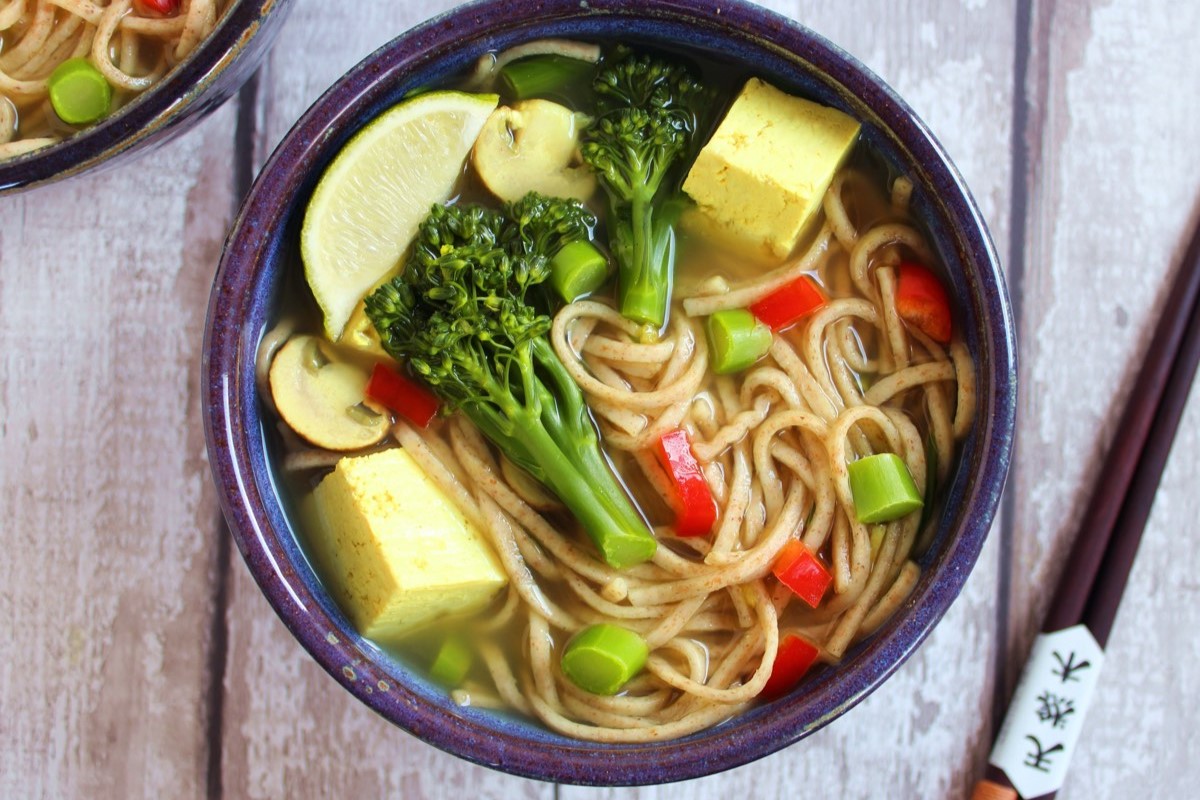
Ingredients For Golden Turmeric Miso Noodle Soup
Olive oil: Used to gently cook the onion, garlic, and ginger, adding a smooth base flavor.
Onion: Adds sweetness and depth when cooked until translucent.
Garlic: Brings a sharp, savory note that wakes up the soup.
Fresh ginger: Adds a warm, slightly spicy flavor that pairs well with turmeric.
Ground turmeric: Gives the soup its bright golden color and a mild earthy taste.
Vegetable broth: The main liquid that carries all the flavors together.
Miso paste: A fermented soybean paste that adds umami and richness.
Rice noodles: Soft noodles that soak up the broth and make the soup filling.
Spinach: Adds a fresh, leafy green element and some nutrients.
Carrot: Provides a bit of crunch and sweetness with its bright color.
Lime: Adds a fresh, tangy finish when squeezed over the soup.
Salt and pepper: Used to season and balance all the flavors.
Technique Tip for This Recipe
One of the most helpful moves in this Golden Turmeric Miso Noodle Soup Recipe is cooking the rice noodles just right. Here’s how to do it without making them mushy or sticky:
- When your broth is boiling, add the rice noodles all at once.
- Stir gently right after adding them so they don’t stick together.
- Keep an eye on the cooking time—usually, rice noodles only take a few minutes to get tender.
- Once they’re soft but still a little firm (not mushy), take the pot off the heat.
Doing this makes the noodles perfect for soaking up all the yummy flavors from the miso paste and turmeric. If you cook them too long, they’ll get soggy and lose their nice texture, which can make the soup less fun to eat.
When I first tried this, I left the noodles in the pot too long because I wasn’t sure when they were done. The soup ended up a bit gloopy, and I didn’t love that! Now, I watch the clock and taste a noodle early to check. Also, stirring right after adding the noodles really helps keep them from clumping together, which makes serving easier and prettier.
A little trick I like is to have everything else ready before adding the noodles. That way, you can focus on cooking them perfectly without rushing. It makes the whole soup come together smoothly and taste just right every time.
Suggested Side Dishes
Alternative Ingredients
olive oil - Substitute with coconut oil: Coconut oil adds a subtle sweetness and works well with the flavors of turmeric and miso paste.
onion - Substitute with shallots: Shallots have a milder and sweeter flavor, which can complement the soup's delicate taste.
garlic - Substitute with garlic powder: If fresh garlic is unavailable, garlic powder can provide a similar flavor profile.
fresh ginger - Substitute with ground ginger: Ground ginger can be used in place of fresh ginger, though it has a more concentrated flavor, so use sparingly.
ground turmeric - Substitute with fresh turmeric: Fresh turmeric can provide a more vibrant color and a slightly different flavor profile.
vegetable broth - Substitute with chicken broth: Chicken broth can add a richer flavor, though it will no longer be vegetarian.
miso paste - Substitute with soy sauce: Soy sauce can provide a similar umami flavor, though it lacks the fermented depth of miso.
rice noodles - Substitute with soba noodles: Soba noodles can add a nutty flavor and a slightly different texture.
spinach - Substitute with kale: Kale can provide a similar nutritional profile and a slightly heartier texture.
carrot - Substitute with zucchini: Zucchini can offer a similar texture and a mild flavor that won't overpower the soup.
lime - Substitute with lemon: Lemon can provide a similar acidity and brightness to the dish.
salt - Substitute with soy sauce: Soy sauce can add both saltiness and umami, enhancing the overall flavor.
pepper - Substitute with white pepper: White pepper can offer a milder heat and a slightly different flavor profile.
Other Alternative Recipes Similar to This
How to Store / Freeze This Recipe
Allow the soup to cool completely before storing. This helps maintain the texture and flavor of the vegetables and noodles.
Transfer the soup to an airtight container. Use containers that are specifically designed for storing liquids to prevent any leaks.
Store the soup in the refrigerator if you plan to consume it within 3-4 days. This keeps the vegetables and noodles fresh and prevents spoilage.
For longer storage, freeze the soup. Use freezer-safe containers or heavy-duty freezer bags. Leave some space at the top of the container as the soup will expand when frozen.
Label the containers with the date of storage. This helps you keep track of how long the soup has been stored and ensures you consume it within a safe period.
When ready to reheat, thaw the soup in the refrigerator overnight if frozen. This gradual thawing helps maintain the texture of the vegetables and noodles.
Reheat the soup on the stovetop over medium heat. Stir occasionally to ensure even heating and to prevent the noodles from sticking to the bottom of the pot.
Avoid reheating the soup in the microwave if possible, as this can cause uneven heating and may affect the texture of the vegetables and noodles.
If the soup appears too thick after reheating, add a splash of vegetable broth or water to achieve the desired consistency.
Taste and adjust the seasoning after reheating. Sometimes, the flavors can mellow out during storage, so a pinch of salt or a squeeze of lime juice can help brighten the flavors.
How to Reheat Leftovers
Gently reheat the Golden Turmeric Miso Noodle Soup on the stovetop over medium-low heat. Stir occasionally to ensure even heating and prevent the rice noodles from sticking to the bottom of the pot. This method helps maintain the integrity of the spinach and carrot while preserving the rich flavors of the miso paste and turmeric.
If you're in a hurry, use the microwave. Transfer a portion of the soup to a microwave-safe bowl. Cover it with a microwave-safe lid or a damp paper towel to prevent splatters. Heat on high for 1-2 minutes, stirring halfway through. Check the temperature and heat in additional 30-second increments if needed. This method is quick but may slightly alter the texture of the rice noodles.
For a more controlled reheating, use a double boiler. Place the soup in a heatproof bowl and set it over a pot of simmering water. Stir occasionally until the soup is heated through. This gentle method helps maintain the delicate balance of flavors and textures, especially the fresh ginger and garlic.
If you have an instant pot, use the sauté function. Pour the soup into the pot and set it to the sauté setting on low. Stir occasionally until the soup is warmed to your liking. This method is efficient and helps retain the vibrant flavors of the vegetable broth and lime.
To add a fresh twist, reheat the soup on the stovetop and then add a handful of fresh spinach and a squeeze of lime just before serving. This will revive the bright, fresh flavors and add a burst of color to your bowl.
Essential Tools for This Recipe
Pot: Used to heat the olive oil and cook the soup ingredients.
Wooden spoon: Ideal for stirring the ingredients as they cook.
Knife: Essential for chopping the onion and julienning the carrot.
Cutting board: Provides a safe surface for chopping and preparing vegetables.
Garlic press: Handy for mincing the garlic cloves quickly.
Grater: Used to grate the fresh ginger.
Measuring spoons: Necessary for measuring out the olive oil, turmeric, and miso paste.
Measuring cup: Used to measure the vegetable broth.
Tongs: Useful for handling the rice noodles and mixing the soup.
Ladle: Perfect for serving the soup into bowls.
Bowls: For serving the finished soup.
Lime squeezer: Optional, but helpful for squeezing lime wedges over the soup.
How to Save Time on Making This Recipe
Prep ingredients in advance: Chop the onion, mince the garlic, and grate the ginger ahead of time to streamline the cooking process.
Use pre-cut vegetables: Purchase pre-julienned carrots and pre-washed spinach to save time on preparation.
Quick-cook noodles: Opt for rice noodles that cook in just a few minutes to reduce overall cooking time.
Batch cook broth: Make a large batch of vegetable broth and freeze portions for quick use in future recipes.
Instant miso paste: Use instant miso paste that dissolves quickly to save time on stirring.
Golden Turmeric Miso Noodle Soup Recipe
Ingredients
Main Ingredients
- 1 tablespoon Olive oil
- 1 Onion, chopped
- 2 cloves Garlic, minced
- 1 tablespoon Fresh ginger, grated
- 1 teaspoon Ground turmeric
- 4 cups Vegetable broth
- 2 tablespoon Miso paste
- 200 g Rice noodles
- 1 cup Spinach
- 1 Carrot, julienned
- 1 Lime, cut into wedges
- to taste Salt and pepper
Instructions
- Heat olive oil in a pot over medium heat.
- Add chopped onion, cook until translucent.
- Add garlic and ginger, cook for another minute.
- Stir in ground turmeric, cook for 30 seconds.
- Add vegetable broth, bring to a boil.
- Reduce heat, add miso paste, stir well.
- Add rice noodles, cook until tender.
- Stir in spinach and carrot, cook until wilted.
- Season with salt and pepper to taste.
- Serve hot with lime wedges on the side.
Nutritional Value
Keywords
More Amazing Recipes to Try 🙂
- Pickled Watermelon Rinds Recipe30 Minutes
- Cocktail Sauce Recipe5 Minutes
- Mexican Sopes Recipe40 Minutes
- Traditional Mexican Street Tacos Recipe30 Minutes
- Eggless French Toast Recipe20 Minutes
- Traditional Gyro Meat Recipe1 Hours 20 Minutes
- Sea Scallops and Angel Hair Pasta Recipe30 Minutes
- Swedish Glogg Recipe40 Minutes










Leave a Reply