

This vegan coconut curry with pasta and vegetables is a delightful fusion of flavors and textures. The creamy coconut milk pairs perfectly with the aromatic curry powder, creating a rich and satisfying sauce. The addition of fresh vegetables and tender pasta makes this dish both nutritious and filling. It's a perfect meal for any night of the week.
If you're not familiar with some of the ingredients, here's a quick guide. Coconut milk is a creamy liquid made from the grated pulp of mature coconuts. Curry powder is a blend of spices commonly used in Indian cuisine. Fresh ginger and cilantro might not be staples in every kitchen, but they add a burst of flavor and freshness to the dish. Make sure to check the international aisle for these items if they're not in your usual shopping list.
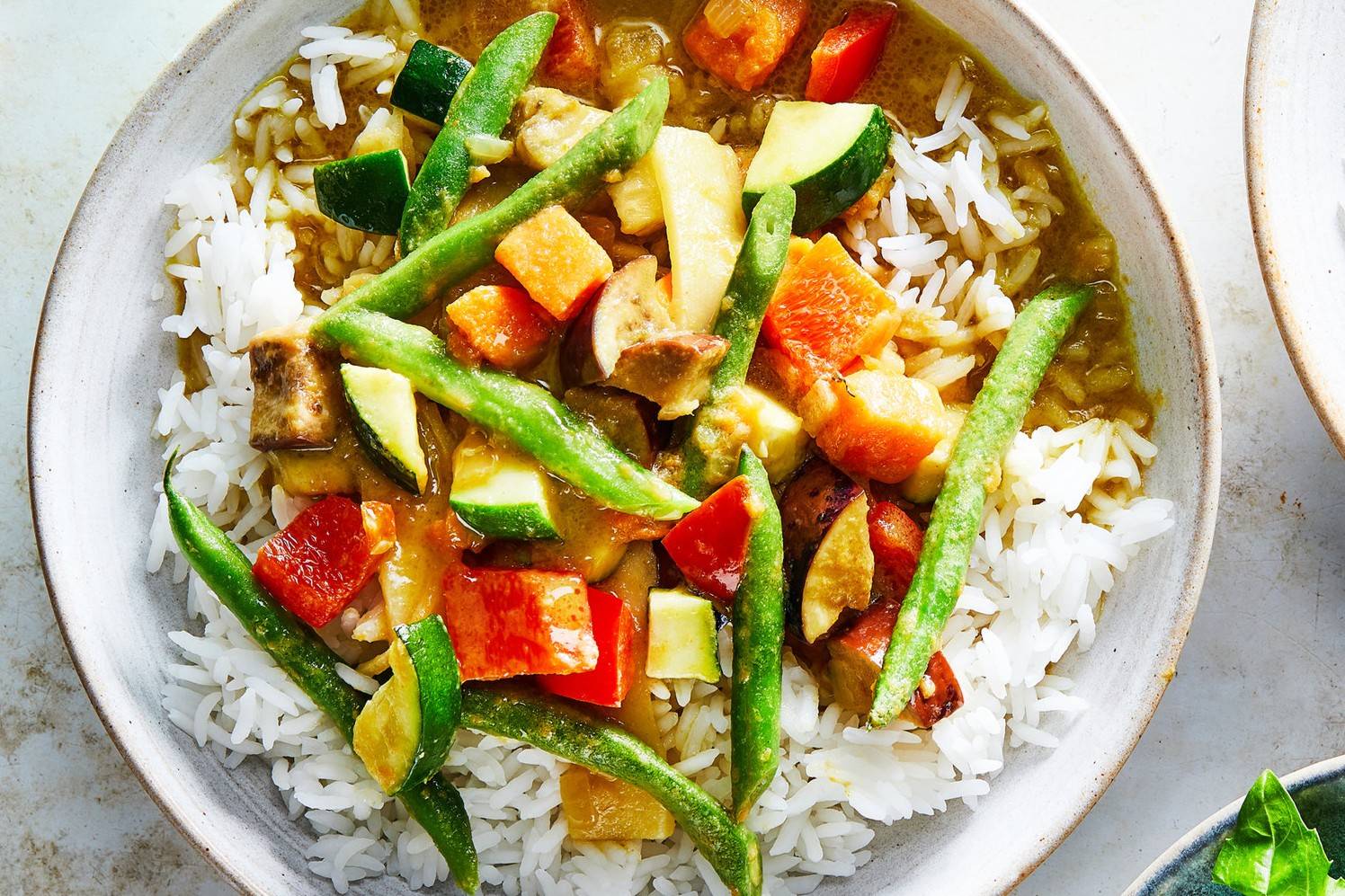
Ingredients For Vegan Coconut Curry With Pasta And Vegetables
Olive oil: Used for sautéing the aromatics and adding a rich flavor.
Onion: Adds sweetness and depth to the curry.
Garlic: Provides a robust and aromatic flavor.
Ginger: Adds a zesty and spicy note to the dish.
Curry powder: The main spice blend that gives the curry its distinctive flavor.
Coconut milk: Creates a creamy and rich base for the curry.
Vegetable broth: Adds depth and enhances the flavors of the curry.
Mixed vegetables: A combination of carrots, bell peppers, and broccoli for a variety of textures and nutrients.
Pasta: The base of the dish, providing a hearty and filling component.
Salt: Enhances the overall flavor of the dish.
Pepper: Adds a touch of heat and balances the flavors.
Lime juice: Adds a fresh and tangy finish to the curry.
Cilantro: Provides a fresh and herbaceous garnish.
Technique Tip for This Recipe
When sautéing the onion, garlic, and ginger, make sure to keep the heat at medium to avoid burning the garlic. Burnt garlic can impart a bitter taste to the dish. Stir frequently and watch for the onion to become translucent, which indicates that the flavors are well-developed and ready for the next step.
Suggested Side Dishes
Alternative Ingredients
olive oil - Substitute with coconut oil: Coconut oil adds a subtle coconut flavor that complements the curry.
onion - Substitute with shallots: Shallots provide a milder and slightly sweeter taste compared to onions.
garlic - Substitute with garlic powder: Garlic powder can be used in a pinch, though fresh garlic offers a more robust flavor.
ginger - Substitute with ground ginger: Ground ginger can be used if fresh ginger is unavailable, though it has a slightly different flavor profile.
curry powder - Substitute with garam masala: Garam masala provides a different but equally aromatic spice blend.
coconut milk - Substitute with almond milk with coconut extract: Almond milk with coconut extract can mimic the creaminess and flavor of coconut milk.
vegetable broth - Substitute with water with bouillon cubes: Bouillon cubes dissolved in water can replicate the flavor of vegetable broth.
mixed vegetables - Substitute with frozen mixed vegetables: Frozen mixed vegetables are convenient and often contain a similar variety of vegetables.
pasta - Substitute with rice noodles: Rice noodles are a gluten-free alternative that pairs well with curry dishes.
salt - Substitute with soy sauce: Soy sauce adds saltiness along with a depth of umami flavor.
lime juice - Substitute with lemon juice: Lemon juice provides a similar acidic and citrusy flavor.
cilantro - Substitute with parsley: Parsley offers a fresh, slightly peppery flavor that can replace cilantro.
Other Alternative Recipes Similar to This Dish
How to Store or Freeze This Recipe
- Allow the curry to cool completely before storing. This helps prevent condensation, which can lead to soggy vegetables and diluted flavors.
- Transfer the curry to airtight containers. For best results, use containers that are appropriately sized for the amount of food to minimize air exposure.
- Store the pasta and curry separately. This prevents the pasta from absorbing too much sauce and becoming mushy. You can mix them together just before reheating.
- Label the containers with the date of preparation. This helps you keep track of freshness and ensures you consume the curry within a safe timeframe.
- Refrigerate the curry and pasta for up to 4 days. Ensure your refrigerator is set to 40°F (4°C) or below to maintain optimal freshness.
- For longer storage, freeze the curry in freezer-safe containers or heavy-duty freezer bags. Leave some space at the top of the container or bag to allow for expansion as the curry freezes.
- Freeze the pasta separately in a similar manner. This will help maintain its texture when reheated.
- When ready to enjoy, thaw the curry and pasta in the refrigerator overnight. This slow thawing process helps retain the best texture and flavor.
- Reheat the curry gently on the stovetop over medium heat, stirring occasionally. Add a splash of vegetable broth or coconut milk if the sauce has thickened too much.
- Reheat the pasta by briefly boiling it in water or microwaving it with a damp paper towel to prevent drying out.
- Combine the reheated curry and pasta just before serving. Garnish with fresh cilantro and a squeeze of lime juice to refresh the flavors.
How to Reheat Leftovers
Stovetop Method:
- Place the leftover coconut curry with pasta and vegetables in a large skillet or saucepan.
- Add a splash of vegetable broth or coconut milk to help rehydrate the dish.
- Heat over medium-low heat, stirring occasionally, until everything is heated through. This should take about 5-7 minutes.
- If the pasta has absorbed too much liquid and seems dry, add a bit more vegetable broth or coconut milk until you reach the desired consistency.
Microwave Method:
- Place the leftover coconut curry with pasta and vegetables in a microwave-safe dish.
- Add a splash of vegetable broth or coconut milk to prevent drying out.
- Cover the dish with a microwave-safe lid or a damp paper towel to retain moisture.
- Microwave on medium power for 2-3 minutes, stirring halfway through to ensure even heating.
- Continue microwaving in 30-second intervals if needed, until the dish is heated through.
Oven Method:
- Preheat your oven to 350°F (175°C).
- Transfer the leftover coconut curry with pasta and vegetables to an oven-safe dish.
- Add a splash of vegetable broth or coconut milk to keep the dish moist.
- Cover the dish with aluminum foil to prevent drying out.
- Bake for about 15-20 minutes, or until the dish is heated through. Stir halfway through the cooking time for even heating.
Steam Method:
- Place the leftover coconut curry with pasta and vegetables in a heatproof bowl.
- Set up a steamer basket over a pot of simmering water.
- Place the bowl in the steamer basket and cover with a lid.
- Steam for about 5-10 minutes, or until the dish is heated through, stirring occasionally to ensure even heating.
Best Tools for This Recipe
Large pot: Used to heat the olive oil, sauté the onions, garlic, and ginger, and cook the curry.
Wooden spoon: Ideal for stirring the ingredients in the pot without scratching the surface.
Measuring spoons: Necessary for accurately measuring the olive oil, curry powder, and lime juice.
Chef's knife: Essential for chopping the onion and mincing the garlic and ginger.
Cutting board: Provides a safe surface for chopping and mincing the vegetables and aromatics.
Can opener: Used to open the can of coconut milk.
Measuring cup: Needed to measure the vegetable broth and mixed vegetables.
Colander: Used to drain the cooked pasta.
Medium pot: Used to cook the pasta according to package instructions.
Tongs: Useful for handling and serving the pasta.
Ladle: Ideal for serving the curry over the pasta.
Serving bowls: Used to serve the final dish.
Citrus juicer: Helps extract lime juice efficiently.
Herb scissors: Handy for chopping fresh cilantro for garnish.
How to Save Time on Making This Recipe
Prep ingredients in advance: Chop the onion, garlic, ginger, and vegetables ahead of time to streamline cooking.
Use pre-cut vegetables: Save time by buying pre-cut mixed vegetables from the store.
Cook pasta simultaneously: Boil the pasta while the curry is simmering to reduce overall cooking time.
Measure spices beforehand: Have your curry powder, salt, and pepper measured and ready to go.
Use a food processor: Mince the garlic and ginger quickly using a food processor.
Vegan Coconut Curry with Pasta and Vegetables
Ingredients
Main Ingredients
- 2 tablespoon Olive Oil
- 1 medium Onion, chopped
- 3 cloves Garlic, minced
- 1 tablespoon Ginger, minced
- 1 tablespoon Curry Powder
- 1 can Coconut Milk
- 1 cup Vegetable Broth
- 2 cups Mixed Vegetables (carrots, bell peppers, broccoli)
- 8 oz Pasta
- to taste Salt and Pepper
- 1 tablespoon Lime Juice
- ¼ cup Fresh Cilantro, chopped
Instructions
- Heat olive oil in a large pot over medium heat.
- Add chopped onion, minced garlic, and minced ginger. Sauté until onion is translucent.
- Stir in curry powder and cook for another minute.
- Add coconut milk and vegetable broth. Bring to a simmer.
- Add mixed vegetables and cook until tender, about 10 minutes.
- Meanwhile, cook pasta according to package instructions. Drain and set aside.
- Season the curry with salt, pepper, and lime juice.
- Serve the curry over the cooked pasta and garnish with fresh cilantro.
Nutritional Value
Keywords
Suggested Appetizers and Desserts for This Recipe
More Amazing Recipes to Try 🙂
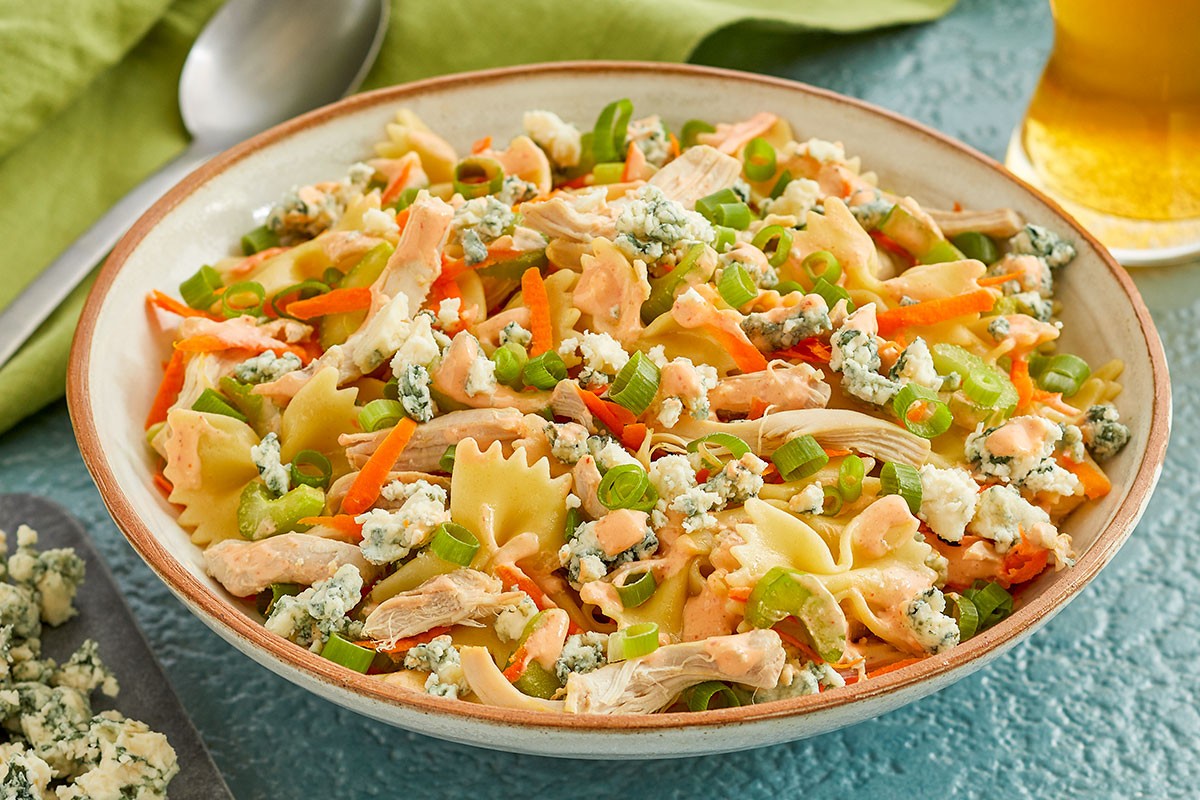
- Buffalo Chicken Pasta Salad Recipe35 Minutes
- Jibarito Recipe50 Minutes
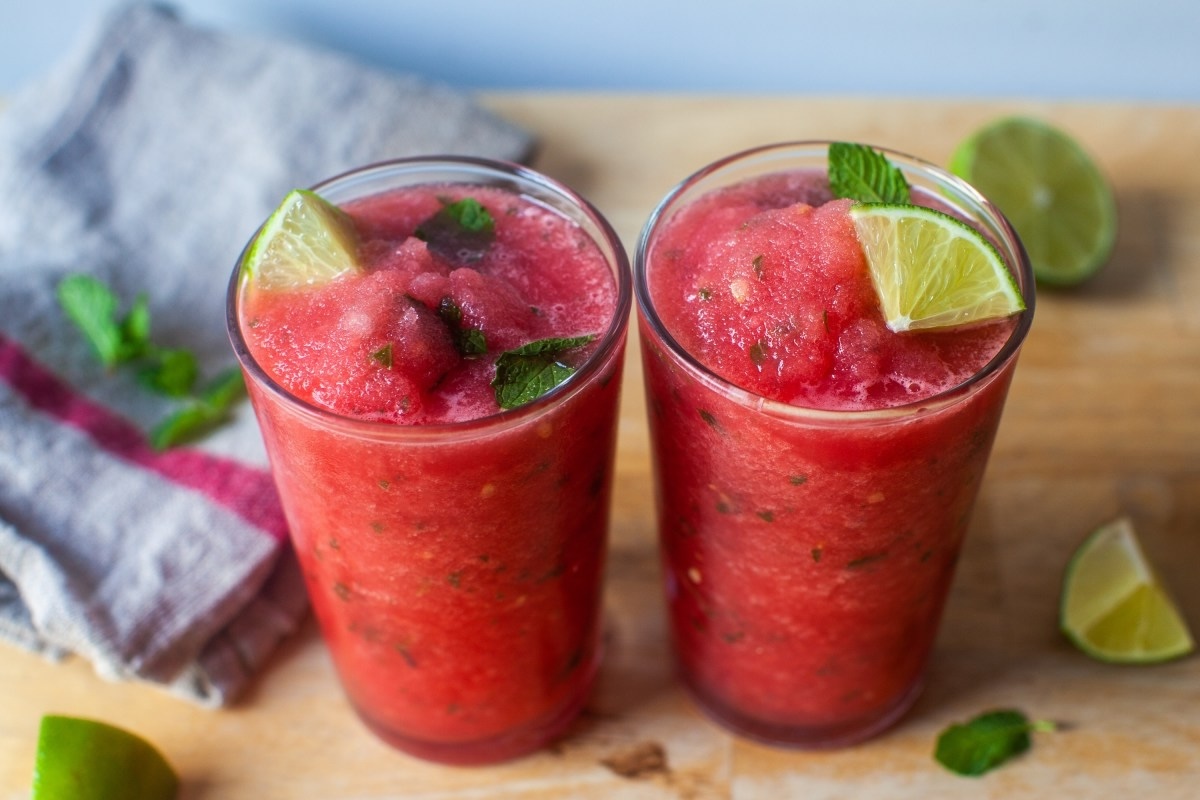
- Watermelon Cooler Slushy Recipe10 Minutes
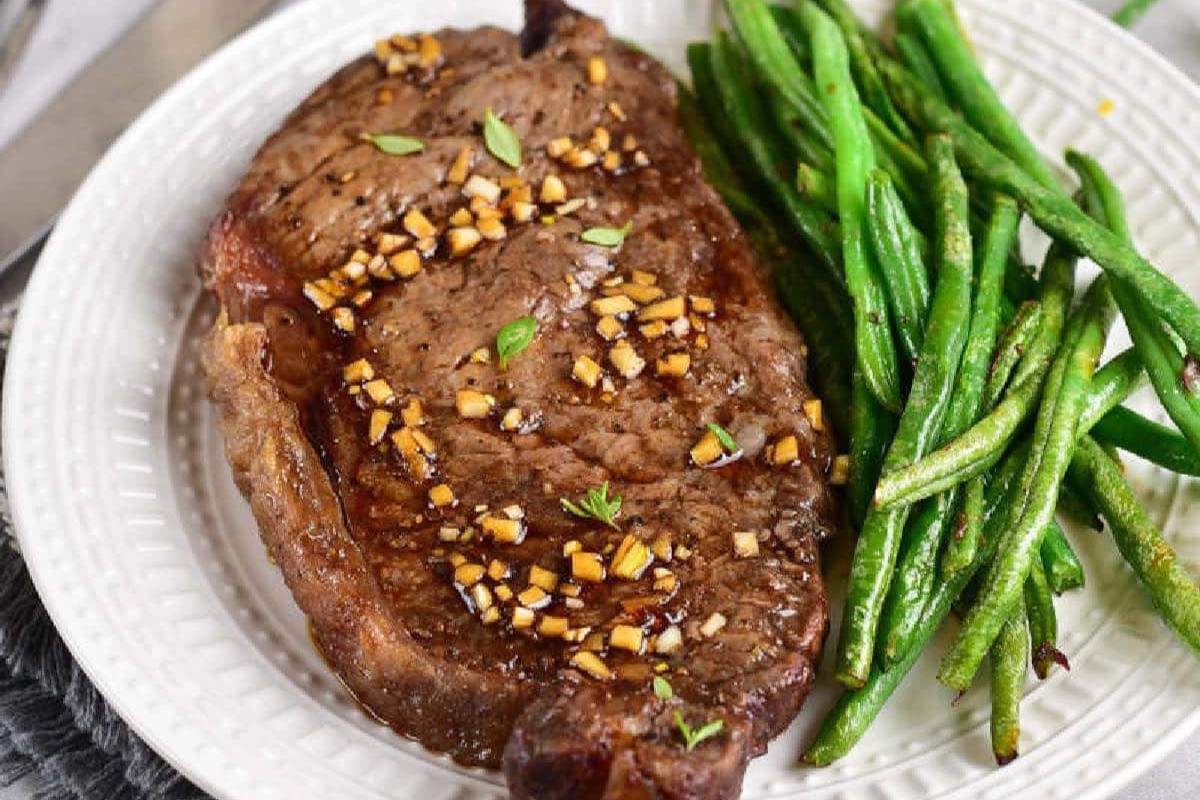
- Steak Marinade Recipe10 Minutes
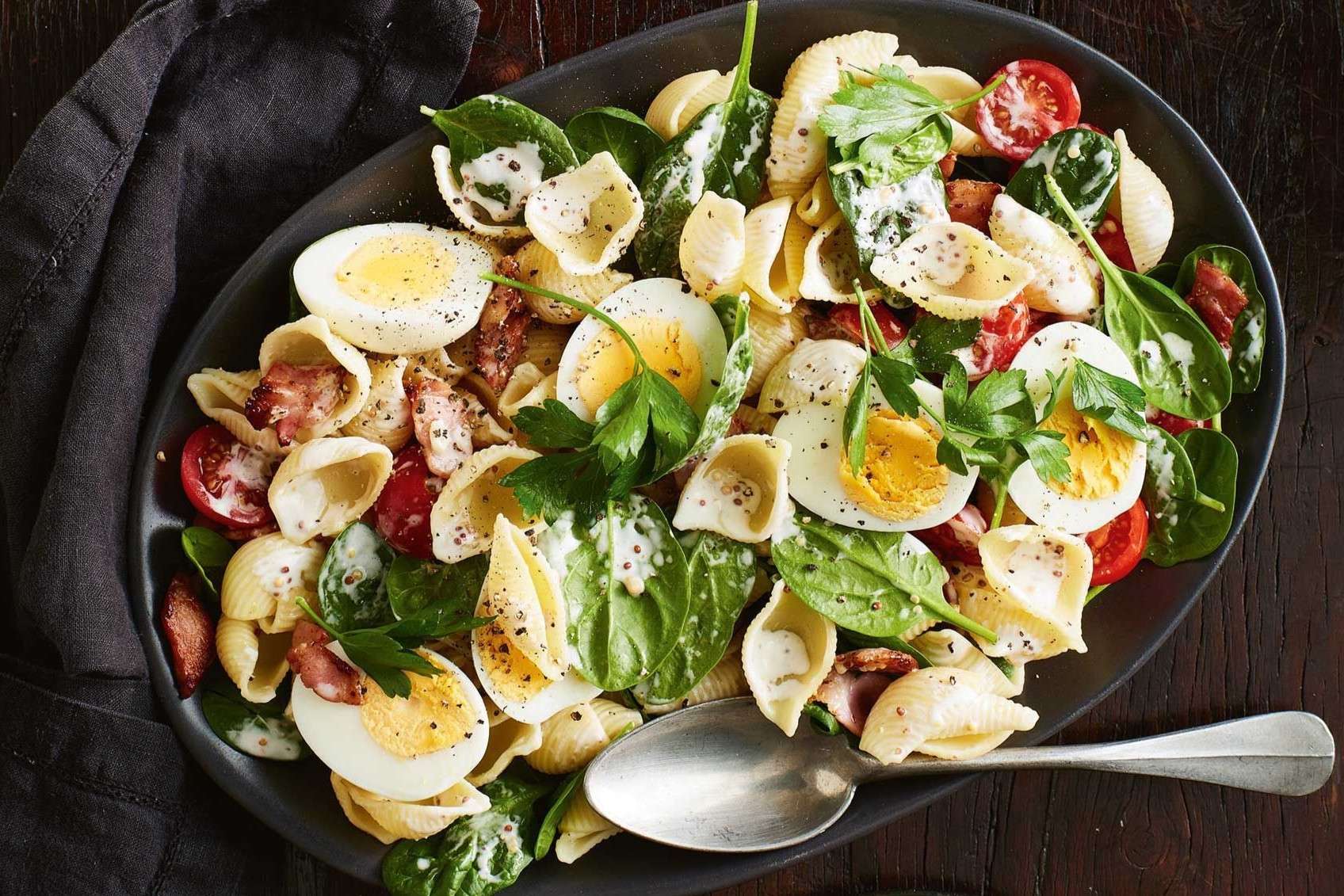
- Spinach Pasta Salad Recipe25 Minutes
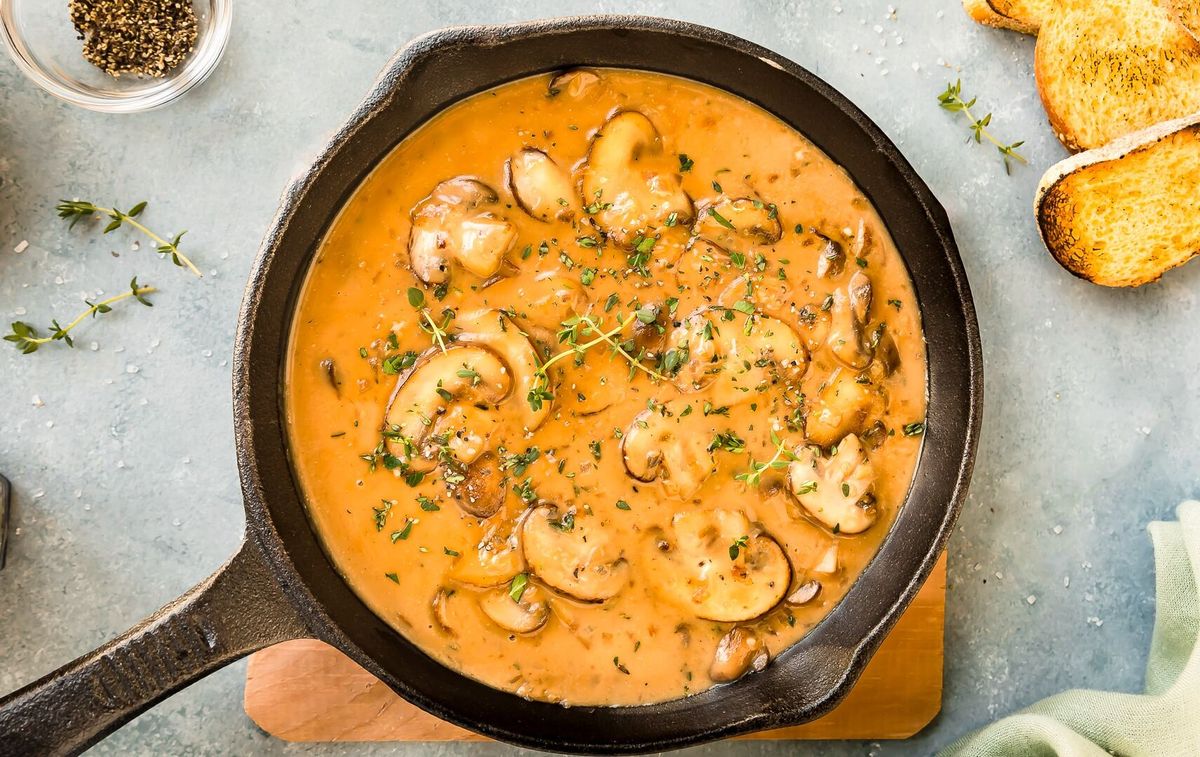
- Marsala Sauce Recipe30 Minutes
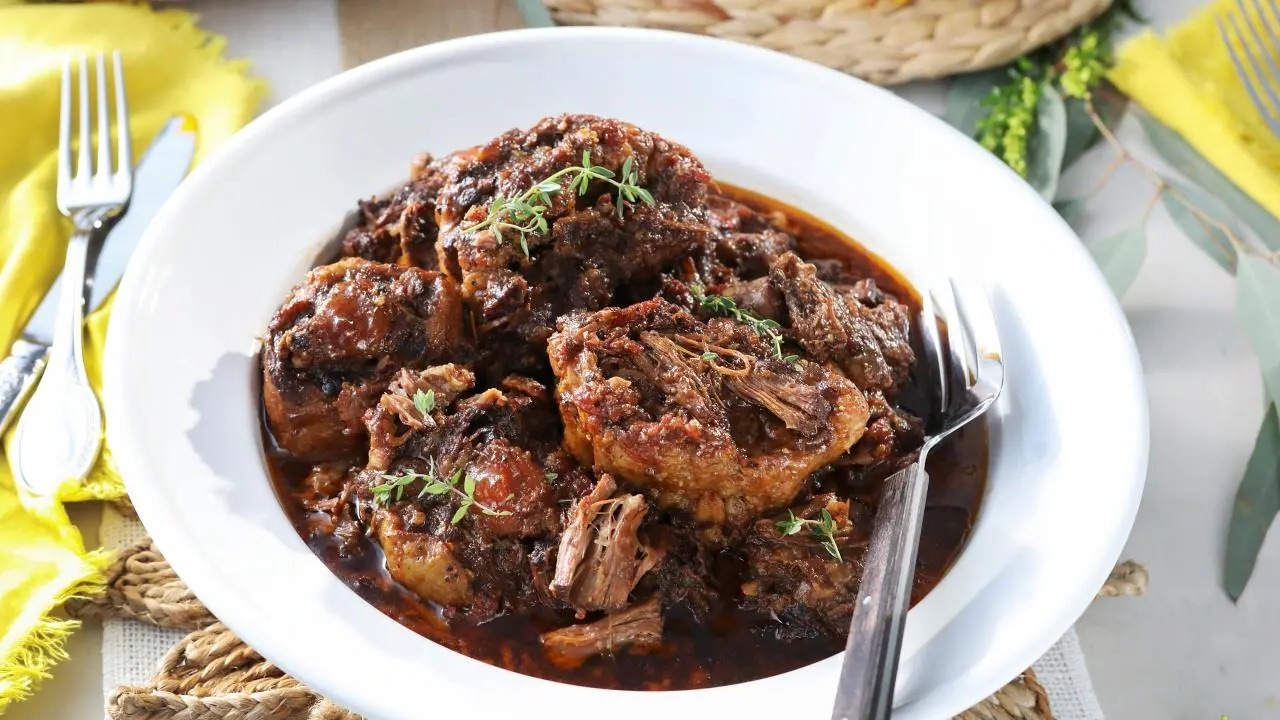
- Braised Oxtails in Red Wine Sauce Recipe3 Hours 20 Minutes
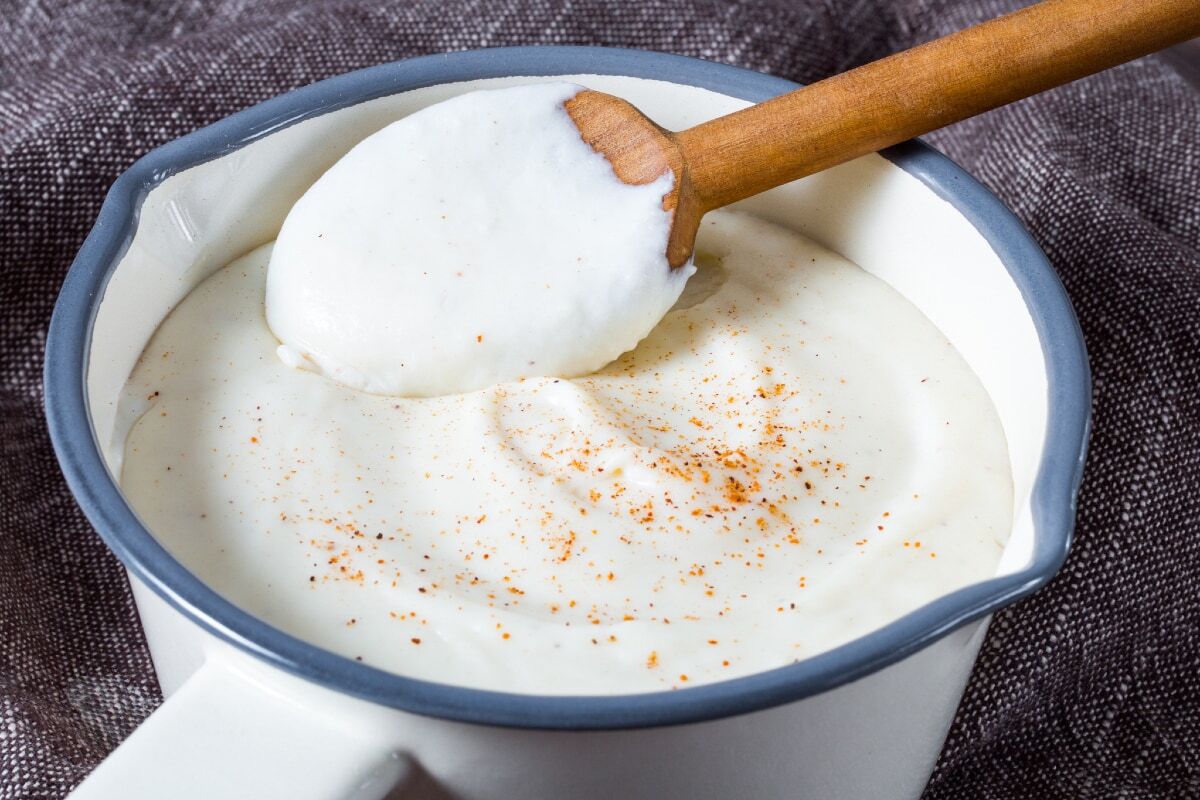
- Basic Bechamel Sauce Recipe15 Minutes


Leave a Reply