
I love how this Thai curry peanut sauce brings together creamy, spicy, and tangy flavors all in one bowl. It’s one of those recipes that makes any meal feel special without needing a lot of time or fancy skills. I can’t wait for you to try it and see how it adds a delicious twist to your favorite dishes.
Some ingredients like red curry paste and coconut milk might not be in every kitchen, but you can usually find them in the international or Asian food section of most supermarkets. If you’re new to these, red curry paste is a spicy blend of herbs and spices that gives the sauce its kick, while coconut milk adds a rich, creamy texture. Peanut butter, soy sauce, and lime juice are more common and easy to find in most stores.
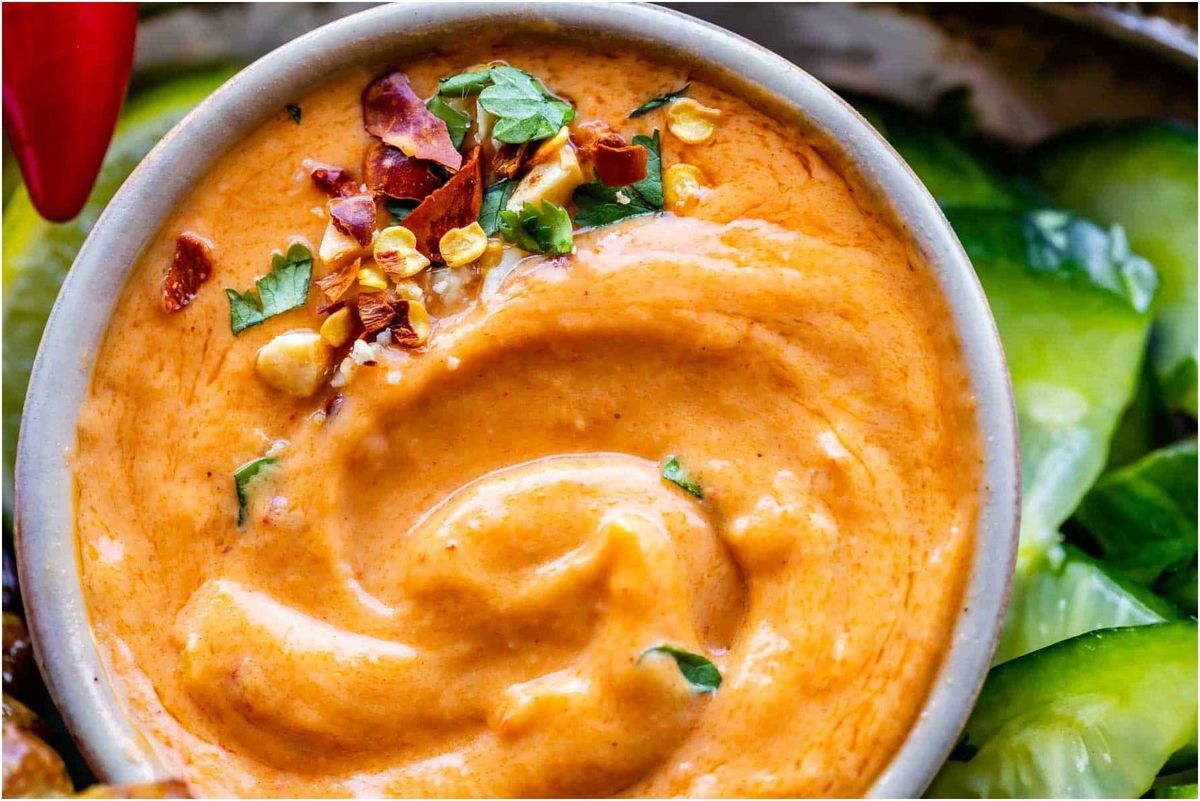
Ingredients For Thai Curry Peanut Sauce Recipe
Coconut milk: A creamy liquid made from grated coconut, it adds richness and smoothness to the sauce.
Peanut butter: Creamy peanut butter gives the sauce a nutty flavor and thick texture.
Red curry paste: A spicy and flavorful paste made from red chilies, garlic, and other spices, it’s the main source of heat.
Soy sauce: Adds a salty, umami flavor that balances the sweetness and spice.
Lime juice: Freshly squeezed lime juice adds a bright, tangy note to the sauce.
Brown sugar: Sweetens the sauce and helps balance the spicy and salty flavors.
Garlic: Minced garlic adds a sharp, savory taste.
Ginger: Fresh grated ginger gives a warm, slightly spicy flavor.
Salt: Enhances all the other flavors in the sauce.
Technique Tip for This Recipe
When you’re mixing the coconut milk, peanut butter, and red curry paste in the saucepan, whisking until smooth is a key step. Here’s how to do it without making a mess or leaving lumps behind:
- Start by adding the coconut milk and peanut butter to the pan first. Warm them gently over medium heat so the peanut butter softens and blends easier.
- Use a whisk with a comfortable handle and hold it firmly. Move it in small circles or figure-eights to mix everything evenly.
- Keep the whisk touching the bottom of the pan to prevent lumps from sticking there.
- If the sauce feels too thick or sticky, add a tiny splash of coconut milk or water to loosen it up while whisking.
- Take your time—whisking for a minute or two helps the peanut butter melt fully and the red curry paste spread evenly.
Whisking like this makes the sauce smooth and creamy, which means every bite will have the perfect mix of flavors. If you don’t whisk well, you might end up with clumps of peanut butter or curry paste that don’t taste as good or look as nice.
I remember the first time I made this sauce, I didn’t whisk enough and got little lumps of peanut butter floating around. It wasn’t the end of the world, but it wasn’t as tasty or pretty either. Now, I always take a little extra time to whisk carefully—it’s worth it! Also, if you’re in a hurry, you can use a fork instead of a whisk, but it takes a bit longer to get everything smooth. Either way, just keep stirring and you’ll get there.
Suggested Side Dishes
Alternative Ingredients
coconut milk - Substitute with almond milk: Almond milk provides a similar creamy texture, though it will have a slightly different flavor profile.
creamy peanut butter - Substitute with almond butter: Almond butter offers a nutty flavor and creamy consistency, making it a good alternative for those with peanut allergies.
red curry paste - Substitute with yellow curry paste: Yellow curry paste has a milder flavor but can still provide the necessary spice and complexity.
soy sauce - Substitute with tamari: Tamari is a gluten-free alternative that offers a similar umami flavor.
freshly squeezed lime juice - Substitute with lemon juice: Lemon juice provides a similar acidity and brightness to the dish.
brown sugar - Substitute with honey: Honey adds sweetness and a slight floral note, though it will alter the flavor slightly.
minced garlic - Substitute with garlic powder: Garlic powder can be used in place of fresh garlic, though it is less pungent.
grated ginger - Substitute with ground ginger: Ground ginger can be used as a substitute, though it is more concentrated, so use less.
salt - Substitute with soy sauce: Soy sauce can add both saltiness and umami, though it will also add liquid to the recipe.
Other Alternative Recipes Similar to This Dish
How To Store / Freeze This Recipe
- Allow the Thai curry peanut sauce to cool completely before storing. This helps prevent condensation, which can affect the texture and flavor.
- Transfer the sauce into an airtight container. Glass jars or BPA-free plastic containers work best to maintain freshness.
- Label the container with the date of preparation. This ensures you keep track of its shelf life.
- Store the sauce in the refrigerator. It will keep well for up to one week.
- For longer storage, consider freezing the sauce. Pour it into a freezer-safe container, leaving some space at the top for expansion.
- Alternatively, use ice cube trays to freeze individual portions. Once frozen, transfer the cubes to a zip-top freezer bag for easy access.
- When ready to use, thaw the sauce in the refrigerator overnight. For a quicker option, place the container in a bowl of warm water.
- Reheat the sauce gently on the stovetop over low heat, stirring occasionally to restore its creamy consistency.
- If the sauce appears too thick after reheating, add a splash of coconut milk or water to reach the desired consistency.
- Enjoy the reheated sauce with your favorite vegetables, meat, or as a dip for spring rolls and other appetizers.
How To Reheat Leftovers
Gently reheat the Thai curry peanut sauce in a saucepan over low heat. Stir continuously to prevent it from sticking to the bottom and to ensure even heating. This method preserves the sauce's creamy texture and rich flavors.
For a quick fix, use a microwave. Place the sauce in a microwave-safe bowl, cover it with a microwave-safe lid or plastic wrap with a small vent. Heat on medium power in 30-second intervals, stirring in between, until the sauce is warmed through. This prevents the sauce from overheating and separating.
If you have a double boiler, this is an excellent method to gently reheat the sauce. Place the sauce in the top part of the double boiler and heat over simmering water. Stir occasionally until the sauce is warm. This method ensures the sauce heats evenly without the risk of burning.
For a more integrated reheating, especially if you're using the sauce with noodles or vegetables, add the sauce to the dish while reheating the entire meal. This can be done in a wok or a large skillet over medium heat. Stir frequently to combine the flavors and ensure everything is heated evenly.
If you prefer a steam method, place the sauce in a heatproof bowl and set it over a pot of simmering water. Cover the bowl with a lid or foil to trap the steam. Stir occasionally until the sauce is heated through. This method is gentle and helps maintain the sauce's consistency.
Best Tools for This Recipe
Saucepan: Use this to combine and heat the ingredients over medium heat.
Whisk: Essential for blending the coconut milk, peanut butter, and red curry paste until smooth.
Measuring cups: Needed to measure out the coconut milk and peanut butter accurately.
Measuring spoons: Useful for measuring the red curry paste, soy sauce, lime juice, brown sugar, garlic, ginger, and salt.
Garlic press: Handy for mincing the garlic clove quickly and efficiently.
Microplane grater: Perfect for grating the ginger finely.
Spatula: Useful for stirring the sauce as it simmers to prevent sticking and ensure even cooking.
Ladle: Ideal for serving the sauce once it has cooled slightly.
How to Save Time on Making This Recipe
Measure ingredients ahead: Pre-measure coconut milk, peanut butter, and other ingredients to streamline the cooking process.
Use a food processor: Mince garlic and grate ginger quickly using a food processor.
Pre-mix dry ingredients: Combine brown sugar and salt in advance to save time during cooking.
Batch cooking: Make a larger batch of Thai curry peanut sauce and store it for future use.
Simmer with a lid: Cover the saucepan to speed up the thickening process.
Thai Curry Peanut Sauce Recipe
Ingredients
Main Ingredients
- 1 cup Coconut milk
- ½ cup Peanut butter creamy
- 2 tablespoon Red curry paste
- 2 tablespoon Soy sauce
- 1 tablespoon Lime juice freshly squeezed
- 1 tablespoon Brown sugar
- 1 clove Garlic minced
- ½ teaspoon Ginger grated
- ¼ teaspoon Salt
Instructions
- In a saucepan, combine coconut milk, peanut butter, and red curry paste over medium heat.
- Whisk until smooth and well combined.
- Add soy sauce, lime juice, brown sugar, garlic, ginger, and salt. Stir well.
- Simmer for 5-7 minutes, stirring occasionally, until the sauce thickens.
- Remove from heat and let cool slightly before serving.
Nutritional Value
Keywords
More Amazing Recipes to Try 🙂
- Banana Milkshake Recipe5 Minutes
- Baked Jalapeno Poppers Recipe35 Minutes
- Cranberry Pineapple Juice Recipe10 Minutes
- Carrot and Orange Juice Recipe10 Minutes
- Aebleskiver Recipe35 Minutes
- Vegan Coconut Curry with Pasta and Vegetables Recipe40 Minutes
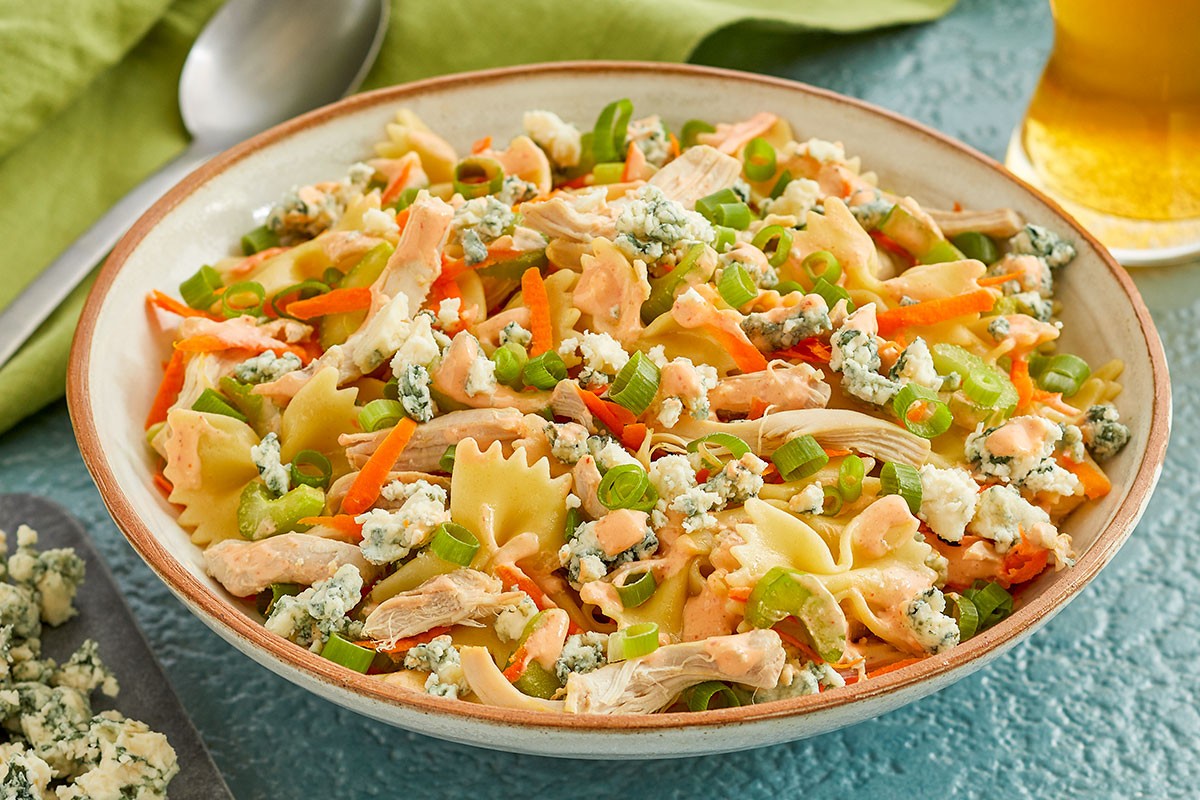
- Buffalo Chicken Pasta Salad Recipe35 Minutes
- Jibarito Recipe50 Minutes





Leave a Reply