

I love making this pork tenderloin recipe because it’s simple but full of flavor. It’s one of those dishes that feels special without needing a lot of time or fancy ingredients. I think you’ll enjoy how juicy and tasty it turns out, perfect for any night of the week.
Most of the ingredients in this recipe are pretty common, but if you don’t usually keep fresh rosemary or garlic at home, you might want to pick those up at the supermarket. Fresh rosemary adds a nice earthy flavor, and fresh garlic gives the pork a great aroma and taste. Olive oil is also a good staple to have on hand for cooking and seasoning.

Ingredients For Pork Tenderloin Recipe
PORK TENDERLOIN: The main part of the dish, this cut is lean and cooks quickly while staying tender.
OLIVE OIL: Used to coat the meat and help the seasonings stick, plus it adds a subtle richness.
SALT: Enhances the natural flavors of the pork.
BLACK PEPPER: Adds a little heat and depth to the taste.
GARLIC: Fresh garlic gives a strong, savory flavor that pairs perfectly with pork.
ROSEMARY: A fragrant herb that brings a fresh, pine-like aroma and taste to the dish.
Technique Tip for This Recipe
One of the most important steps in this Pork Tenderloin Recipe is rubbing the pork tenderloin with the olive oil, salt, pepper, garlic, and rosemary. This might sound simple, but doing it well makes a big difference in how tasty the meat turns out. Here’s how to do it right:
- Start by patting the pork tenderloin dry with a paper towel. This helps the olive oil and spices stick better.
- Pour the olive oil over the meat and rub it all over with your hands. Make sure every side is covered.
- Sprinkle the salt and pepper evenly over the meat. Don’t just dump it in one spot—try to spread it out so every bite has flavor.
- Add the minced garlic and chopped rosemary on top, then rub again gently to press the herbs and garlic into the surface.
Doing this step carefully means the pork will have a nice crust when it roasts, and the flavors will soak in better. If you skip rubbing or do it too quickly, the seasoning might not stick well, and the meat can taste bland.
I remember the first time I made this, I didn’t rub the spices in enough, and the rosemary just sat on top and burned a little in the oven. After that, I learned to really massage the seasoning into the meat. It also helps to wash your hands afterward because garlic can leave a strong smell!
This little step makes cooking smoother because it’s easy and quick, but it makes the pork tenderloin way more delicious. Plus, it’s kind of fun to get your hands a little messy and feel the meat getting ready for the oven.
Suggested Side Dishes
Alternative Ingredients
pork tenderloin - Substitute with chicken breast: Chicken breast is a lean protein that can be cooked similarly to pork tenderloin, providing a similar texture and flavor profile.
pork tenderloin - Substitute with beef tenderloin: Beef tenderloin offers a tender and juicy alternative, though it has a richer flavor compared to pork.
olive oil - Substitute with canola oil: Canola oil has a neutral flavor and a high smoke point, making it a good substitute for olive oil in cooking.
olive oil - Substitute with grapeseed oil: Grapeseed oil is light and has a high smoke point, suitable for searing and roasting like olive oil.
salt - Substitute with soy sauce: Soy sauce adds a salty flavor along with umami, enhancing the overall taste of the dish.
salt - Substitute with sea salt: Sea salt can be used in the same quantity as regular salt, providing a slightly different mineral taste.
black pepper - Substitute with white pepper: White pepper offers a similar heat but with a slightly different, more earthy flavor.
black pepper - Substitute with cayenne pepper: Cayenne pepper adds heat and spice, though it is more intense than black pepper, so use sparingly.
garlic - Substitute with shallots: Shallots provide a milder, sweeter flavor compared to garlic, adding depth to the dish.
garlic - Substitute with garlic powder: Garlic powder can be used in place of fresh garlic, though it is more concentrated, so use about ¼ teaspoon per clove.
rosemary - Substitute with thyme: Thyme has a similar earthy and slightly minty flavor, making it a good substitute for rosemary.
rosemary - Substitute with sage: Sage offers a robust, slightly peppery flavor that can complement the dish similarly to rosemary.
Other Alternative Recipes Similar to This Dish
How To Store / Freeze This Dish
- Allow the pork tenderloin to cool completely before storing. This helps prevent condensation, which can lead to sogginess and spoilage.
- Wrap the cooled pork tenderloin tightly in aluminum foil or plastic wrap to maintain its moisture and flavor.
- Place the wrapped pork tenderloin in an airtight container or a resealable plastic bag to further protect it from air and moisture.
- Store the pork tenderloin in the refrigerator if you plan to consume it within 3-4 days. This ensures it stays fresh and safe to eat.
- For longer storage, freeze the pork tenderloin. Place the wrapped meat in a freezer-safe bag or container, removing as much air as possible to prevent freezer burn.
- Label the container or bag with the date to keep track of its storage time. Frozen pork tenderloin can be kept for up to 3 months for optimal quality.
- When ready to use, thaw the pork tenderloin in the refrigerator overnight. This slow thawing process helps maintain the meat's texture and flavor.
- Reheat the pork tenderloin gently in the oven or on the stovetop to avoid drying it out. Cover it with foil and heat at a low temperature until warmed through.
- Consider slicing the pork tenderloin before freezing for easier portioning and quicker thawing. This is especially useful for meal prepping or quick dinners.
- If you have leftover pork tenderloin, use it in various dishes like salads, sandwiches, or stir-fries to add a delicious protein boost.
How To Reheat Leftovers
Oven Method: Preheat your oven to 325°F (165°C). Place the pork tenderloin on a baking dish and cover it with aluminum foil to retain moisture. Heat for about 15-20 minutes or until the internal temperature reaches 145°F (63°C). This method ensures the meat remains juicy and tender.
Stovetop Method: Slice the pork tenderloin into medallions for even reheating. Heat a skillet over medium heat and add a splash of olive oil. Place the medallions in the skillet and cook for about 2-3 minutes on each side, or until warmed through. This method gives a nice sear and keeps the meat flavorful.
Microwave Method: Place the pork tenderloin slices on a microwave-safe plate. Cover with a damp paper towel to prevent drying out. Heat on medium power for 1-2 minutes, checking every 30 seconds to avoid overcooking. This is the quickest method but be cautious as it can dry out the meat if overheated.
Sous Vide Method: If you have a sous vide machine, this is a fantastic way to reheat without losing any moisture. Set the sous vide to 140°F (60°C) and place the pork tenderloin in a vacuum-sealed bag. Submerge in the water bath for about 45 minutes. This method ensures the meat is evenly reheated and remains succulent.
Air Fryer Method: Preheat your air fryer to 350°F (175°C). Place the pork tenderloin slices in the basket, making sure they are not overlapping. Heat for about 5-7 minutes, flipping halfway through. This method gives a nice crispy exterior while keeping the inside moist.
Best Tools for This Recipe
Oven: Used to roast the pork tenderloin at the specified temperature.
Baking sheet: Provides a flat surface for roasting the pork tenderloin in the oven.
Meat thermometer: Ensures the pork reaches the correct internal temperature of 145°F (63°C).
Cutting board: A surface for preparing and slicing the pork tenderloin.
Knife: Used for mincing the garlic and chopping the rosemary, as well as slicing the cooked pork.
Measuring spoons: Used to measure out the olive oil, salt, pepper, and rosemary accurately.
Small bowl: Useful for mixing the olive oil, salt, pepper, garlic, and rosemary before rubbing it on the pork.
Tongs: Handy for handling the pork tenderloin when placing it on the baking sheet and removing it from the oven.
Aluminum foil: Can be used to cover the pork tenderloin while it rests, helping to keep it warm.
How to Save Time on Making This Dish
Preheat while prepping: Save time by preheating your oven while you prepare the pork tenderloin with olive oil, salt, pepper, garlic, and rosemary.
Use a meat thermometer: Ensure the pork tenderloin reaches the perfect internal temperature of 145°F (63°C) without overcooking by using a meat thermometer.
Prep ahead: Mince the garlic and chop the rosemary in advance to streamline the cooking process.
Rest the meat: Let the pork tenderloin rest for 5 minutes after roasting to retain its juices and make slicing easier.
Pork Tenderloin Recipe
Ingredients
Main Ingredients
- 1 lb Pork Tenderloin
- 2 tablespoon Olive Oil
- 1 teaspoon Salt
- 1 teaspoon Black Pepper
- 2 cloves Garlic, minced
- 1 teaspoon Rosemary, chopped
Instructions
- Preheat your oven to 400°F (200°C).
- Rub the pork tenderloin with olive oil, salt, pepper, garlic, and rosemary.
- Place the tenderloin on a baking sheet.
- Roast in the preheated oven for 25-30 minutes, or until the internal temperature reaches 145°F (63°C).
- Let the meat rest for 5 minutes before slicing.
Nutritional Value
Keywords
Suggested Appetizers and Desserts for This Recipe
More Amazing Recipes to Try 🙂
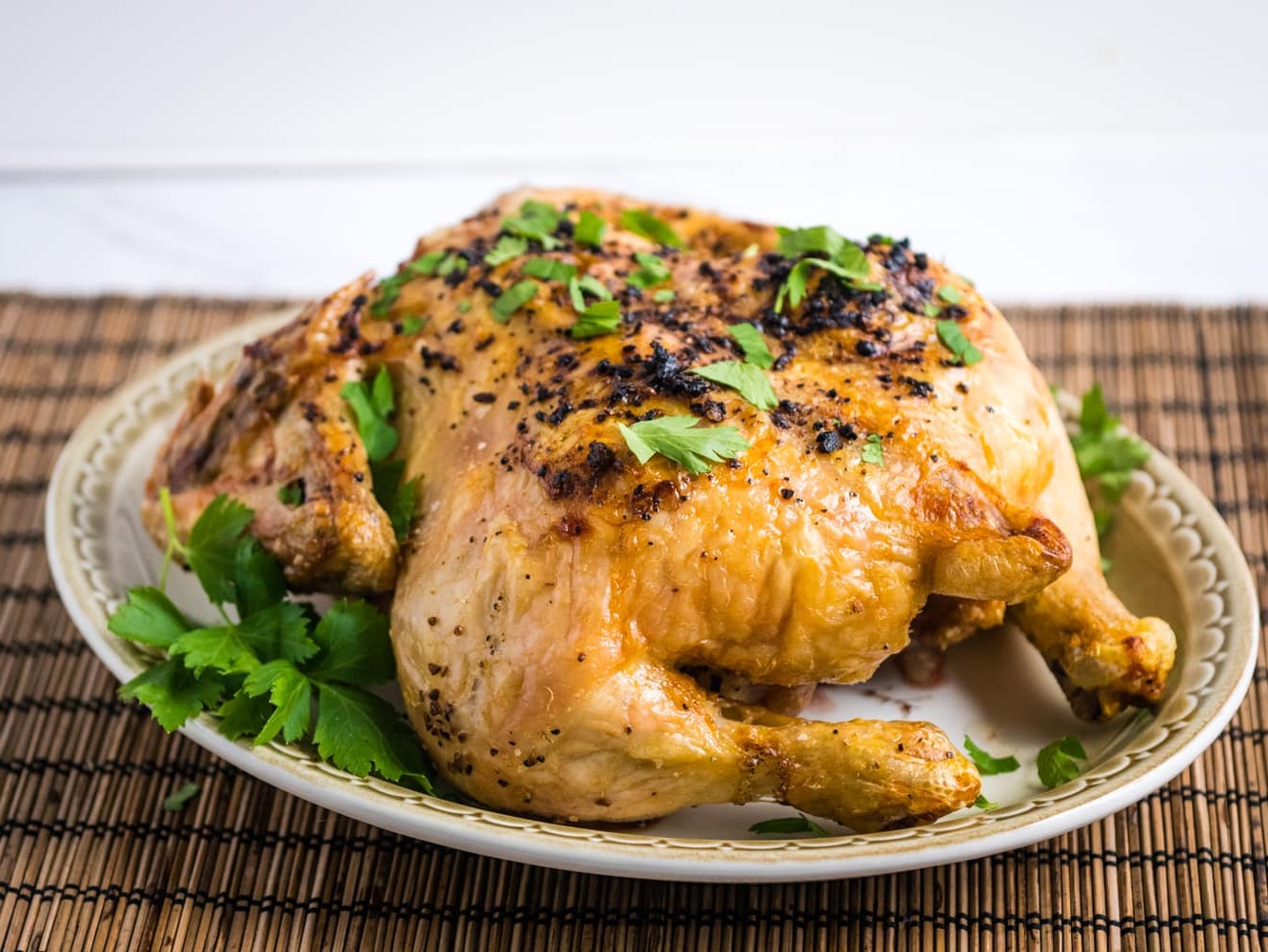
- Air Fryer Whole Chicken Recipe1 Hours 10 Minutes
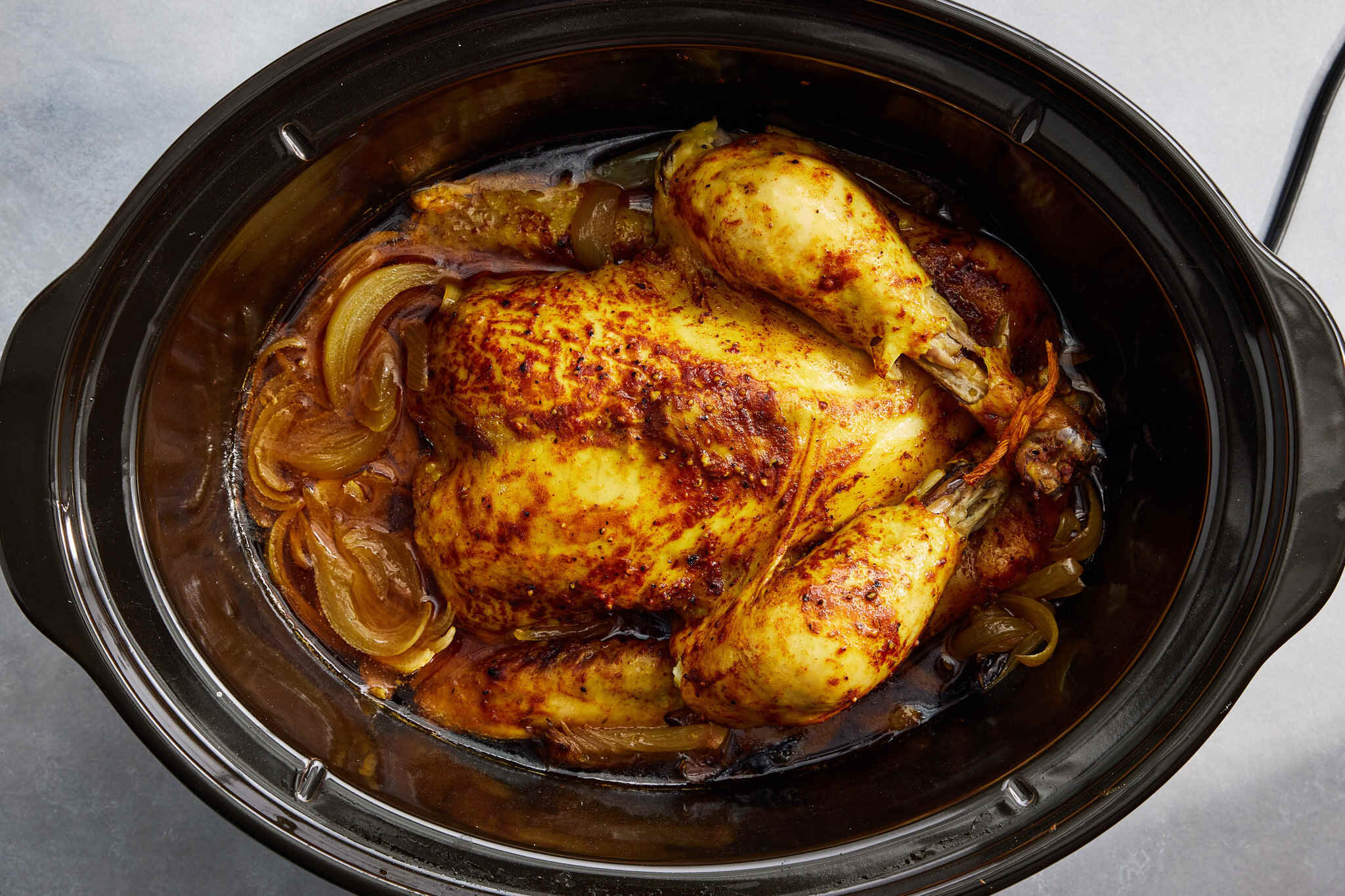
- Slow Cooker Chicken Recipe4 Hours 10 Minutes
- Banana Milkshake Recipe5 Minutes
- Baked Jalapeno Poppers Recipe35 Minutes
- Cranberry Pineapple Juice Recipe10 Minutes
- Carrot and Orange Juice Recipe10 Minutes
- Aebleskiver Recipe35 Minutes
- Vegan Coconut Curry with Pasta and Vegetables Recipe40 Minutes










Leave a Reply