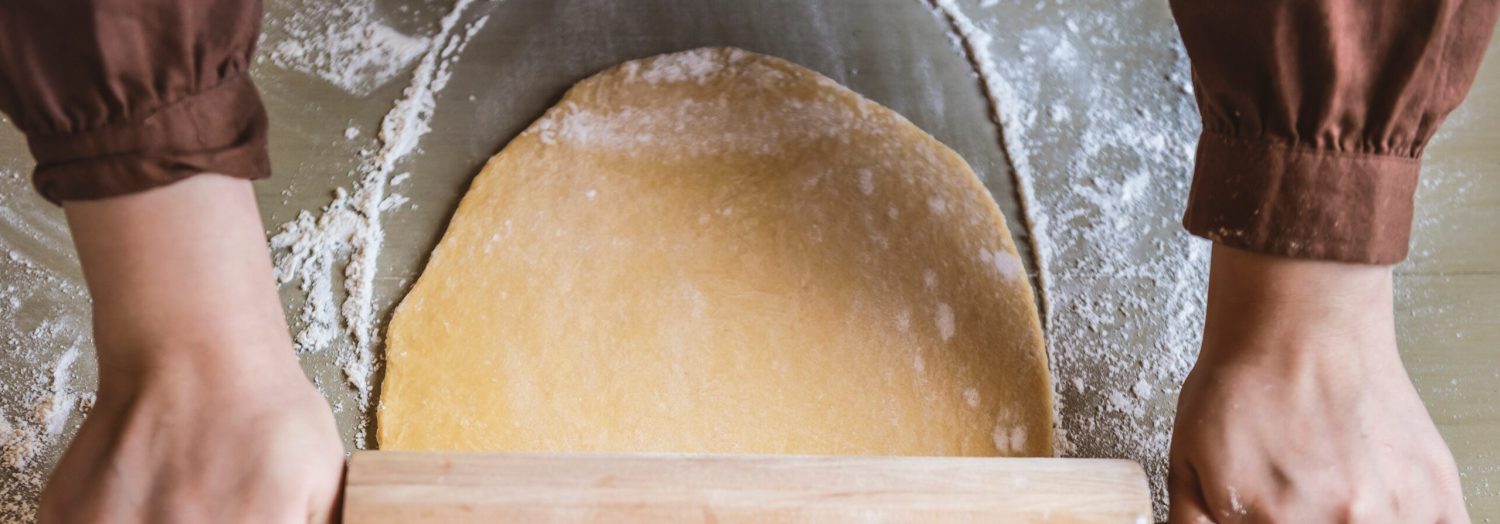

I’m really happy you’re here because this japchae recipe is one of my favorites to make when I want something colorful and full of flavor. It’s a dish that feels special but is actually pretty simple to prepare, and I love how all the ingredients come together in a tasty, satisfying way. I hope you enjoy making it as much as I do!
Some ingredients in this recipe might be new if you haven’t cooked Korean food before. Sweet potato noodles are a key part of japchae and can usually be found in the Asian section of most supermarkets or at an Asian grocery store. Blanched spinach is just spinach that’s been quickly cooked in boiling water and then cooled, so you can prepare it yourself or buy it fresh. Toasted sesame seeds add a nice nutty flavor and can also be found in the spice or international aisle.
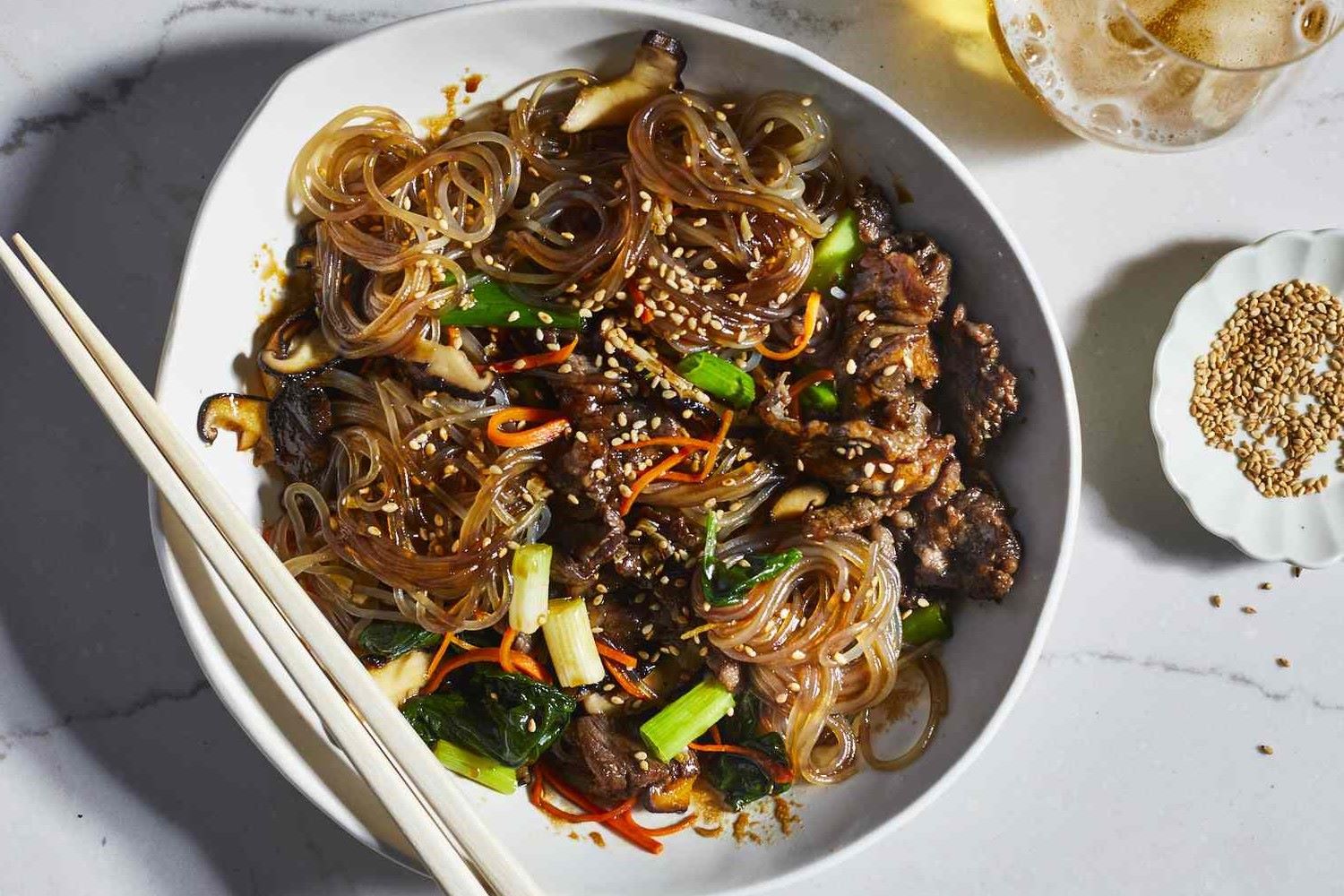
Ingredients For Japchae Recipe
Sweet potato noodles: These chewy noodles are made from sweet potato starch and give japchae its unique texture.
Beef sirloin: Thinly sliced beef adds a rich, savory flavor and protein to the dish.
Carrot: Julienned carrots bring a bit of sweetness and crunch.
Onion: Sliced onion adds a mild sharpness and depth.
Red bell pepper: This adds color and a sweet, fresh taste.
Spinach: Blanched spinach gives a soft texture and a fresh, green flavor.
Soy sauce: A salty, umami seasoning that ties all the flavors together.
Sesame oil: Adds a toasty, nutty aroma and taste.
Sugar: Balances the salty and savory flavors with a touch of sweetness.
Garlic: Minced garlic gives a punch of flavor and aroma.
Toasted sesame seeds: Sprinkled on top for extra crunch and nuttiness.
Technique Tip for This Recipe
One helpful trick in this Japchae recipe is how to cook the sweet potato noodles so they don’t stick together. When you cook these noodles, it’s easy for them to clump up and become a big sticky mess, which makes mixing everything later harder. Here’s a simple way to keep them separate and perfect:
- Bring a big pot of water to a boil. Using plenty of water helps the noodles move around freely.
- Add the noodles and gently stir them right away with a fork or chopsticks. This stops them from sticking to each other.
- Cook the noodles just until they’re soft but still a little chewy—check the package for timing.
- Drain the noodles in a colander and rinse them under cold water. This cools them down and washes off extra starch that makes them sticky.
- Toss the noodles with a little bit of sesame oil or regular oil to keep them from sticking while you finish cooking the rest of the dish.
Doing these steps makes cooking smoother because the noodles stay separate and easy to mix with the other ingredients like the beef, spinach, and vegetables. It also helps the flavors spread evenly, so every bite tastes just right.
When I first tried this recipe, I didn’t rinse the noodles after draining, and they turned into one big sticky clump. It was tricky to stir-fry them with the other ingredients! Now, I always rinse and oil the noodles first—it saves so much time and frustration. Plus, it makes the whole dish look nicer on the plate. Give it a try, and you’ll see how much easier it is to cook and enjoy your Japchae!
Suggested Side Dishes
Alternative Ingredients
Sweet potato noodles - Substitute with rice noodles: Rice noodles have a similar texture and are gluten-free, making them a suitable alternative for japchae.
Beef sirloin - Substitute with chicken breast: Chicken breast is a lean protein that can absorb flavors well, providing a different but delicious taste to the dish.
Carrot - Substitute with zucchini: Zucchini can be julienned like carrots and offers a mild flavor that complements the other ingredients.
Onion - Substitute with shallots: Shallots have a milder taste and can add a subtle sweetness to the dish, similar to onions.
Red bell pepper - Substitute with yellow bell pepper: Yellow bell peppers have a similar sweetness and crunch, maintaining the dish's texture and flavor profile.
Blanched spinach - Substitute with kale: Kale can be blanched and provides a similar leafy texture, adding a slightly different but pleasant flavor.
Soy sauce - Substitute with tamari: Tamari is a gluten-free alternative to soy sauce with a similar umami flavor, making it a good substitute.
Sesame oil - Substitute with olive oil: Olive oil can provide a different but rich flavor, though it lacks the nutty aroma of sesame oil.
Sugar - Substitute with honey: Honey adds sweetness with a touch of floral notes, enhancing the overall flavor of the dish.
Garlic - Substitute with garlic powder: Garlic powder can be used when fresh garlic is unavailable, providing a similar flavor profile.
Toasted sesame seeds - Substitute with toasted sunflower seeds: Toasted sunflower seeds offer a similar crunch and nutty flavor, making them a suitable alternative.
Alternative Recipes Similar to This Dish
How to Store or Freeze This Dish
Allow the japchae to cool to room temperature before storing. This helps prevent condensation, which can make the dish soggy.
Transfer the japchae into an airtight container. Choose a container that fits the amount of japchae snugly to minimize air exposure.
If you plan to enjoy the japchae within a few days, store it in the refrigerator. It will stay fresh for up to 3-4 days.
For longer storage, consider freezing. Divide the japchae into individual portions for convenience. This way, you can defrost only what you need.
When freezing, use freezer-safe containers or heavy-duty freezer bags. Squeeze out as much air as possible to prevent freezer burn.
Label the containers with the date of storage to keep track of freshness.
To reheat refrigerated japchae, use a non-stick skillet over medium heat. Add a splash of soy sauce or sesame oil to refresh the flavors.
For frozen japchae, thaw it in the refrigerator overnight before reheating. Alternatively, use the microwave's defrost setting for a quicker option.
Avoid reheating japchae multiple times, as this can affect the texture and flavor of the vegetables and beef.
If the noodles seem dry after reheating, toss them with a bit more sesame oil or a splash of water to restore moisture.
How to Reheat Leftovers
Gently reheat the japchae in a non-stick pan over medium heat. Add a splash of water or soy sauce to prevent sticking and to refresh the flavors. Stir occasionally until everything is heated through.
Use a microwave-safe dish to reheat your japchae. Cover it with a damp paper towel to retain moisture. Heat on medium power in 30-second intervals, stirring in between, until warm.
For a quick and even reheating, place the japchae in a steamer basket over simmering water. Cover and steam for about 5 minutes, or until the noodles and vegetables are hot.
If you have an air fryer, spread the japchae evenly in the basket. Set the temperature to 350°F (175°C) and heat for about 3-5 minutes, shaking the basket halfway through to ensure even heating.
Reheat the japchae in an oven-safe dish covered with foil. Preheat the oven to 350°F (175°C) and warm for about 10-15 minutes. This method helps maintain the texture of the noodles and vegetables.
Essential Tools for This Recipe
Wok: A versatile cooking pan with a rounded bottom, ideal for stir-frying ingredients quickly and evenly over high heat.
Pot: Used to boil the sweet potato noodles according to package instructions.
Strainer: Essential for draining the cooked noodles after boiling.
Knife: Necessary for slicing the beef, onion, red bell pepper, and julienning the carrot.
Cutting board: Provides a stable surface for safely chopping and slicing ingredients.
Tongs: Useful for handling and tossing the noodles and other ingredients in the wok.
Measuring spoons: Ensures accurate measurement of soy sauce, sesame oil, and sugar for the recipe.
Garlic press: Handy for mincing garlic cloves efficiently.
Serving plate: Used to present the finished japchae dish attractively.
Spatula: Helps in stirring and mixing the ingredients in the wok to ensure even cooking.
How to Save Time on Making This Dish
Prep ingredients ahead: Slice the beef, carrots, onion, and bell pepper in advance to streamline cooking.
Use one pot: Cook the noodles and stir-fry everything in the same wok to minimize cleanup time.
Batch cook: Double the recipe and store leftovers for quick meals later in the week.
Pre-mix sauce: Combine soy sauce, sesame oil, sugar, and garlic beforehand for easy incorporation.
Quick blanch spinach: Use a microwave to blanch spinach in seconds, saving time on boiling water.
Japchae Recipe
Ingredients
Main Ingredients
- 200 g sweet potato noodles
- 200 g beef sirloin thinly sliced
- 1 carrot julienned
- 1 onion sliced
- 1 red bell pepper sliced
- 100 g spinach blanched
- 2 tablespoon soy sauce
- 1 tablespoon sesame oil
- 1 tablespoon sugar
- 2 cloves garlic minced
- 1 tablespoon sesame seeds toasted
Instructions
- 1. Cook the sweet potato noodles according to package instructions. Drain and set aside.
- 2. In a wok, heat some oil over medium-high heat. Add the beef and cook until browned. Remove and set aside.
- 3. In the same wok, add more oil if needed. Stir-fry the carrots, onion, and bell pepper until tender.
- 4. Add the cooked noodles, beef, spinach, soy sauce, sesame oil, sugar, and garlic to the wok. Stir-fry everything together for a few minutes until well combined.
- 5. Garnish with toasted sesame seeds before serving.
Nutritional Value
Keywords
Suggested Appetizers and Desserts
More Amazing Recipes to Try 🙂
- Refreshing Cucumber Lemonade Recipe10 Minutes
- POG Juice Recipe5 Minutes
- Singapore Sling Cocktail Recipe5 Minutes
- Spicy Seafood Sauce Recipe30 Minutes
- Veggie Spring Rolls with Mango Dipping Sauce Recipe30 Minutes
- Pickled Watermelon Rinds Recipe30 Minutes
- Cocktail Sauce Recipe5 Minutes
- Mexican Sopes Recipe40 Minutes









Leave a Reply