
I’m really excited to share this sambal sauce recipe with you because it’s full of bold flavors that can spice up any meal. This sauce has a special place in my kitchen since it adds a perfect kick to everything from rice to grilled veggies. Keep reading to see how simple it is to make your own spicy, tangy sauce at home.
Some ingredients in this recipe might be new if you haven’t cooked with Southeast Asian flavors before. Shrimp paste is a strong-smelling fermented ingredient that adds a deep umami taste, and tamarind juice brings a tangy, slightly sour flavor. You can usually find both in the international or Asian section of most supermarkets, or at an Asian grocery store.
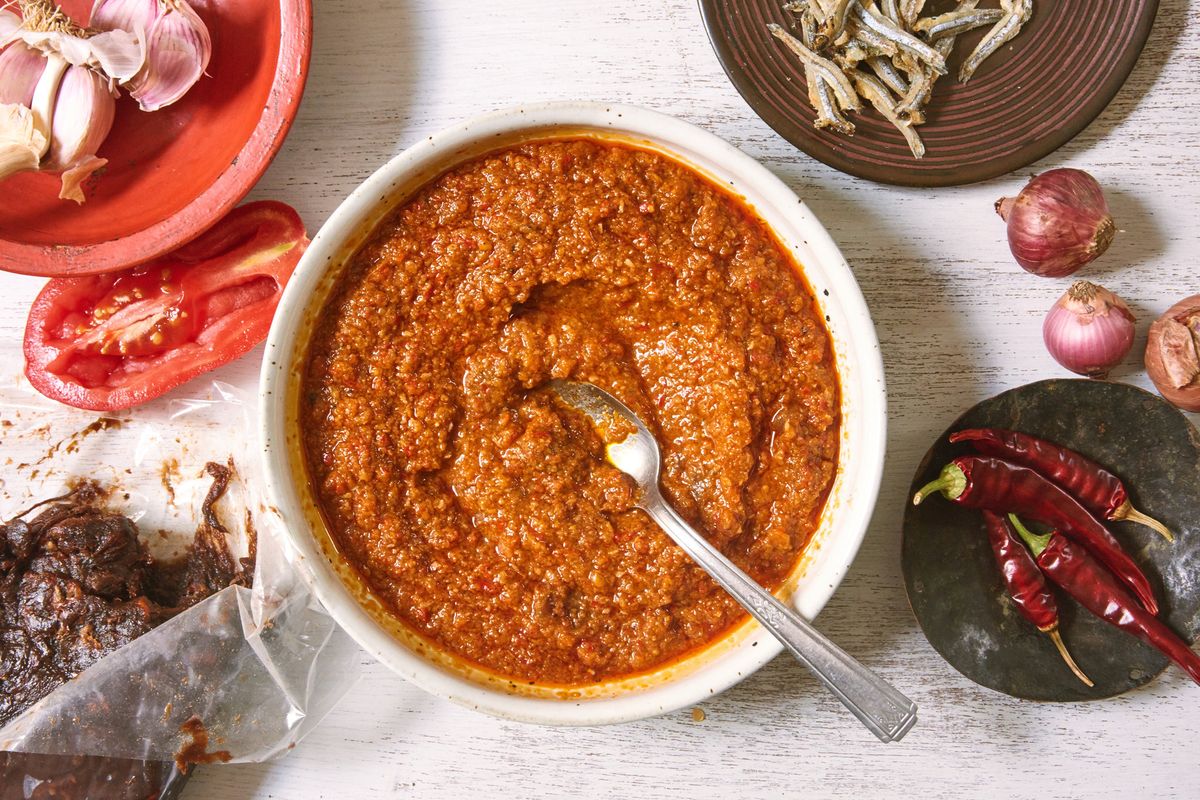
Ingredients For Sambal Sauce Recipe
Red chilies: These give the sauce its spicy heat and bright red color.
Shallots: Mild and sweet, shallots add a gentle onion flavor.
Garlic: Adds a sharp, savory taste that balances the heat.
Shrimp paste: A fermented paste that brings a rich, salty umami flavor.
Sugar: Sweetens the sauce and balances the sour and spicy notes.
Salt: Enhances all the flavors in the sauce.
Vegetable oil: Used to cook the paste and bring everything together.
Tamarind juice: Adds a tangy, slightly sour flavor that brightens the sauce.
Technique Tip for Sambal Sauce
When you’re cooking the sambal sauce, one of the most important steps is to cook the paste slowly in the oil. Here’s how you can do it without burning or sticking:
- Heat your pan over medium heat—not too hot, not too cool.
- Add the vegetable oil and let it warm up for a few seconds.
- Carefully add the blended chilies, shallots, garlic, and shrimp paste mixture.
- Stir the paste gently but regularly, about every minute or so.
- Keep cooking it for about 10 minutes until it smells fragrant and the color deepens.
This slow cooking helps the flavors mix and mellow out. If you rush or use too high heat, the paste can burn and taste bitter. Stirring often stops it from sticking to the pan and burning in one spot. Plus, cooking it well brings out the sweetness and richness hidden in the chilies and shallots.
When I first tried making sambal, I didn’t stir enough and ended up with a burnt spot that made the whole batch taste off. Now, I set a timer and remind myself to stir every minute. Also, I like to use a non-stick pan because it’s easier to keep the paste moving and not stuck. It’s a small trick that makes a big difference in how tasty your sambal sauce turns out!
Suggested Side Dishes
Alternative Ingredients
red chilies - Substitute with serrano peppers: Serrano peppers have a similar heat level and can provide a comparable flavor profile.
shallots - Substitute with red onions: Red onions have a similar sweetness and mild flavor, making them a good alternative.
garlic - Substitute with garlic powder: Garlic powder can provide a similar garlicky flavor, though it may be slightly less pungent.
shrimp paste - Substitute with fish sauce: Fish sauce can provide a similar umami and salty flavor, though it is more liquid.
sugar - Substitute with honey: Honey can add a similar sweetness with a slightly different flavor profile.
salt - Substitute with soy sauce: Soy sauce can add saltiness along with additional umami flavor.
vegetable oil - Substitute with canola oil: Canola oil has a similar neutral flavor and high smoke point.
tamarind juice - Substitute with lime juice: Lime juice can provide a similar tangy acidity, though it lacks the unique flavor of tamarind.
Other Alternative Recipes Similar to Sambal Sauce
How To Store / Freeze This Sauce
- Allow the sambal sauce to cool completely at room temperature before storing. This helps prevent condensation, which can lead to spoilage.
- Transfer the sambal sauce into an airtight container. Glass jars with tight-fitting lids are ideal as they help preserve the flavor and prevent any unwanted odors from seeping in.
- Store the container in the refrigerator. The sambal sauce will keep well for up to 2 weeks when refrigerated properly.
- For longer storage, consider freezing the sambal sauce. Portion the sauce into ice cube trays for easy, single-use servings. Once frozen, transfer the cubes into a resealable plastic bag or another airtight container.
- Label the container or bag with the date of preparation. This helps you keep track of its freshness and ensures you use the oldest batch first.
- When ready to use, thaw the desired amount of sambal sauce in the refrigerator overnight or at room temperature for a few hours. Avoid using the microwave to defrost as it can alter the texture and flavor.
- If the sambal sauce appears too thick after thawing, stir in a small amount of vegetable oil or tamarind juice to restore its original consistency.
- Always use a clean spoon to scoop out the sambal sauce to avoid contamination and extend its shelf life.
How To Reheat Leftovers
Stovetop Method:
- Place a small saucepan over low to medium heat.
- Add the leftover sambal sauce to the pan.
- Stir occasionally to ensure even heating and to prevent sticking.
- Heat for about 5-7 minutes or until the sauce is warmed through.
- If the sauce appears too thick, add a splash of water or tamarind juice to loosen it up.
Microwave Method:
- Transfer the sambal sauce to a microwave-safe bowl.
- Cover the bowl with a microwave-safe lid or a microwave-safe plate to prevent splatters.
- Heat on medium power for 1-2 minutes.
- Stir the sauce halfway through to ensure even heating.
- Continue heating in 30-second intervals if needed, until the sauce is hot.
Oven Method:
- Preheat your oven to 300°F (150°C).
- Place the sambal sauce in an oven-safe dish.
- Cover the dish with aluminum foil to prevent drying out.
- Heat in the oven for about 15-20 minutes.
- Stir halfway through to ensure even heating.
Double Boiler Method:
- Fill a pot with a few inches of water and bring it to a simmer.
- Place a heatproof bowl on top of the pot, ensuring the bottom of the bowl does not touch the water.
- Add the sambal sauce to the bowl.
- Stir occasionally, heating until the sauce is warmed through, about 10 minutes.
Steamer Method:
- Set up a steamer pot with water and bring it to a boil.
- Place the sambal sauce in a heatproof bowl or container.
- Put the bowl in the steamer basket.
- Cover and steam for about 10 minutes, stirring halfway through to ensure even heating.
Best Tools for Making Sambal Sauce
Blender: To blend the chilies, shallots, garlic, and shrimp paste into a smooth paste.
Pan: To cook the blended paste and incorporate the other ingredients.
Spatula: To stir the paste while cooking to ensure even cooking and prevent burning.
Measuring spoons: To measure out the shrimp paste, sugar, salt, and tamarind juice accurately.
Knife: To chop the chilies, shallots, and garlic before blending.
Cutting board: To provide a surface for chopping the ingredients.
Bowl: To hold the blended paste before cooking if needed.
Spoon: To add the sugar, salt, and tamarind juice to the cooking paste.
Stove: To provide the heat source for cooking the sambal sauce.
Container: To store the sambal sauce once it has cooled.
How to Save Time on This Recipe
Pre-chop ingredients: Chop the chilies, shallots, and garlic in advance and store them in the fridge.
Use a food processor: Blend the chilies, shallots, garlic, and shrimp paste quickly using a food processor.
Pre-mix tamarind juice: Prepare and store the tamarind juice ahead of time.
Cook in bulk: Make a large batch of sambal sauce and freeze portions for future use.
Use pre-made shrimp paste: Save time by using store-bought shrimp paste instead of making your own.
Sambal Sauce Recipe
Ingredients
Main Ingredients
- 10 red chilies
- 5 shallots
- 3 cloves garlic
- 1 teaspoon shrimp paste
- 1 tablespoon sugar
- 1 teaspoon salt
- 2 tablespoon vegetable oil
- 2 tablespoon tamarind juice
Instructions
- Blend chilies, shallots, garlic, and shrimp paste into a smooth paste.
- Heat oil in a pan over medium heat.
- Add the paste and cook for 10 minutes, stirring occasionally.
- Add sugar, salt, and tamarind juice. Cook for another 5 minutes.
- Let it cool before serving.
Nutritional Value
Keywords
More Amazing Recipes to Try 🙂
- Spicy Seafood Sauce Recipe30 Minutes
- Veggie Spring Rolls with Mango Dipping Sauce Recipe30 Minutes
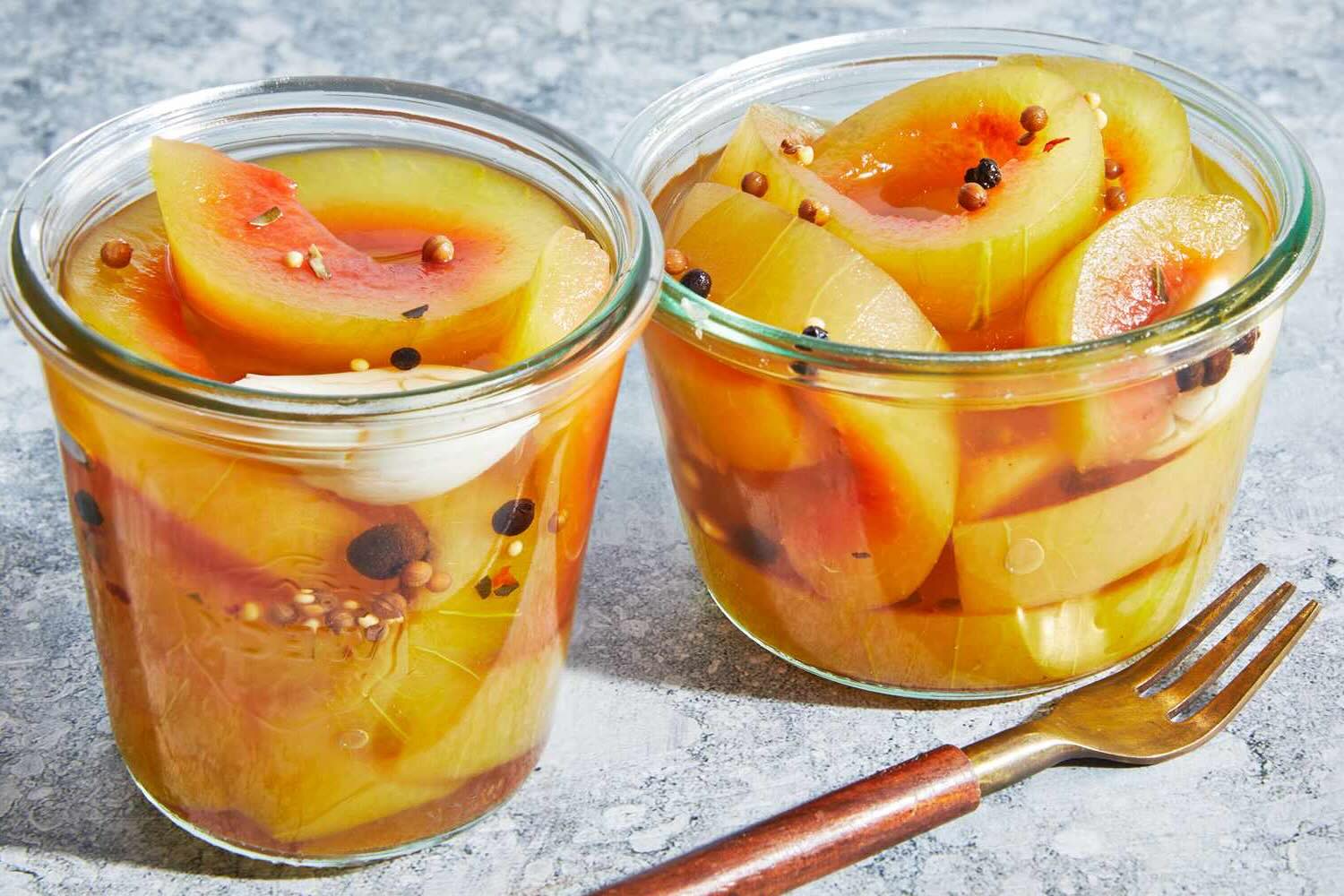
- Pickled Watermelon Rinds Recipe30 Minutes
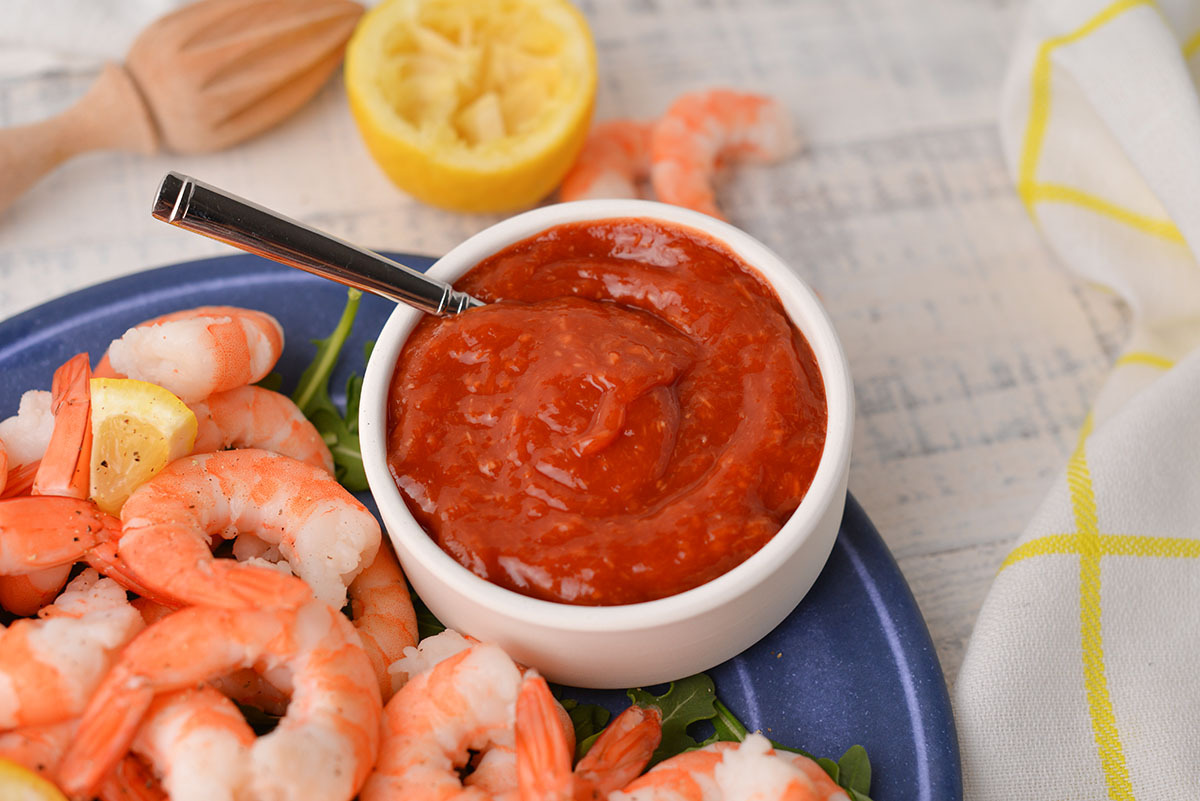
- Cocktail Sauce Recipe5 Minutes
- Mexican Sopes Recipe40 Minutes
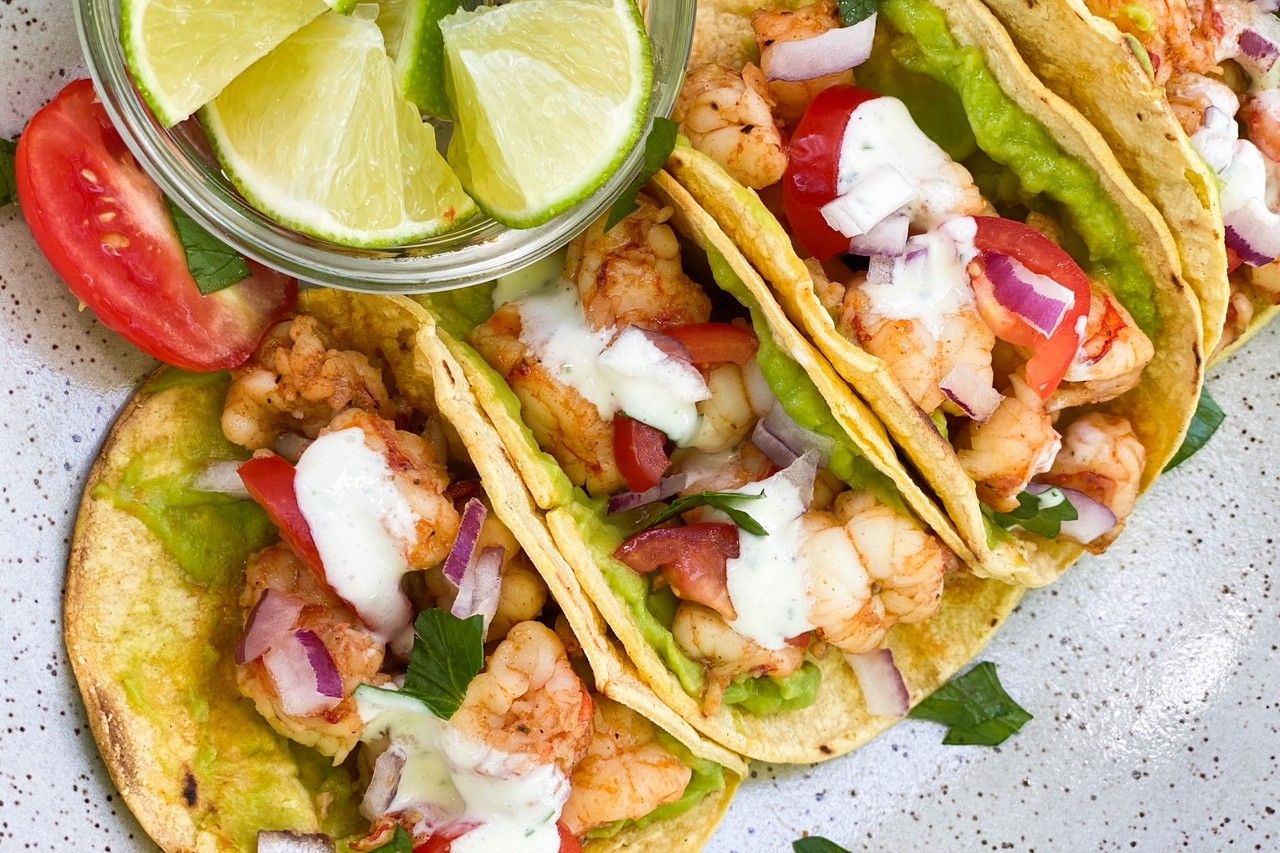
- Traditional Mexican Street Tacos Recipe30 Minutes
- Eggless French Toast Recipe20 Minutes
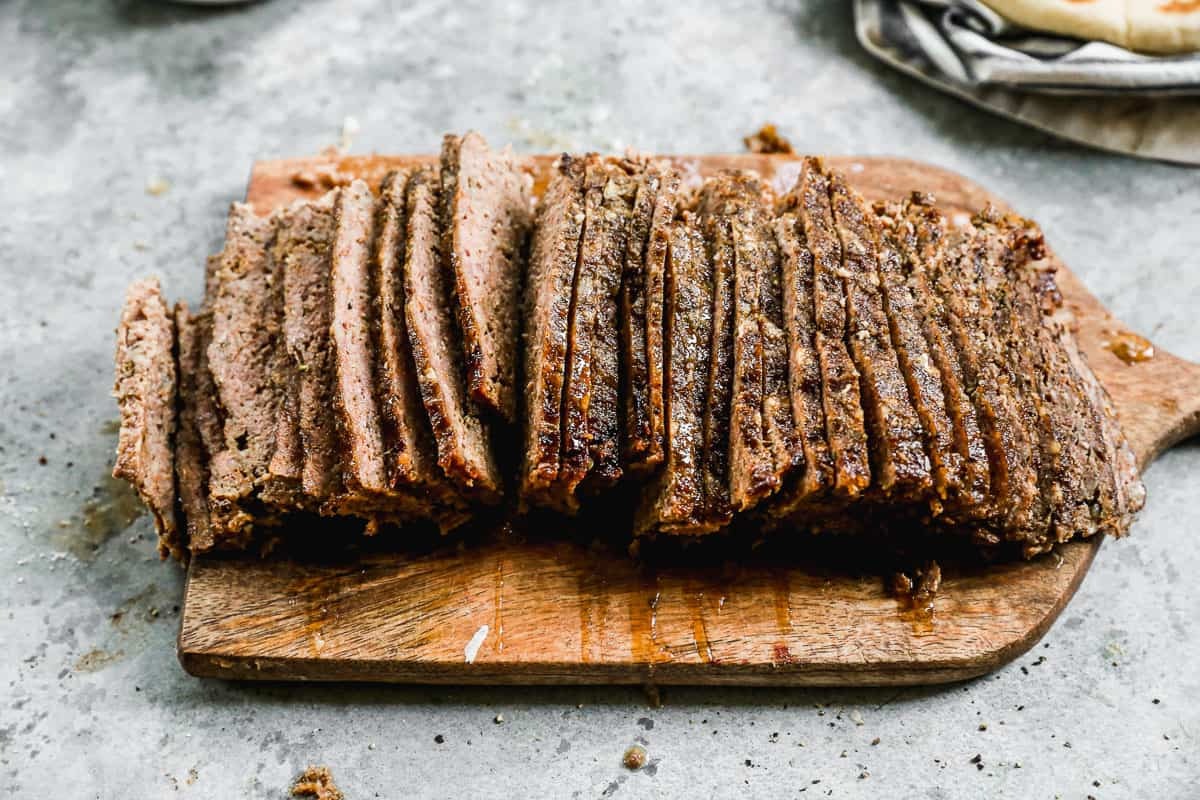
- Traditional Gyro Meat Recipe1 Hours 20 Minutes


Leave a Reply