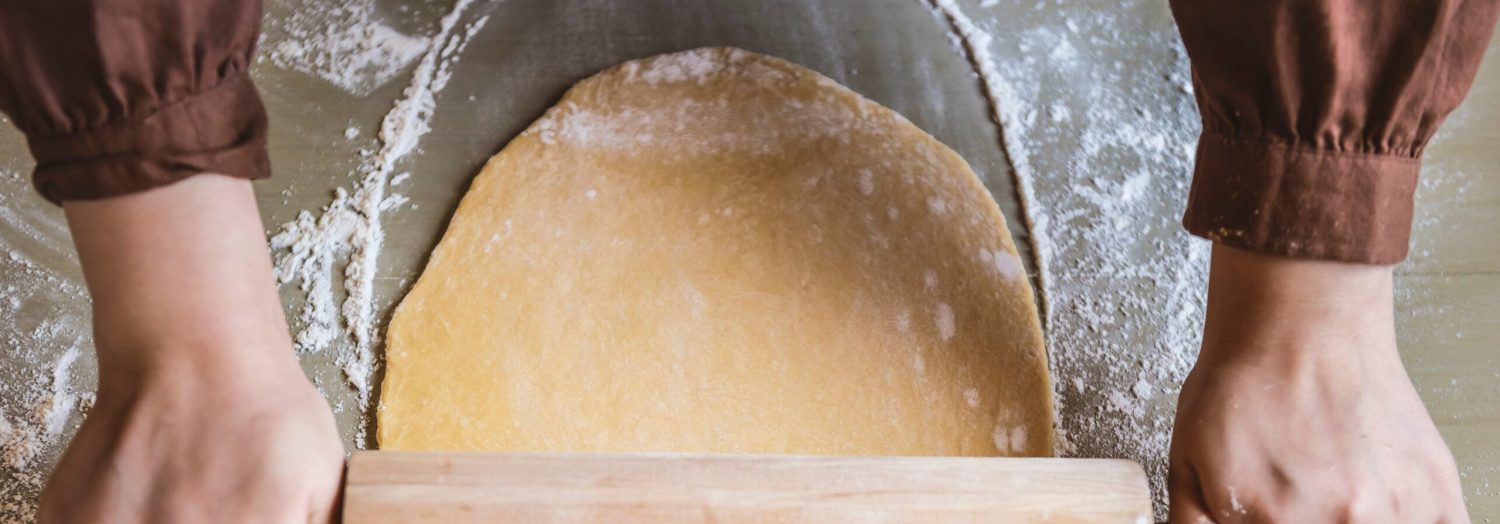

I’m really happy to share this keto bread recipe with you because it’s one of my favorite ways to enjoy fresh bread without all the carbs. It’s soft, tasty, and perfect for sandwiches or toast. I hope you’ll enjoy making it as much as I do!
Some ingredients in this recipe might be new if you haven’t tried keto baking before. Psyllium husk powder is a fiber that helps give the bread a nice texture, and it’s usually found in the health food or baking section of the supermarket. Almond flour and coconut flour are different from regular flour because they come from nuts and coconut, so they add flavor and keep the bread low in carbs.
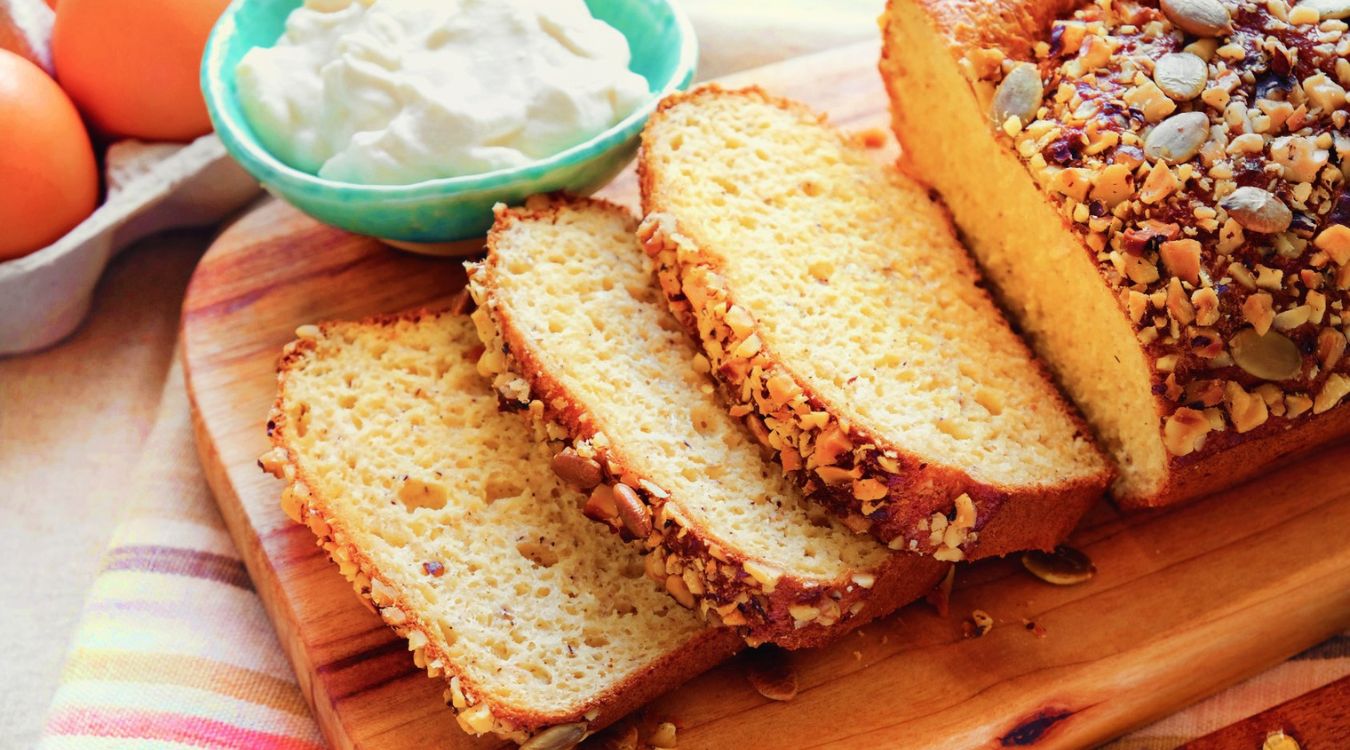
Ingredients For Keto Bread Recipe
Almond flour: A fine flour made from ground almonds that adds moisture and a mild nutty flavor.
Coconut flour: A powder made from dried coconut meat that helps absorb moisture and adds a slight sweetness.
Psyllium husk powder: A fiber that helps bind the bread and gives it a chewy texture.
Baking powder: A leavening agent that helps the bread rise.
Salt: Enhances the flavor of the bread.
Eggs: Provide structure and moisture to the bread.
Butter: Adds richness and helps keep the bread soft.
Warm water: Helps activate the psyllium husk and mix the dough smoothly.
Technique Tip for This Recipe
One of the most helpful steps in this Keto Bread Recipe is mixing the wet and dry ingredients until a dough forms. Getting this right makes a big difference in how your bread turns out. Here’s how you can do it smoothly:
- Start by adding the wet ingredients (the beaten eggs, melted butter, and warm water) to the bowl with the dry ingredients (almond flour, coconut flour, psyllium husk powder, baking powder, and salt).
- Use a spoon or spatula to gently stir everything together. At first, it might look crumbly or a bit dry, but keep mixing.
- As you mix, the ingredients will start to come together and form a dough that sticks to itself.
- If it feels too dry or crumbly, don’t add more water—just keep stirring a little longer. The psyllium husk powder helps absorb moisture and bind everything, so patience is key.
- Once the dough looks smooth and holds together, you’re ready to put it in the loaf pan.
Taking your time with this step helps the bread have a nice texture and hold its shape when baked. If you rush or don’t mix well, the bread might crumble or be too dense.
When I first made this bread, I thought I needed to add extra water because the dough seemed dry. But that actually made the bread too wet and heavy. Now I know that mixing a bit longer is all it takes to get the dough just right. It’s kind of like magic how the psyllium husk powder works! This step is a little different from regular bread, but once you get the hang of it, it feels really rewarding.
Suggested Side Dishes
Alternative Ingredients
almond flour - Substitute with sunflower seed flour: Sunflower seed flour is a great nut-free alternative that maintains a similar texture and low-carb profile.
coconut flour - Substitute with flaxseed meal: Flaxseed meal can provide a similar fiber content and absorbency, though you may need to adjust the liquid content slightly.
psyllium husk powder - Substitute with ground chia seeds: Ground chia seeds can mimic the binding properties and fiber content of psyllium husk powder.
baking powder - Substitute with baking soda and cream of tartar: Use a combination of baking soda and cream of tartar to achieve the same leavening effect.
salt - Substitute with sea salt: Sea salt can be used in the same quantity and provides a similar flavor profile.
eggs - Substitute with flax eggs: Mix 1 tablespoon of ground flaxseed with 3 tablespoon of water per egg. This mixture can act as a binding agent and provide similar moisture.
melted butter - Substitute with coconut oil: Coconut oil can provide a similar fat content and moisture, though it may impart a slight coconut flavor.
warm water - Substitute with almond milk: Almond milk can add a bit more richness and flavor while maintaining the necessary moisture content.
Other Alternative Recipes Similar to This
How to Store or Freeze This Recipe
Allow the keto bread to cool completely on a wire rack before storing. This prevents condensation from forming inside the storage container, which can make the bread soggy.
Wrap the cooled bread tightly in plastic wrap or aluminum foil. This helps to keep the bread fresh and prevents it from drying out.
Place the wrapped bread in an airtight container or a resealable plastic bag. This adds an extra layer of protection against air and moisture.
Store the bread at room temperature for up to 3 days. If you live in a particularly humid climate, consider storing it in the refrigerator to extend its shelf life.
For longer storage, freeze the bread. Slice the bread before freezing so you can easily grab a slice or two without having to thaw the entire loaf.
To freeze, wrap each slice individually in plastic wrap or parchment paper, then place the slices in a freezer-safe bag or container. This prevents the slices from sticking together and makes it easy to take out just what you need.
Label the container or bag with the date so you can keep track of how long the bread has been stored. Frozen keto bread can last up to 3 months.
When you're ready to enjoy a slice, thaw it at room temperature or warm it in the toaster or microwave. This will help to restore its fresh-baked texture.
For a quick refresh, you can also toast the thawed slices lightly in a skillet with a bit of butter or olive oil to enhance the flavor and texture.
How to Reheat Leftovers
Oven Method: Preheat your oven to 300°F (150°C). Wrap the keto bread in aluminum foil to prevent it from drying out. Place it on a baking sheet and heat for about 10-15 minutes, or until warmed through. This method helps maintain the bread's texture and flavor.
Toaster Method: Slice the keto bread into individual pieces. Toast each slice in a toaster or toaster oven on a medium setting. This will give the bread a nice, crispy exterior while keeping the inside soft.
Microwave Method: Place a slice of keto bread on a microwave-safe plate. Cover it with a damp paper towel to retain moisture. Microwave on medium power for 20-30 seconds. Be cautious not to overheat, as this can make the bread rubbery.
Skillet Method: Heat a non-stick skillet over medium heat. Add a small amount of butter or olive oil to the skillet. Place the slices of keto bread in the skillet and heat for 1-2 minutes on each side, until warmed and slightly crispy. This method adds a delightful buttery flavor.
Steaming Method: If you want to retain maximum moisture, use a steamer. Place the keto bread slices in a steamer basket over boiling water. Cover and steam for about 5 minutes. This method keeps the bread soft and moist.
Best Tools for This Recipe
Oven: Used to bake the bread at a consistent temperature of 350°F (175°C).
Loaf pan: The container in which the dough is placed to shape the bread while baking.
Mixing bowl: Used to combine the dry ingredients together.
Mixing bowl: Used to beat the eggs and mix the wet ingredients.
Whisk: Helps to evenly mix the dry ingredients.
Beater: Used to beat the eggs and mix them with the melted butter and warm water.
Spatula: Useful for transferring the dough to the loaf pan and smoothing the top.
Toothpick: Used to check if the bread is fully baked by inserting it into the center.
Wire rack: Allows the bread to cool completely after baking.
Measuring cups: Ensures accurate measurement of the almond flour, coconut flour, psyllium husk powder, and melted butter.
Measuring spoons: Ensures accurate measurement of the baking powder and salt.
How to Save Time on This Recipe
Pre-measure ingredients: Measure out all ingredients before starting to streamline the process.
Use a food processor: Combine dry ingredients quickly by pulsing them in a food processor.
Room temperature eggs: Use room temperature eggs to ensure they mix more easily with other ingredients.
Melt butter in microwave: Melt the butter in the microwave to save time.
Line the loaf pan: Use parchment paper to line the loaf pan for easy removal and less cleanup.
Cool on wire rack: Transfer the bread to a wire rack immediately to speed up cooling.
Keto Bread Recipe
Ingredients
Main Ingredients
- 1.5 cups Almond flour
- ¼ cup Coconut flour
- ¼ cup Psyllium husk powder
- 1 tablespoon Baking powder
- ½ teaspoon Salt
- 4 Eggs large
- ½ cup Butter melted
- ½ cup Warm water
Instructions
- Preheat your oven to 350°F (175°C). Grease a loaf pan.
- In a mixing bowl, whisk together almond flour, coconut flour, psyllium husk powder, baking powder, and salt.
- In another bowl, beat the eggs. Add melted butter and warm water, and mix well.
- Combine the wet and dry ingredients, and mix until a dough forms.
- Transfer the dough to the greased loaf pan and smooth the top.
- Bake for 40 minutes, or until a toothpick inserted into the center comes out clean.
- Let the bread cool in the pan for 10 minutes, then transfer to a wire rack to cool completely.
Nutritional Value
Keywords
More Amazing Recipes to Try 🙂
- Irish Cream and Whiskey Cocktail Recipe5 Minutes
- Beergarita Recipe10 Minutes
- Seafood Sandwich Recipe20 Minutes
- Pomegranate Holiday Cocktail Recipe10 Minutes
- Blended Margarita Recipe10 Minutes
- Sirloin Steak with Garlic Butter Recipe25 Minutes
- Taco Sauce Recipe15 Minutes
- Hot Spiced Tea Recipe20 Minutes







Leave a Reply