

I love making these peanut butter oatmeal cookies because they are soft, chewy, and full of flavor. They remind me of cozy afternoons spent baking with family, and I think you’ll enjoy how simple and satisfying they are. Scroll down to see how easy it is to whip up a batch that everyone will want to eat!
Most of the ingredients in this recipe are common pantry staples like peanut butter, sugar, and flour. If you don’t usually keep rolled oats at home, you might want to pick some up at the supermarket since they add a nice texture and heartiness to the cookies. Also, make sure your peanut butter is creamy for the best mix and taste.
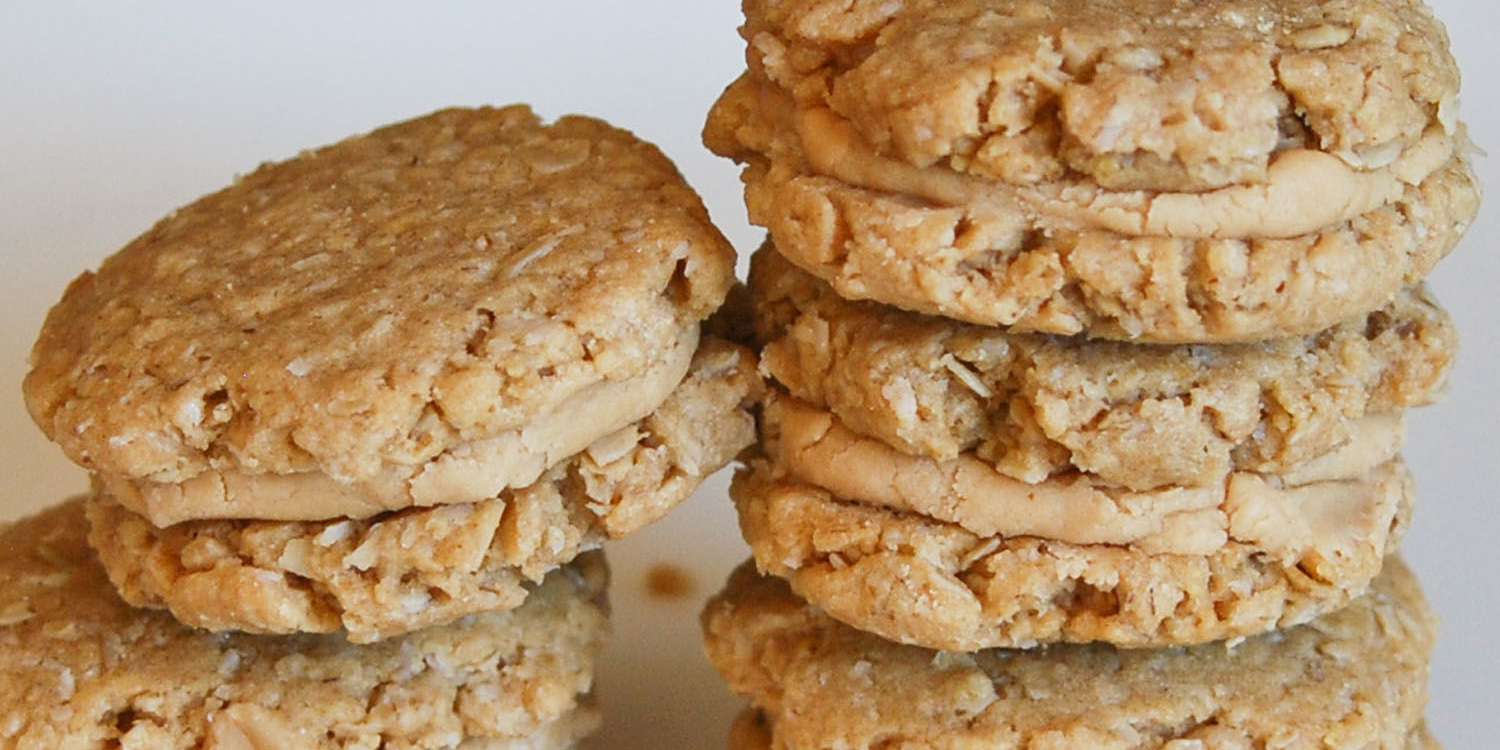
Ingredients For Peanut Butter Oatmeal Cookies Recipe
Peanut butter: Adds rich, nutty flavor and moisture to the cookies.
Butter: Softened butter helps create a tender texture.
Granulated sugar: Sweetens the cookies and helps with browning.
Brown sugar: Adds sweetness and a slight caramel flavor.
Egg: Binds the ingredients together and adds moisture.
Vanilla extract: Enhances the overall flavor with a warm, sweet note.
All-purpose flour: The base that gives structure to the cookies.
Baking soda: Helps the cookies rise and become light.
Salt: Balances the sweetness and enhances flavor.
Rolled oats: Adds chewiness and a wholesome texture.
Technique Tip for This Recipe
One of the most important steps in making these Peanut Butter Oatmeal Cookies is how you cream together the peanut butter, butter, and sugars. This step might sound fancy, but it’s really just mixing these ingredients until they’re smooth and fluffy. Here’s how you can do it:
- Make sure your butter is softened, not melted. Softened means it’s soft enough to press with your finger but still holds its shape.
- Put the peanut butter, softened butter, granulated sugar, and brown sugar in a big bowl.
- Use a hand mixer or a sturdy spoon to mix them together. Start slow so the sugar doesn’t fly everywhere, then speed up.
- Keep mixing until the mixture looks creamy and smooth, with no big lumps.
Doing this right makes your cookies taste better because it helps the sugars dissolve and the butter and peanut butter get all soft and mixed together. This means your cookies will be chewy and have a nice texture instead of being crumbly or dry.
When I first tried this recipe, I didn’t soften my butter enough, and the mixture was hard to mix. It made the dough tough, and the cookies didn’t turn out as soft as I wanted. Now, I always leave the butter out on the counter for about 30 minutes before I start. It’s a little step that makes a big difference and saves a lot of mixing time!
So, take your time with this step—it’s worth it. Your cookies will thank you!
Suggested Side Dishes
Alternative Ingredients
peanut butter - Substitute with almond butter: Almond butter has a similar texture and nutty flavor, making it a great alternative for those with peanut allergies.
softened butter - Substitute with coconut oil: Coconut oil provides a similar fat content and moisture, and it adds a subtle coconut flavor that complements the cookies.
granulated sugar - Substitute with coconut sugar: Coconut sugar has a lower glycemic index and adds a slight caramel flavor, making it a healthier alternative.
packed brown sugar - Substitute with maple syrup: Maple syrup adds a rich, natural sweetness and moisture, though you may need to adjust the dry ingredients slightly to compensate for the extra liquid.
large egg - Substitute with flax egg: A flax egg (1 tablespoon ground flaxseed mixed with 3 tablespoons water) is a great vegan alternative that helps bind the ingredients together.
vanilla extract - Substitute with almond extract: Almond extract provides a different but complementary flavor profile, adding a nutty undertone to the cookies.
all-purpose flour - Substitute with whole wheat flour: Whole wheat flour adds more fiber and nutrients, though it may make the cookies slightly denser.
baking soda - Substitute with baking powder: Use 3 teaspoons of baking powder for every teaspoon of baking soda, but note that this may slightly alter the texture.
salt - Substitute with sea salt: Sea salt can be used in the same quantity and provides a more complex flavor.
rolled oats - Substitute with quick oats: Quick oats have a similar texture and will work well in the recipe, though they may absorb moisture slightly differently.
Other Alternative Recipes Similar to This One
How to Store and Freeze These Cookies
Allow the cookies to cool completely on wire racks before storing. This ensures they maintain their texture and don't become soggy.
For short-term storage, place the cookies in an airtight container. Layer them with parchment paper to prevent sticking. They can be kept at room temperature for up to one week.
If you prefer to keep them fresh for a longer period, store the cookies in the refrigerator. Again, use an airtight container and parchment paper. They will stay fresh for up to two weeks.
For freezing, first, ensure the cookies are completely cooled. Place them in a single layer on a baking sheet and freeze until solid. This prevents them from sticking together.
Once frozen, transfer the cookies to a freezer-safe bag or container. Label with the date and type of cookies. They can be frozen for up to three months.
To enjoy frozen cookies, allow them to thaw at room temperature for about 15-20 minutes. For a freshly baked taste, you can warm them in a preheated oven at 300°F (150°C) for about 5 minutes.
If you prefer to freeze the cookie dough instead of baked cookies, scoop the dough into tablespoon-sized balls and place them on a baking sheet. Freeze until solid, then transfer to a freezer-safe bag or container.
When ready to bake, place the frozen dough balls on a baking sheet and bake at 350°F (175°C) for 12-14 minutes, adding a couple of extra minutes to the original baking time.
Always ensure that the storage containers or bags are sealed properly to prevent the cookies from absorbing any unwanted odors or moisture from the fridge or freezer.
How to Reheat Leftovers
Preheat your oven to 300°F (150°C). Place the cookies on a baking sheet and cover them loosely with aluminum foil. Heat for about 5-10 minutes, or until they are warm and slightly crispy on the edges.
If you prefer a quicker method, use a microwave. Place a cookie on a microwave-safe plate and cover it with a damp paper towel. Microwave on medium power for about 10-15 seconds. Be cautious not to overheat, as this can make the cookie too soft.
For a more even reheating, use a toaster oven. Set it to 300°F (150°C) and place the cookies on the rack or a baking sheet. Heat for about 5 minutes, checking frequently to ensure they don't overcook.
If you have an air fryer, preheat it to 300°F (150°C). Place the cookies in a single layer in the basket and heat for 3-5 minutes. This method helps maintain the cookies' crispiness.
For a stovetop method, use a skillet over low heat. Place the cookies in the skillet and cover with a lid. Heat for about 2-3 minutes on each side, or until warmed through. This method can give the cookies a slightly toasted flavor.
Best Tools for This Recipe
Oven: Used to bake the cookies at the specified temperature of 350°F (175°C).
Mixing bowl: Essential for combining the ingredients like peanut butter, butter, sugars, egg, and vanilla extract.
Whisk: Useful for whisking together the dry ingredients such as flour, baking soda, and salt.
Electric mixer: Helps in creaming together the peanut butter, butter, and sugars until smooth.
Measuring cups: Necessary for accurately measuring the ingredients like peanut butter, butter, sugars, and flour.
Measuring spoons: Used for measuring smaller quantities like baking soda, salt, and vanilla extract.
Spatula: Handy for scraping down the sides of the mixing bowl and for stirring in the rolled oats.
Baking sheets: Used to place the cookie dough on for baking.
Tablespoon: For dropping rounded tablespoonfuls of cookie dough onto the baking sheets.
Wire racks: Essential for cooling the cookies completely after they come out of the oven.
How to Save Time on Making These Cookies
Pre-measure ingredients: Measure out all ingredients before starting to streamline the process.
Use a stand mixer: A stand mixer can quickly and efficiently cream together the peanut butter, butter, and sugars.
Batch baking: Use multiple baking sheets to bake more cookies at once.
Quick cooling: Transfer cookies to a wire rack immediately to cool faster.
Preheat oven early: Start preheating the oven before you begin mixing to save time.
Peanut Butter Oatmeal Cookies
Ingredients
Main Ingredients
- 1 cup Peanut Butter
- ½ cup Butter softened
- ½ cup Granulated Sugar
- ½ cup Brown Sugar packed
- 1 large Egg
- 1 teaspoon Vanilla Extract
- 1 cup All-Purpose Flour
- 1 teaspoon Baking Soda
- ¼ teaspoon Salt
- 1 cup Rolled Oats
Instructions
- Preheat oven to 350°F (175°C).
- In a mixing bowl, cream together peanut butter, butter, granulated sugar, and brown sugar until smooth.
- Beat in the egg and vanilla extract.
- In another bowl, whisk together flour, baking soda, and salt. Gradually add to the peanut butter mixture.
- Stir in the rolled oats.
- Drop by rounded tablespoonfuls onto ungreased baking sheets.
- Bake for 10-12 minutes, or until edges are golden. Let cool on baking sheets for a few minutes before transferring to wire racks to cool completely.
Nutritional Value
Keywords
Suggested Appetizers and Main Courses
More Amazing Recipes to Try 🙂
- POG Juice Recipe5 Minutes
- Singapore Sling Cocktail Recipe5 Minutes
- Spicy Seafood Sauce Recipe30 Minutes
- Veggie Spring Rolls with Mango Dipping Sauce Recipe30 Minutes
- Pickled Watermelon Rinds Recipe30 Minutes
- Cocktail Sauce Recipe5 Minutes
- Mexican Sopes Recipe40 Minutes
- Traditional Mexican Street Tacos Recipe30 Minutes








Leave a Reply