
I love how simple and fresh this pickled chard stems recipe is. It’s a great way to use parts of the chard that might otherwise get tossed, and the tangy flavor adds a nice crunch to any meal. I hope you enjoy making this as much as I do!
Some ingredients in this recipe might be new if you haven’t tried pickling before. Mustard seeds and black peppercorns are spices that add a lot of flavor but might not be in every kitchen. You can usually find them in the spice aisle at the supermarket, and they’re worth picking up because they can be used in many other recipes too.
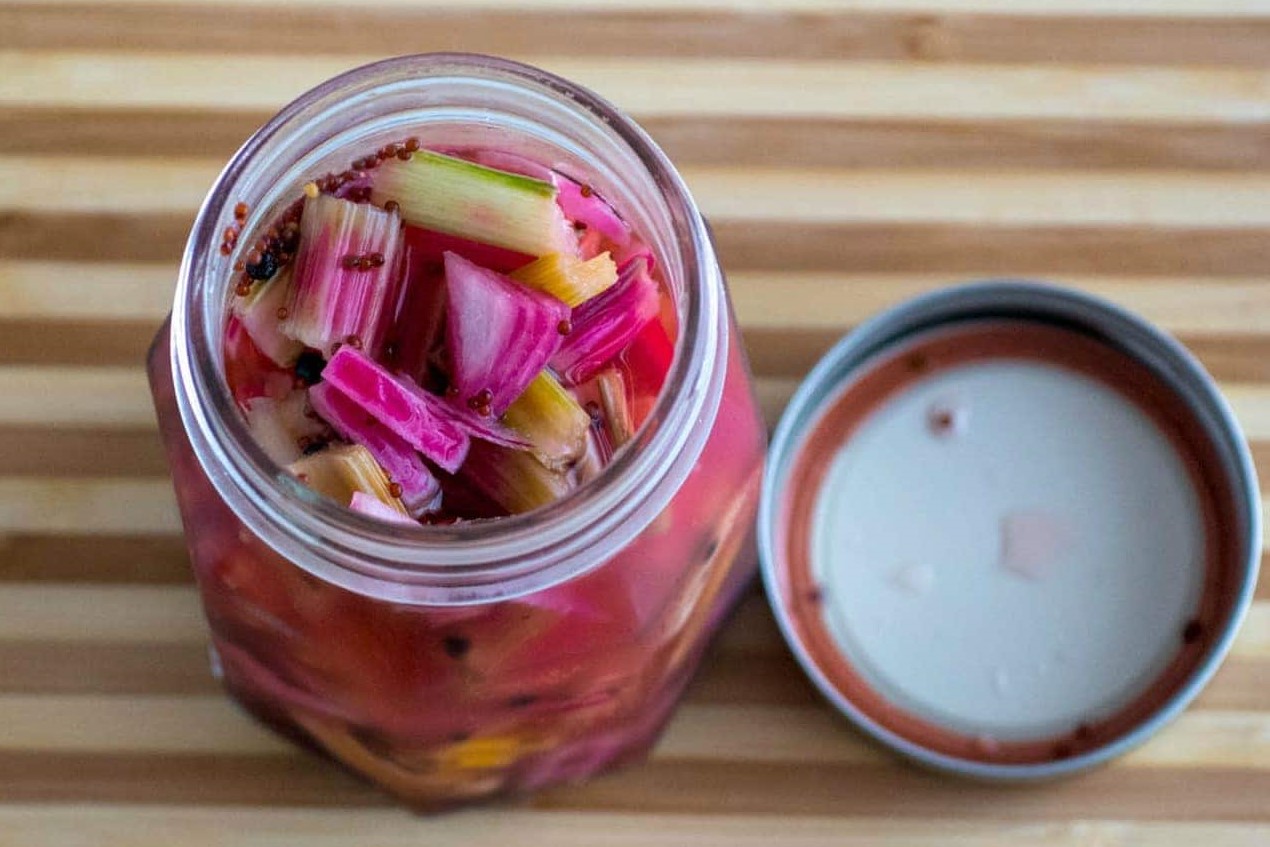
Ingredients For Pickled Chard Stems Recipe
Chard stems: The crunchy part of the chard that is perfect for pickling and adds texture.
White vinegar: Gives the pickles their tangy flavor and helps preserve them.
Water: Used to dilute the vinegar so the pickles aren’t too strong.
Sugar: Balances the sourness with a touch of sweetness.
Salt: Enhances the overall flavor and helps with preservation.
Mustard seeds: Adds a mild spicy and nutty flavor to the pickling liquid.
Black peppercorns: Gives a subtle heat and depth to the pickles.
Technique Tip for This Recipe
One helpful trick in this Pickled Chard Stems Recipe is how to bring the vinegar, water, sugar, salt, and spices like mustard seeds and black peppercorns to a boil before adding the chard stems. Here’s how to do it smoothly:
- Put all the liquid ingredients and spices in a saucepan first.
- Turn the heat to medium-high and watch carefully.
- Stir gently to help the sugar and salt dissolve.
- When you see bubbles rising and steam, that means it’s boiling.
- Now you can add the chard stems right into the hot mixture.
Doing this step right makes the pickling liquid flavorful and ready to soften the chard stems just enough without overcooking them. The boiling helps the spices release their taste and makes the sugar and salt mix evenly, so every bite is tasty.
When I first tried this, I didn’t wait for the liquid to boil and added the chard stems too soon. The stems ended up a bit tough and didn’t soak up the flavors well. Now, I always keep an eye on the pot and wait for a full boil before adding the stems. It’s a small step that makes a big difference! Plus, stirring gently while heating saves you from having gritty sugar at the bottom. It’s a simple move that helps everything come together perfectly.
Suggested Side Dishes
Alternative Ingredients
chard stems - Substitute with celery stalks: Celery stalks have a similar crunch and can absorb the pickling brine well.
white vinegar - Substitute with apple cider vinegar: Apple cider vinegar provides a slightly sweeter and fruitier flavor that complements pickled vegetables.
water - Substitute with vegetable broth: Vegetable broth can add an extra layer of flavor to the pickling brine.
sugar - Substitute with honey: Honey offers a natural sweetness and a more complex flavor profile.
salt - Substitute with sea salt: Sea salt has a more nuanced flavor and can enhance the overall taste of the pickles.
mustard seeds - Substitute with coriander seeds: Coriander seeds provide a citrusy and slightly sweet flavor that works well in pickling.
black peppercorns - Substitute with pink peppercorns: Pink peppercorns have a milder and slightly fruity flavor that can add a unique twist to the pickles.
Other Alternative Recipes Similar to This
How to Store / Freeze This Recipe
- Ensure the pickled chard stems are completely cooled to room temperature before proceeding with storage.
- Use a clean, airtight glass jar or container to store the pickled chard stems. This helps maintain their crispness and flavor.
- Pour the pickling liquid over the chard stems, ensuring they are fully submerged. This prevents any exposure to air, which can lead to spoilage.
- Seal the jar tightly and place it in the refrigerator. The pickled chard stems can be enjoyed after 24 hours, but they develop a deeper flavor if left for a few days.
- For longer storage, consider canning the pickled chard stems using a water bath method. This involves placing the sealed jars in boiling water for a specified time to ensure they are shelf-stable.
- If you prefer freezing, first drain the pickling liquid from the chard stems. Spread the stems on a baking sheet in a single layer and freeze until solid. This prevents them from sticking together.
- Once frozen, transfer the chard stems to a freezer-safe bag or container. Label with the date and contents for easy identification.
- When ready to use, thaw the pickled chard stems in the refrigerator. Note that the texture may change slightly after freezing, but the flavor will remain intact.
- Always use clean utensils when handling the pickled chard stems to avoid introducing contaminants that could spoil the batch.
How to Reheat Leftovers
Gently warm the pickled chard stems in a saucepan over low heat. This method helps retain their crisp texture while ensuring they are evenly heated. Stir occasionally to prevent sticking.
For a quick reheat, place the pickled chard stems in a microwave-safe dish. Cover with a microwave-safe lid or plastic wrap, leaving a small vent. Heat on medium power for 1-2 minutes, checking halfway through to avoid overheating.
If you prefer a more even and controlled reheating, use a steamer. Place the pickled chard stems in a steaming basket over boiling water. Steam for about 3-4 minutes until they are warmed through.
For a unique twist, sauté the pickled chard stems in a skillet with a splash of olive oil or butter. Cook over medium heat for 2-3 minutes, stirring frequently. This method adds a delightful richness to the stems.
If you have an air fryer, spread the pickled chard stems in a single layer in the basket. Air fry at 350°F (175°C) for 3-4 minutes, shaking the basket halfway through. This method gives them a slightly crispy edge while keeping the inside tender.
For a more traditional approach, you can reheat the pickled chard stems in the oven. Preheat the oven to 350°F (175°C). Spread the stems on a baking sheet and cover with aluminum foil. Bake for 10-12 minutes until heated through.
Best Tools for This Recipe
Saucepan: Used to combine vinegar, water, sugar, salt, mustard seeds, and peppercorns and bring them to a boil.
Measuring cups: Essential for accurately measuring the vinegar and water.
Measuring spoons: Used to measure the sugar, salt, mustard seeds, and peppercorns precisely.
Knife: Necessary for cutting the chard stems into 2-inch pieces.
Cutting board: Provides a safe surface to cut the chard stems.
Stirring spoon: Used to stir the mixture in the saucepan to ensure the ingredients are well combined.
Jar: Used to store the chard stems and liquid after cooking and cooling.
Tongs: Helpful for transferring the chard stems from the saucepan to the jar.
Cooling rack: Allows the jar to cool to room temperature before refrigerating.
How to Save Time on Making This Recipe
Prepare ingredients in advance: Chop the chard stems and measure out the vinegar, water, sugar, salt, mustard seeds, and peppercorns before starting.
Use a wide-mouth jar: It makes transferring the chard stems and liquid easier and faster.
Boil water in a kettle: Pre-boil the water in a kettle to speed up the process when combining with vinegar.
Cool in an ice bath: Place the jar in an ice bath to cool it down quickly before refrigerating.
Double the batch: Make extra to save time on future uses.
Pickled Chard Stems Recipe
Ingredients
Main Ingredients
- 1 bunch Chard stems cut into 2-inch pieces
- 1 cup White vinegar
- 1 cup Water
- 1 tablespoon Sugar
- 1 teaspoon Salt
- 1 teaspoon Mustard seeds
- 1 teaspoon Black peppercorns
Instructions
- 1. In a saucepan, combine vinegar, water, sugar, salt, mustard seeds, and peppercorns. Bring to a boil.
- 2. Add chard stems to the boiling mixture and cook for 2 minutes.
- 3. Remove from heat and let cool slightly.
- 4. Transfer chard stems and liquid to a jar. Let cool to room temperature, then refrigerate.
Nutritional Value
Keywords
More Amazing Recipes to Try 🙂
- Baked Jalapeno Poppers Recipe35 Minutes
- Cranberry Pineapple Juice Recipe10 Minutes
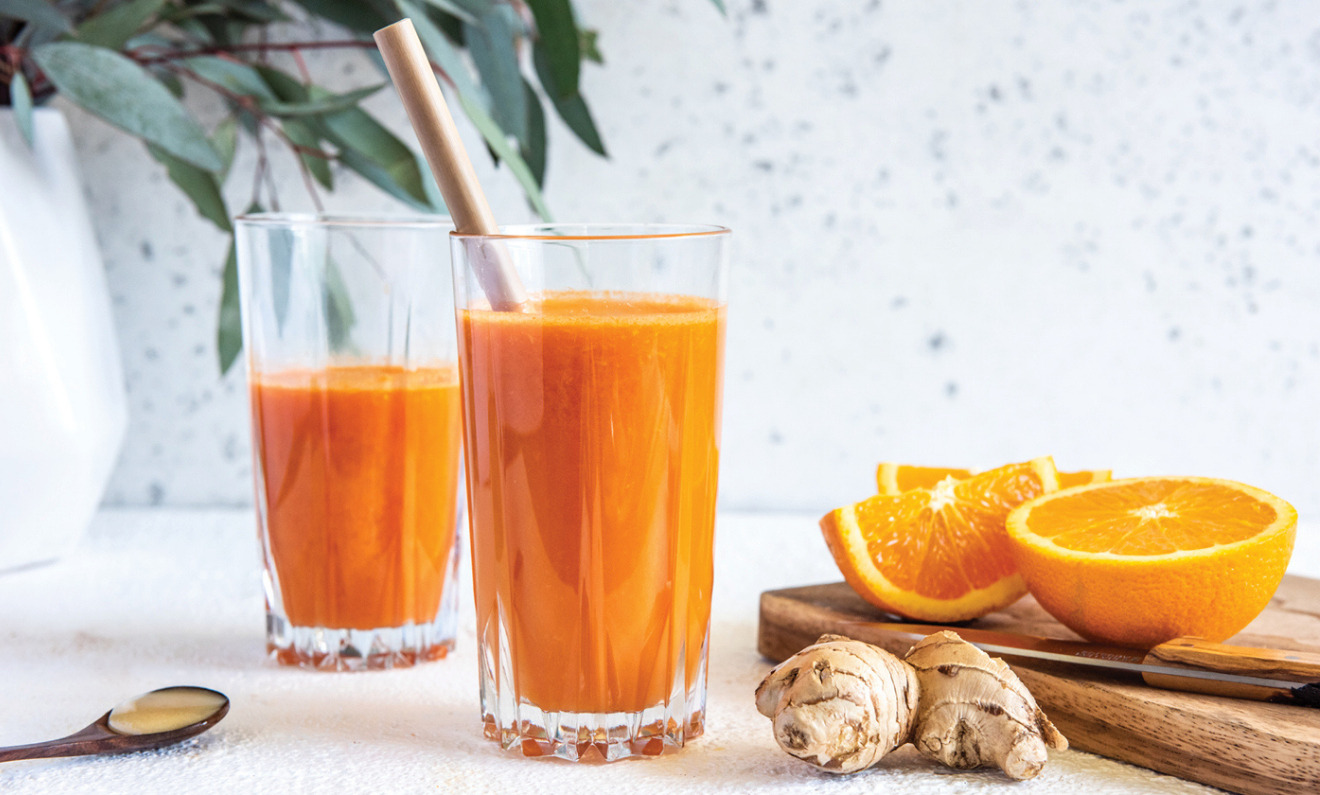
- Carrot and Orange Juice Recipe10 Minutes
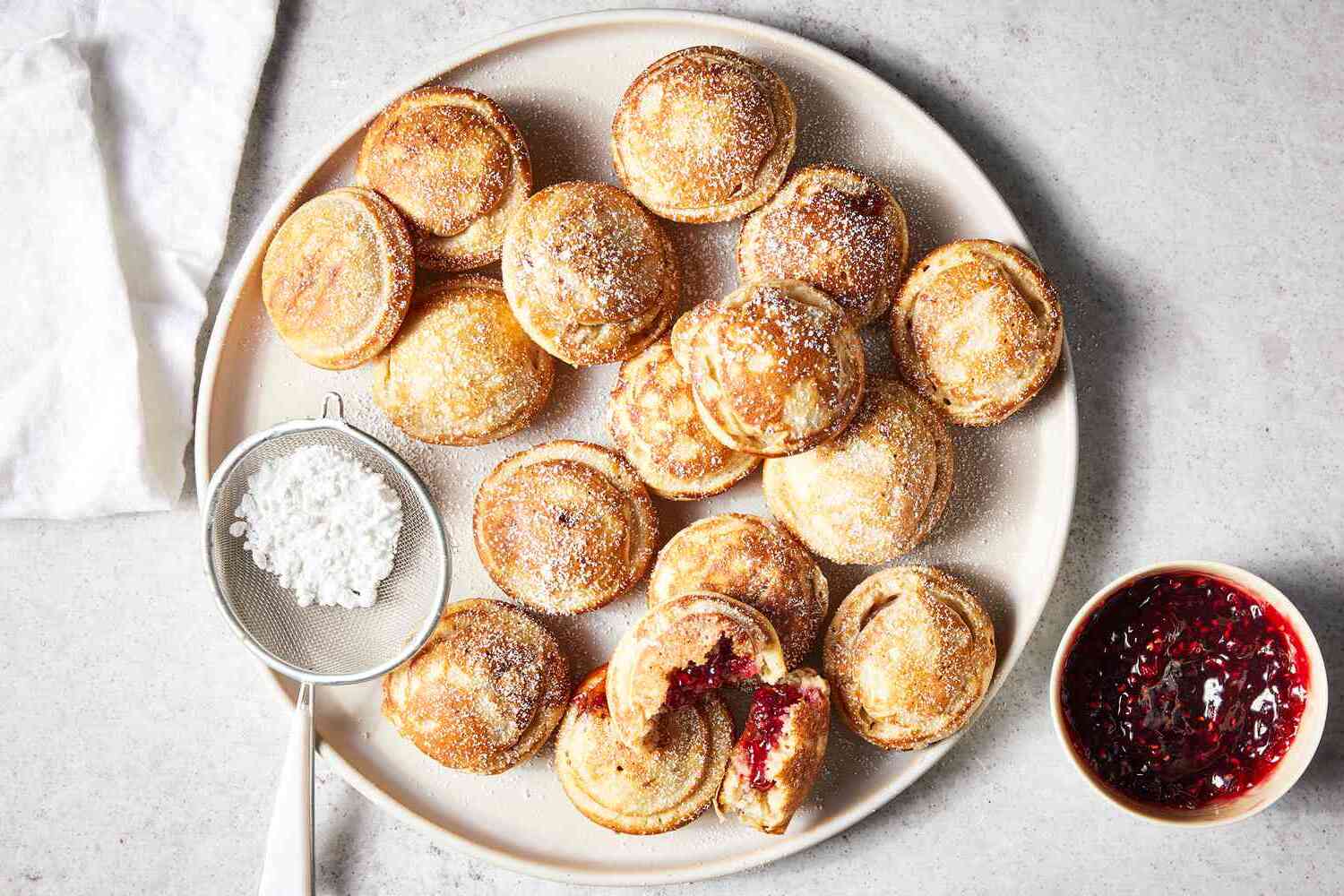
- Aebleskiver Recipe35 Minutes
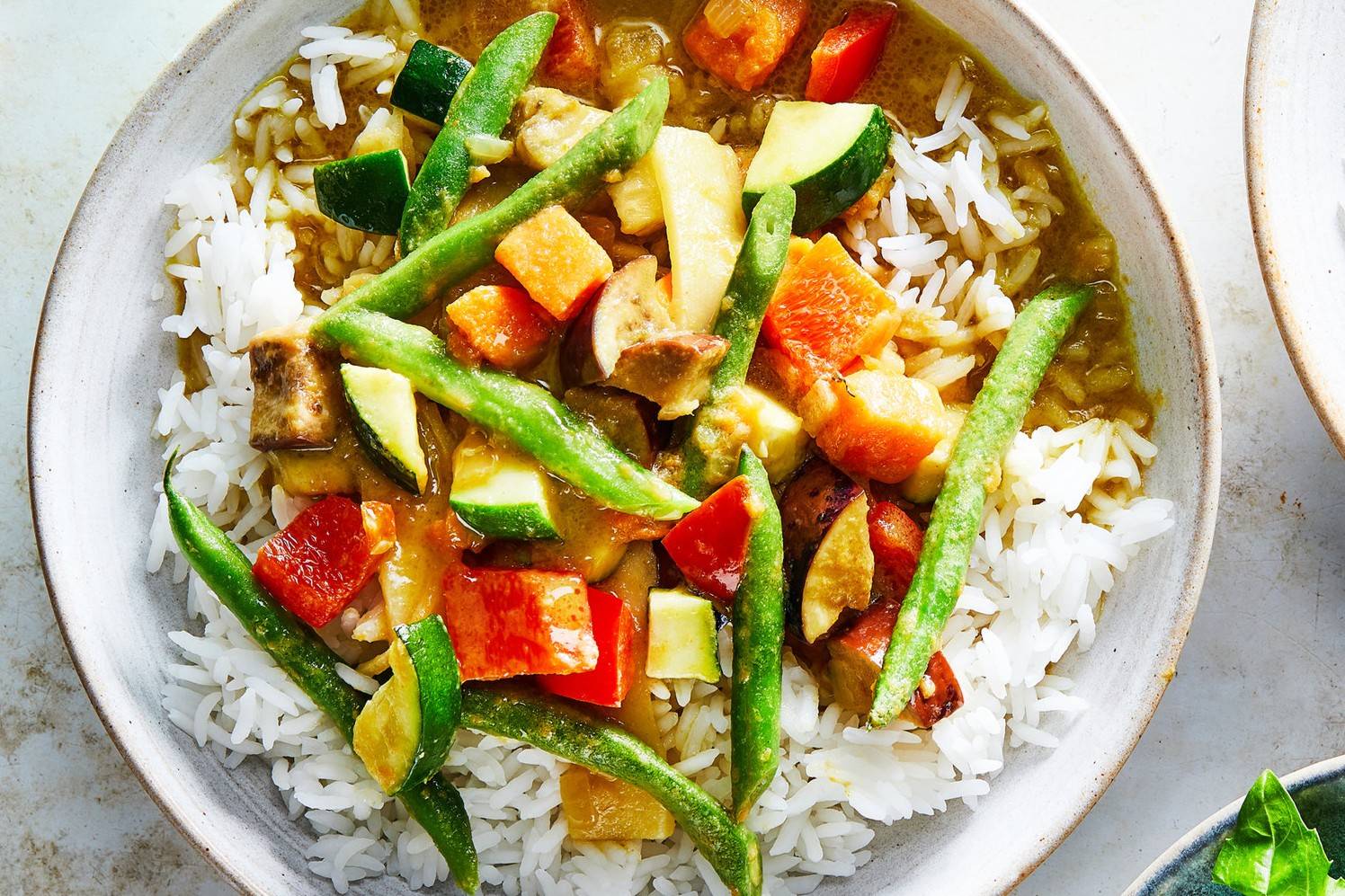
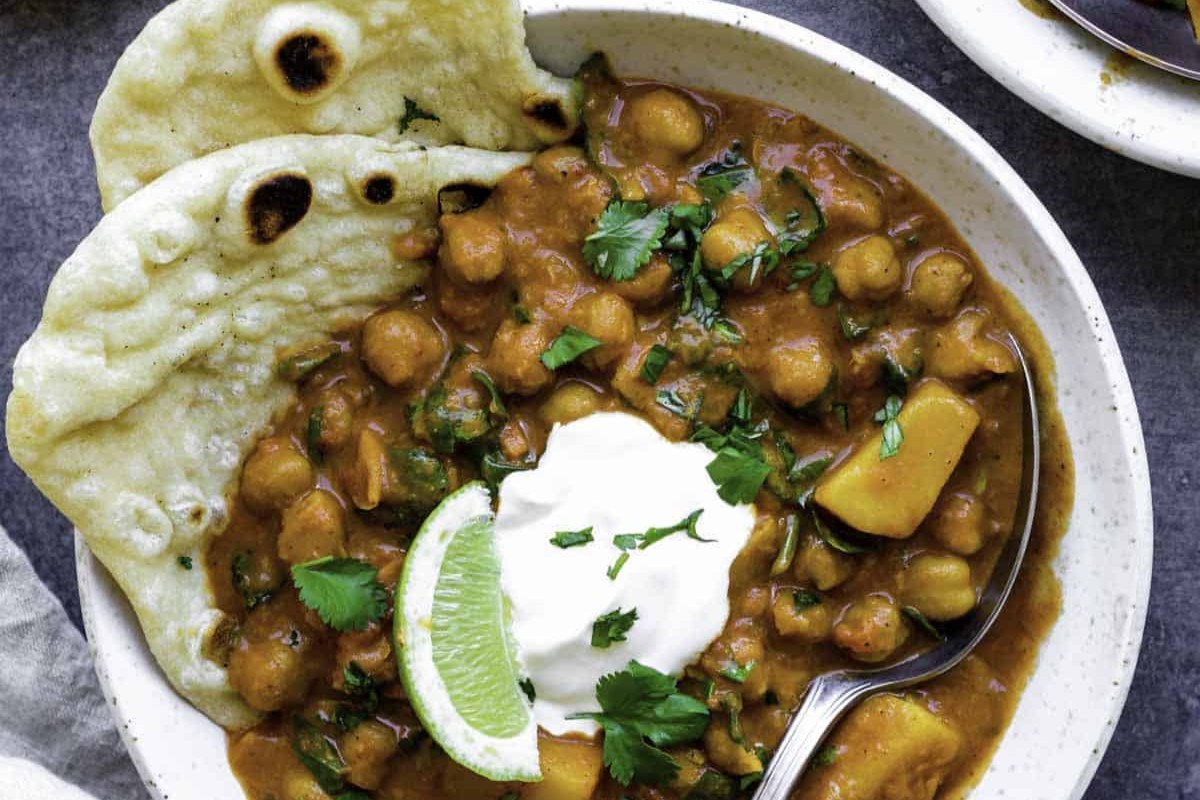
- Vegan Coconut Curry with Pasta and Vegetables Recipe40 Minutes
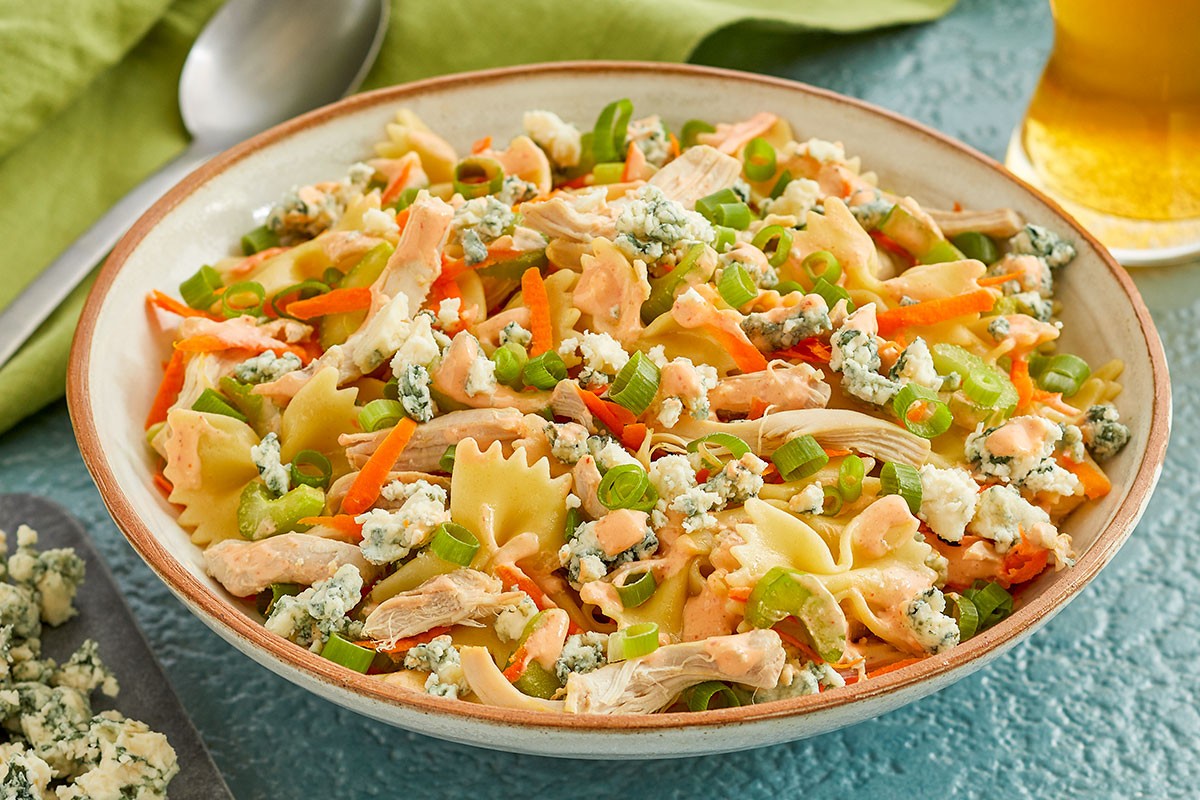
- Buffalo Chicken Pasta Salad Recipe35 Minutes
- Jibarito Recipe50 Minutes
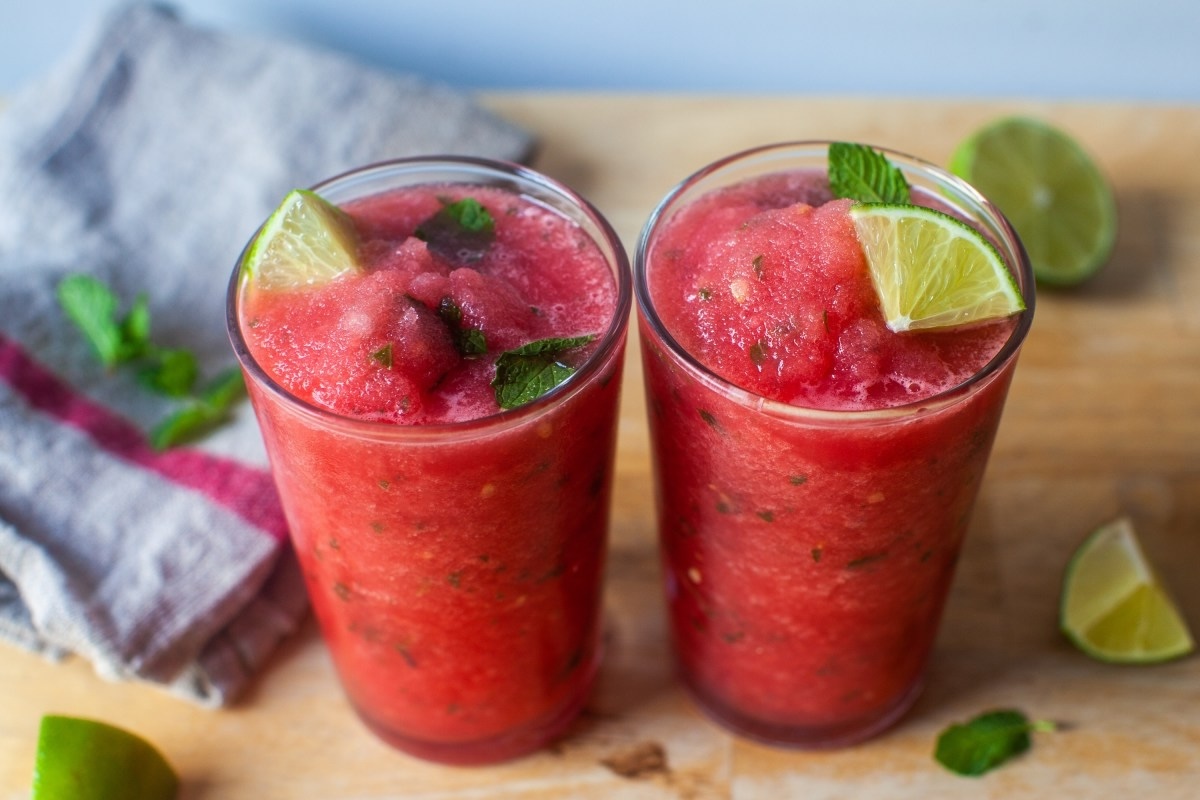
- Watermelon Cooler Slushy Recipe10 Minutes


Leave a Reply