
I love this ginger citrus soba and snow peas recipe because it’s fresh, light, and full of bright flavors that make me feel like I’m having a little taste of something special. It’s one of those dishes that’s simple to make but always feels like a treat. I hope you enjoy making it as much as I do!
Some ingredients like soba noodles and rice vinegar might not be in every kitchen, so you might want to check the international or Asian section of your supermarket. Soba noodles are made from buckwheat and have a unique nutty flavor, while rice vinegar adds a mild tanginess that’s different from regular vinegar. Sesame oil is also worth looking for because it gives the dish a rich, toasty taste.
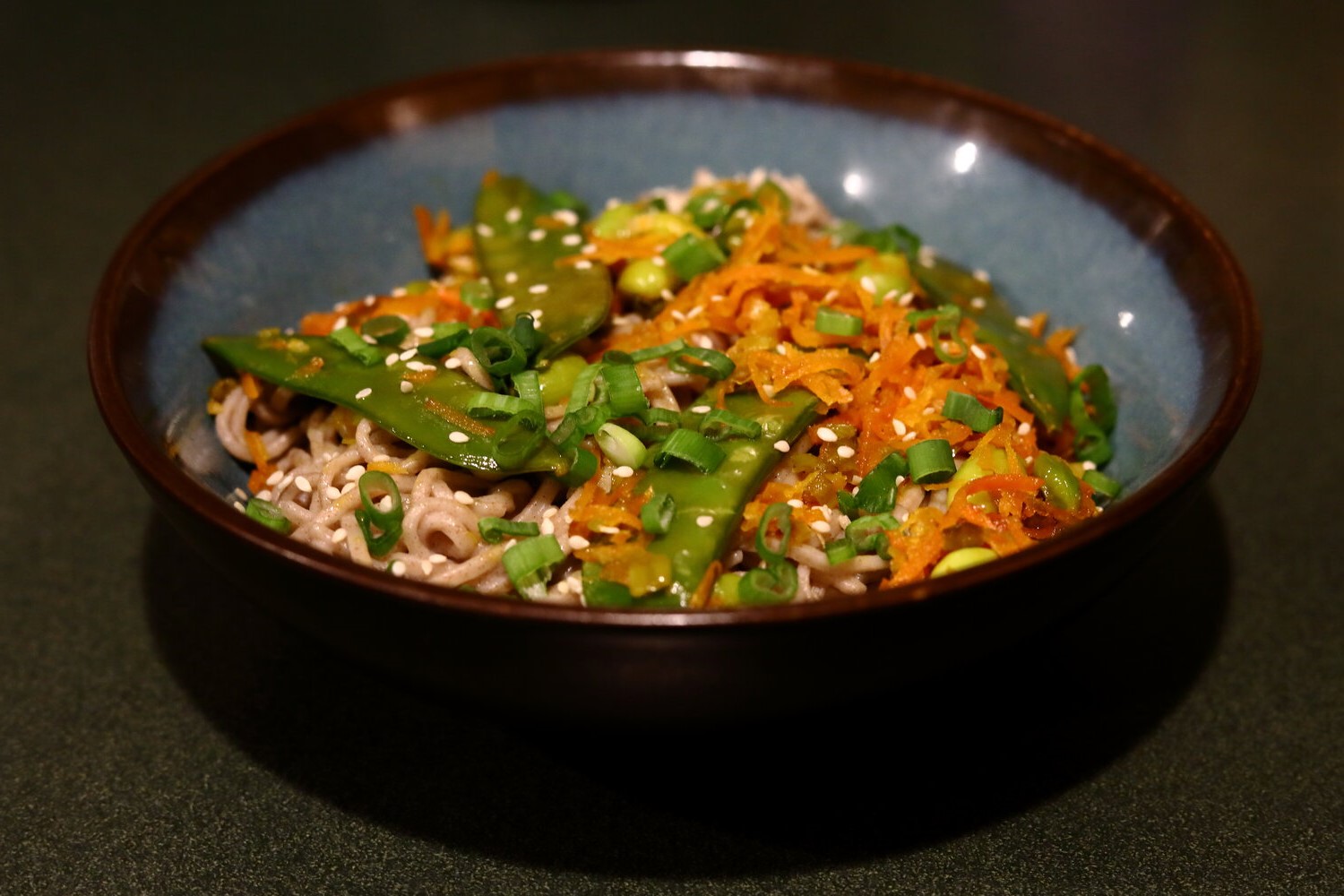
Ingredients For Ginger Citrus Soba And Snow Peas Recipe
Soba noodles: Thin Japanese noodles made from buckwheat, giving a slightly nutty flavor and chewy texture.
Snow peas: Crisp, sweet green peas that add a fresh crunch to the dish.
Carrot: Adds color, sweetness, and a bit of crunch when julienned.
Soy sauce: A salty, savory sauce that forms the base of the dressing.
Rice vinegar: A mild, slightly sweet vinegar used in Asian cooking to add brightness.
Sesame oil: A fragrant oil with a toasted flavor that enhances the dressing.
Ginger: Fresh grated ginger adds a spicy, zesty kick.
Lime: Fresh lime juice brings a citrusy freshness that balances the flavors.
Honey: Adds a touch of natural sweetness to the dressing.
Sesame seeds: Toasted seeds that add texture and a nutty flavor as a garnish.
Scallions: Also called green onions, they add a mild onion flavor and a pop of green color.
Technique Tip for This Recipe
One of the most helpful moves in this Ginger Citrus Soba And Snow Peas Recipe is blanching the snow peas. Blanching means you briefly cook the vegetables in boiling water, then quickly cool them down in cold water. Here’s how you do it step by step:
- Bring a pot of water to a rolling boil.
- Add the snow peas to the boiling water and let them cook for just 1 to 2 minutes. You want them to turn bright green and stay crisp-tender, not mushy.
- Use a slotted spoon or a strainer to take the snow peas out of the hot water.
- Immediately put them into a bowl of ice water or rinse them under cold running water to stop the cooking.
Doing this keeps the snow peas crunchy and colorful, which makes your dish look fresh and taste great. It also helps keep their natural sweetness and snap, so they don’t get soggy when you mix them with the soba noodles and dressing.
I remember the first time I tried blanching, I left the snow peas in the boiling water too long, and they turned kind of dull and soft. It wasn’t as tasty or pretty! Now, I always set a timer because those few seconds make a big difference. Also, rinsing them right away in cold water is a little trick that locks in that perfect crunch. It feels like giving the vegetables a quick cold shower after their hot bath.
Blanching might sound fancy, but it’s really just a quick way to cook vegetables so they stay bright and crisp. It’s a simple step that makes your Ginger Citrus Soba And Snow Peas dish pop with color and texture. Give it a try—you’ll notice the difference!
Suggested Side Dishes
Alternative Ingredients
soba noodles - Substitute with whole wheat spaghetti: Whole wheat spaghetti has a similar texture and can be a healthier alternative.
snow peas - Substitute with sugar snap peas: Sugar snap peas have a similar crunch and sweetness, making them a good replacement.
carrot - Substitute with bell pepper: Bell pepper adds a different but complementary crunch and sweetness to the dish.
soy sauce - Substitute with tamari: Tamari is a gluten-free alternative that provides a similar umami flavor.
rice vinegar - Substitute with apple cider vinegar: Apple cider vinegar has a similar acidity and can be used in the same quantity.
sesame oil - Substitute with olive oil: Olive oil can provide a different but still rich flavor, though it lacks the nutty taste of sesame oil.
grated ginger - Substitute with ground ginger: Ground ginger can be used in smaller quantities to provide a similar flavor.
lime - Substitute with lemon: Lemon juice provides a similar acidity and citrus flavor.
honey - Substitute with maple syrup: Maple syrup offers a similar sweetness and can be used in the same quantity.
sesame seeds - Substitute with chia seeds: Chia seeds provide a similar crunch and nutritional benefits.
scallions - Substitute with chives: Chives offer a similar mild onion flavor and can be used as a garnish.
Other Alternative Recipes Similar to This Dish
How to Store or Freeze This Dish
- Allow the soba noodles and vegetables to cool completely before storing. This prevents condensation, which can make the dish soggy.
- Transfer the cooled Ginger Citrus Soba And Snow Peas to an airtight container. Ensure the container is clean and dry to maintain freshness.
- Store the container in the refrigerator. The dish will stay fresh for up to 3 days. For optimal taste, consume within this period.
- If you plan to freeze the dish, portion it into individual servings. This makes it easier to thaw only what you need.
- Use freezer-safe containers or heavy-duty freezer bags for storing. Label each container or bag with the date to keep track of freshness.
- When ready to eat, thaw the frozen portions in the refrigerator overnight. This gradual thawing helps maintain the texture and flavor.
- Reheat the thawed soba noodles and vegetables gently. Use a microwave or a stovetop on low heat, adding a splash of water or soy sauce if needed to prevent drying out.
- Avoid reheating multiple times, as this can degrade the quality and taste of the dish.
How to Reheat Leftovers
Stovetop Method:
- Heat a non-stick skillet over medium heat.
- Add a splash of sesame oil or olive oil to the pan.
- Add the leftover soba noodles and vegetables to the skillet.
- Stir frequently for about 3-5 minutes until heated through.
- If the noodles seem dry, add a small amount of water or extra soy sauce to moisten them.
Microwave Method:
- Place the soba noodles and vegetables in a microwave-safe dish.
- Add a tablespoon of water to the dish to prevent drying out.
- Cover the dish with a microwave-safe lid or plastic wrap, leaving a small vent.
- Microwave on high for 1-2 minutes, stirring halfway through.
- Check if the dish is heated through; if not, continue to microwave in 30-second intervals.
Steaming Method:
- Set up a steamer basket over a pot of simmering water.
- Place the soba noodles and vegetables in the steamer basket.
- Cover and steam for about 3-4 minutes until heated through.
- This method helps retain the texture and moisture of the dish.
Oven Method:
- Preheat your oven to 350°F (175°C).
- Place the soba noodles and vegetables in an oven-safe dish.
- Cover the dish with aluminum foil to prevent drying out.
- Bake for about 10-15 minutes, or until heated through.
- Stir halfway through to ensure even heating.
Boiling Water Method:
- Bring a pot of water to a boil.
- Place the soba noodles and vegetables in a heatproof colander.
- Submerge the colander in the boiling water for about 1-2 minutes.
- Remove and let drain; this method quickly reheats without overcooking.
Best Tools for This Recipe
Pot: Used for cooking the soba noodles and blanching the snow peas.
Colander: Essential for draining the soba noodles and snow peas after cooking.
Mixing bowl: Needed for whisking together the dressing and tossing the noodles with the vegetables.
Whisk: Used to mix the soy sauce, rice vinegar, sesame oil, grated ginger, lime juice, and honey into a smooth dressing.
Knife: Necessary for trimming and halving the snow peas, julienning the carrot, and slicing the scallions.
Cutting board: Provides a safe surface for cutting the vegetables.
Grater: Used to grate the ginger for the dressing.
Tongs: Helpful for tossing the soba noodles and vegetables with the dressing.
Serving bowl: Used to present the finished dish.
Measuring spoons: Ensures accurate measurement of the soy sauce, rice vinegar, sesame oil, ginger, and honey.
Juicer: Useful for extracting juice from the lime.
How to Save Time on Making This Recipe
Prep ingredients in advance: Trim and halve snow peas, julienne the carrot, and slice the scallions ahead of time to streamline the cooking process.
Use a single pot: Cook the soba noodles first, then use the same pot to blanch the snow peas, minimizing cleanup.
Make the dressing ahead: Whisk together the soy sauce, rice vinegar, sesame oil, grated ginger, lime juice, and honey and store it in the fridge until needed.
Double the recipe: Prepare extra servings to have ready-to-eat meals for the next few days.
Ginger Citrus Soba And Snow Peas Recipe
Ingredients
Main Ingredients
- 8 oz soba noodles
- 1 cup snow peas, trimmed and halved
- 1 carrot, julienned
- 2 tablespoon soy sauce
- 1 tablespoon rice vinegar
- 1 tablespoon sesame oil
- 1 teaspoon grated ginger
- 1 lime, juiced
- 1 tablespoon honey
- 2 tablespoon sesame seeds
- 2 scallions, sliced
Instructions
- 1. Cook soba noodles according to package instructions. Drain and rinse under cold water.
- 2. Blanch snow peas in boiling water for 1-2 minutes until bright green and crisp-tender. Drain and rinse under cold water.
- 3. In a mixing bowl, whisk together soy sauce, rice vinegar, sesame oil, grated ginger, lime juice, and honey.
- 4. Add soba noodles, snow peas, carrot, and dressing to the bowl. Toss to combine.
- 5. Garnish with sesame seeds and sliced scallions before serving.
Nutritional Value
Keywords
Suggested Appetizers and Desserts for This Recipe
More Amazing Recipes to Try 🙂
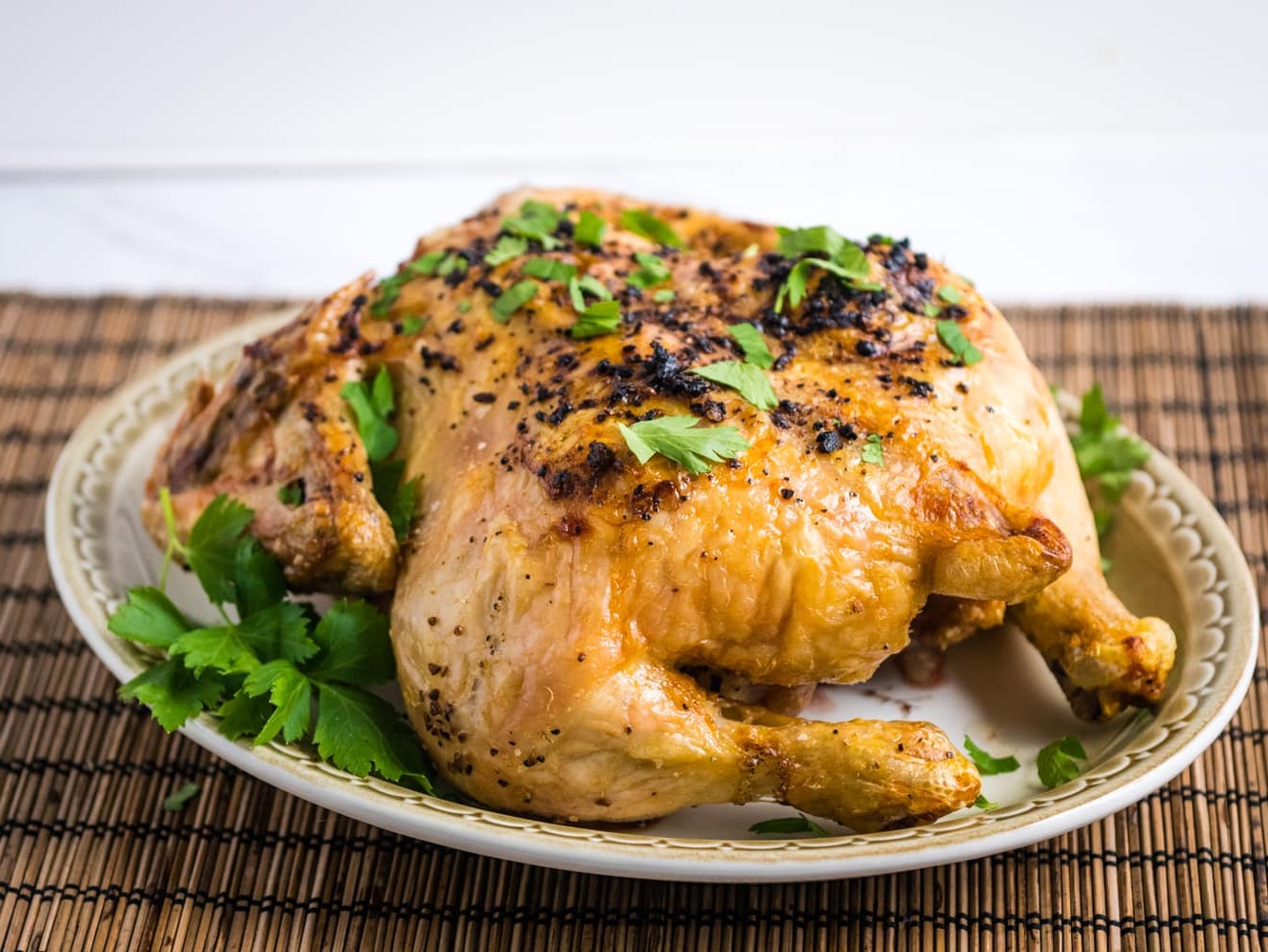
- Air Fryer Whole Chicken Recipe1 Hours 10 Minutes
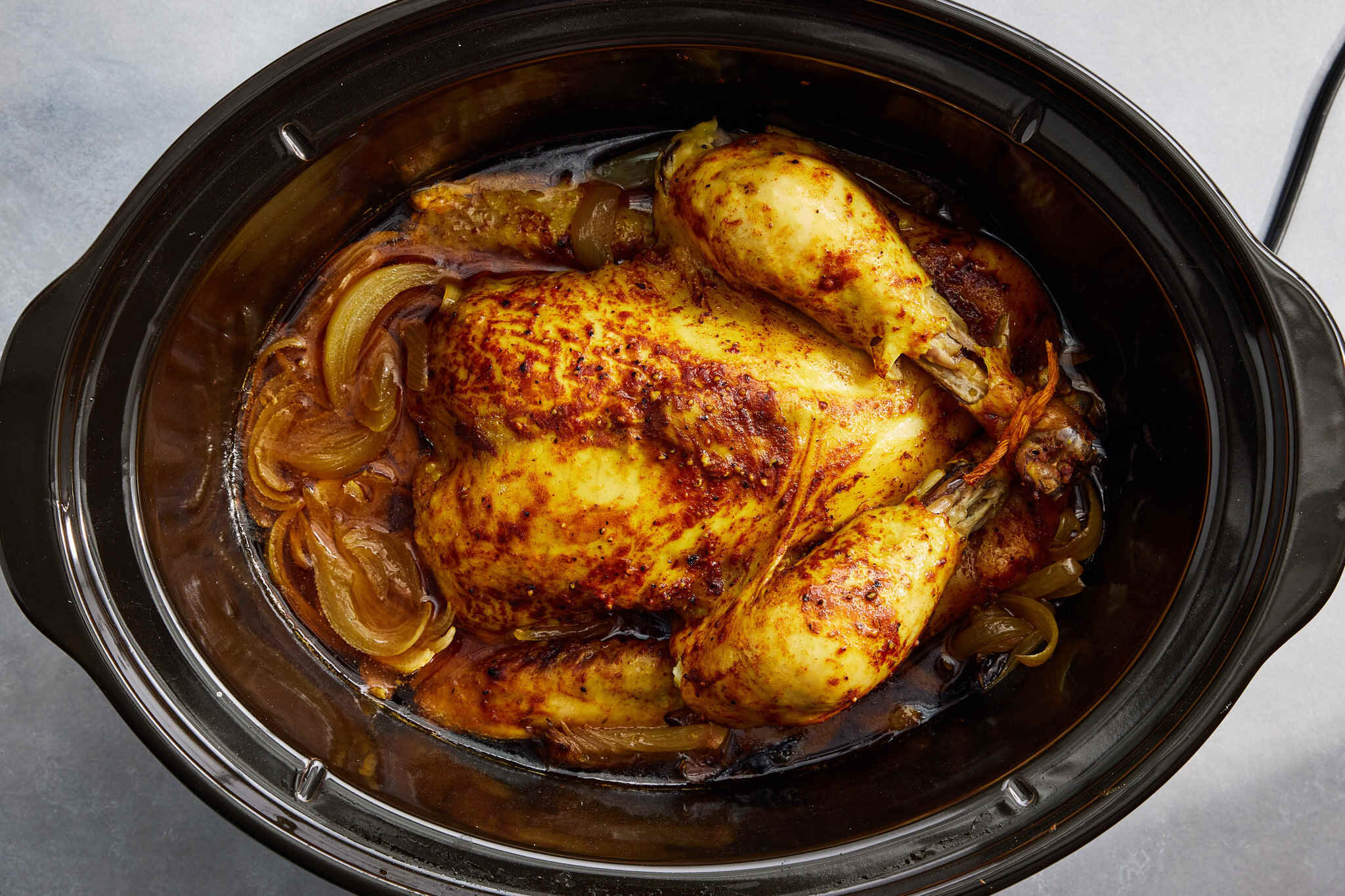
- Slow Cooker Chicken Recipe4 Hours 10 Minutes
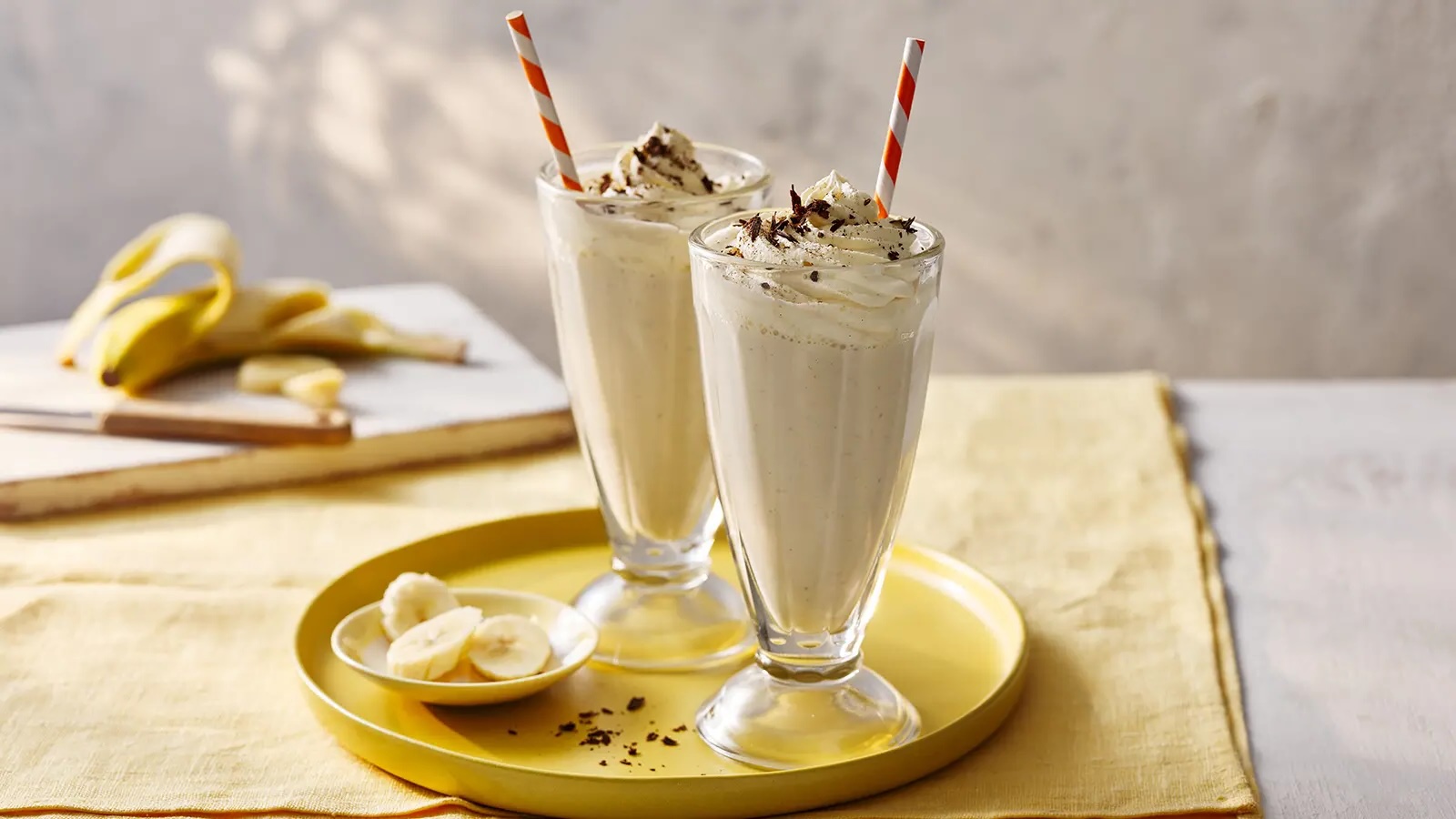
- Banana Milkshake Recipe5 Minutes
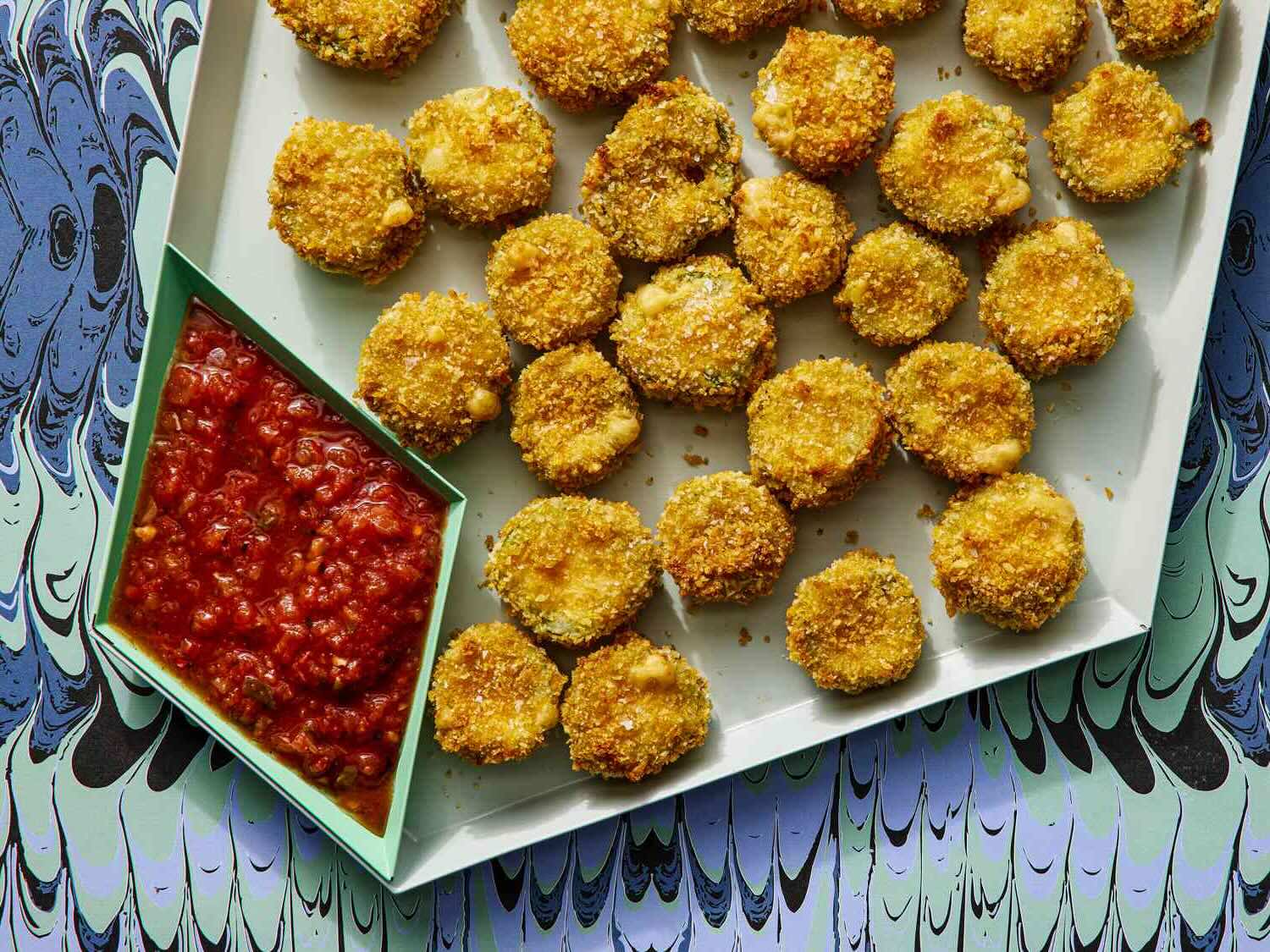
- Baked Jalapeno Poppers Recipe35 Minutes
- Cranberry Pineapple Juice Recipe10 Minutes
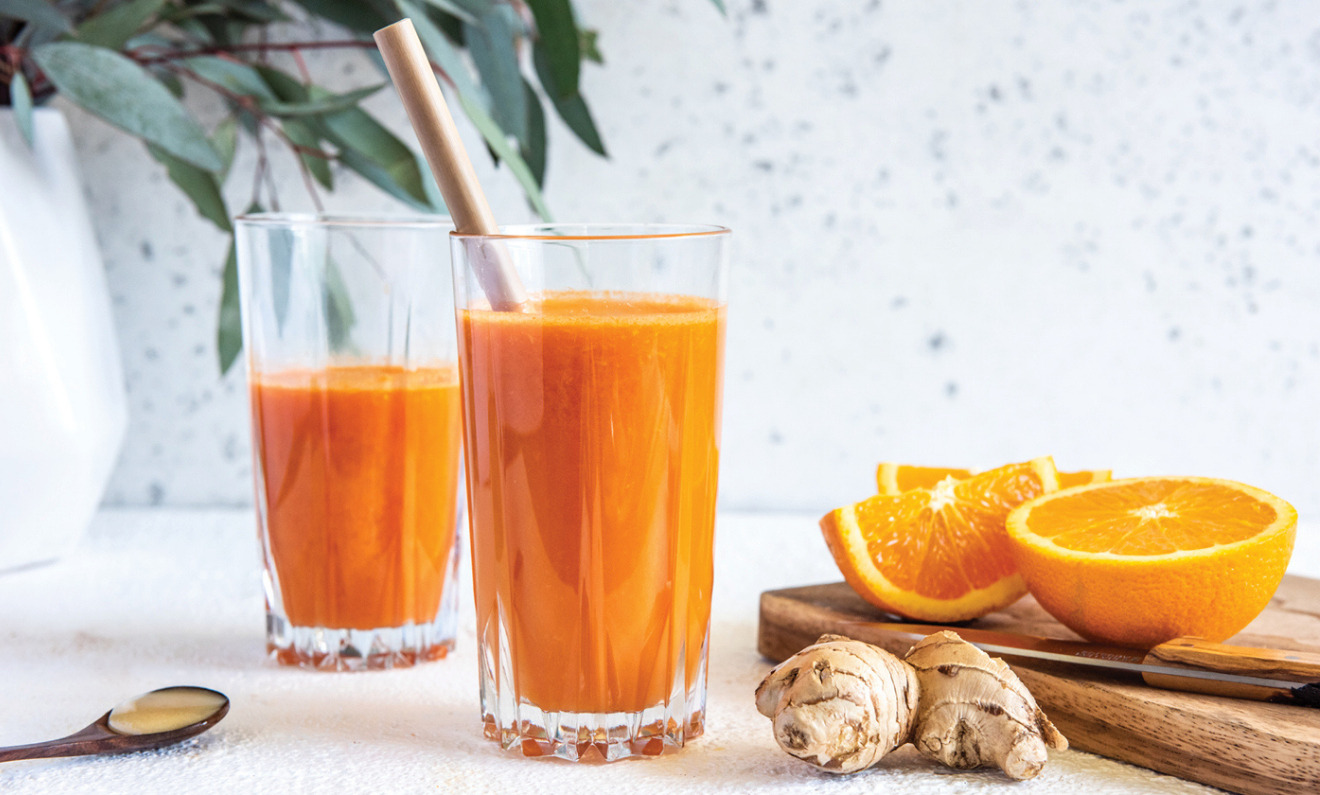
- Carrot and Orange Juice Recipe10 Minutes
- Aebleskiver Recipe35 Minutes
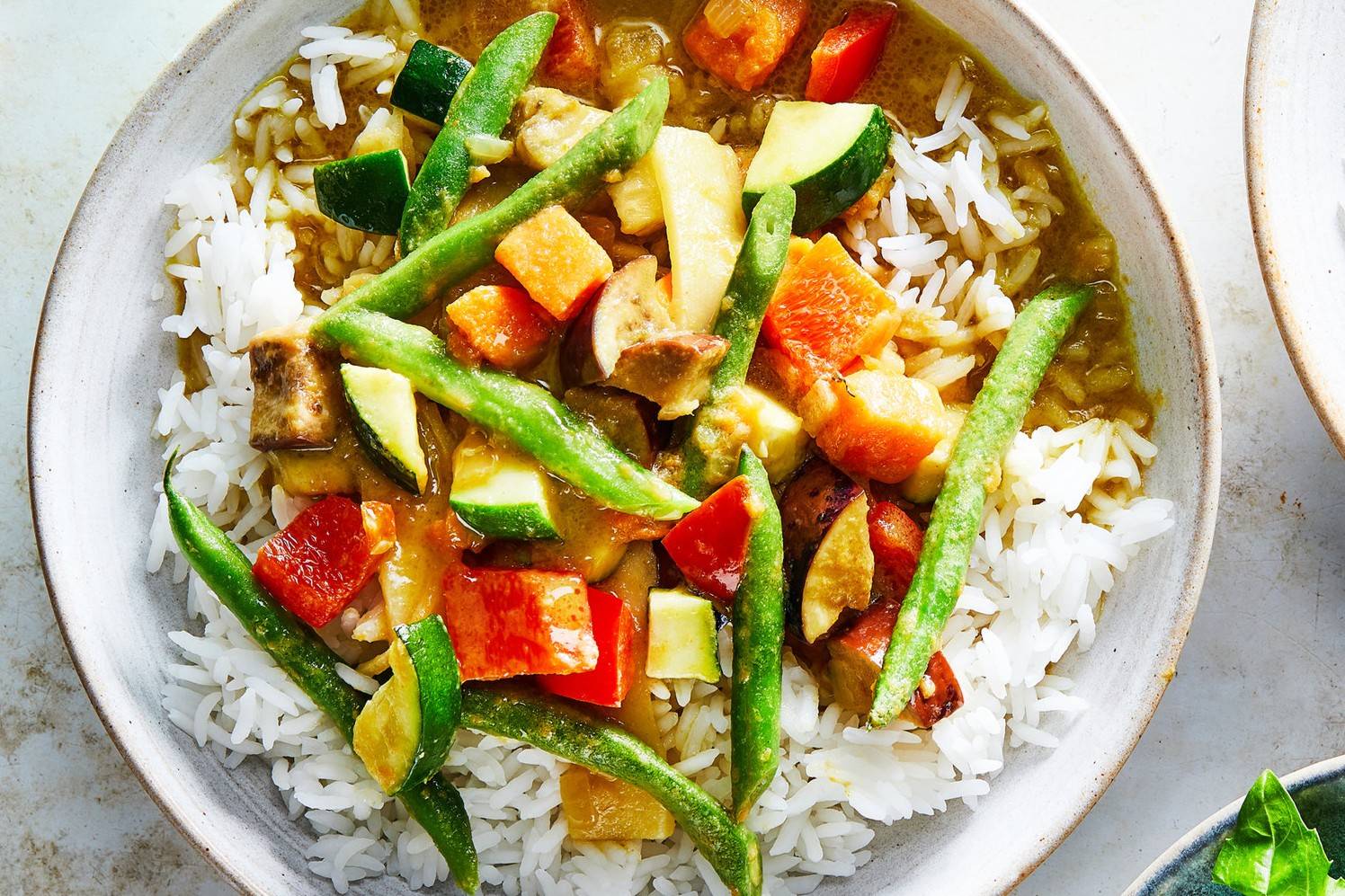
- Vegan Coconut Curry with Pasta and Vegetables Recipe40 Minutes


Leave a Reply