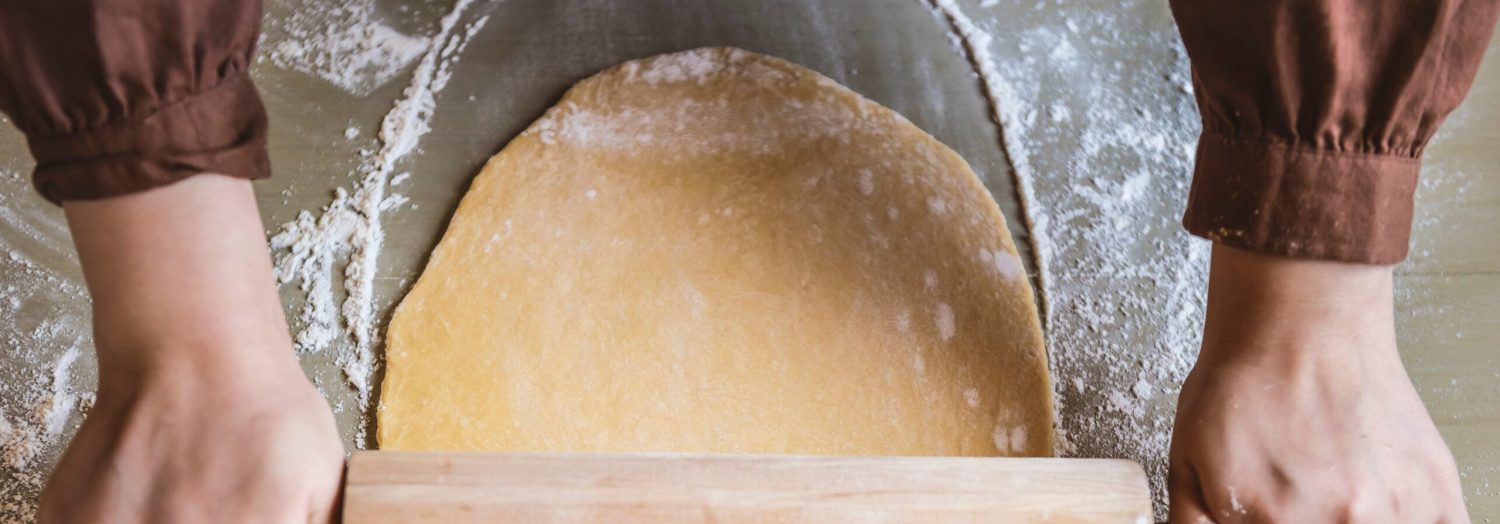

I love making sourdough starter because it feels like creating a little living thing that helps make bread taste amazing. It’s simple to start, and watching it bubble and grow is really satisfying. I can’t wait for you to try this and see how fun it is to bake with your own starter.
This recipe uses whole wheat flour and all-purpose flour, which you might already have at home. If you don’t, you can find both easily at the supermarket. Whole wheat flour is a bit darker and has more fiber than regular flour, and it helps the starter get going faster. Just make sure the water you use is at room temperature to keep the starter happy.
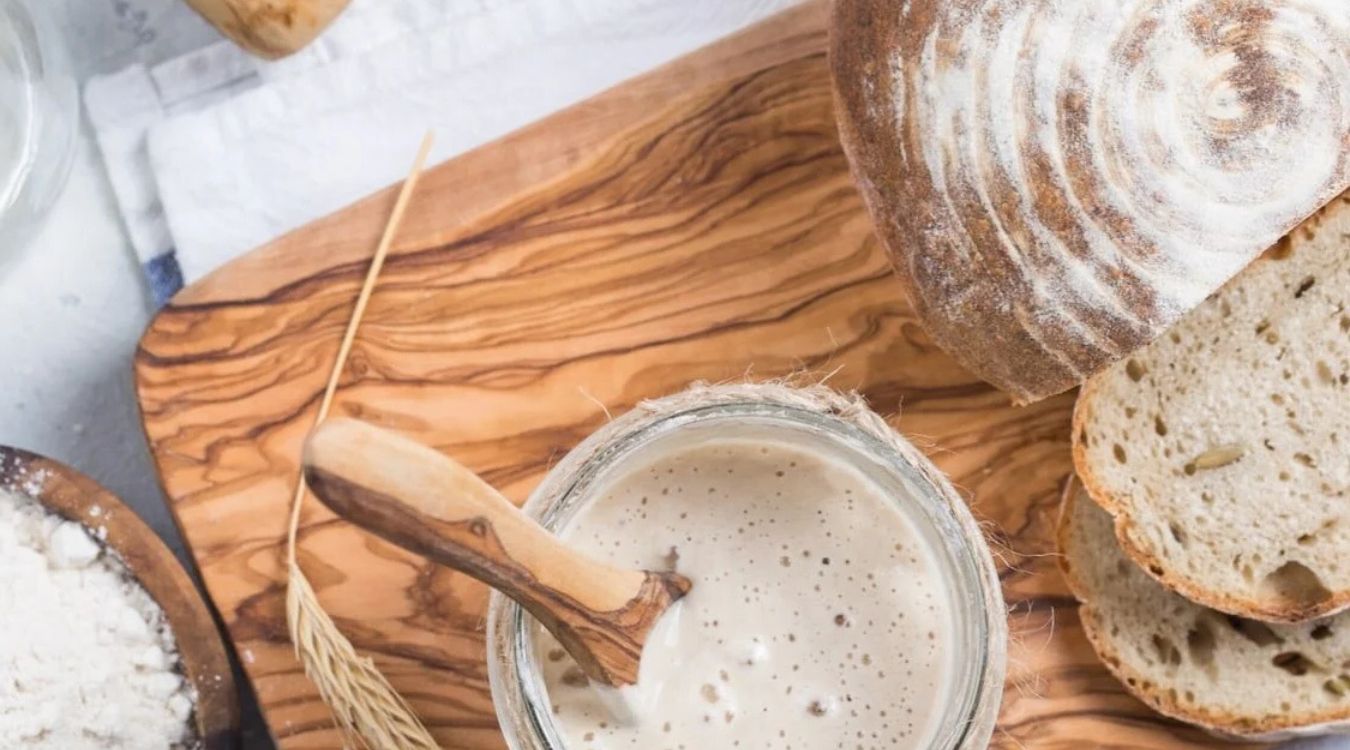
Ingredients For Sourdough Starter Recipe
Whole wheat flour: This flour is made from the whole grain and gives the starter a strong, natural flavor and good nutrients.
All-purpose flour: A common type of flour that helps feed the starter and keep it active.
Water: Room temperature water is used to mix with the flour and create the perfect environment for the starter to grow.
Technique Tip for Perfect Sourdough
One of the most important steps in making your sourdough starter is the part where you discard half of the mixture before adding fresh flour and water. It might seem strange to throw away half of your starter, but this step actually helps keep your starter healthy and happy. Here’s how to do it without making a mess:
- Use a clean spoon or spatula to scoop out about half of the starter from your jar. You don’t need to be exact, just roughly half.
- You can toss the discarded starter or use it in other recipes like pancakes or crackers if you want to avoid waste.
- After discarding, add 1 cup of all-purpose flour and 1 cup of room temperature water to the jar.
- Stir everything together really well until it’s smooth and there are no dry bits of flour left.
- Cover the jar loosely so air can get in but bugs can’t, and leave it at room temperature for 24 hours.
Doing this discard step keeps the starter from getting too big and overwhelming your jar. It also helps control the acidity and encourages the good bacteria and wild yeast to grow strong. If you skip this step, your starter might get too sour or develop a weird smell, and it won’t rise as well when you bake.
When I first started, I felt bad throwing away half of the starter, but then I learned you can use that extra starter in other recipes, so nothing goes to waste. Plus, it’s a small price to pay for a lively, bubbly starter that makes your bread taste amazing. Trust me, once you get the hang of discarding and feeding your starter, it becomes a simple routine that feels really rewarding.
Suggested Side Dishes
Alternative Ingredients
whole wheat flour - Substitute with rye flour: Rye flour has a similar nutrient profile and can help create a robust and tangy flavor in the sourdough starter.
whole wheat flour - Substitute with all-purpose flour: While it lacks the same nutrient density, all-purpose flour can still be used to create a viable sourdough starter.
room temperature water - Substitute with filtered water: Using filtered water can help avoid any chlorine or impurities that might inhibit the fermentation process in the sourdough starter.
room temperature water - Substitute with bottled spring water: Bottled spring water is free from chlorine and other chemicals, making it a good option for a healthy sourdough starter.
Alternative Recipes Similar to Sourdough
How to Reheat Leftovers
Preheat your oven to 350°F (175°C). Place the sourdough bread slices directly on the oven rack or on a baking sheet. Bake for about 10 minutes or until the bread is warmed through and slightly crispy.
For a quicker method, use a toaster. Simply toast the sourdough bread slices until they reach your desired level of warmth and crispiness.
If you prefer a softer texture, wrap the sourdough bread slices in aluminum foil and place them in a preheated oven at 350°F (175°C) for about 10-15 minutes. This will keep the bread moist while reheating.
For a stovetop method, heat a skillet over medium heat. Place the sourdough bread slices in the skillet and cover with a lid. Heat for about 2-3 minutes on each side, or until the bread is warmed through.
If you have a microwave, place the sourdough bread slices on a microwave-safe plate. Cover with a damp paper towel to prevent drying out. Microwave on medium power for 20-30 seconds, checking frequently to avoid overheating.
Essential Tools for Making Sourdough
Jar: A container to hold your sourdough starter mixture. It should be large enough to allow the starter to expand and should be made of glass or food-safe plastic.
Mixing spoon: A utensil to stir the flour and water together. A wooden or silicone spoon works best to avoid any reactions with the starter.
Measuring cup: Essential for accurately measuring the flour and water to ensure the correct consistency of your starter.
Cover: A loose-fitting lid or a piece of cloth to cover the jar. This allows the starter to breathe while keeping out contaminants.
Rubber band: Useful for marking the level of the starter on the jar, so you can easily see how much it has risen.
Scale: Optional but recommended for more precise measurements, especially if you prefer to measure ingredients by weight rather than volume.
Spatula: Handy for scraping down the sides of the jar to ensure all the flour is incorporated into the mixture.
Time-Saving Tips for Sourdough Preparation
Use warm water: Using slightly warm water can speed up the fermentation process of your sourdough starter.
Keep it warm: Place the jar in a warm spot in your kitchen to encourage faster fermentation.
Use a clear jar: A clear jar helps you easily monitor the bubbles and activity in your starter.
Stir frequently: Stirring the starter a couple of times a day can help distribute the natural yeasts and bacteria evenly.
Use a scale: Weighing your ingredients ensures accuracy and consistency, saving you time on adjustments.
Sourdough Starter Recipe
Ingredients
Starter Ingredients
- 1 cup Whole Wheat Flour
- 1 cup Water Room temperature
Instructions
- Day 1: In a jar, mix 1 cup of whole wheat flour and 1 cup of water. Stir well, cover loosely, and let it sit at room temperature for 24 hours.
- Day 2: Discard half of the starter. Add 1 cup of all-purpose flour and 1 cup of water to the remaining mixture. Stir well, cover loosely, and let it sit at room temperature for 24 hours.
- Day 3-5: Repeat the process from Day 2. By Day 5, the starter should be bubbly and have a pleasant sour smell. It's now ready to use.
Nutritional Value
Keywords
More Amazing Recipes to Try 🙂
- Mexican Sopes Recipe40 Minutes
- Traditional Mexican Street Tacos Recipe30 Minutes
- Eggless French Toast Recipe20 Minutes
- Traditional Gyro Meat Recipe1 Hours 20 Minutes
- Sea Scallops and Angel Hair Pasta Recipe30 Minutes
- Swedish Glogg Recipe40 Minutes
- Acini di Pepe Salad Recipe25 Minutes
- Avocado Milkshake Recipe10 Minutes










Leave a Reply