
I love making applesauce because it’s simple and reminds me of cozy afternoons in the kitchen. This recipe is perfect for a snack or a sweet treat, and it’s fun to make with just a few ingredients. Keep reading to see how easy it is to whip up your own homemade applesauce.
Most of the ingredients for this applesauce are probably already in your kitchen, like apples and water. If you don’t usually keep cinnamon or sugar at home, you can find them easily at any supermarket. Cinnamon adds a warm flavor, but you can skip it if you want a more natural taste.
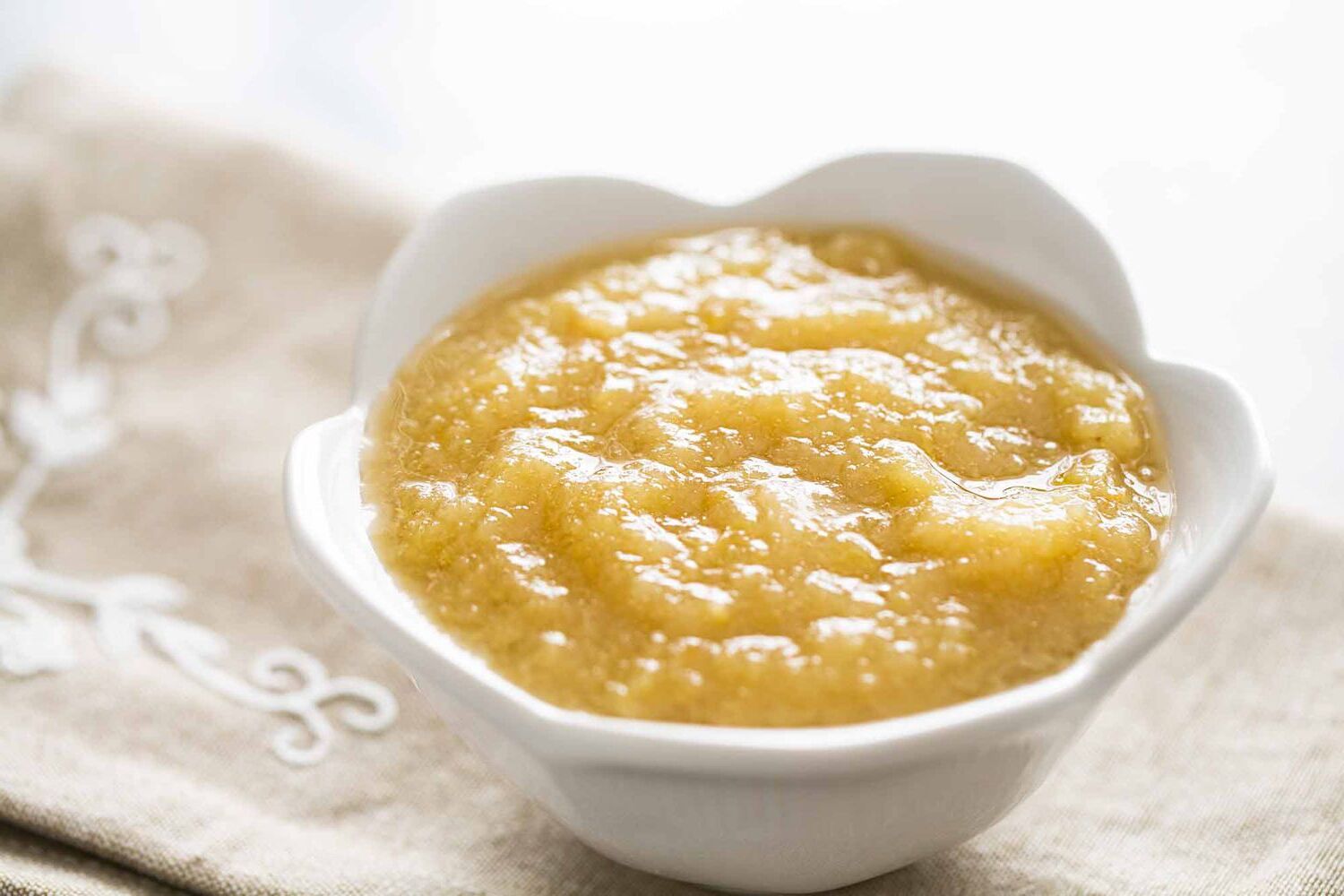
Ingredients For Applesauce Recipe
APPLES: The main ingredient, peeled and chopped to cook down into a soft, sweet base.
WATER: Helps the apples cook evenly without sticking to the pan.
SUGAR: Optional, adds sweetness if your apples aren’t very sweet on their own.
CINNAMON: Optional, gives a warm, spicy flavor that pairs perfectly with apples.
Technique Tip for This Recipe
When you’re cooking applesauce, one of the most helpful steps is knowing how to tell when your apples are soft enough to mash. Here’s a simple way to check:
- After you’ve cooked the apples for about 15 minutes, use a fork or the back of a spoon to press down on a piece.
- If it squishes easily and feels tender, that means it’s ready.
- If it still feels firm or hard, give it a few more minutes and check again.
This little test makes cooking smoother because it helps you avoid undercooked or overcooked apples. If the apples aren’t soft enough, your applesauce will be chunky and harder to mash. But if you cook them too long, they might turn mushy or lose some flavor. Getting the texture just right means your applesauce will taste fresh and feel perfect on your spoon.
I remember the first time I made applesauce, I got impatient and tried to mash the apples too soon. It was a little tough and not as smooth as I wanted. After that, I started checking with a fork, and it made a big difference. Also, if you want to save time, you can cut the apples into smaller pieces before cooking—they soften faster, and you get to enjoy your applesauce sooner!
So, don’t rush this part. Take a moment to test the apples for softness, and you’ll end up with a tasty, smooth applesauce that’s just right.
Suggested Side Dishes
Alternative Ingredients
apples - Substitute with pears: Pears have a similar texture and sweetness when cooked, making them a great alternative to apples in applesauce.
apples - Substitute with peaches: Peaches offer a different but delightful flavor profile, and their soft texture blends well when cooked.
water - Substitute with apple juice: Apple juice enhances the apple flavor and adds a bit more sweetness to the applesauce.
water - Substitute with pear juice: Pear juice can add a subtle, complementary flavor to the applesauce.
sugar - Substitute with honey: Honey provides natural sweetness and a slight floral note, making it a healthier alternative to sugar.
sugar - Substitute with maple syrup: Maple syrup adds a rich, caramel-like sweetness that pairs well with the fruit.
cinnamon - Substitute with nutmeg: Nutmeg offers a warm, slightly sweet spice that can complement the flavors in applesauce.
cinnamon - Substitute with allspice: Allspice provides a complex blend of cinnamon, nutmeg, and clove flavors, adding depth to the applesauce.
Other Alternative Recipes Similar to This
How to Store / Freeze This Recipe
Allow the freshly made applesauce to cool completely to room temperature before storing. This helps prevent condensation, which can lead to spoilage.
Transfer the cooled applesauce into airtight containers or mason jars. For best results, use containers that are specifically designed for freezing if you plan to store it long-term.
Label each container with the date of preparation. This ensures you can keep track of its freshness and use it within a safe timeframe.
For short-term storage, place the containers in the refrigerator. Applesauce can be safely stored in the fridge for up to 7-10 days.
If you wish to freeze the applesauce, leave about an inch of headspace in each container to allow for expansion as it freezes. This prevents the container from cracking or bursting.
Place the containers in the freezer. Applesauce can be stored in the freezer for up to 6 months without losing its flavor or texture.
When ready to use, thaw the applesauce in the refrigerator overnight. For a quicker option, you can also thaw it in a bowl of cold water or use the defrost setting on your microwave.
Once thawed, give the applesauce a good stir to reincorporate any separated liquids and restore its smooth consistency.
If you notice any changes in color, smell, or texture, discard the applesauce as it may have gone bad. Always trust your senses to ensure food safety.
How to Reheat Leftovers
For a quick and easy method, use the microwave. Place the applesauce in a microwave-safe bowl, cover it with a microwave-safe lid or plastic wrap, and heat on high for 1-2 minutes. Stir halfway through to ensure even heating.
If you prefer a more traditional approach, use the stovetop. Pour the applesauce into a saucepan and heat over medium-low heat. Stir occasionally to prevent sticking and ensure even heating. This method takes about 5-7 minutes.
For those who enjoy a bit of a twist, try reheating in the oven. Preheat your oven to 350°F (175°C). Place the applesauce in an oven-safe dish, cover with foil, and heat for about 15-20 minutes. This method can give the applesauce a slightly caramelized flavor.
If you have a slow cooker handy, this is a great way to reheat a larger batch. Set the slow cooker to low, add the applesauce, and let it warm up for about 1-2 hours. Stir occasionally to ensure even heating.
For a gourmet touch, consider reheating the applesauce in a double boiler. This gentle method prevents scorching and maintains the smooth texture. Place the applesauce in the top part of the double boiler and heat over simmering water, stirring occasionally, for about 10-15 minutes.
Best Tools for This Recipe
Saucepan: A deep cooking pan used for simmering the apples with water, sugar, and cinnamon.
Peeler: A tool used to remove the skin from the apples.
Corer: A device to remove the core and seeds from the apples.
Knife: Used to chop the apples into smaller pieces.
Cutting board: A flat surface to safely chop the apples.
Measuring cups: Used to measure the water and sugar accurately.
Measuring spoons: Used to measure the cinnamon precisely.
Lid: Used to cover the saucepan while cooking the apples.
Potato masher: A tool to mash the cooked apples into a smooth consistency.
Blender: An alternative to the potato masher for blending the apples into a smooth sauce.
Spoon: Used for stirring the mixture while it cooks.
How to Save Time on Making This Recipe
Use a food processor: Chop the apples quickly by using a food processor instead of doing it by hand.
Pre-measure ingredients: Measure out the water, sugar, and cinnamon before you start cooking to streamline the process.
Cook in batches: If making a large quantity, cook the apples in batches to ensure even cooking and save time.
Use an immersion blender: Instead of mashing with a potato masher, use an immersion blender directly in the saucepan for a smoother texture and quicker result.
Applesauce Recipe
Ingredients
Main Ingredients
- 4 large apples, peeled, cored, and chopped
- ½ cup water
- ¼ cup sugar (optional)
- ½ teaspoon cinnamon (optional)
Instructions
- 1. In a saucepan, combine apples, water, sugar, and cinnamon.
- 2. Cover and cook over medium heat for 15-20 minutes, or until apples are soft.
- 3. Allow to cool, then mash with a potato masher or blend until smooth.
Nutritional Value
Keywords
Suggested Appetizers and Main Courses for This Recipe
More Amazing Recipes to Try 🙂
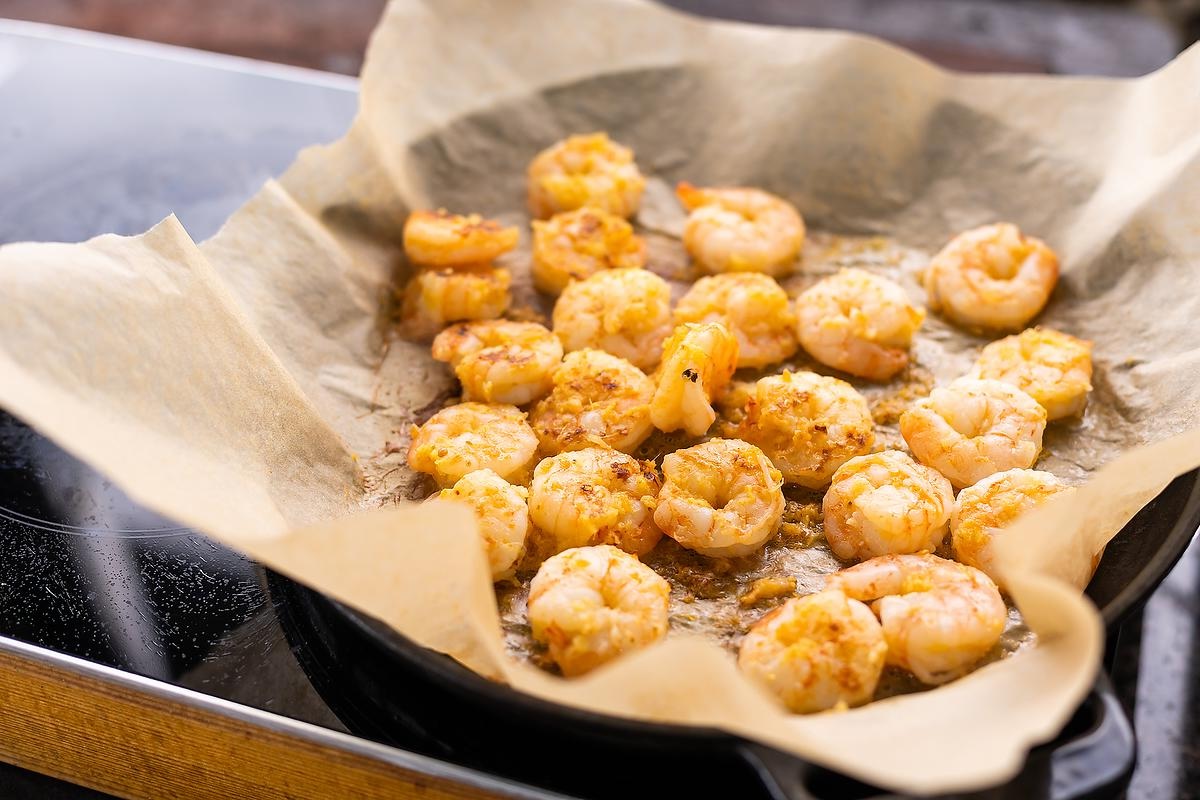
- Pan Fried Shrimp Recipe20 Minutes
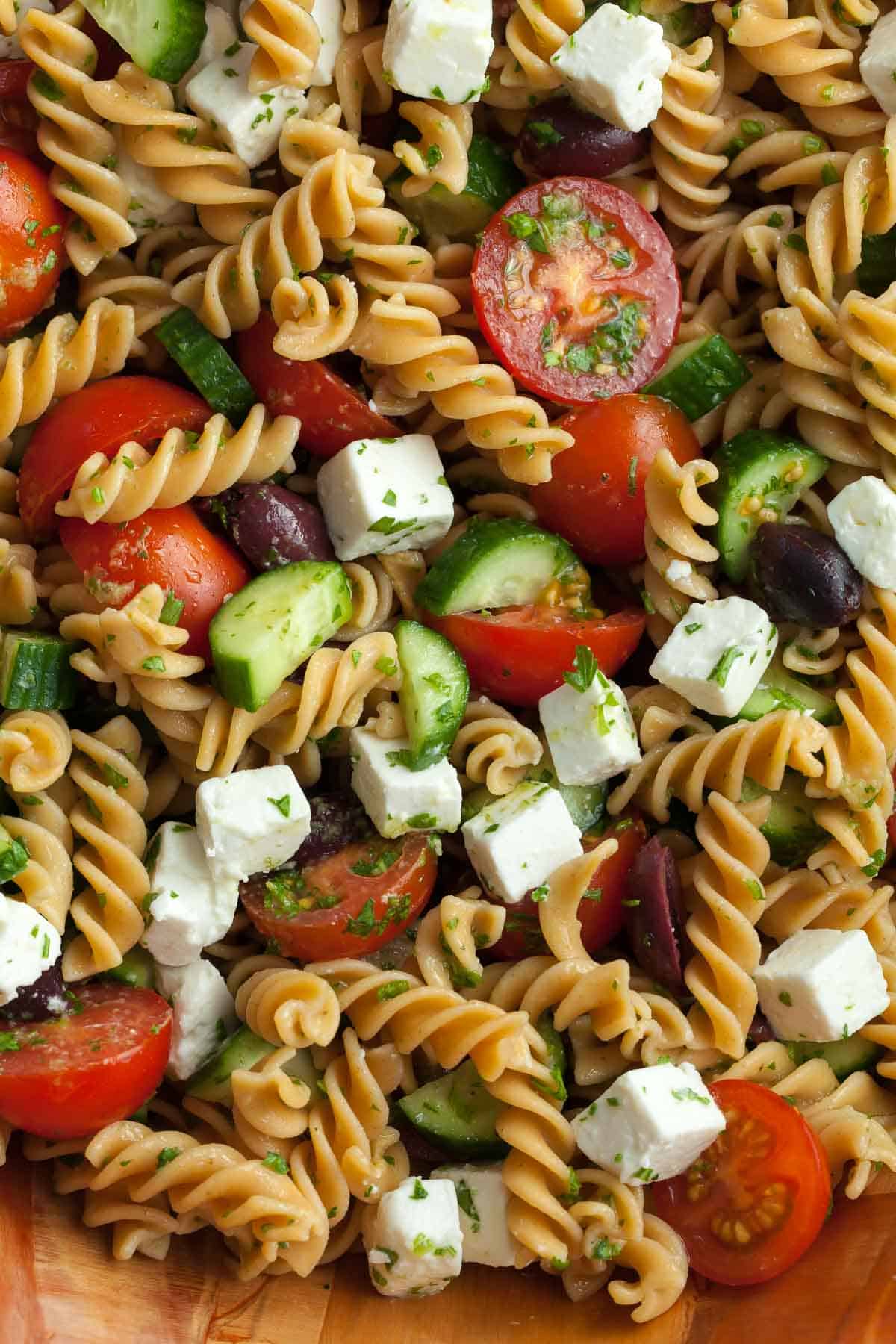
- Shrimp Pasta Salad Recipe25 Minutes
- Maryland Crab Cakes Recipe25 Minutes
- Buffalo Chicken Wing Sauce Recipe15 Minutes
- Pineapple Martini Recipe5 Minutes
- Cucumber Pasta Salad Recipe25 Minutes
- Sausage Egg Muffins Recipe30 Minutes
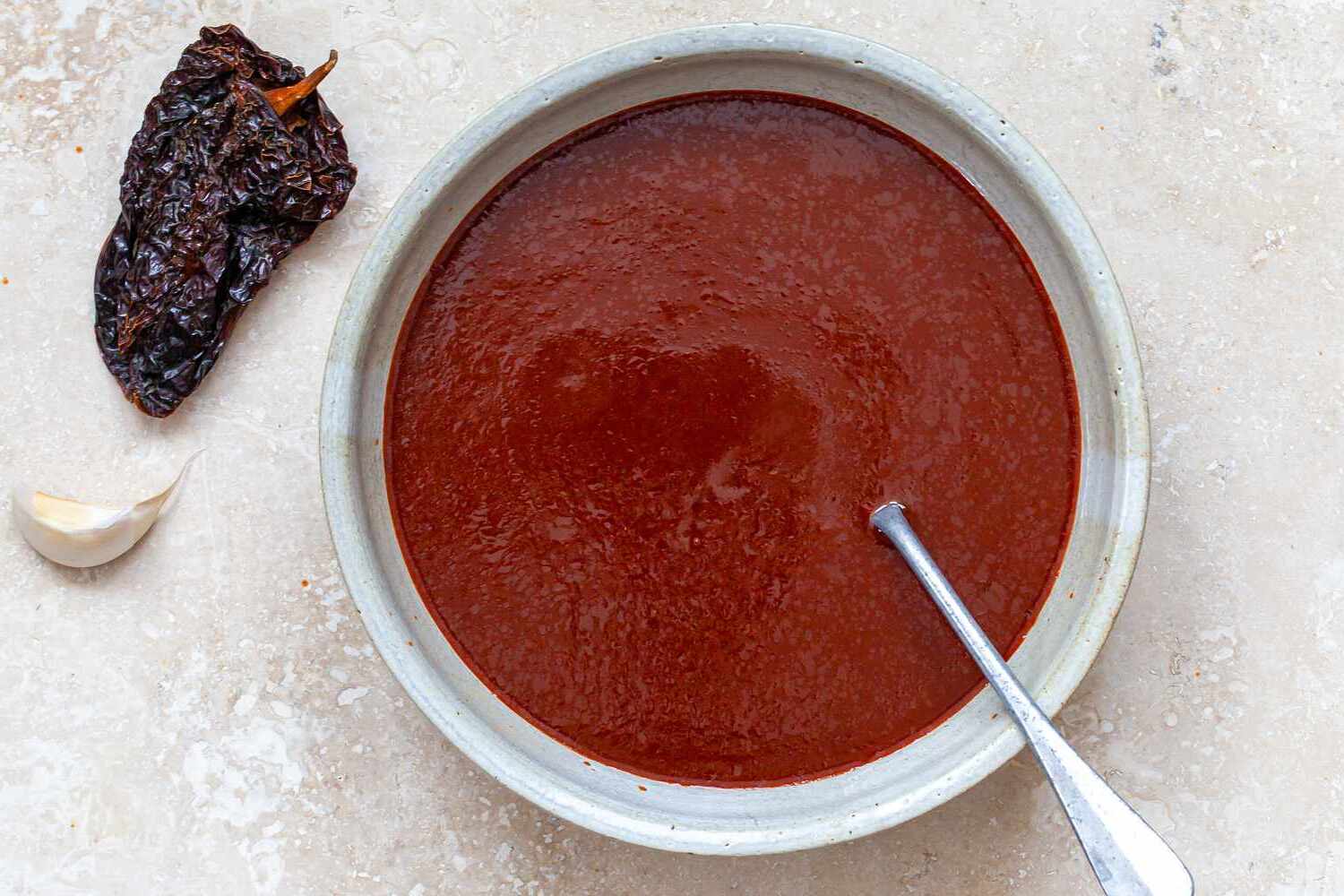
- Authentic Mexican Hot Sauce Recipe30 Minutes







Leave a Reply