

I’m really happy to share this Mediterranean couscous salad recipe with you because it’s fresh, colorful, and full of flavors that remind me of sunny days. It’s one of those dishes that’s simple to make but feels special every time. I hope you enjoy making it as much as I do!
Most of the ingredients in this recipe are easy to find, but if you haven’t tried couscous before, it’s a tiny pasta that cooks quickly and soaks up flavors well. Feta cheese might be new to some, and it’s a crumbly, salty cheese that adds a nice tang. Black olives can be found in the canned or jarred section of the supermarket, usually near pickles or other olives.
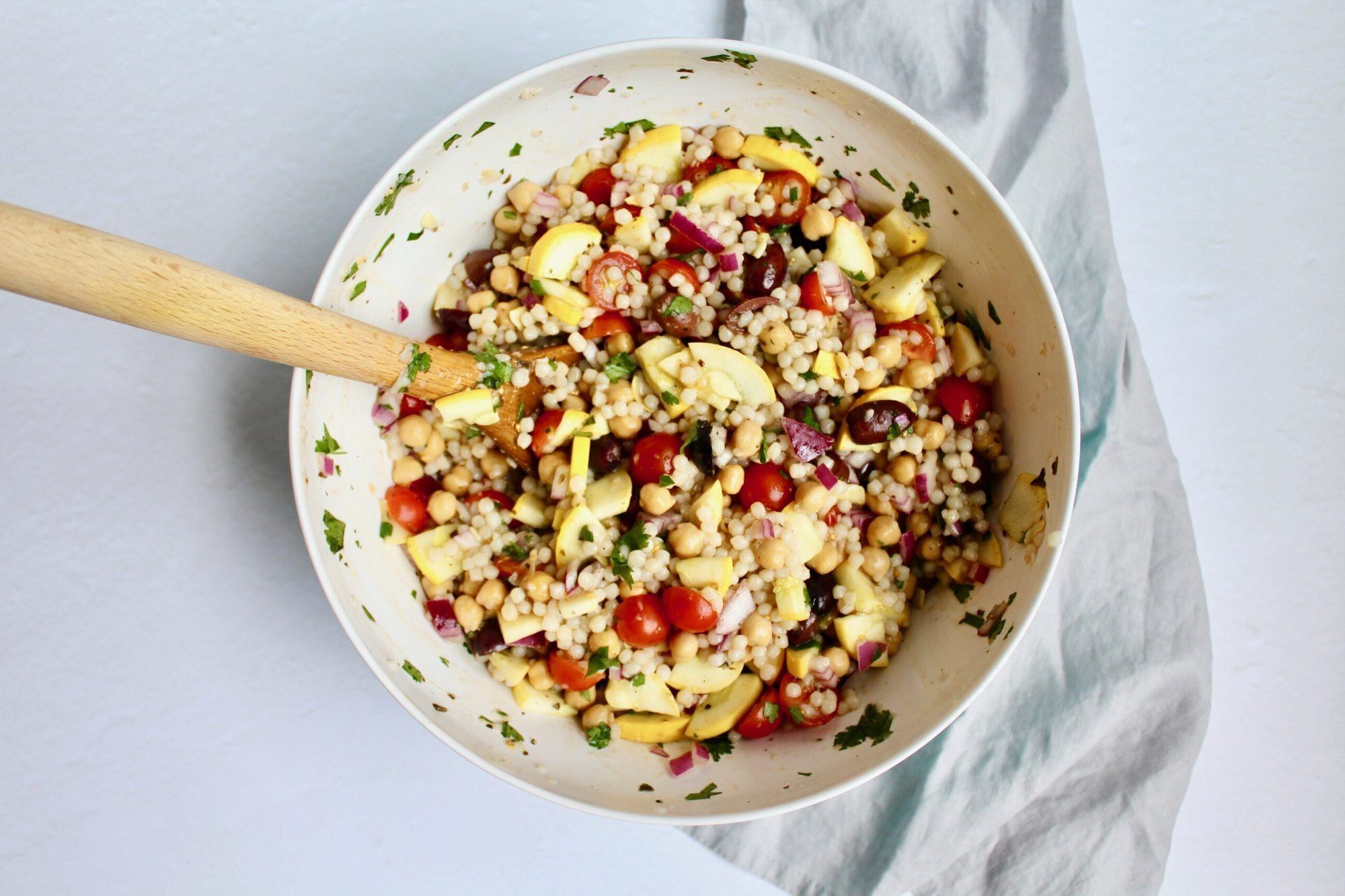
Ingredients For Mediterranean Couscous Salad Recipe
Couscous: A small, grain-like pasta that cooks fast and has a light, fluffy texture.
Cherry tomatoes: Sweet, bite-sized tomatoes that add juiciness and color.
Cucumber: A crunchy, refreshing vegetable that balances the flavors.
Red onion: Adds a sharp, slightly sweet taste and a bit of crunch.
Feta cheese: A crumbly, salty cheese that gives the salad a creamy texture.
Black olives: Sliced olives that bring a salty, slightly bitter flavor.
Olive oil: A smooth, fruity oil used to dress the salad.
Lemon juice: Adds a bright, tangy flavor that lifts the whole dish.
Dried oregano: A herb that gives a warm, earthy taste.
Salt and pepper: Basic seasonings to bring out all the flavors.
Technique Tip for Preparing This Salad
One of the most helpful tricks in this Mediterranean Couscous Salad recipe is how to fluff the couscous after it’s cooked. When you pour boiling water over the couscous and let it sit, it absorbs the water and gets soft, but it can sometimes clump together. Fluffing it with a fork helps separate the tiny grains so your salad doesn’t turn into a sticky mess.
Here’s how to fluff couscous the right way:
- After the couscous has soaked for about 5 minutes and all the water is absorbed, grab a fork.
- Gently run the fork through the couscous, lifting and separating the grains instead of stirring or smashing them.
- Keep fluffing until the couscous looks light and fluffy, with no big clumps.
Doing this makes your salad taste better because each grain stays separate and soaks up the dressing evenly. It also looks nicer on the plate, which makes it more fun to eat!
When I first made this salad, I didn’t fluff the couscous properly and ended up with a sticky, mushy base. It wasn’t terrible, but it didn’t have that fresh, light texture I was hoping for. Now, I always take a minute to fluff it with a fork, and it makes a big difference. Plus, it’s a quick step that doesn’t take any extra cooking time but really improves the whole dish.
So next time you’re making this Mediterranean Couscous Salad, remember to fluff the couscous gently. It’s a small move that makes your salad taste fresh and delicious every time!
Suggested Side Dishes
Alternative Ingredients
couscous - Substitute with quinoa: Quinoa is a gluten-free grain that offers a similar texture and can absorb flavors well, making it a great alternative to couscous.
boiling water - Substitute with vegetable broth: Using vegetable broth instead of water can add more depth and flavor to the dish.
cherry tomatoes - Substitute with grape tomatoes: Grape tomatoes have a similar sweetness and texture, making them a suitable replacement for cherry tomatoes.
cucumber - Substitute with zucchini: Zucchini can provide a similar crunch and freshness, though it has a slightly different flavor profile.
red onion - Substitute with shallots: Shallots offer a milder and slightly sweeter taste compared to red onions, which can be a pleasant variation.
feta cheese - Substitute with goat cheese: Goat cheese has a creamy texture and tangy flavor that can mimic the taste profile of feta cheese.
black olives - Substitute with kalamata olives: Kalamata olives have a rich, fruity flavor that can enhance the Mediterranean essence of the salad.
olive oil - Substitute with avocado oil: Avocado oil has a mild flavor and similar healthy fat content, making it a good alternative to olive oil.
lemon juice - Substitute with lime juice: Lime juice provides a similar acidity and citrus flavor, though it has a slightly different taste.
dried oregano - Substitute with dried thyme: Dried thyme offers a different but complementary herbal note that can work well in Mediterranean dishes.
Other Alternative Recipes Similar to This Salad
How to Store or Freeze This Salad
Allow the couscous salad to cool completely before storing. This prevents condensation, which can make the salad soggy.
Transfer the salad to an airtight container. Choose a container that minimizes excess air space to keep the vegetables fresh.
Store the salad in the refrigerator for up to 3 days. The flavors will meld beautifully, but the cucumber and tomatoes may release some moisture over time.
If you plan to enjoy the salad over several days, consider storing the dressing separately. This will help maintain the crispness of the vegetables.
For freezing, note that while couscous itself freezes well, the fresh vegetables may lose their texture. If you choose to freeze, do so without the feta cheese and vegetables.
To freeze, place the cooled couscous in a freezer-safe container or bag, removing as much air as possible. Label with the date for easy tracking.
Thaw the frozen couscous in the refrigerator overnight. Once thawed, add fresh vegetables and feta cheese before serving.
Refresh the salad with a splash of lemon juice and a drizzle of olive oil to revive its vibrant flavors after storing or freezing.
How to Reheat Leftovers
Gently warm the couscous salad in a skillet over low heat. Add a splash of olive oil to prevent sticking and keep it moist. Stir occasionally to ensure even heating, but be careful not to overheat, as you want to maintain the freshness of the cherry tomatoes and cucumber.
Use a microwave-safe dish to reheat the salad. Cover it with a damp paper towel to retain moisture and heat on medium power for about 1-2 minutes. Stir halfway through to distribute the heat evenly. This method is quick but might soften the feta cheese slightly.
For a refreshing twist, consider serving the couscous salad cold. Simply add a bit more lemon juice and olive oil to revive the flavors. This method is perfect for maintaining the crispness of the cucumber and the tanginess of the feta cheese.
If you prefer a slightly warm salad, try using a steamer. Place the couscous salad in a heatproof dish and steam for a few minutes. This gentle method will warm the salad without compromising the texture of the vegetables.
For an oven approach, preheat your oven to a low temperature (around 300°F or 150°C). Spread the salad on a baking sheet and cover with foil. Heat for about 10 minutes, checking occasionally to ensure it doesn't dry out. This method is ideal for reheating larger quantities while preserving the salad's integrity.
Essential Tools for Preparing This Salad
Saucepan: Use this to bring the water to a boil and cook the couscous. It helps in evenly distributing heat for proper cooking.
Mixing bowl: This is essential for combining the couscous with the other salad ingredients like cherry tomatoes, cucumber, red onion, feta cheese, and black olives.
Small bowl: Use this to whisk together the olive oil, lemon juice, and dried oregano, creating a dressing for the salad.
Fork: A fork is used to fluff the couscous after it has absorbed the boiling water, ensuring it remains light and separate.
Whisk: This tool is used to mix the olive oil, lemon juice, and oregano thoroughly, ensuring a well-emulsified dressing.
Knife: A sharp knife is necessary for halving the cherry tomatoes, dicing the cucumber, and finely chopping the red onion.
Cutting board: Provides a stable surface for safely chopping and preparing the vegetables.
Measuring cups: These are used to accurately measure the couscous, water, cherry tomatoes, cucumber, red onion, and feta cheese.
Measuring spoons: Use these to measure the olive oil, lemon juice, and dried oregano precisely.
How to Save Time on Making This Salad
Prepare ingredients in advance: Chop the cucumber, halve the cherry tomatoes, and crumble the feta cheese ahead of time to streamline assembly.
Use pre-cooked couscous: Opt for instant couscous to cut down on cooking time; it hydrates quickly with boiling water.
Batch dressing: Mix a larger quantity of the olive oil, lemon juice, and oregano dressing to use for future salads.
One-bowl method: Combine all ingredients in one large bowl to minimize cleanup and save time.
Pre-slice olives: Buy pre-sliced black olives to eliminate the need for additional prep.
Mediterranean Couscous Salad Recipe
Ingredients
Main Ingredients
- 1 cup couscous
- 1 cup boiling water
- 1 cup cherry tomatoes, halved
- 1 cup cucumber, diced
- ½ cup red onion, finely chopped
- ½ cup feta cheese, crumbled
- ¼ cup black olives, sliced
- 2 tablespoon olive oil
- 1 tablespoon lemon juice
- 1 teaspoon dried oregano
- to taste salt and pepper
Instructions
- 1. In a saucepan, bring the water to a boil. Add the couscous, cover, and remove from heat. Let it sit for 5 minutes, then fluff with a fork.
- 2. In a large mixing bowl, combine the couscous, cherry tomatoes, cucumber, red onion, feta cheese, and black olives.
- 3. In a small bowl, whisk together the olive oil, lemon juice, and dried oregano. Pour over the couscous mixture and toss to combine.
- 4. Season with salt and pepper to taste. Serve chilled or at room temperature.
Nutritional Value
Keywords
More Amazing Recipes to Try 🙂
- Pickled Watermelon Rinds Recipe30 Minutes
- Cocktail Sauce Recipe5 Minutes
- Mexican Sopes Recipe40 Minutes
- Traditional Mexican Street Tacos Recipe30 Minutes
- Eggless French Toast Recipe20 Minutes
- Traditional Gyro Meat Recipe1 Hours 20 Minutes
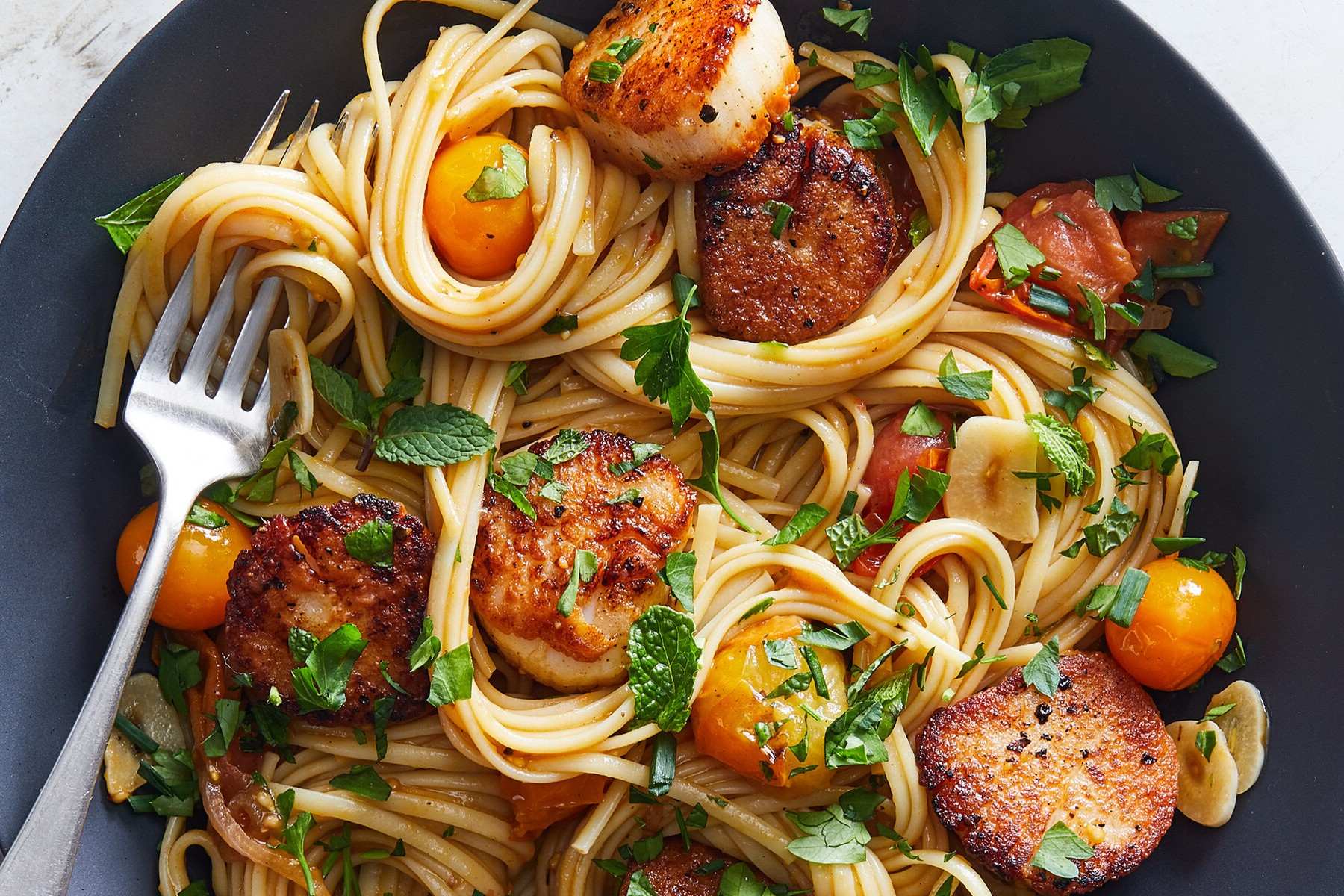
- Sea Scallops and Angel Hair Pasta Recipe30 Minutes
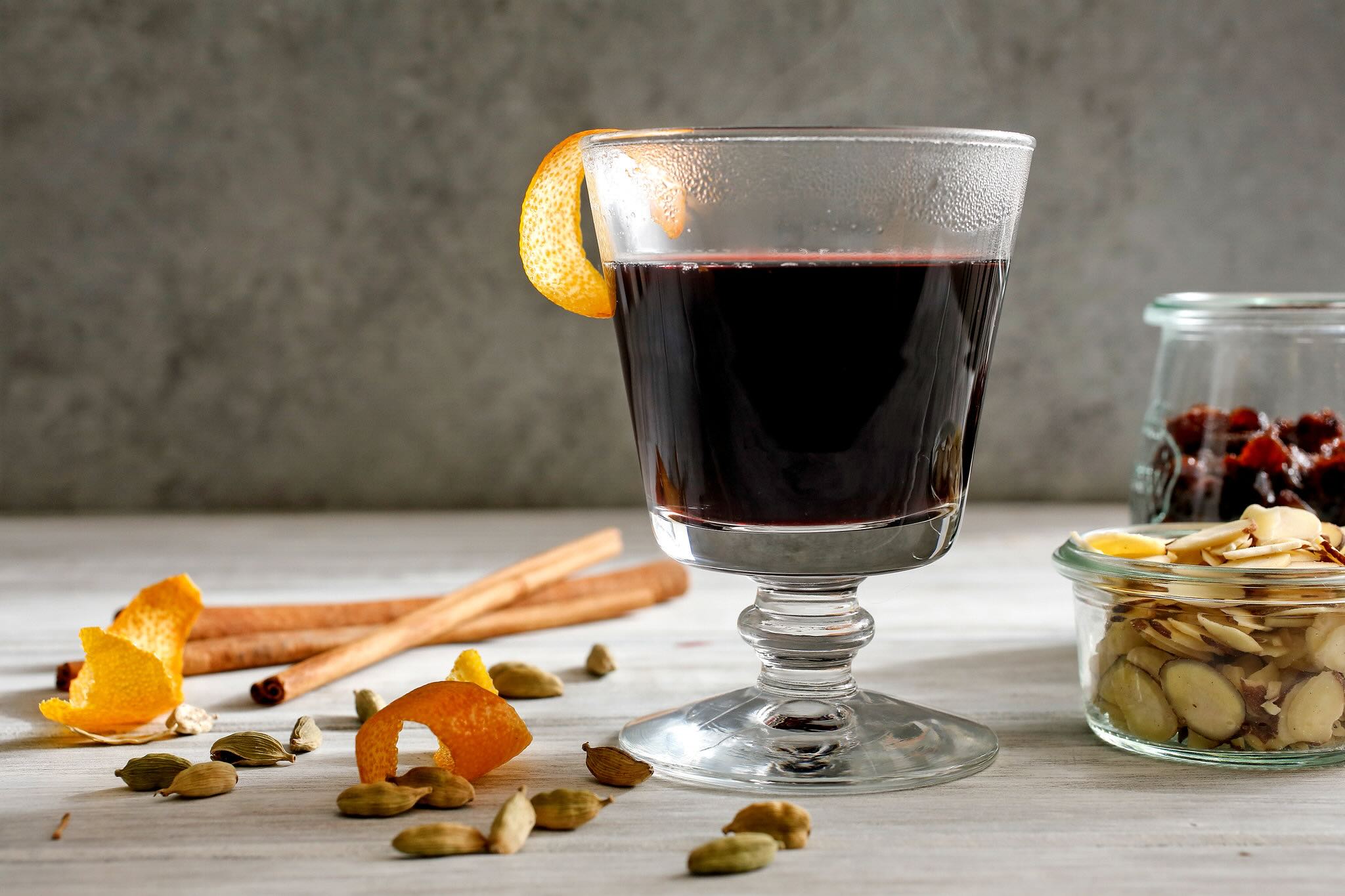
- Swedish Glogg Recipe40 Minutes




Leave a Reply