

I’m really happy you’re here because this pound cake recipe is one of my favorites to make when I want something simple but delicious. It’s soft, buttery, and perfect for sharing with family or friends. I hope you enjoy making it as much as I do!
Most of the ingredients in this recipe are probably already in your kitchen, like butter, sugar, and eggs. When you go to the supermarket, just make sure to pick up some all-purpose flour and baking powder if you don’t have them. These help the cake rise and give it the perfect texture. Vanilla extract adds a nice flavor, but if you don’t have it, you can still make a tasty cake without it.
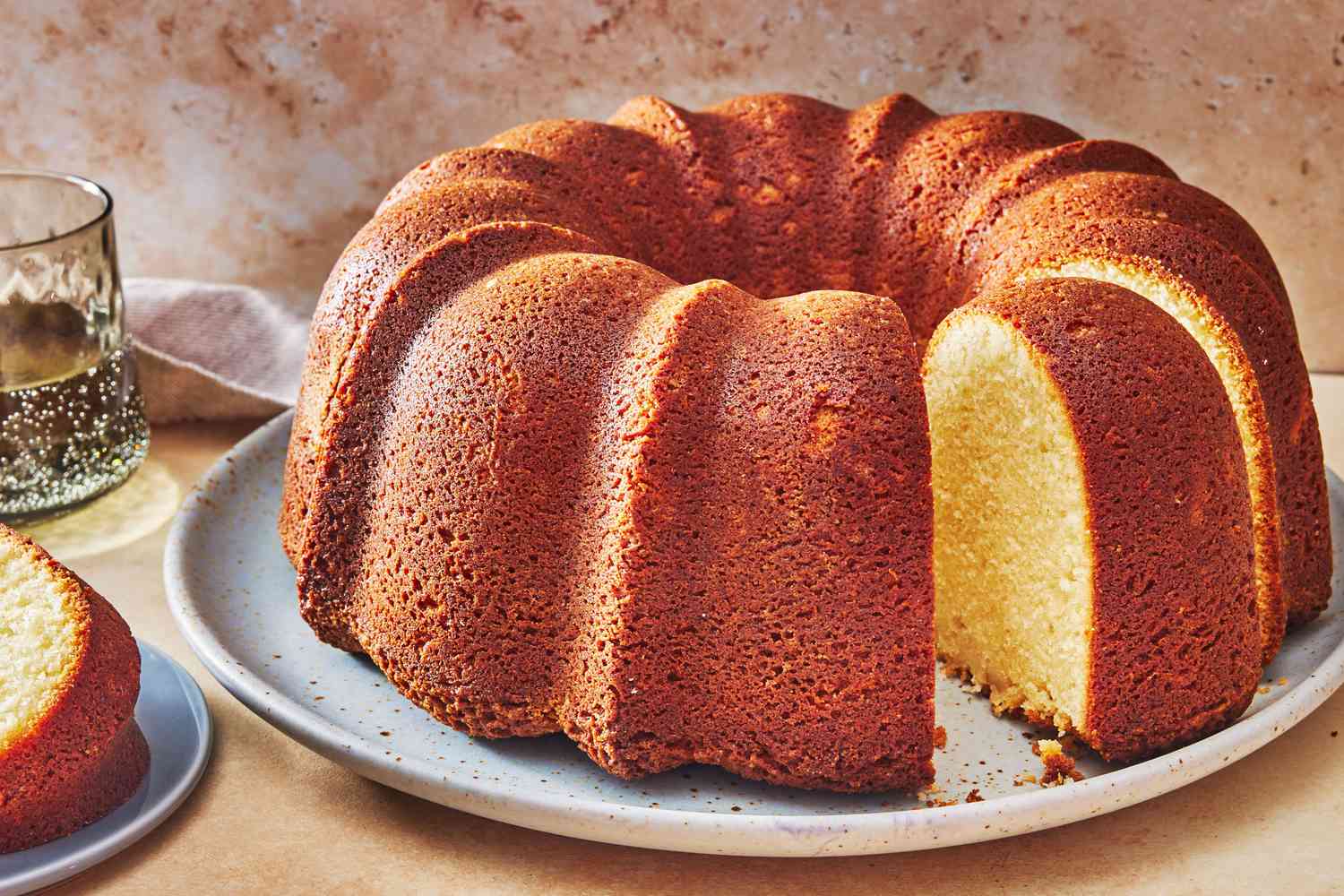
Ingredients For Pound Cake Recipe
Butter: Softened butter adds richness and moisture to the cake, making it tender and flavorful.
Sugar: Sugar sweetens the cake and helps create a light, fluffy texture when creamed with butter.
Eggs: Eggs provide structure and help bind the ingredients together while adding moisture.
Vanilla extract: This adds a warm, sweet flavor that enhances the overall taste of the cake.
All-purpose flour: The main dry ingredient that gives the cake its body and texture.
Baking powder: A leavening agent that helps the cake rise and become light.
Salt: Balances the sweetness and enhances the other flavors.
Milk: Adds moisture and helps create a smooth batter for a tender crumb.
Technique Tip for Baking
One of the most important steps in this pound cake recipe is creaming the butter and sugar together until the mixture is light and fluffy. Here’s how you do it step by step:
- Make sure your butter is softened, not melted. It should be soft enough to press with your finger but still hold its shape.
- Put the softened butter and sugar in a large mixing bowl.
- Use a hand mixer or stand mixer on medium speed to beat them together.
- Keep mixing for about 3 to 5 minutes. You’ll notice the color changes from a pale yellow to a lighter, almost white shade, and the texture becomes fluffy.
- Stop and scrape down the sides of the bowl with a spatula to make sure everything is mixed evenly.
Why does this matter? When you cream butter and sugar well, you’re actually trapping tiny air bubbles inside. These bubbles help the cake rise and give it a soft, tender texture. If you rush this step or don’t mix enough, your cake might turn out dense or heavy.
A little personal note: The first time I made this pound cake, I didn’t cream the butter and sugar long enough. The cake was okay, but it felt a bit heavy and not as fluffy as I wanted. After I learned to be patient and really mix until it’s light and fluffy, my cakes turned out much better every time. Also, if you don’t have a mixer, you can use a wooden spoon, but it takes more elbow grease!
So, take your time with this step—it’s worth it for a pound cake that’s soft, moist, and just right.
Suggested Side Dishes
Alternative Ingredients
butter - Substitute with margarine: Margarine can be used as a direct substitute for butter in baking, providing a similar texture and moisture content.
butter - Substitute with coconut oil: Coconut oil can replace butter for a dairy-free option, adding a slight coconut flavor and maintaining moisture.
sugar - Substitute with honey: Honey can be used as a natural sweetener, though it will add moisture and a distinct flavor, so reduce other liquids slightly.
sugar - Substitute with maple syrup: Maple syrup offers a unique flavor and can replace sugar, but adjust other liquids to maintain the right consistency.
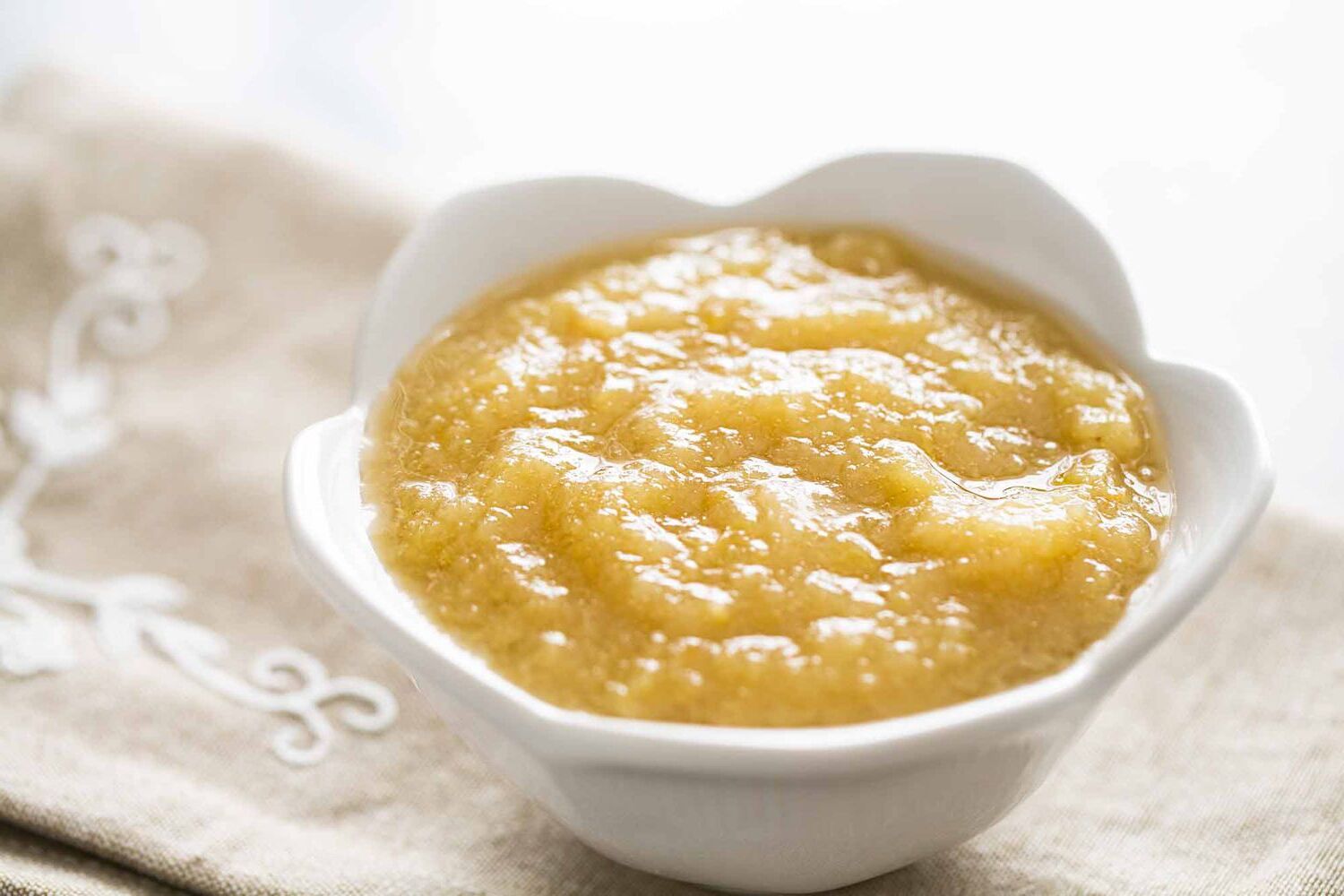
eggs - Substitute with applesauce: Applesauce can replace eggs to add moisture and act as a binder, ideal for a lighter texture.
eggs - Substitute with flaxseed meal: Mix flaxseed meal with water to create a vegan egg substitute that helps bind ingredients.
vanilla extract - Substitute with almond extract: Almond extract provides a different but pleasant flavor profile, though use less as it is more potent.
vanilla extract - Substitute with maple extract: Maple extract offers a sweet, rich flavor that can complement the cake's sweetness.
all-purpose flour - Substitute with whole wheat flour: Whole wheat flour adds a denser texture and a nutty flavor, along with more fiber.
all-purpose flour - Substitute with gluten-free flour blend: A gluten-free flour blend can be used for those with gluten sensitivities, maintaining a similar texture.
baking powder - Substitute with baking soda and cream of tartar: Combine baking soda and cream of tartar to mimic the leavening effect of baking powder.
baking powder - Substitute with self-rising flour: If using self-rising flour, omit additional baking powder and salt as it already contains leavening agents.
salt - Substitute with sea salt: Sea salt can replace regular salt, offering a slightly different mineral content and flavor.
salt - Substitute with kosher salt: Kosher salt can be used, but adjust the quantity as it is less dense than table salt.
milk - Substitute with almond milk: Almond milk is a dairy-free alternative that provides a similar liquid content with a subtle nutty flavor.
milk - Substitute with buttermilk: Buttermilk adds a tangy flavor and can enhance the cake's tenderness, though it may slightly alter the taste.
Other Alternative Recipes to Try
How to Store or Freeze This Cake
Allow the freshly baked pound cake to cool completely on a wire rack before storing. This prevents condensation from forming inside the storage container, which could make the cake soggy.
Once cooled, wrap the pound cake tightly in plastic wrap or aluminum foil. This helps to maintain its moisture and flavor.
For short-term storage, place the wrapped pound cake in an airtight container or a resealable plastic bag. Store it at room temperature for up to 3-4 days. Keep it in a cool, dry place away from direct sunlight.
If you wish to extend the shelf life, refrigerate the wrapped pound cake. It can last up to a week in the refrigerator, but be sure to bring it to room temperature before serving for the best texture and flavor.
For longer storage, freezing is an excellent option. Wrap the pound cake in a layer of plastic wrap followed by a layer of aluminum foil to prevent freezer burn.
Label the wrapped pound cake with the date of freezing to keep track of its freshness.
Place the wrapped pound cake in a freezer-safe bag or container. It can be frozen for up to 3 months.
To thaw, remove the pound cake from the freezer and let it sit at room temperature for several hours or overnight. Avoid microwaving as it can alter the texture.
For added convenience, consider slicing the pound cake before freezing. This way, you can easily remove and thaw individual slices as needed.
How to Reheat Leftovers
Preheat your oven to 300°F (150°C). Wrap the leftover pound cake in aluminum foil to prevent it from drying out. Place it on a baking sheet and warm it in the oven for about 10-15 minutes. This method helps maintain the cake's moist texture and enhances its buttery flavor.
For a quick fix, use a microwave. Place a slice of pound cake on a microwave-safe plate. Cover it with a damp paper towel to keep it from drying out. Heat it on medium power for about 10-15 seconds. Be cautious not to overheat, as this can make the cake rubbery.
If you have a toaster oven, it's an excellent option for reheating. Set it to a low temperature, around 275°F (135°C). Place the pound cake slice on a piece of parchment paper or directly on the rack. Toast for about 5-7 minutes until it's warm and slightly crisp on the edges.
For a delightful twist, consider pan-toasting. Melt a small amount of butter in a skillet over medium heat. Place the pound cake slice in the skillet and toast each side for about 1-2 minutes until golden brown. This method adds a lovely caramelized crust to the cake.
If you have an air fryer, it's a quick and efficient way to reheat. Set the air fryer to 300°F (150°C). Place the pound cake slice in the basket and heat for about 3-4 minutes. This method keeps the cake moist while adding a slight crispness to the exterior.
Essential Tools for Baking
Oven: Used to bake the pound cake at a consistent temperature of 350°F (175°C).
Loaf pan: A baking pan specifically designed for loaf-shaped cakes, which helps the cake maintain its shape during baking.
Mixing bowl: A large bowl used to combine ingredients, such as creaming the butter and sugar together.
Hand mixer: An electric tool used to beat and blend ingredients efficiently, especially useful for creaming butter and sugar and incorporating eggs.
Spatula: A flexible tool used to scrape down the sides of the mixing bowl and ensure all ingredients are well combined.
Measuring cups: Used to accurately measure dry and liquid ingredients like flour, sugar, and milk.
Measuring spoons: Used to measure smaller quantities of ingredients such as baking powder, salt, and vanilla extract.
Toothpick: A small tool used to check the doneness of the cake by inserting it into the center to see if it comes out clean.
Wire rack: A cooling rack that allows air to circulate around the cake, helping it cool evenly and preventing it from becoming soggy.
How to Save Time on Baking
Pre-measure ingredients: Measure all ingredients like butter, sugar, and flour in advance to streamline the process.
Use room temperature ingredients: Ensure butter and eggs are at room temperature for easier mixing and a smoother batter.
One-bowl method: Minimize cleanup by using one bowl for mixing the batter instead of separating wet and dry ingredients.
Prepare the pan: Grease and flour the loaf pan before starting to avoid interruptions.
Batch baking: Double the recipe and freeze one cake for later to save time on future baking.
Pound Cake Recipe
Ingredients
Main Ingredients
- 1 cup Butter softened
- 1 cup Sugar
- 4 Eggs large
- 1 teaspoon Vanilla extract
- 2 cups All-purpose flour
- 1 teaspoon Baking powder
- ½ teaspoon Salt
- ½ cup Milk
Instructions
- Preheat your oven to 350°F (175°C). Grease and flour a loaf pan.
- In a large mixing bowl, cream the butter and sugar together until light and fluffy.
- Add the eggs one at a time, beating well after each addition. Stir in the vanilla extract.
- In another bowl, combine the flour, baking powder, and salt. Gradually add to the creamed mixture alternately with the milk, beginning and ending with the flour mixture.
- Pour the batter into the prepared loaf pan. Bake for 60 minutes or until a toothpick inserted into the center comes out clean.
- Cool in the pan for 10 minutes before removing to a wire rack to cool completely.
Nutritional Value
Keywords
Suggested Appetizers and Main Courses
More Amazing Recipes to Try 🙂
- Spicy Seafood Sauce Recipe30 Minutes
- Veggie Spring Rolls with Mango Dipping Sauce Recipe30 Minutes
- Pickled Watermelon Rinds Recipe30 Minutes
- Cocktail Sauce Recipe5 Minutes
- Mexican Sopes Recipe40 Minutes
- Traditional Mexican Street Tacos Recipe30 Minutes
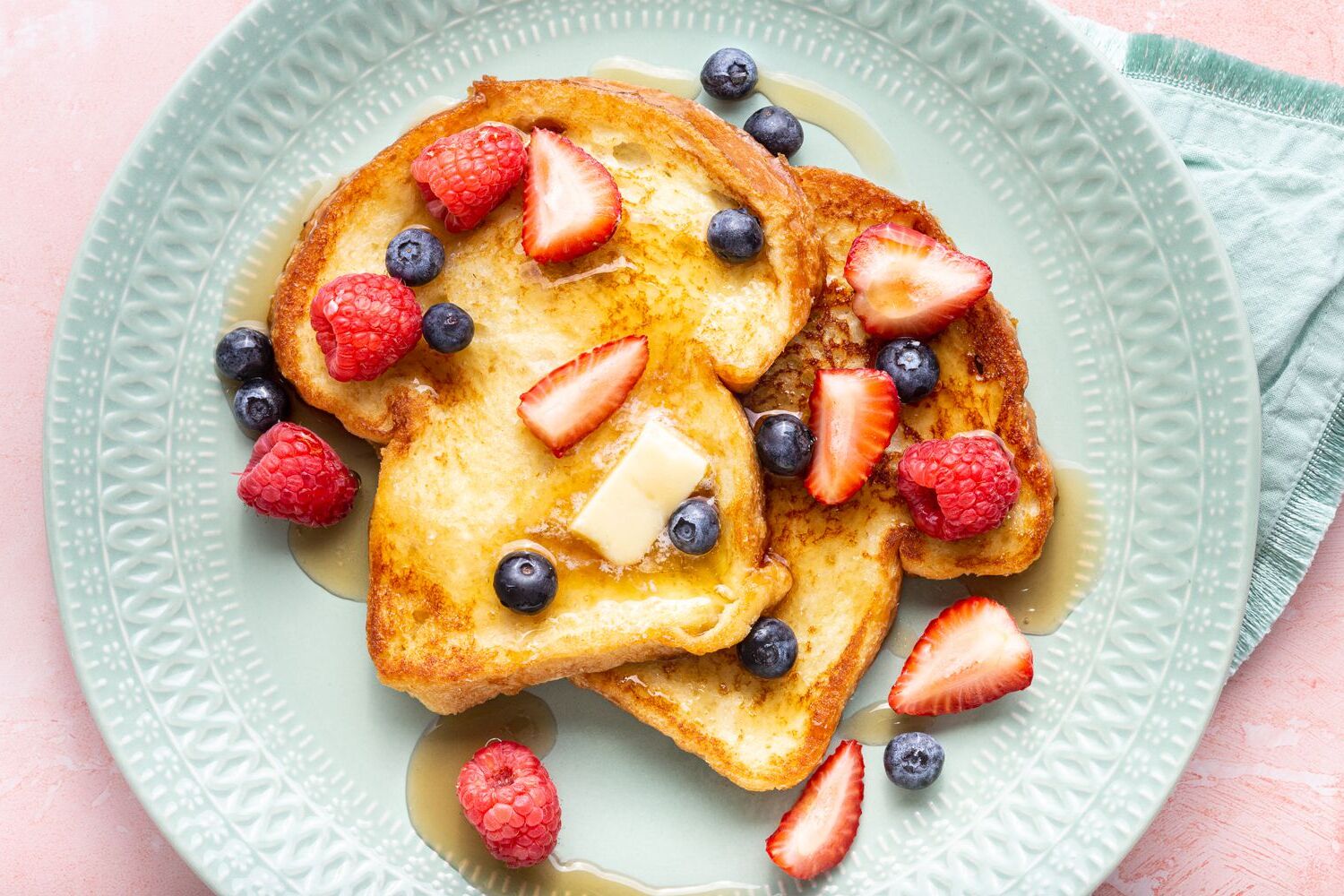
- Eggless French Toast Recipe20 Minutes
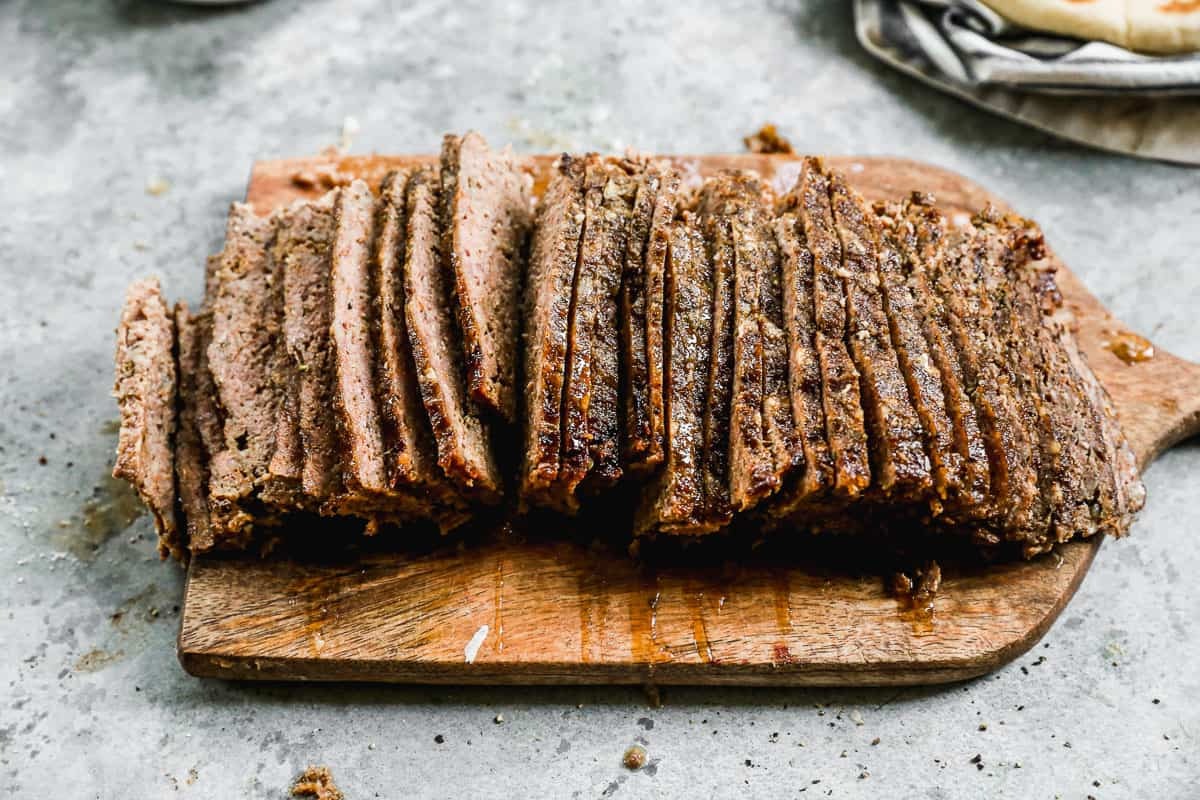
- Traditional Gyro Meat Recipe1 Hours 20 Minutes






Leave a Reply