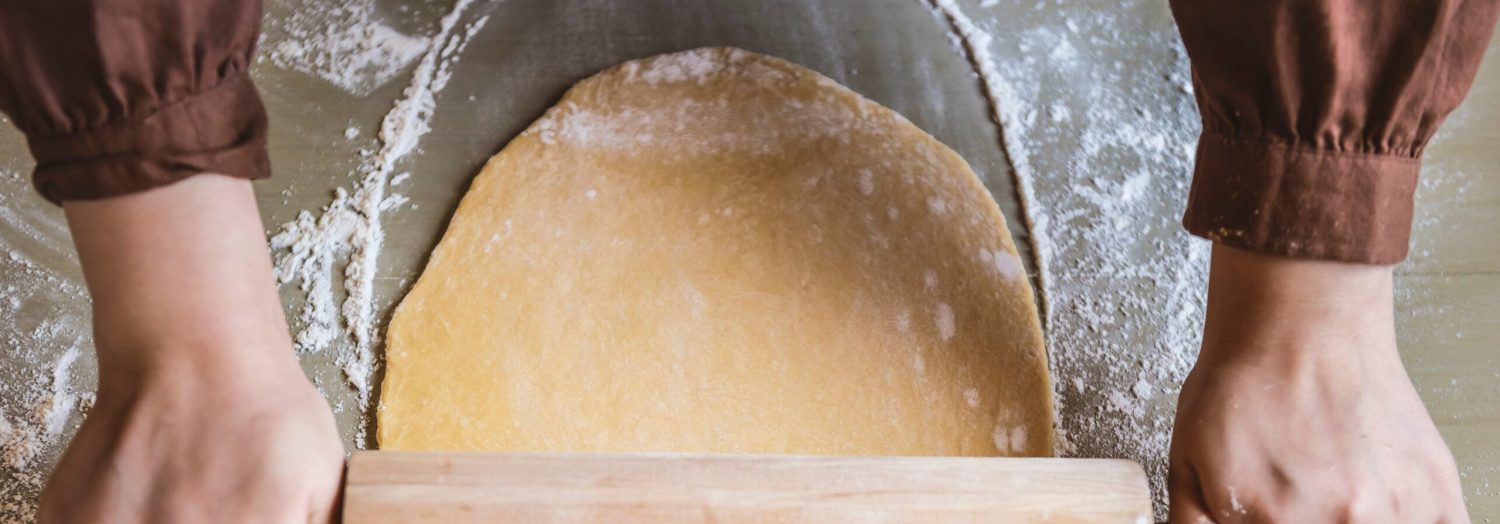

I love making this butternut squash ravioli because it feels like a cozy hug on a plate. The sweet, creamy filling combined with tender pasta always makes me smile, and I hope you’ll enjoy it just as much. Scroll down to see how simple it is to bring this comforting dish to your kitchen.
Some ingredients like butternut squash might not be in your kitchen all year round, but you can usually find it fresh or pre-cut in the produce section of most supermarkets. Ricotta cheese and parmesan are common in the dairy aisle, but if you don’t see ricotta, you can try cottage cheese as a substitute. Make sure to grab fresh eggs and good-quality all-purpose flour for the best dough.
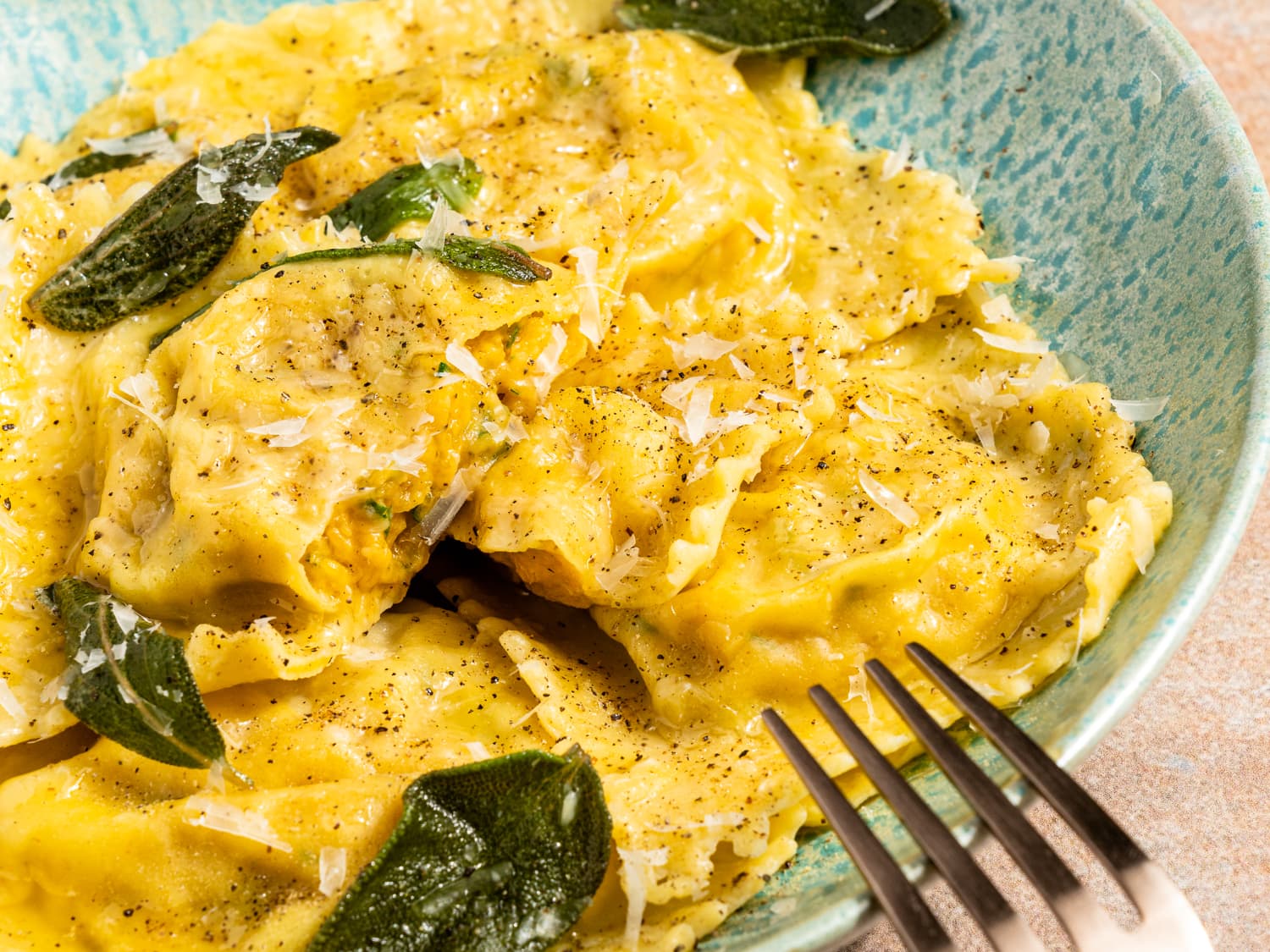
Ingredients For Butternut Squash Ravioli Recipe
All-purpose flour: This is the base for the pasta dough, giving it structure and a smooth texture.
Eggs: Eggs help bind the dough and add richness.
Olive oil: Adds a little moisture and flavor to the dough.
Butternut squash: Roasted and mashed, it creates the sweet, creamy filling.
Ricotta cheese: Adds creaminess and balances the sweetness of the squash.
Parmesan cheese: Gives a salty, nutty flavor to the filling.
Salt: Enhances all the flavors.
Black pepper: Adds a gentle hint of spice.
Technique Tip for This Recipe
One of the trickiest parts of making ravioli is sealing the edges so the filling doesn’t leak out while cooking. Here’s a simple way to do it that works every time:
- After you put a small spoonful of the butternut squash and cheese filling in the center of each dough square, lightly brush the edges with a little water or beaten egg. This helps the dough stick together better.
- Fold the dough over the filling to make a triangle or rectangle, depending on your shape.
- Press the edges firmly with your fingers to seal them. Then, take a fork and gently press down along the edges to make a pretty pattern and make sure it’s sealed tight.
- Try to squeeze out any air pockets around the filling before sealing, so the ravioli won’t puff up or burst while boiling.
Sealing the edges well makes cooking smoother because the filling stays inside, and your ravioli won’t fall apart in the boiling water. It also helps the pasta cook evenly and look nice on the plate.
When I first made ravioli, I didn’t seal the edges tightly enough, and some filling leaked out into the water. It was a bit messy, but I learned that a little water or egg wash really helps glue the dough together. Now, I always take my time with this step, and it makes a big difference. If you’re in a hurry, you can also pinch the edges with your fingers really firmly, but the fork trick adds a nice touch and extra security.
Once you get the hang of sealing, you’ll feel more confident making homemade pasta and can even try different fillings next time!
Suggested Side Dishes
Alternative Ingredients
all-purpose flour - Substitute with whole wheat flour: Whole wheat flour adds more fiber and nutrients, though it may result in a denser texture.
large eggs - Substitute with flax eggs: Mix 1 tablespoon ground flaxseed with 3 tablespoon water per egg. This is a good vegan alternative that helps bind the dough.
olive oil - Substitute with avocado oil: Avocado oil has a similar fat content and a mild flavor, making it a suitable replacement.
butternut squash - Substitute with sweet potato: Sweet potatoes have a similar texture and sweetness when roasted and mashed.
ricotta cheese - Substitute with cottage cheese: Cottage cheese has a similar texture and can be blended for a smoother consistency.
parmesan cheese - Substitute with pecorino romano: Pecorino Romano has a similar salty and nutty flavor profile.
salt - Substitute with sea salt: Sea salt provides the same salty flavor but may have a slightly different mineral content.
black pepper - Substitute with white pepper: White pepper has a similar heat but a slightly different flavor, often used for a more subtle peppery taste.
Other Alternative Recipes Similar to This Dish
How to Store / Freeze This Dish
To store your butternut squash ravioli in the refrigerator, place them in a single layer on a baking sheet lined with parchment paper. Cover with plastic wrap and refrigerate for up to 2 days.
For longer storage, freezing is your best option. Arrange the ravioli in a single layer on a baking sheet, ensuring they do not touch each other. Freeze until solid, about 1-2 hours.
Once frozen, transfer the ravioli to a resealable plastic bag or an airtight container. Label with the date and store in the freezer for up to 3 months.
When ready to cook, do not thaw the ravioli. Instead, drop them directly into boiling water. This prevents them from becoming soggy or losing their shape.
If you have leftover cooked ravioli, store them in an airtight container in the refrigerator. They will keep well for up to 3 days. Reheat gently in a pan with a bit of olive oil or butter to avoid drying out.
For an added layer of protection against freezer burn, consider wrapping the ravioli in a layer of aluminum foil before placing them in the resealable bag or container.
If you prefer, you can also freeze the butternut squash filling separately. Spoon the filling into a resealable plastic bag, flatten it out, and freeze. This way, you can make fresh pasta dough when you're ready to assemble the ravioli.
Always ensure that the ravioli are completely cool before storing them to prevent condensation, which can lead to sogginess or freezer burn.
For a quick meal, you can also freeze the ravioli in individual portions. This makes it easy to grab just the right amount for a single serving without having to defrost the entire batch.
If you plan to serve the ravioli with a sauce, consider freezing the sauce separately in small containers. This allows you to reheat the sauce while the ravioli cook, ensuring both components are perfectly hot and fresh.
How to Reheat Leftovers
Stovetop Method:
- Heat a skillet over medium heat and add a tablespoon of olive oil or butter.
- Add the leftover butternut squash ravioli to the skillet.
- Cook for 2-3 minutes on each side until they are heated through and slightly crispy on the outside.
- Serve with a drizzle of olive oil or your favorite sauce.
Microwave Method:
- Place the ravioli in a microwave-safe dish.
- Add a splash of water or broth to the dish to keep the ravioli moist.
- Cover the dish with a microwave-safe lid or plastic wrap.
- Microwave on medium power for 1-2 minutes, checking halfway through to ensure even heating.
- Let it sit for a minute before serving.
Oven Method:
- Preheat your oven to 350°F (175°C).
- Place the ravioli in an oven-safe dish.
- Add a small amount of sauce or a drizzle of olive oil to keep them from drying out.
- Cover the dish with aluminum foil.
- Bake for 10-15 minutes, or until heated through.
- Remove the foil for the last 5 minutes if you want a slightly crispy texture.
Steaming Method:
- Fill a pot with a couple of inches of water and bring it to a simmer.
- Place a steamer basket over the pot.
- Add the ravioli to the steamer basket in a single layer.
- Cover and steam for about 5 minutes, or until heated through.
- Serve immediately with your favorite sauce.
Best Tools for This Recipe
Mixing bowl: A large bowl used to combine the flour and eggs to form the dough.
Rolling pin: A cylindrical tool used to roll out the dough thinly.
Knife: A sharp tool used to cut the rolled-out dough into squares.
Baking sheet: A flat sheet used to roast the butternut squash.
Fork: A utensil used to mash the roasted butternut squash.
Spoon: A utensil used to place a teaspoon of filling on each dough square.
Pot: A large pot used to boil the ravioli.
Slotted spoon: A spoon with slots used to remove the ravioli from the boiling water.
Cheese grater: A tool used to grate the parmesan cheese.
Measuring cups: Tools used to measure the flour, butternut squash, and cheeses accurately.
Measuring spoons: Tools used to measure the salt and pepper accurately.
Pastry brush: A brush used to apply water or egg wash to the edges of the dough squares to help seal them.
Cutting board: A board used as a surface for cutting the dough and other ingredients.
Colander: A tool used to drain the ravioli after boiling.
How to Save Time on Making This Dish
Prepare the filling in advance: Roast and mash the butternut squash ahead of time. Store it in the fridge until you're ready to mix it with the ricotta and parmesan.
Use a pasta machine: Rolling out dough by hand can be time-consuming. A pasta machine ensures thin, even sheets quickly.
Batch process: Make a large batch of ravioli and freeze the extras. They can be boiled straight from the freezer for a quick meal.
Pre-cut dough squares: Cut all your dough squares at once before adding the filling. This streamlines the assembly process.
Butternut Squash Ravioli
Ingredients
Ravioli Dough
- 2 cups All-purpose flour
- 3 large Eggs
- 1 tablespoon Olive oil
Filling
- 2 cups Butternut squash, roasted and mashed
- ½ cup Ricotta cheese
- ¼ cup Parmesan cheese, grated
- 1 teaspoon Salt
- ½ teaspoon Black pepper
Instructions
- 1. In a bowl, mix flour and eggs until a dough forms. Knead for 10 minutes. Let rest for 30 minutes.
- 2. Roll out the dough thinly. Cut into squares.
- 3. Mix butternut squash, ricotta, Parmesan, salt, and pepper for the filling.
- 4. Place a teaspoon of filling on each dough square. Fold and seal edges.
- 5. Boil ravioli for 3-4 minutes. Serve with your favorite sauce.
Nutritional Value
Keywords
Suggested Appetizers and Desserts
More Amazing Recipes to Try 🙂
- Singapore Sling Cocktail Recipe5 Minutes
- Spicy Seafood Sauce Recipe30 Minutes
- Veggie Spring Rolls with Mango Dipping Sauce Recipe30 Minutes
- Pickled Watermelon Rinds Recipe30 Minutes
- Cocktail Sauce Recipe5 Minutes
- Mexican Sopes Recipe40 Minutes
- Traditional Mexican Street Tacos Recipe30 Minutes
- Eggless French Toast Recipe20 Minutes








Leave a Reply