
I’m really excited to share this Malaysian nasi lemak recipe with you because it’s one of my favorite meals that feels like a warm hug on a plate. The mix of creamy rice, spicy sambal, and crunchy toppings always makes me smile. Scroll down to see how you can make this delicious dish at home!
Some ingredients in this recipe might be new if you haven’t cooked Malaysian food before. Pandan leaves add a unique, sweet aroma to the rice and can usually be found in Asian grocery stores or the frozen section of some supermarkets. Tamarind paste gives the sambal its tangy flavor and is also available in most Asian markets or the international aisle. The dried chilies might look intimidating, but soaking and blending them makes the sambal rich and flavorful without being too spicy.
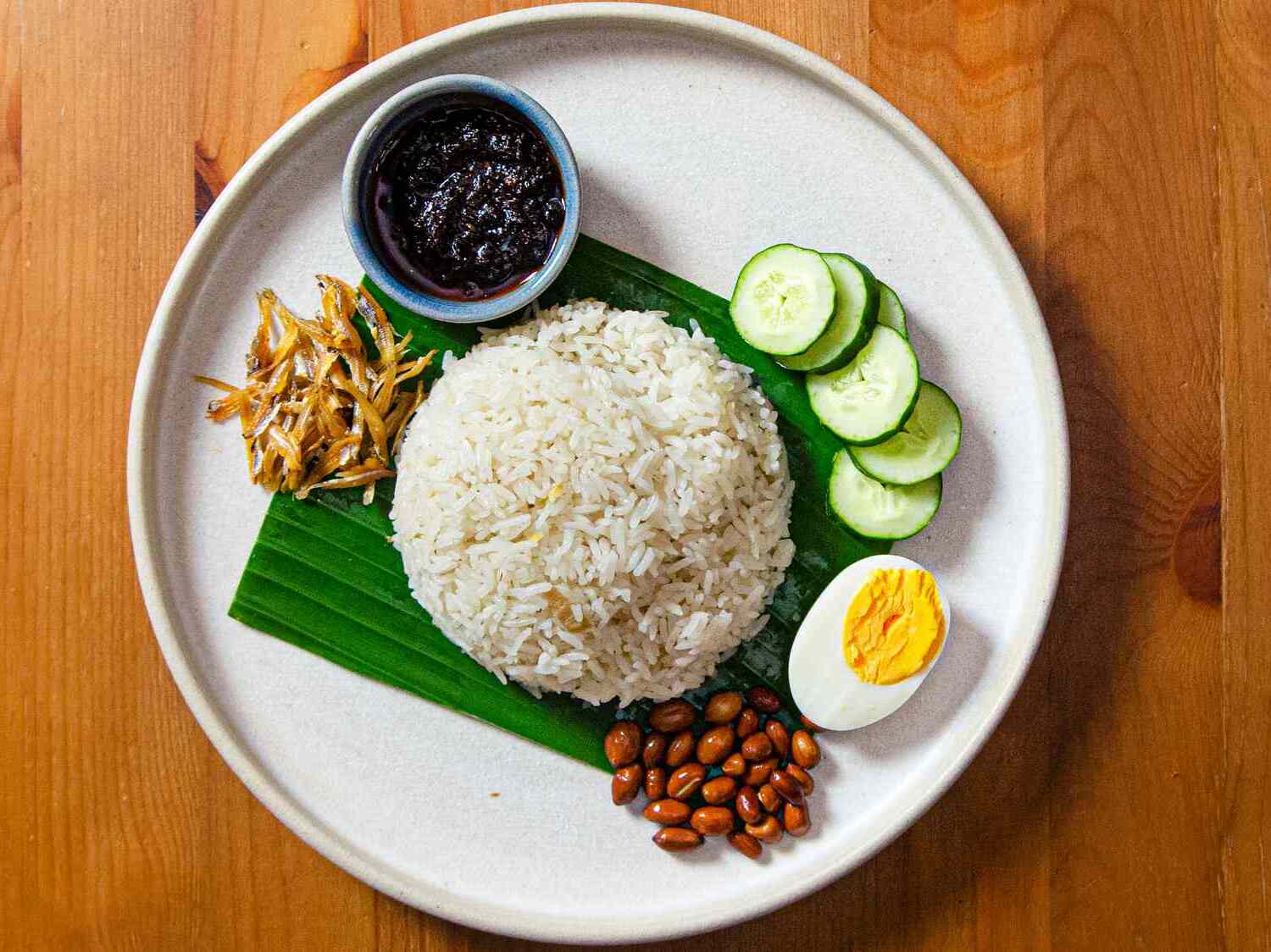
Ingredients For Malaysian Nasi Lemak Recipe
Jasmine rice: A fragrant long-grain rice that cooks up fluffy and slightly sticky, perfect for absorbing coconut milk flavors.
Coconut milk: Adds creaminess and a subtle sweetness to the rice.
Water: Used to cook the rice along with coconut milk.
Pandan leaves: Aromatic leaves tied in a knot to infuse the rice with a sweet, floral scent.
Salt: Enhances the flavors in both the rice and sambal.
Oil: Used for sautéing the sambal ingredients.
Onion: Adds sweetness and depth to the sambal.
Garlic: Gives a savory aroma and flavor.
Ginger: Adds a warm, spicy note to the sambal.
Dried chilies: Soaked and blended to create the spicy base of the sambal.
Tamarind paste: Provides a tangy, slightly sour flavor to balance the heat.
Sugar: Balances the sour and spicy flavors in the sambal.
Fried anchovies: Adds a salty crunch and umami flavor.
Fried peanuts: Adds texture and a nutty taste.
Boiled eggs: Halved and served as a protein-rich topping.
Cucumber: Fresh slices that add a cool, crisp contrast to the spicy sambal.
Technique Tip for This Recipe
One of the most important steps in this Malaysian Nasi Lemak Recipe is making the sambal. When you sauté the onions, garlic, and ginger, you want to make sure they get nice and fragrant before adding the blended chilies. Here’s a simple way to do it:
- Heat the oil in your pan over medium heat. You don’t want it too hot or the ingredients might burn.
- Add the chopped onions first and stir them around until they start to look soft and a little see-through.
- Next, add the minced garlic and ginger. Keep stirring so they don’t stick or burn. You’ll know they’re ready when you can smell their warm, spicy aroma filling the kitchen.
- Only then add the blended dried chilies and cook until the oil starts to separate from the mixture. This means the flavors are really coming together.
Doing this slowly and carefully helps bring out the best taste in your sambal. If you rush or cook on too high heat, the garlic can burn and turn bitter, which would change the whole flavor. Taking your time makes the sambal rich and full of depth.
When I first tried this, I was impatient and added the chilies too soon. The sambal didn’t taste as good because the onions and garlic hadn’t softened enough. Now, I always wait for that fragrant moment—it’s like a little signal that the sambal is on its way to tasting amazing. Plus, stirring slowly gives you a chance to enjoy the smells and feel like a real cook!
Suggested Side Dishes
Alternative Ingredients
jasmine rice - Substitute with basmati rice: Basmati rice has a similar texture and aroma, making it a good alternative for jasmine rice.
coconut milk - Substitute with almond milk with coconut extract: Almond milk with coconut extract can mimic the flavor and creaminess of coconut milk.
pandan leaves - Substitute with vanilla extract: Vanilla extract can provide a similar aromatic quality to pandan leaves.
fried anchovies - Substitute with fried sardines: Fried sardines have a similar salty and crispy texture to fried anchovies.
fried peanuts - Substitute with roasted cashews: Roasted cashews offer a similar crunch and nutty flavor to fried peanuts.
boiled eggs - Substitute with poached eggs: Poached eggs can provide a similar texture and flavor to boiled eggs.
cucumber - Substitute with zucchini: Zucchini has a similar crunch and mild flavor, making it a good alternative to cucumber.
Other Alternative Recipes Similar to This Dish
How to Store / Freeze This Dish
- Allow the rice and sambal to cool completely before storing. This helps prevent condensation, which can make the food soggy and spoil faster.
- Use airtight containers to store each component separately. This includes the coconut rice, sambal, fried anchovies, fried peanuts, boiled eggs, and cucumber slices.
- For the coconut rice, place it in an airtight container and refrigerate. It can last up to 3-4 days in the fridge.
- The sambal can be stored in a glass jar or any airtight container. Refrigerate it and it will stay fresh for up to a week. For longer storage, you can freeze the sambal in small portions using ice cube trays. Once frozen, transfer the cubes to a ziplock bag and store in the freezer for up to 3 months.
- Store the fried anchovies and fried peanuts in separate airtight containers at room temperature. They will remain crispy for about a week. For longer storage, consider refrigerating them.
- Keep the boiled eggs in their shells in an airtight container in the refrigerator. They can last up to a week.
- Cucumber slices are best stored in an airtight container lined with a paper towel to absorb excess moisture. They will stay fresh for 2-3 days in the fridge.
- When ready to serve, reheat the coconut rice and sambal separately. The coconut rice can be microwaved or steamed, while the sambal can be reheated in a pan over low heat.
- Assemble the Nasi Lemak by placing the coconut rice on a plate, adding a generous spoonful of sambal, and arranging the fried anchovies, fried peanuts, boiled eggs, and cucumber slices around it.
How to Reheat Leftovers
Microwave Method:
- Place the rice and sambal in separate microwave-safe containers.
- Add a splash of water or coconut milk to the rice to keep it moist.
- Cover the containers with a microwave-safe lid or plastic wrap.
- Heat on medium power for 2-3 minutes, stirring halfway through to ensure even heating.
- Check the temperature and heat for an additional 1-2 minutes if necessary.
- Reheat the fried anchovies and peanuts separately for 30 seconds to 1 minute to maintain their crunch.
Stovetop Method:
- Place the rice in a non-stick pan and add a splash of water or coconut milk.
- Cover the pan with a lid and heat on low to medium heat.
- Stir occasionally to prevent sticking and ensure even heating, for about 5-7 minutes.
- For the sambal, use a separate pan, heat on low, and stir occasionally until warmed through.
- Reheat the fried anchovies and peanuts in a dry pan over low heat for 1-2 minutes to restore their crispiness.
Oven Method:
- Preheat your oven to 350°F (175°C).
- Spread the rice in an oven-safe dish and cover with foil.
- Add a splash of water or coconut milk to keep the rice moist.
- Heat in the oven for about 15-20 minutes, stirring halfway through.
- For the sambal, place it in a separate oven-safe dish, cover with foil, and heat for the same duration.
- Reheat the fried anchovies and peanuts by spreading them on a baking sheet and placing them in the oven for the last 5 minutes to maintain their crunch.
Steamer Method:
- Place the rice in a heatproof dish that fits in your steamer.
- Add a splash of water or coconut milk to the rice.
- Steam over boiling water for about 10 minutes or until heated through.
- For the sambal, use a separate heatproof dish and steam for the same duration.
- Reheat the fried anchovies and peanuts separately in a dry pan over low heat for 1-2 minutes to restore their crispiness.
Best Tools for This Recipe
Rice cooker: Essential for cooking the jasmine rice with coconut milk, water, pandan leaves, and salt to achieve the perfect texture.
Pan: Used for preparing the sambal by sautéing the onions, garlic, ginger, and blended chilies.
Knife: Necessary for chopping the onions, mincing the garlic and ginger, and slicing the cucumber.
Cutting board: Provides a stable surface for chopping and slicing ingredients.
Measuring cups: Used to measure the rice, coconut milk, water, and other ingredients accurately.
Measuring spoons: Essential for measuring smaller quantities of ingredients like salt, sugar, and tamarind paste.
Mixing bowl: Useful for soaking and blending the dried chilies.
Blender: Required to blend the soaked dried chilies into a smooth paste.
Wooden spoon: Ideal for stirring the sambal as it cooks to prevent it from sticking to the pan.
Serving plates: Used to present the final dish with rice, sambal, fried anchovies, peanuts, boiled eggs, and cucumber slices.
Strainer: Handy for rinsing the rice and draining the soaked dried chilies.
Pot: Can be used as an alternative to a rice cooker for cooking the rice if needed.
Tongs: Useful for handling the boiled eggs and placing them on the serving plates.
Spatula: Helps in scraping down the sides of the pan while cooking the sambal to ensure even cooking.
How to Save Time on Making This Dish
Prepare ingredients in advance: Chop onions, mince garlic, and soak dried chilies the night before.
Use a rice cooker: Let the rice cooker handle the jasmine rice while you focus on the sambal.
Pre-fry anchovies and peanuts: Fry the anchovies and peanuts ahead of time and store them in airtight containers.
Boil eggs in bulk: Boil multiple eggs at once and keep them in the fridge for quick assembly.
Use pre-made tamarind paste: Save time by using store-bought tamarind paste instead of making it from scratch.
Malaysian Nasi Lemak Recipe
Ingredients
Rice
- 2 cups Jasmine rice
- 1 cup Coconut milk
- 1 cup Water
- 2 leaves Pandan leaves tied in a knot
- 1 teaspoon Salt
Sambal
- 2 tablespoon Oil
- 1 cup Onion chopped
- 2 cloves Garlic minced
- 1 inch Ginger minced
- 10 pieces Dried chilies soaked and blended
- 1 teaspoon Tamarind paste mixed with ¼ cup water
- 1 teaspoon Sugar
- 1 teaspoon Salt
Sides
- 1 cup Anchovies fried
- 1 cup Peanuts fried
- 2 pieces Boiled eggs halved
- 1 piece Cucumber sliced
Instructions
- Rinse the rice and drain. Add rice, coconut milk, water, pandan leaves, and salt to a rice cooker. Cook until done.
- For the sambal, heat oil in a pan. Sauté onions, garlic, and ginger until fragrant. Add blended chilies and cook until oil separates. Add tamarind paste, sugar, and salt. Simmer for 10 minutes.
- Serve rice with sambal, fried anchovies, peanuts, boiled eggs, and cucumber slices.
Nutritional Value
Keywords
Suggested Appetizers and Desserts
More Amazing Recipes to Try 🙂
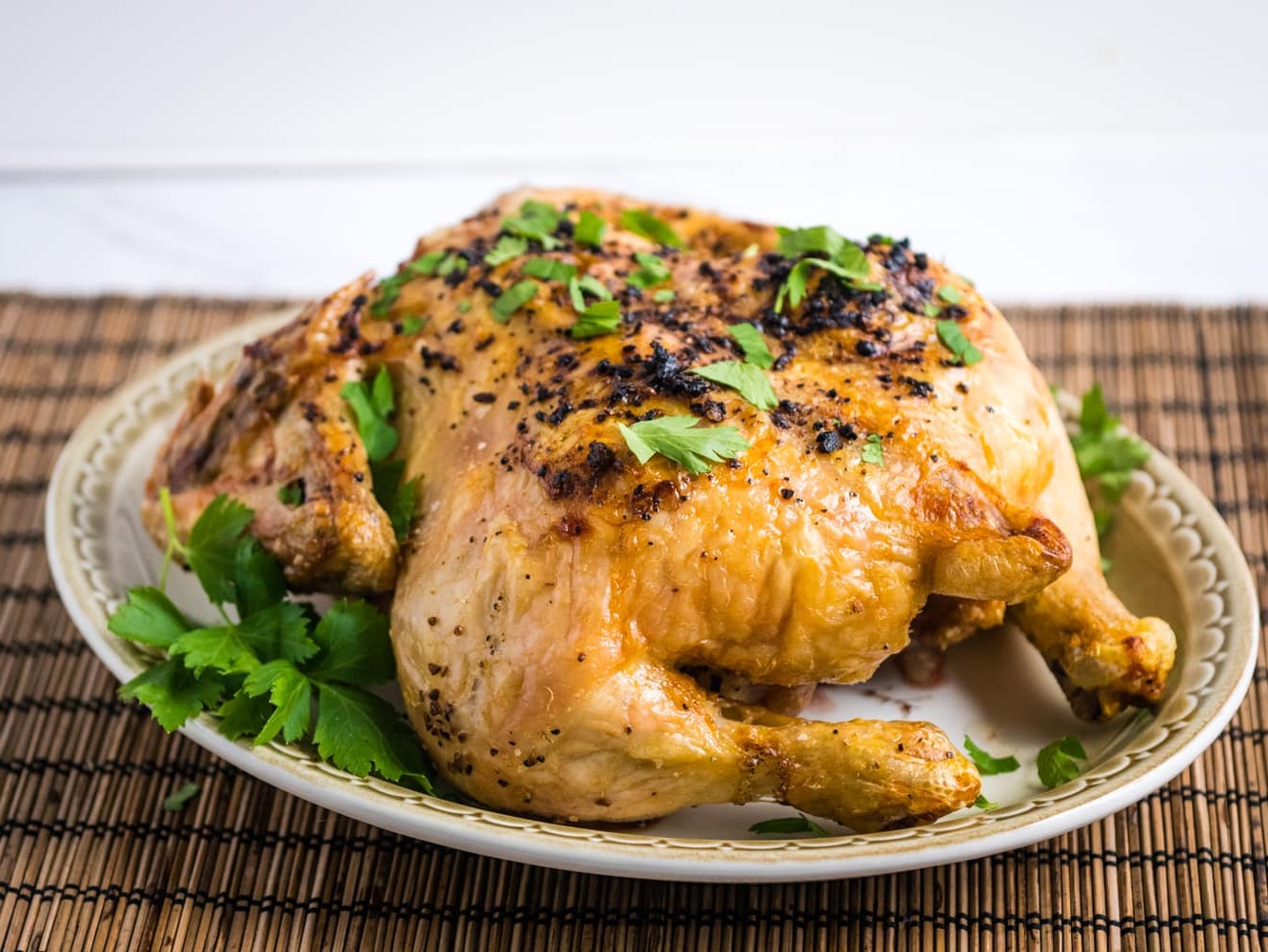
- Air Fryer Whole Chicken Recipe1 Hours 10 Minutes
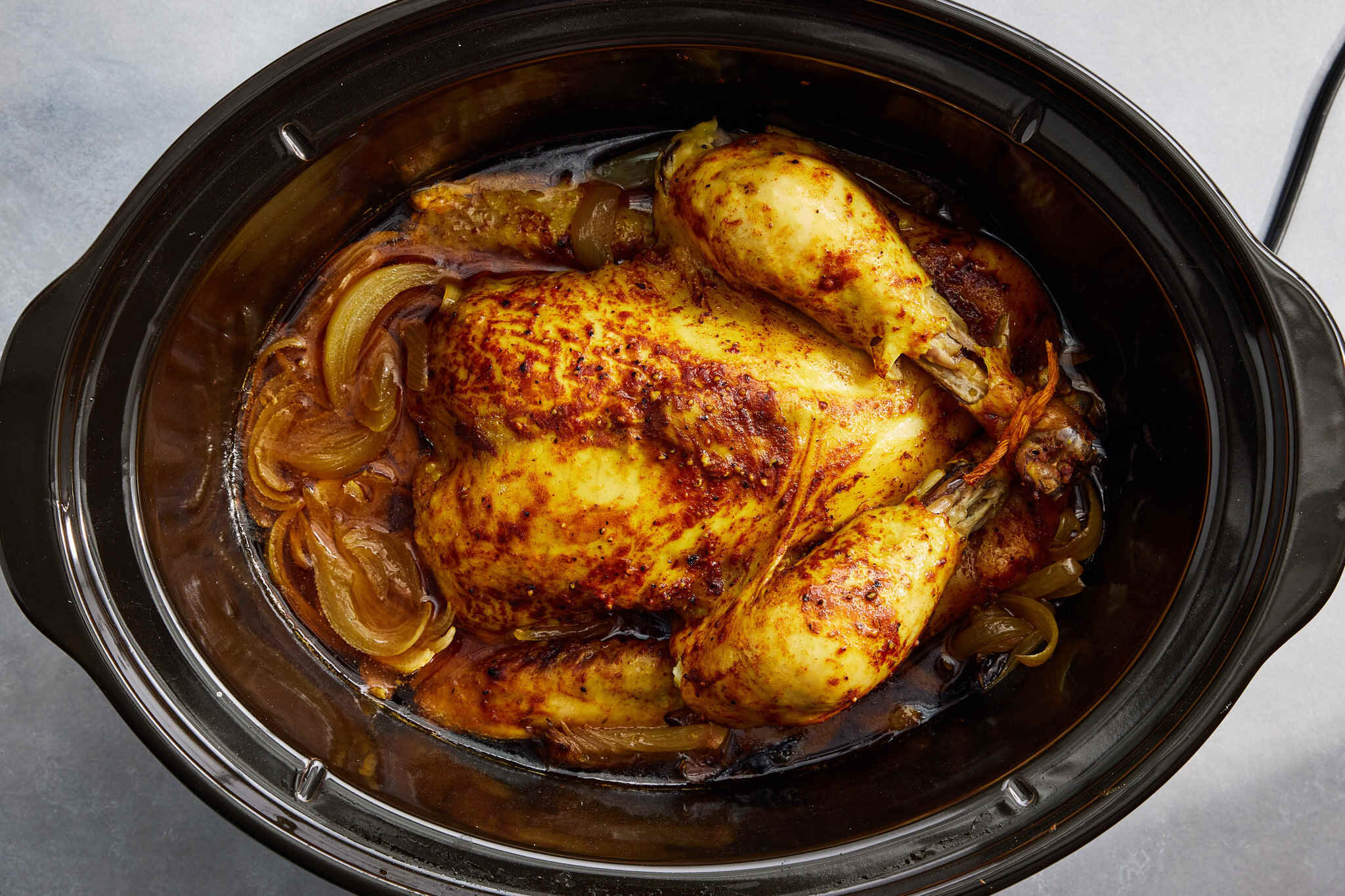
- Slow Cooker Chicken Recipe4 Hours 10 Minutes
- Banana Milkshake Recipe5 Minutes
- Baked Jalapeno Poppers Recipe35 Minutes
- Cranberry Pineapple Juice Recipe10 Minutes
- Carrot and Orange Juice Recipe10 Minutes
- Aebleskiver Recipe35 Minutes
- Vegan Coconut Curry with Pasta and Vegetables Recipe40 Minutes








Leave a Reply