

I love this lemon coconut cake because it feels like a little sunshine in every bite. It’s a simple recipe that brings together fresh lemon flavor and the sweet, tropical taste of coconut. I hope you enjoy making it as much as I do!
Some ingredients like coconut milk and shredded coconut might not be in every kitchen, so you may want to check the baking or international aisle at the supermarket. Coconut milk is a creamy liquid made from grated coconut, and it adds a rich flavor to the cake. Shredded coconut gives a nice texture and a bit of chewiness, so don’t skip it if you want that perfect balance.
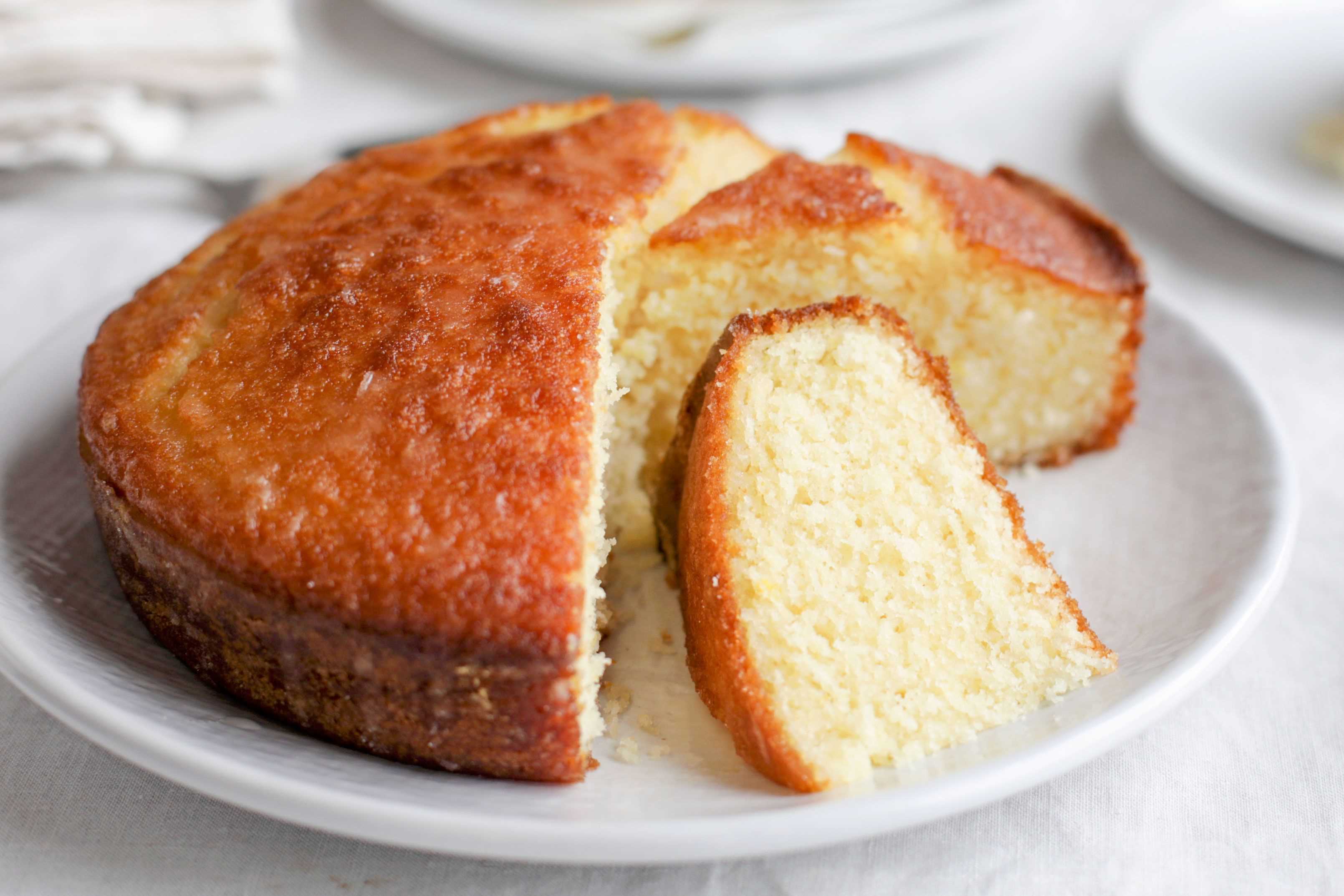
Ingredients For Lemon Coconut Cake Recipe
All-purpose flour: The main base for the cake that gives it structure.
Sugar: Adds sweetness to balance the tart lemon.
Unsweetened shredded coconut: Provides texture and a mild coconut flavor without extra sweetness.
Baking powder: Helps the cake rise and become fluffy.
Baking soda: Works with baking powder to make the cake light.
Salt: Enhances all the flavors in the cake.
Unsalted butter: Adds richness and moisture.
Large eggs: Bind the ingredients together and add moisture.
Vanilla extract: Adds a warm, sweet aroma that complements lemon and coconut.
Coconut milk: Gives the cake a creamy texture and coconut flavor.
Lemon juice: Brings fresh, tangy brightness to the cake.
Lemon zest: Adds extra lemon flavor without extra liquid.
Technique Tip for This Recipe
One of the most helpful steps in this Lemon Coconut Cake recipe is how you mix the dry ingredients into the wet ones, especially when you add the coconut milk. Here’s a simple way to do it so your cake turns out light and fluffy instead of dense or tough:
- Start by adding a little bit of the dry mixture (the flour, sugar, shredded coconut, baking powder, baking soda, and salt) to the bowl with the creamy butter, eggs, and vanilla.
- Stir gently but thoroughly to combine.
- Next, pour in some of the coconut milk and mix again.
- Keep going back and forth—dry ingredients, then wet—until everything is mixed in.
Doing it this way helps the ingredients blend smoothly without overworking the batter. If you dump all the dry stuff in at once, you might have to stir a lot more, which can make the cake tough because it develops too much gluten. Taking your time and alternating keeps the texture soft and tender.
When I first tried this, I was impatient and added everything at once. The cake came out a bit heavy, and I could tell it wasn’t as light as it should be. Now, I always remind myself to add the dry and wet parts little by little. It’s a small step that makes a big difference!
Also, don’t worry if the batter looks a little lumpy—that’s normal because of the shredded coconut. Just make sure everything is mixed well enough that you don’t see dry patches. This way, your Lemon Coconut Cake will bake up perfectly every time.
Suggested Side Dishes
Alternative Ingredients
all-purpose flour - Substitute with whole wheat flour: Whole wheat flour adds a nutty flavor and more fiber, though it may make the cake denser.
sugar - Substitute with honey: Honey adds moisture and a different sweetness profile, but reduce the liquid in the recipe slightly.
unsweetened shredded coconut - Substitute with sweetened shredded coconut: Sweetened coconut will add extra sweetness, so you may want to reduce the sugar in the recipe.
baking powder - Substitute with baking soda and cream of tartar: Use ¼ teaspoon baking soda and ½ teaspoon cream of tartar to replace 1 teaspoon baking powder.
baking soda - Substitute with baking powder: Use 3 times the amount of baking powder, but it may affect the texture slightly.
salt - Substitute with sea salt: Sea salt can be used in the same quantity and adds a slightly different mineral taste.
unsalted butter - Substitute with coconut oil: Coconut oil adds a coconut flavor and is dairy-free, but it will change the texture slightly.
large eggs - Substitute with flax eggs: Mix 1 tablespoon ground flaxseed with 3 tablespoon water per egg. This is a good vegan alternative but may change the texture.
vanilla extract - Substitute with almond extract: Almond extract gives a different flavor profile that pairs well with coconut.
coconut milk - Substitute with almond milk: Almond milk is a lighter alternative and works well in baking, though it will alter the flavor slightly.
lemon juice - Substitute with lime juice: Lime juice provides a similar acidity and citrus flavor, though it will change the overall taste.
lemon zest - Substitute with orange zest: Orange zest offers a different citrus flavor that complements the coconut well.
Other Alternative Recipes Similar to This Cake
How to Store/Freeze This Cake
- To keep your lemon coconut cake fresh, store it in an airtight container at room temperature for up to 3 days. This will help maintain its moist texture and delightful flavor.
- If you prefer to refrigerate the cake, wrap it tightly in plastic wrap or aluminum foil before placing it in the fridge. This method will extend its freshness for up to a week.
- For longer storage, freezing is an excellent option. First, let the cake cool completely. Then, wrap it in plastic wrap, followed by a layer of aluminum foil to prevent freezer burn.
- To freeze individual slices, cut the cake into portions and wrap each slice in plastic wrap. Place the wrapped slices in a freezer-safe bag or container. This way, you can enjoy a piece of cake whenever you crave it.
- When you're ready to enjoy your frozen lemon coconut cake, allow it to thaw at room temperature for a few hours or overnight in the refrigerator. This will ensure the cake retains its original texture and flavor.
- For an extra touch of freshness, you can sprinkle some additional lemon zest or shredded coconut on top of the thawed cake before serving.
How to Reheat Leftovers
Oven Method: Preheat your oven to 300°F (150°C). Wrap the lemon coconut cake in aluminum foil to prevent it from drying out. Place the wrapped cake on a baking sheet and heat for about 10-15 minutes, or until warmed through. This method helps retain the cake's moisture and texture.
Microwave Method: Place a slice of the lemon coconut cake on a microwave-safe plate. Cover it with a damp paper towel to keep it moist. Microwave on medium power for 20-30 seconds. Check the cake and continue heating in 10-second intervals if necessary. Be cautious not to overheat, as this can make the cake rubbery.
Steaming Method: If you have a steamer, this is a gentle way to reheat your lemon coconut cake. Place the cake on a heatproof plate and set it in the steamer. Steam for about 5-7 minutes, or until the cake is warmed through. This method helps maintain the cake's moisture and softness.
Toaster Oven Method: Preheat your toaster oven to 300°F (150°C). Place the lemon coconut cake on a piece of aluminum foil or a small baking tray. Heat for about 10 minutes, checking frequently to ensure it doesn't dry out. This method is great for reheating smaller portions.
Stovetop Method: If you don't have access to an oven or microwave, you can use a stovetop. Place a heatproof plate with the lemon coconut cake in a large skillet. Add a small amount of water to the skillet and cover with a lid. Heat on low for about 5-7 minutes, or until the cake is warmed through. The steam from the water will gently reheat the cake.
Best Tools for This Recipe
Oven: Preheat to 350°F (175°C) to bake the cake.
9-inch round baking pan: Grease and flour this pan to prevent the cake from sticking.
Mixing bowl: Use one for combining dry ingredients and another for wet ingredients.
Whisk: Whisk together the flour, sugar, shredded coconut, baking powder, baking soda, and salt.
Electric mixer: Beat the softened butter until creamy and mix in the eggs and vanilla extract.
Spatula: Gradually fold in the dry ingredients and coconut milk, and stir in the lemon juice and zest.
Toothpick: Insert into the center of the cake to check for doneness.
Wire rack: Allow the cake to cool completely on this after removing it from the pan.
How to Save Time on Making This Cake
Pre-measure ingredients: Measure all ingredients ahead of time and place them in separate bowls. This will streamline the baking process.
Use a stand mixer: A stand mixer can save you time when creaming butter and mixing batter. It also ensures a more consistent mix.
Room temperature ingredients: Ensure butter and eggs are at room temperature before starting. This helps them blend more easily and speeds up the process.
Preheat the oven early: Turn on the oven before you start mixing. This way, it will be ready when you are.
Line the pan: Use parchment paper to line your baking pan. It makes removing the cake easier and saves cleaning time.
Lemon Coconut Cake
Ingredients
Main Ingredients
- 1.5 cups all-purpose flour
- 1 cup sugar
- 0.5 cup unsweetened shredded coconut
- 1 teaspoon baking powder
- 0.5 teaspoon baking soda
- 0.25 teaspoon salt
- 0.5 cup unsalted butter, softened
- 2 large eggs
- 1 teaspoon vanilla extract
- 0.5 cup coconut milk
- 2 tablespoon lemon juice
- 1 tablespoon lemon zest
Instructions
- Preheat your oven to 350°F (175°C). Grease and flour a 9-inch round baking pan.
- In a mixing bowl, whisk together the flour, sugar, shredded coconut, baking powder, baking soda, and salt.
- In another bowl, beat the softened butter until creamy. Add the eggs one at a time, beating well after each addition. Mix in the vanilla extract.
- Gradually add the dry ingredients to the wet ingredients, alternating with the coconut milk. Stir in the lemon juice and zest.
- Pour the batter into the prepared baking pan. Bake for 30-35 minutes, or until a toothpick inserted into the center comes out clean.
- Allow the cake to cool in the pan for 10 minutes, then transfer to a wire rack to cool completely.
Nutritional Value
Keywords
Suggested Appetizers and Main Courses for This Cake
More Amazing Recipes to Try 🙂
- Scotch Bonnet Hot Sauce Recipe25 Minutes
- Air Fryer Whole Chicken Recipe1 Hours 10 Minutes
- Slow Cooker Chicken Recipe4 Hours 10 Minutes
- Banana Milkshake Recipe5 Minutes
- Baked Jalapeno Poppers Recipe35 Minutes
- Cranberry Pineapple Juice Recipe10 Minutes
- Carrot and Orange Juice Recipe10 Minutes
- Aebleskiver Recipe35 Minutes












Leave a Reply