
I love this peanut sauce recipe because it’s simple and full of flavor. It’s perfect for adding a little something special to noodles, veggies, or even as a dip. I’m excited for you to try it and see how easy it is to make a tasty sauce with just a few ingredients.
Most of the ingredients in this recipe are common in many kitchens, but if you don’t have soy sauce or lime juice, those are the ones to look for at the supermarket. Soy sauce adds a salty, savory flavor, while lime juice gives the sauce a fresh, tangy kick. Peanut butter is usually easy to find, but make sure it’s smooth for the best texture in your sauce.
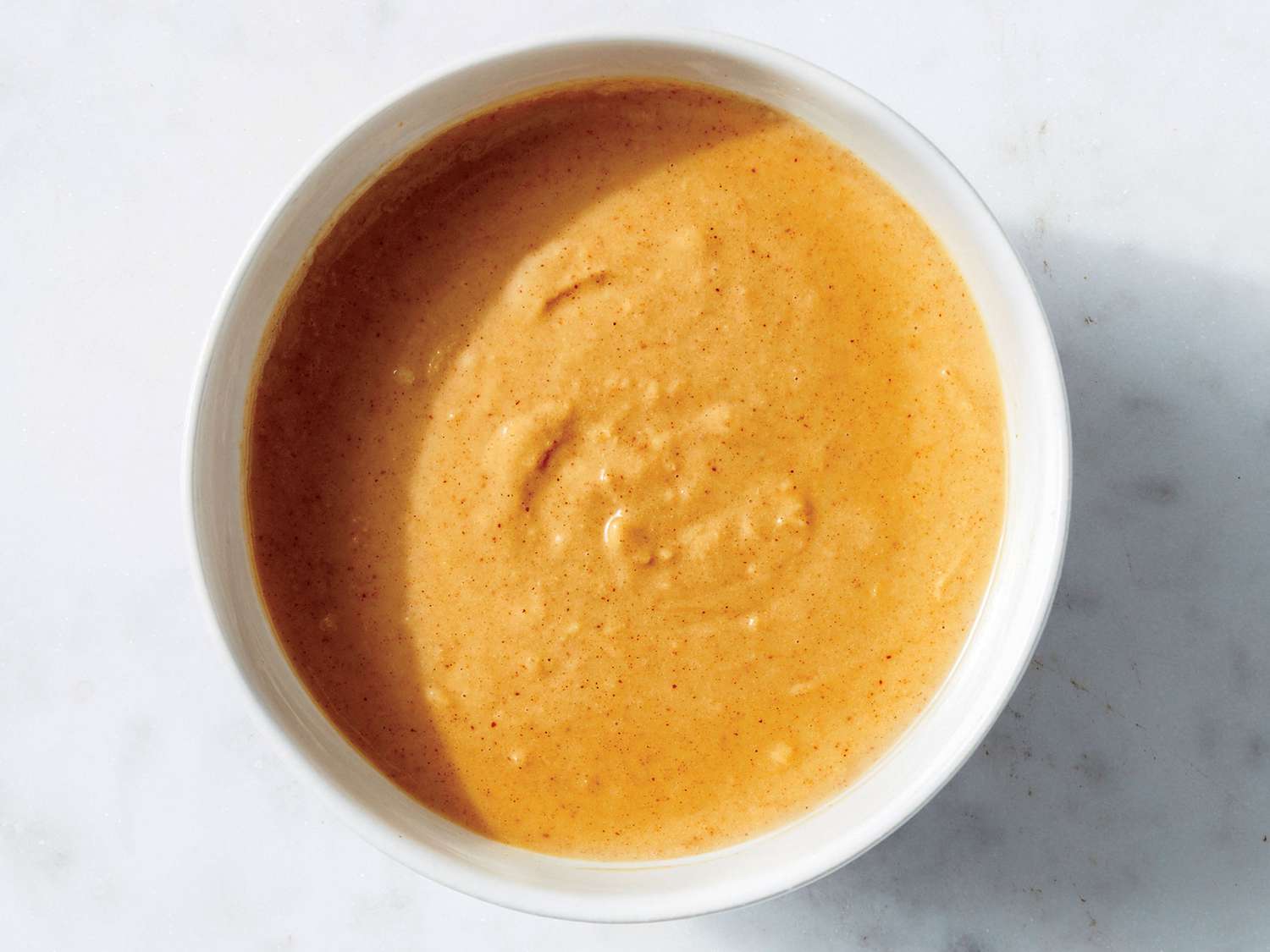
Ingredients For Peanut Sauce Recipe
Peanut butter: creamy and rich, it forms the base of the sauce and gives it that classic peanut flavor
Soy sauce: adds a salty, umami taste that balances the sweetness
Lime juice: brings a bright, tangy freshness to the sauce
Honey: provides a touch of natural sweetness to round out the flavors
Garlic: minced for a little sharpness and depth
Water: used to thin the sauce to your preferred consistency
Technique Tip for This Recipe
When you’re mixing the peanut butter with the other ingredients like soy sauce, lime juice, honey, and garlic, whisking it until smooth is a key step. Here’s how to do it without making a mess or ending up with lumps:
- Start by putting all the thicker ingredients, like the peanut butter and honey, in the bowl first. This helps them soften up as you mix.
- Use a whisk or a fork and stir slowly at first, moving in small circles. This stops splashes and helps break up any clumps.
- Once things start to come together, you can speed up a bit and whisk more vigorously to get a smooth, creamy sauce.
- Add the water little by little while whisking. This way, you can control how thick or thin your peanut sauce becomes without it getting too runny.
Whisking like this makes the sauce taste better because it blends all the flavors evenly. If you don’t whisk well, you might get pockets of salty soy sauce or sticky peanut butter that don’t mix in, which can make some bites too strong or too thick.
I remember the first time I made this sauce, I dumped all the water in at once and ended up with a super runny sauce that didn’t stick well to my noodles. Now, I always add water slowly and whisk between each splash. It’s a small step that makes a big difference and saves you from having to fix it later. Plus, whisking is kind of fun once you get the hang of it!
Suggested Side Dishes
Alternative Ingredients
peanut butter - Substitute with almond butter: Almond butter provides a similar creamy texture and nutty flavor, making it a great alternative for those with peanut allergies.
peanut butter - Substitute with sunflower seed butter: Sunflower seed butter is another allergy-friendly option that mimics the consistency and richness of peanut butter.
soy sauce - Substitute with tamari: Tamari is a gluten-free alternative to soy sauce that offers a similar umami flavor.
soy sauce - Substitute with coconut aminos: Coconut aminos are a soy-free and gluten-free option that provides a slightly sweeter and less salty flavor.
lime juice - Substitute with lemon juice: Lemon juice can be used to provide a similar acidic and citrusy flavor.
lime juice - Substitute with rice vinegar: Rice vinegar offers a mild acidity that can replace the tanginess of lime juice.
honey - Substitute with maple syrup: Maple syrup provides a similar sweetness and can be used as a vegan alternative to honey.
honey - Substitute with agave nectar: Agave nectar is another vegan-friendly sweetener that can replace honey.
garlic - Substitute with garlic powder: Garlic powder can be used when fresh garlic is not available, offering a similar flavor profile.
garlic - Substitute with shallots: Shallots provide a milder garlic flavor and can be minced to replace fresh garlic.
water - Substitute with vegetable broth: Vegetable broth adds extra flavor and depth to the sauce compared to plain water.
water - Substitute with coconut milk: Coconut milk can add a creamy texture and a hint of sweetness, enhancing the overall flavor of the sauce.
Other Alternative Recipes
How to Store or Freeze This Recipe
- To store your peanut sauce, transfer it to an airtight container. This helps maintain its freshness and prevents any unwanted odors from seeping in.
- Place the container in the refrigerator. The sauce will keep well for up to a week, making it a convenient option for quick meals or snacks.
- If you notice the sauce thickening over time, simply stir in a small amount of water or lime juice to restore its original consistency.
- For longer storage, consider freezing the peanut sauce. Pour it into a freezer-safe container, leaving some space at the top as the sauce will expand when frozen.
- Label the container with the date to keep track of its freshness. The sauce can be frozen for up to three months.
- When ready to use, thaw the peanut sauce in the refrigerator overnight. Once thawed, give it a good stir to recombine any separated ingredients.
- If the sauce appears too thick after thawing, adjust the consistency by adding a bit of water or soy sauce and whisking until smooth.
- For a quick thawing method, place the sealed container in a bowl of warm water. Stir occasionally until the sauce reaches the desired consistency.
- Always check the sauce for any signs of spoilage before using, such as an off smell or unusual texture. If in doubt, it's best to discard it and make a fresh batch.
How to Reheat Leftovers
For a quick and easy method, place the peanut sauce in a microwave-safe bowl. Heat it in the microwave on medium power for 20-30 seconds. Stir well and repeat if necessary until the sauce is warm and smooth.
If you prefer a more controlled reheating process, pour the peanut sauce into a small saucepan. Warm it over low heat on the stovetop, stirring constantly to prevent sticking and ensure even heating. Add a splash of water or coconut milk if the sauce thickens too much.
For those who enjoy a bit of a smoky flavor, reheat the peanut sauce on a grill. Place the sauce in a heatproof bowl and set it on the grill over indirect heat. Stir occasionally until warmed through.
If you're using the peanut sauce as a dip for vegetables or meat skewers, you can reheat it by placing the bowl of sauce in a larger bowl filled with hot water. Stir occasionally until the sauce reaches the desired temperature.
For a creamy texture, reheat the peanut sauce in a double boiler. Place the sauce in the top part of the double boiler and heat over simmering water, stirring frequently until warm and smooth.
Best Tools for This Recipe
Mixing bowl: A large bowl to combine all the ingredients together.
Whisk: Used to mix the ingredients until smooth and well combined.
Measuring cups: Essential for accurately measuring the peanut butter and water.
Measuring spoons: Necessary for measuring the soy sauce, lime juice, and honey.
Garlic press: Handy for mincing the garlic clove quickly and efficiently.
Spatula: Useful for scraping down the sides of the mixing bowl to ensure all ingredients are incorporated.
Storage container: An airtight container to store the peanut sauce in the fridge for up to a week.
How to Save Time on This Recipe
Use a blender: Combine peanut butter, soy sauce, lime juice, honey, and minced garlic in a blender for a quick and smooth mix.
Pre-minced garlic: Save time by using pre-minced garlic instead of mincing a fresh clove.
Batch preparation: Make a larger batch of peanut sauce and store it in the fridge for up to a week.
Microwave peanut butter: Slightly warm the peanut butter in the microwave to make it easier to mix with other ingredients.
Use warm water: Gradually add warm water to the mixture to help achieve the desired consistency faster.
Peanut Sauce Recipe
Ingredients
Main Ingredients
- ½ cup peanut butter
- 2 tablespoon soy sauce
- 1 tablespoon lime juice
- 1 tablespoon honey
- 1 clove garlic, minced
- ¼ cup water adjust as needed
Instructions
- In a mixing bowl, combine peanut butter, soy sauce, lime juice, honey, and minced garlic.
- Whisk until smooth. Gradually add water to reach desired consistency.
- Serve immediately or store in the fridge for up to a week.
Nutritional Value
Keywords
More Amazing Recipes to Try 🙂
- Refreshing Cucumber Lemonade Recipe10 Minutes
- POG Juice Recipe5 Minutes
- Singapore Sling Cocktail Recipe5 Minutes
- Spicy Seafood Sauce Recipe30 Minutes
- Veggie Spring Rolls with Mango Dipping Sauce Recipe30 Minutes
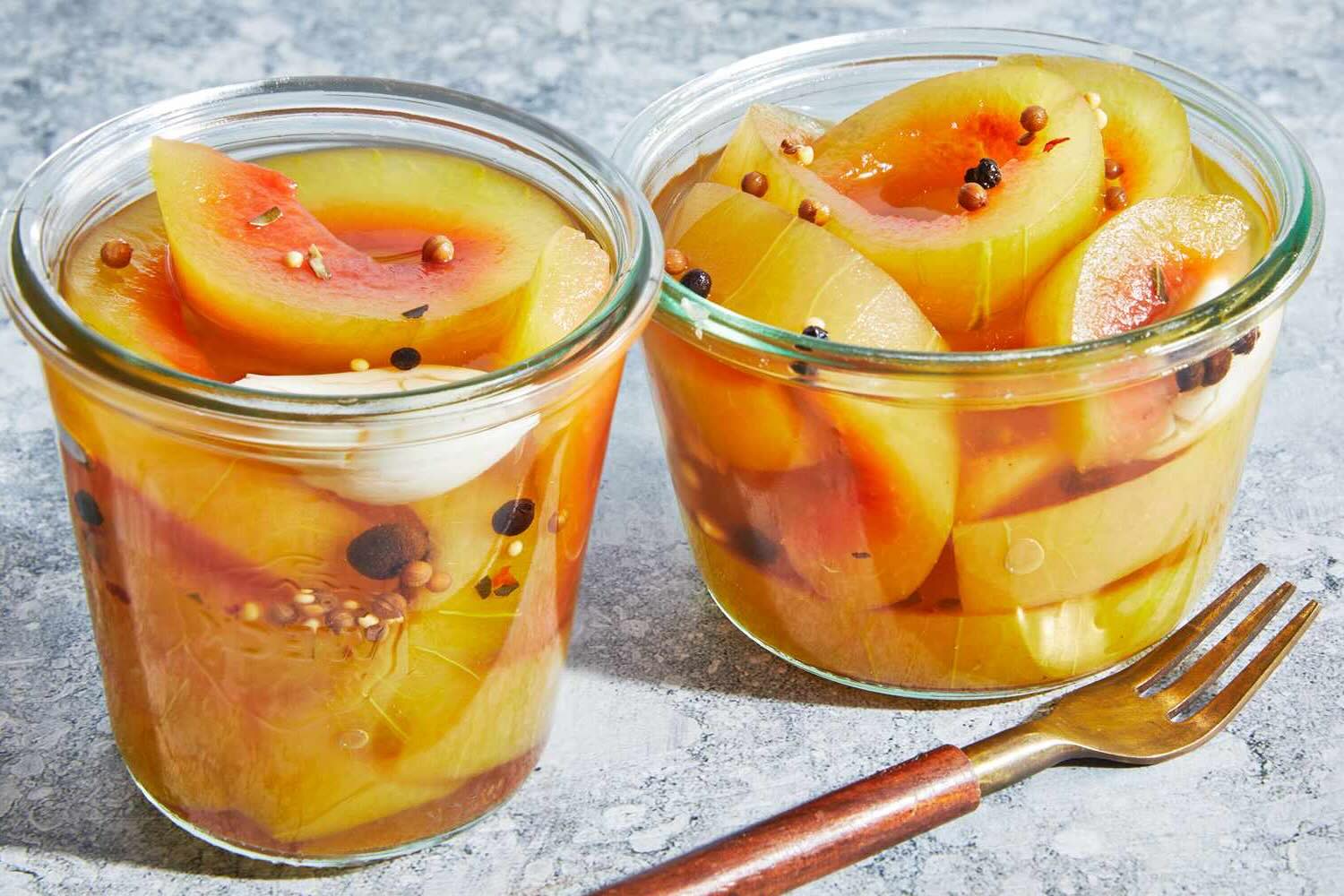
- Pickled Watermelon Rinds Recipe30 Minutes
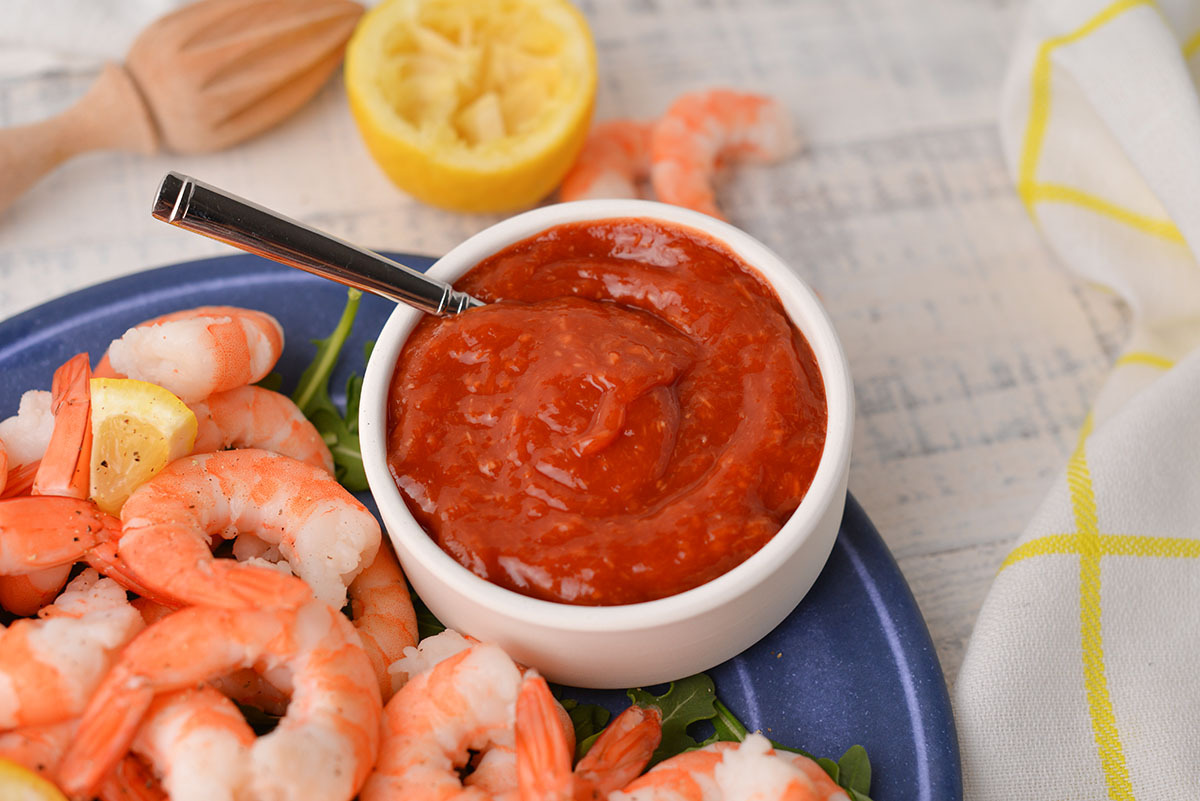
- Cocktail Sauce Recipe5 Minutes
- Mexican Sopes Recipe40 Minutes





Leave a Reply